Day 631, Looking against the light.

Day's pictures

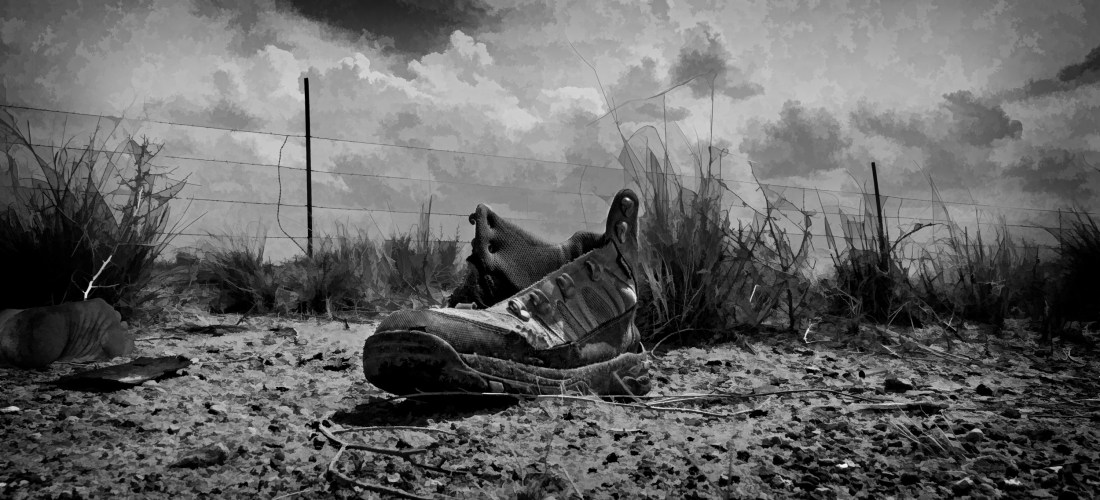
Day 631-1

Looking against the light.

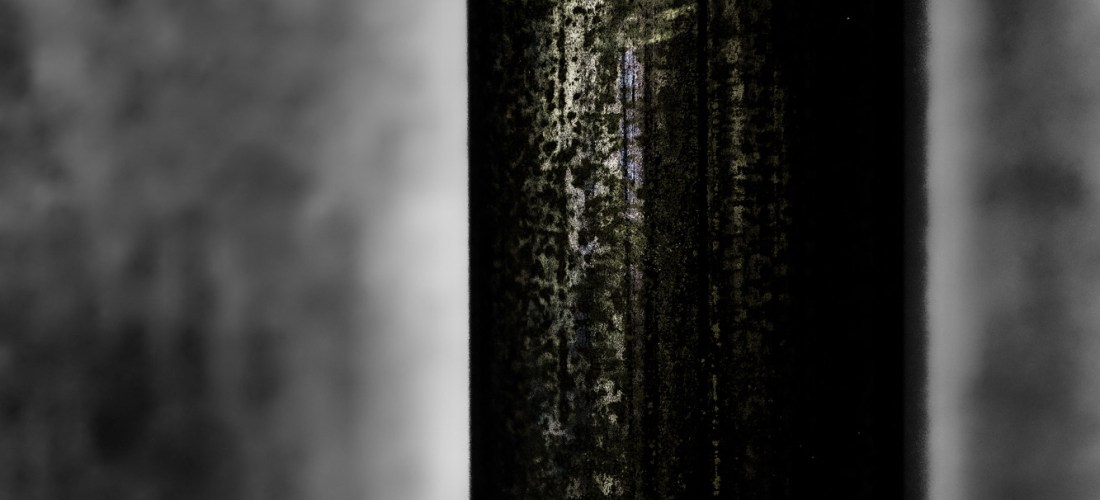
We human beings can easily be overwhelmed. An example: you meet him, the whole date goes so well, as if you knew each other for so long and then… he barks at the waiter. Or you by the new phone you wanted for so long, you install everything, try it out and then after 3 days… the excitement is gone and it’s just an other phone. Our expectation is like the bright sun that puts everything around you in a shadow and you can only see the light. That person or object shines so bright, because you want it so bad, that it makes you temporary stupid, you can not think straight. That realization can come fast, as in the case of the rude date, or it takes a couple of day’s like with the phone. We all know this of course, there are enough sayings that point to this like: “blinded by love”, and it is not a bad thing perse. Looking at any man or woman thinking that he or she is probably an asshole one way or the other, what is of course the truth, is not a recipe for a nice date, a love life or for propagation, the cornerstone of our existence. In a certain way evolution made us les skeptical when it comes to choosing a mate, at least the skepticism is postponed till after the woman is impregnated or in our modern time: you had sex.

Well, that’s all well and good and a little drama makes life more interested for sure, but the side effect of this blindness is: the telephone I just bought and don’t need, or any product for that matter. This irrational potential in us is off course the fuel that our lifestyle, or capitalistic system, is running on.  If we all would be responsible buyers our system would crawl to a standstill and that is a problem, if you like this system. I personally wouldn’t mind finding a more responsible one. The main reason for this is that we can destroy the world we live in. Because of all the excess stuff we produce, the energy it cost and the waste we make we probably do more harm than good to the world on the long run. But for now, we are all blinded by the light and cannot see what lurks in the darkness.

Human all too human: 31. The illogical necessary

Human all too human

Reading Friedrich Nietzsche’s Human all too human

Read the introduction here

You can read the aphorism I discuss here in English and German below the main article.

My take on it.

It makes a thinker mad that humans need to be illogical, but it is necessary for all valuable things we do. Only the naïve thinks we can become all rational, but we would lose a lot if we would. Even the most rational man needs nature or with other words: irrationality.

In one sentence:

The things that are valuable, come from irrationality.

Synopsis, quote from the translation by Helen Zimmern and my take on it

The thing that can make a thinker mad is the knowledge that we humans need to be illogical and that much good comes from it. It makes a thinker made that humans need to be illogical, It is so firmly rooted in the passions, in language, in art, in religion, and generally in everything that gives value to life, that it cannot be withdrawn without thereby hopelessly injuring these beautiful things. but it is necessary for all valuable things we do. Only the too naïve person can think that man can be rational, but if we would come close to this goal we would lose a lot. Only the naïve thinks we can become all rational, but we would lose a lot if we would. Even the most rational man has need of nature again from time to time, i.e. his illogical fundamental attitude towards all things. Even the most rational man needs nature or with other words: irrationality.


 Human, all too human a book for free spirits Part I translated by Helen Zimmern 1909

  1. THE ILLOGICAL NECESSARY.—One of those things that may drive a thinker into despair is the recognition of the fact that the illogical is necessary for man, and that out of the illogical comes much that is good. It is so firmly rooted in the passions, in language, in art, in religion, and generally in everything that gives value to life, that it cannot be withdrawn without thereby hopelessly injuring these beautiful things. It is only the all-too-naïve people who can believe that the nature of man can be changed into a purely logical one ; but if there were degrees of proximity to this goal, how many things would not have to be lost on this course ! Even the most rational man has need of nature again from time to time, i.e. his illogical fundamental attitude towards all things.

Menschliches allzu menschlich 1878/80

  1. Das Unlogische nothwendig. – Zu den Dingen, welche einen Denker in Verzweifelung bringen können, gehört die Erkenntniss, dass das Unlogische für den Menschen nöthig ist, und dass aus dem Unlogischen vieles Gute entsteht. Es steckt so fest in den Leidenschaften, in der Sprache, in der Kunst, in der Religion und überhaupt in Allem, was dem Leben Werth verleiht, dass man es nicht herausziehen kann, ohne damit diese schönen Dinge heillos zu beschädigen. Es sind nur die allzu naiven Menschen, welche glauben können, dass die Natur des Menschen in eine rein logische verwandelt werden könne; wenn es aber Grade der Annäherung an dieses Ziel geben sollte, was würde da nicht Alles auf diesem Wege verloren gehen müssen! Auch der vernünftigste Mensch bedarf von Zeit zu Zeit wieder der Natur, das heisst seiner unlogischen Grundstellung zu allen Dingen.

Sources:

I will read a Dutch translation that is based on the work of researchers Colli and Montinari. I also use a translation from R.J.Hollingdale and the Gary Handwerk translation from the Colli-Montinari edition. Both are more modern than the copyright free translation I use here. This is a translation from 1909 by Helen Zimmern, who knew Nietzsche personally, but there was no critical study of Nietzsche’s work done back then and this translation suffers from that. The same goes for the translation from Alexander Harvey. My German is not good enough to pretend that I can translate it better than the professionals do but I will use the original as a referee.

  1. Menselijk al te menselijk een boek voor vrije geesten, translated by Thomas Graftdijk, 2000. Buy it here
  2. Human, all too human a book for free spirits, translated by R.J.Hollingdale, 1986
  3. Human, all too human a book for free spirits I V3, translated by Gary handwerk 1997
  4. Human, all too human a book for free spirits Part I, translated by Helen Zimmern 1909. Read it  here
  5. Human, all too human a book for free spirits, translated by Alexander Harvey, 1908. Read it here
  6. Menschliches allzu menschlich 1878/80. Read it here


Day 630, Sailboat escape.

Day's pictures

Day 630-1

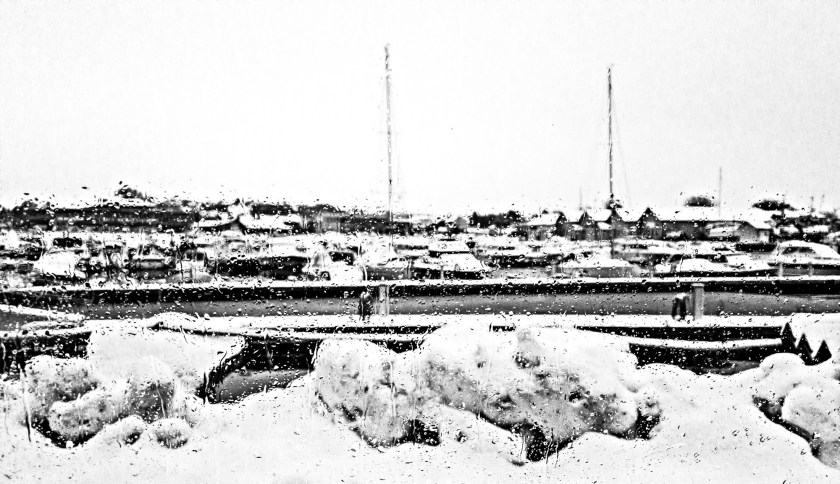
This is a spot where I sometimes eat my lunch. In the winter there is not so much change, besides the coming and going of the snow, but in the summer, you can see sailboats from all over the world. I find a small sailboat with a couple of people on board that sail the world endlessly intriguing. It’s like a little capsule where you can go in and literally sail away from the world into your own. It is a long-time dream of mine to do that to, and one day I will. But for now it’s just watching the harbor and eating my sandwiches.

Human all too human: 30. Bad habits in reasoning

Human all too human

Reading Friedrich Nietzsche’s Human all too human

Read the introduction here

You can read the aphorism I discuss here in English and German below the main article.

My take on it.

Mankind has the following bad habits: a thing exists; therefore it has a right to exist, it lives efficient and therefor it has the right to live. The next one is: the opinion that brings happiness is therefore true, this result gets labeled good as in useful (happiness is useful) And the opinion is also good but now logically (the opinion is logical). The opposite of this is: something does not work and is thus bad and an opinion causes pain and is thus true. A free spirit suffers under these “rules” and can mistakenly turn them around and say: if something does not work it is true or a distressing opinion is true because it is distressing.

In one sentence:

Reasoning follows often the beaten track mistakenly both up an downhill.

Synopsis, quote from the translation by Helen Zimmern and my take on it

The usual false conclusions of mankind are these: Mankind has the following bad habits: a thing exists, therefore it has a right to exist, the reasoning goes from it can live, to it is efficient in it and therefore it has the right to live. It lives efficient and therefor it has the right to live. Then: an opinion brings happiness; therefore, it is the true opinion, its effect is good; therefore, it is itself good and true. The next one is: the opinion that brings happiness is therefore true, Here the results get labeled good as in useful this result gets labeled good as in useful (happiness is useful) and the cause (the opinion) of that gets the same label (good) but now as logical instead of useful. And the opinion is also good but now logically. The opposite of this is that an affair cannot be carried through, or maintained, therefore it is wrong; an opinion causes pain or excites, therefore it is false. The opposite of this is: something does not work and is thus bad and an opinion causes pain and is un true. The free spirit that suffers under these modes of reasoning frequently gives way to the temptation to draw the very opposite conclusions, which, in general, are naturally just as false: an affair cannot be carried through, therefore it is good; an opinion is distressing and disturbing, therefore it is true. A free spirit suffers under these “rules” and can mistakenly turn them around and say: if something does not work it is true or a distressing opinion is true because it is distressing.


Human, all too human a book for free spirits Part I translated by Helen Zimmern 1909

  1. BAD HABITS IN REASONING.—The usual false conclusions of mankind are these : a thing exists, therefore it has a right to exist. Here there is inference from the ability to live to its suitability ; from its suitability to its rightfulness. Then : an opinion brings happiness ; therefore it is the true opinion. Its effect is good ; therefore it is itself good and true. To the effect is here assigned the predicate beneficent, good, in the sense of the useful, and the cause is then furnished with the same predicate good, but here in the sense of the logically valid. The inversion of the sentences would read thus: an affair cannot be carried through, or maintained, therefore it is wrong ; an opinion causes pain or excites, therefore it is false. The free spirit who learns only too often the faultiness of this mode of reasoning, and has to suffer from its consequences, frequently gives way to the temptation to draw the very opposite conclusions, which, in general, are naturally just as false : an affair cannot be carried through, therefore it is good ; an opinion is distressing and disturbing, therefore it is true.

Menschliches allzu menschlich 1878/80

  1. Schlechte Gewohnheiten im Schliessen. – Die gewöhnlichsten Irrschlüsse der Menschen sind diese: eine Sache existirt, also hat sie ein Recht. Hier wird aus der Lebensfähigkeit auf die Zweckmässigkeit, aus der Zweckmässigkeit auf die Rechtmässigkeit geschlossen. Sodann: eine Meinung beglückt, also ist sie die wahre, ihre Wirkung ist gut, also ist sie selber gut und wahr. Hier legt man der Wirkung das Prädicat beglückend, gut, im Sinne des Nützlichen, bei und versieht nun die Ursache mit dem selben Prädicat gut, aber hier im Sinne des Logisch-Gültigen. Die Umkehrung der Sätze lautet: eine Sache kann sich nicht durchsetzen, erhalten, also ist sie unrecht; eine Meinung quält, regt auf, also ist sie falsch. Der Freigeist, der das Fehlerhafte dieser Art zu schliessen nur allzu häufig kennen lernt und an ihren Folgen zu leiden hat, unterliegt oft der Verführung, die entgegengesetzten Schlüsse zu machen, welche im Allgemeinen natürlich ebenso sehr Irrschlüsse sind: eine Sache kann sich nicht durchsetzen, also ist sie gut; eine Meinung macht Noth, beunruhigt, also ist sie wahr.

Sources:

I will read a Dutch translation that is based on the work of researchers Colli and Montinari. I also use a translation from R.J.Hollingdale and the Gary Handwerk translation from the Colli-Montinari edition. Both are more modern than the copyright free translation I use here. This is a translation from 1909 by Helen Zimmern, who knew Nietzsche personally, but there was no critical study of Nietzsche’s work done back then and this translation suffers from that. The same goes for the translation from Alexander Harvey. My German is not good enough to pretend that I can translate it better than the professionals do but I will use the original as a referee.

  1. Menselijk al te menselijk een boek voor vrije geesten, translated by Thomas Graftdijk, 2000. Buy it here
  2. Human, all too human a book for free spirits, translated by R.J.Hollingdale, 1986
  3. Human, all too human a book for free spirits I V3, translated by Gary handwerk 1997
  4. Human, all too human a book for free spirits Part I, translated by Helen Zimmern 1909. Read it  here
  5. Human, all too human a book for free spirits, translated by Alexander Harvey, 1908. Read it here
  6. Menschliches allzu menschlich 1878/80. Read it here


Day 629, about art.

Day's pictures

Day 629-1

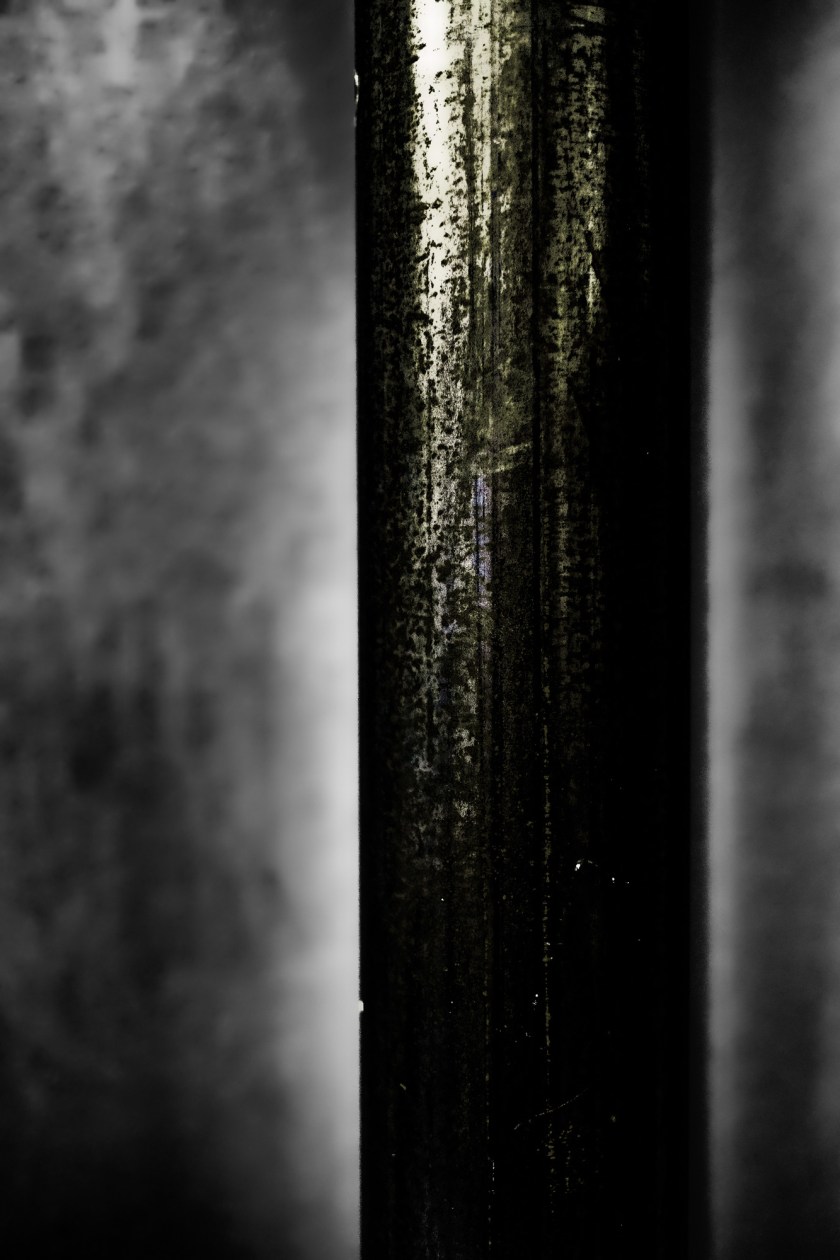
I have a pipe in my office and I took a picture of it. I like taking pictures of ordinary things. In this case I played around with the original picture till this came to me. I normally don’t know where I go when I manipulate pictures, I follow some routines, go there, ctrl-z and at some point, it’s there. Most of the time I really like what I made but only time will tell if I was deceived.

Rant: I also don’t like to control my appreciation for someone else’s art or pictures. But I draw the line if I don’t know if that fire extinguisher on the wall is part of the exhibition or is there by law. That is the kind of art that needs a lot of words to explain and therefore is no longer art. Visual art for me is something that fits like a puzzle in your mind and its only role is to please and  to let you appreciate the craftsmanship. Leave the stories to the story tellers and philosophy to the philosophers. Artist are the biggest liars because they can delve into the deepest well of imagination and ask of us to decipher their brains exhausts. Pretentious art is not for me, showing your deepest fear is like telling me about your pain when all you did was growing up in our comfortable society, we have to invent our pain these days, its fake. And finally watermarking your photography is the ultimate pretense, there is no originality anymore so don’t pretend you are and if money is the reason for life, I’m sorry for you.

Human all too human: 29. Intoxicated by the scent of the blossoms

Human all too human

Reading Friedrich Nietzsche’s Human all too human

Read the introduction here

You can read the aphorism I discuss here in English and German below the main article.

My take on it.

Deep thoughts make us better than animals, and we will get closer to the essence of the world, but we prefer religion or art over science to get there. But these are not better ways to understand the world. This error made man deep and it gave us religion and art. Pure knowledge could not have brought does two in the world, because whoever shows us the real world bring disillusion. The world of art and religion is so wonderful and brings all kinds of emotions. because of this they deny the real world of knowledge. This results in a philosophy that logically (Does F.N. mean that the depth of their world is their justification?) denies the real world and this view can still be combined with affirming or denying the real world.

In one sentence:

The real world can exist together with the deniers.

 Synopsis, quote from the translation by Helen Zimmern and my take on it

It is believed that the deeper man thinks, the more delicately he feels the higher he rises above the animals, Deep thoughts make us better than animals, the nearer will he approach the real essence of the world and its knowledge. and we will get closer to the essence of the world,  Man does that through science, but he likes to do it more through art and religions. But we prefer religion or art over science to get there. These certainly are blossoms of the world, but by no means any nearer to the root of the world than the stalk. But it is not a better way for understanding the nature of things although most believe so. But these are not better ways to understand the world. Error has made man so deep, sensitive, and inventive that he has put forth such blossoms as religions and arts. This error made man deep and it gave us religion and art, Pure knowledge could not have been capable of it. pure knowledge could not have brought does two in the world, Whoever shows us the real world will bring us the most disagreeable disillusionment1. because whoever shows us the real world bring disillusion. Not the world as thing-in-itself, but the world as representation (as error) is so full of meaning, so deep, so wonderful, bearing happiness and unhappiness in its lap. The world of art and religion is so wonderful and brings all kinds of emotions. This result leads to a philosophy of the logical denial of the world, which, because of this they deny the real world. however, can be combined with a practical world-affirming just as well as with its opposite. This results in a philosophy that logically (Does F.N. mean that the depth of their world is their justification?) denies the real world and this view can still be combined with affirming or denying the real world.

1 A feeling of disappointment resulting from the discovery that something is not as good as one believed it to be.


Human, all too human a book for free spirits Part I translated by Helen Zimmern 1909

  1. INTOXICATED BY THE SCENT OF THE BLOSSOMS.—It is supposed that the ship of humanity has always a deeper draught, the heavier it is laden ; it is believed that the deeper a man thinks, the more delicately he feels, the higher he values himself, the greater his distance from the other animals,—the more he appears as a genius amongst the animals,—all the nearer will he approach the real essence of the world and its knowledge; this he actually does too, through science, but he means to do so still more through his religions and arts. These certainly are blossoms of the world, but by no means any nearer to the root of the world than the stalk ; it is not possible to understand the nature of things better through them, although almost every one believes he can. Error has made man so deep, sensitive, and inventive that he has put forth such blossoms as religions and arts. Pure knowledge could not have been capable of it. Whoever were to unveil for us the essence of the world would give us all the most disagreeable disillusionment. Not the world as thing-in-itself, but the world as representation (as error) is so full of meaning, so deep, so wonderful, bearing happiness and unhappiness in its bosom. This result leads to a philosophy of the logical denial of the world, which, however, can be combined with a practical world-affirming just as well as with its opposite.

Menschliches allzu menschlich 1878/80

  1. Vom Dufte der Blüthen berauscht. – Das Schiff der Menschheit, meint man, hat einen immer stärkeren Tiefgang, je mehr es belastet wird; man glaubt, je tiefer der Mensch denkt, je zarter er fühlt, je höher er sich schätzt, je weiter seine Entfernung von den anderen Thieren wird, – je mehr er als das Genie unter den Thieren erscheint, – um so näher werde er dem wirklichen Wesen der Welt und deren Erkenntniss kommen: diess thut er auch wirklich durch die Wissenschaft, aber er meint diess noch mehr durch seine Religionen und Künste zu thun. Diese sind zwar eine Blüthe der Welt, aber durchaus nicht der Wurzel der Welt näher, als der Stengel ist: man kann aus ihnen das Wesen der Dinge gerade gar nicht besser verstehen, obschon diess fast jedermann glaubt. Der Irrthum hat den Menschen so tief, zart, erfinderisch gemacht, eine solche Blüthe, wie Religionen und Künste, herauszutreiben. Das reine Erkennen wäre dazu ausser Stande gewesen. Wer uns das Wesen der Welt enthüllte, würde uns Allen die unangenehmste Enttäuschung machen. Nicht die Welt als Ding an sich, sondern die Welt als Vorstellung (als Irrthum) ist so bedeutungsreich, tief, wundervoll, Glück und Unglück im Schoosse tragend. Diess Resultat führt zu einer Philosophie der logischen Weltverneinung: welche übrigens sich mit einer praktischen Weltbejahung ebensogut wie mit deren Gegentheile vereinigen lässt.

Sources:

I will read a Dutch translation that is based on the work of researchers Colli and Montinari. I also use a translation from R.J.Hollingdale and the Gary Handwerk translation from the Colli-Montinari edition. Both are more modern than the copyright free translation I use here. This is a translation from 1909 by Helen Zimmern, who knew Nietzsche personally, but there was no critical study of Nietzsche’s work done back then and this translation suffers from that. The same goes for the translation from Alexander Harvey. My German is not good enough to pretend that I can translate it better than the professionals do but I will use the original as a referee.

  1. Menselijk al te menselijk een boek voor vrije geesten, translated by Thomas Graftdijk, 2000. Buy it here
  2. Human, all too human a book for free spirits, translated by R.J.Hollingdale, 1986
  3. Human, all too human a book for free spirits I V3, translated by Gary handwerk 1997
  4. Human, all too human a book for free spirits Part I, translated by Helen Zimmern 1909. Read it  here
  5. Human, all too human a book for free spirits, translated by Alexander Harvey, 1908. Read it here
  6. Menschliches allzu menschlich 1878/80. Read it here


Human all too human: 28. Ill famed words

Human all too human

Reading Friedrich Nietzsche’s Human all too human

Read the introduction here

You can read the aphorism I discuss here in English and German below the main article.

My take on it.

The words optimism and pessimism are now useless. The only optimist is one that defends the perfect world of God, and wat thinker believes in a God. The pessimist can only attack the theologians by proclaiming that the world is bad, but who attacks theologians nowadays? Besides the theology and the struggle against it, the world is not good and not bad, only humans(optimist/pessimist) can be “good and bad”, and these words might not be used in the right way here3. We must get rid of the idea of a good and bad world.

In one sentence:

Heathens and saints are bad and human, the world is neutral.

Synopsis, quote from the translation by Helen Zimmern and my take on it

Away with those overused words optimism and pessimism! There is not much use for them anymore. The words optimism and pessimism are now useless. Only the chatterboxes (Schwätzer1) uses it. Why would you be an optimist unless he had a God to defend who must have created the best of worlds if he himself be goodness and perfection, but who needs the hypothesis of a God? The only optimist is one that defends the perfect world of God and what thinker believes in a God. But there is no need for the pessimist if we are not interested in harassing the defenders of god, the theologians, or the theologizing philosophers and forcefully defending the opposite point of view: that evil reigns, that pain is greater than pleasure, that the world is a bungled piece of work, the manifestation of an ill-will to life. The pessimist can only attack the theologians by proclaiming that the world is bad, but who attacks theologians nowadays? But who still bothers about the theologians now— except the theologians? Apart from all theology and its contentions2, Besides the theology and the struggle against it,  it is quite clear that the world is not good and not bad the world is not good and not bad, (to say nothing of its being the best or the worst), and that the terms ” good ” and ” bad ” have only significance with respect to man, only humans can be and indeed, perhaps, they are not justified even here in the way they are usually employed; “good and bad”, and these words might3 not been used in the right way here. We must get rid of the idea of a good and bad world.

1Schwätzer (From the original text): rattler, chatterbox, chatterer, windbag, gasbag, gossip

2 Zimmern and Harvey translated “Bekämpfung“ with contention and antagonism, you can also translate it with argument or disagreement. In Zimmern and Harveys words: the theologians have a disagreement: “Apart from all theology and its contentions”. I assume the theology disagree with the disbelievers. The other translators made that clearer despite that Zimmern and Harvey were more correct/literal in their translations.  Hollingale translates it as: “Disregarding theology and opposition to theology “, Handwerk translate it as: “Apart from all theology and struggle against it”, and the Dutch translation does it in a similar way, they all explain it.

3Good and bad…are not justified even here in the way they are usually employed“ At this moment I don’t know what Nietzsche means with “usually employed”, what is the normal situation you use the words good and bad and why can you not use it in this situation?


Human, all too human a book for free spirits Part I translated by Helen Zimmern 1909

  1. ILL-FAMED WORDS.—Away with those wearisomely hackneyed terms Optimism and Pessimism ! For the occasion for using them becomes less and less from day to day ; only the chatterboxes still find them so absolutely necessary. For why in all the world should any one wish to be an optimist unless he had a God to defend who must have created the best of worlds if he himself be goodness and perfection,—what thinker, however, still needs the hypothesis of a God ? But every occasion for a pessimistic confession of faith is also lacking when one has no interest in being annoyed at the advocates of God (the theologians, or the theologising philosophers), and in energetically defending the opposite view, that evil reigns, that pain is greater than pleasure, that the world is a bungled piece of work, the manifestation of an ill-will to life. But who still bothers about the theologians now— except the theologians ? Apart from all theology and its contentions, it is quite clear that the world is not good and not bad (to say nothing of its being the best or the worst), and that the terms ” good ” and ” bad ” have only significance with respect to man, and indeed, perhaps, they are not justified even here in the way they are usually employed ; in any case we must get rid of both the calumniating and the glorifying conception of the world.

Menschliches allzu menschlich 1878/80

  1. Verrufene Worte. – Weg mit den bis zum Ueberdruss verbrauchten Wörtern Optimismus und Pessimismus! Denn der Anlass, sie zu gebrauchen, fehlt von Tag zu Tage mehr: nur die Schwätzer haben sie jetzt noch so unumgänglich nöthig. Denn wesshalb in aller Welt sollte jemand Optimist sein wollen, wenn er nicht einen Gott zu vertheidigen hat, welcher die beste der Welten geschaffen haben muss, falls er selber das Gute und Vollkommene ist, – welcher Denkende hat aber die Hypothese eines Gottes noch nöthig? – Es fehlt aber auch jeder Anlass zu einem pessimistischen Glaubensbekenntniss, wenn man nicht ein Interesse daran hat, den Advocaten Gottes, den Theologen oder den theologisirenden Philosophen ärgerlich zu werden und die Gegenbehauptung kräftig aufzustellen: dass das Böse regiere, dass die Unlust grösser sei, als die Lust, dass die Welt ein Machwerk, die Erscheinung eines bösen Willens zum Leben sei. Wer aber kümmert sich jetzt noch um die Theologen – ausser den Theologen? – Abgesehen von aller Theologie und ihrer Bekämpfung liegt es auf der Hand, dass die Welt nicht gut und nicht böse, geschweige denn die beste oder die schlechteste ist, und dass diese Begriffe “gut” und “böse” nur in Bezug auf Menschen Sinn haben, ja vielleicht selbst hier, in der Weise, wie sie gewöhnlich gebraucht werden, nicht berechtigt sind: der schimpfenden und verherrlichenden Weltbetrachtung müssen wir uns in jedem Falle entschlagen.

Sources:

I will read a Dutch translation that is based on the work of researchers Colli and Montinari. I also use a translation from R.J.Hollingdale and the Gary Handwerk translation from the Colli-Montinari edition. Both are more modern than the copyright free translation I use here. This is a translation from 1909 by Helen Zimmern, who knew Nietzsche personally, but there was no critical study of Nietzsche’s work done back then and this translation suffers from that. The same goes for the translation from Alexander Harvey. My German is not good enough to pretend that I can translate it better than the professionals do but I will use the original as a referee.

  1. Menselijk al te menselijk een boek voor vrije geesten, translated by Thomas Graftdijk, 2000. Buy it here
  2. Human, all too human a book for free spirits, translated by R.J.Hollingdale, 1986
  3. Human, all too human a book for free spirits I V3, translated by Gary handwerk 1997
  4. Human, all too human a book for free spirits Part I, translated by Helen Zimmern 1909. Read it  here
  5. Human, all too human a book for free spirits, translated by Alexander Harvey, 1908. Read it here
  6. Menschliches allzu menschlich 1878/80. Read it here


Day 627, mass graves.

Day's pictures

Day 627-1

This picture of some rocks protruding out of the water remind me of some abstract style of painting I have seen before. I see a lot of agony, crawling and screaming, maybe that’s just me.

I read a lot of books, I follow the news and I sometimes wonder why. The house I live in now is old, there is no landline or cable, and in the house, we have no cellphone connection. For that we must go out looking for one, people cannot call us for that reason. Because I wanted internet I had to install a strong directional antenna on top of the hill behind my house for a decent 4G signal. This all works pretty good, but I wonder what it would be like if I didn’t had internet, and therefore no contact with the world. At my job I don’t need to talk about the news, so I would be pretty much out of the loop, well after I also throw away my cellphone…Donald Trump, who is that? How many dead? What nuclear bomb?

But even if I hear the news, most of the it doesn’t affect me…so why does it still torturing me? My fiancé is American, that way I have some family over there, but I still wonder why I reacted so strongly last year when the election results came in. I woke up in the middle of the night to follow those debates and the elections…I don’t know why. And when it got elected I was angry, I uninstalled all my news apps and wanted nothing more to do with the world. That lasted maybe a day, but I still don’t know why something that doesn’t directly impact me made me so angry.

I knew it all along off course but like in that picture, you sometimes get overwhelmed and pulled along with the current screaming and kicking. If you study history enough than you will see thing happening again and again. I don’t think that America is a fascist country yet but having set that, this is the same way the fascist came to power. It is so easy in a democracy to stir people up and let them believe the strangest things. And I am pretty sure that Trump and his supporters would have been on the side of Hitler had they lived there and then. And I’m not angry at Trump, he’s just a dumb rich guy stumbling through his easy life, I’m angry at all the people that voted for them, I’m angry that people have not learned the lessons from history. And I’m extra angry at the people in Holland, where I grew up, where they also have some proto fascist longing for power and getting it.

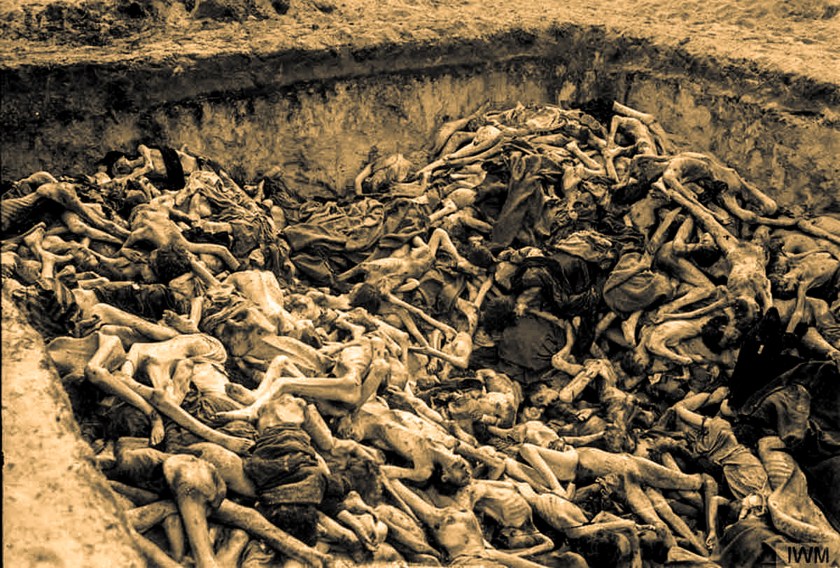
BU 3741I wrote in the beginning about what I see in that picture of the rocks…it reminds me of the mass graves that were discovered by the Russians and Americans in and around the concentration camps when ww2 was almost over. In Nazi Germany millions of normal, God obeying people helped killing millions of other people, their neighbors in many cases. Millions of people around the world have that same seed of hate in them as the Nazi’s did.

I can go on and on about this, and, I will. I keep my internet, and to quell the helplessness I feel I write about, and study it so that I at least can say that I tried. I wished that more people did that and learn from history.

Day 626, look closer.

Day's pictures

Day 626-1

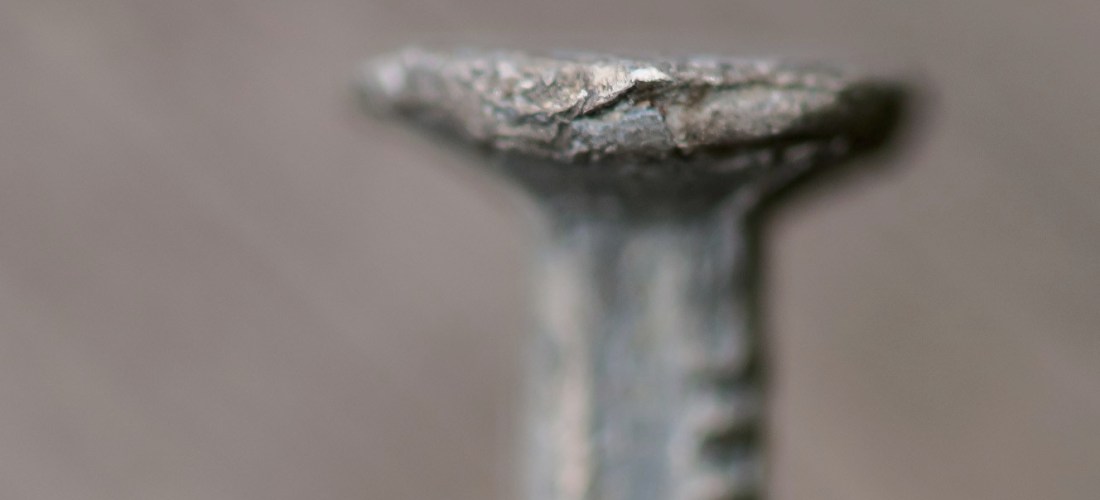
I like taking pictures of details from ordinary things, when there are only a few parts in focus. It reminds me of real life where our eyes have everything in focus all the time. Where our minds see also a picture as in a cinema, nice in focus, fare away and big. But when you go out of focus, get closer, and only see the little details you might be surprised.

In the summer I like to take closeup pictures of insects. When I walk in the garden I see no insects, maybe a fly or a bee but not much more, so where to go? Normally I will go sit in the grass close to some bushes and just wait. I lean a little bit closer to the ground maybe and then you slowly start to see a whole new world. First you see nothing but take some time, study the surrounding and you see things you would normally never see. This is analogues to real life: you have an idea; an opinion is welling up, you see it in front of you and an emotion takes over, whispers to you the thoughts that come first. But what if you sit down, in the grass there by the bushes. You let your mind settle down and slowly you wait till the details come insight. Maybe you discover the small creatures crawling in your thoughts that unknown to you where guiding your thoughts that you had when you were standing just there before. Life and living keeps so much more hidden for you if you don’t take the time to question yourself.

Here you can see some of the pictures I have taken while sitting in my garden.

Torgunn Katrine

My work

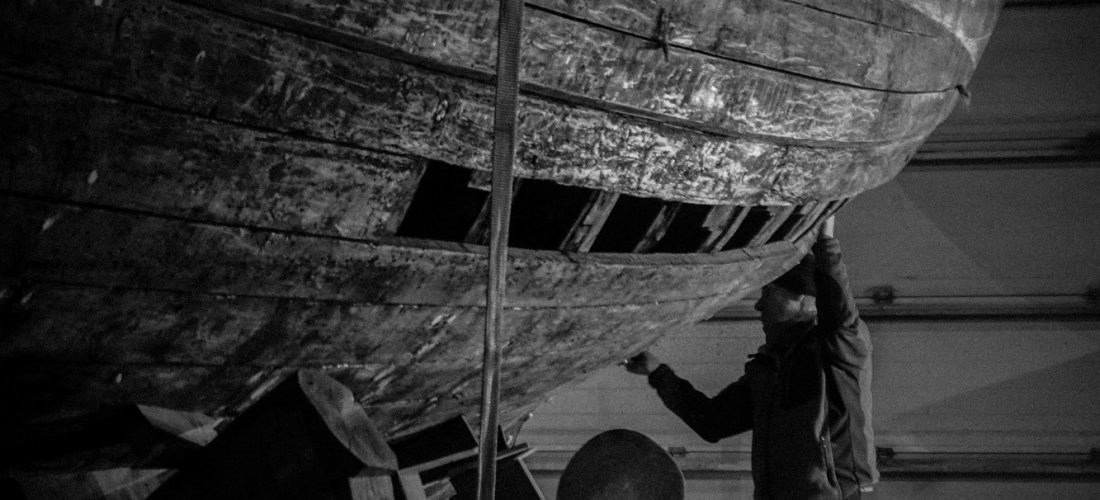
For the last 3 years I have worked for a coastal museum in Rørvik (Kystmuseet Norveg). I restore old wooden buildings that are part of the collection and I also restore Torgunn Katrine, a 40ft wooden fishing boat from 1936. The pictures you see here are from that project. It is a small museum with only two craftsmen. My colleague restores mainly buildings and I do most of the work on the boats we have. Torgunn is a big project of at least 4000-man hours. I have a student and some temporary help and if everything goes well we will be ready next summer. I will tell more in an upcoming post.

Here is a link to the website of the museum where I work: kystmuseetnorveg

Video from 2016 about Torgunn Katrine

Some more recent pictures.

Some fancy pictures.

Day 625, refuge.

Day's pictures

Abstract rust

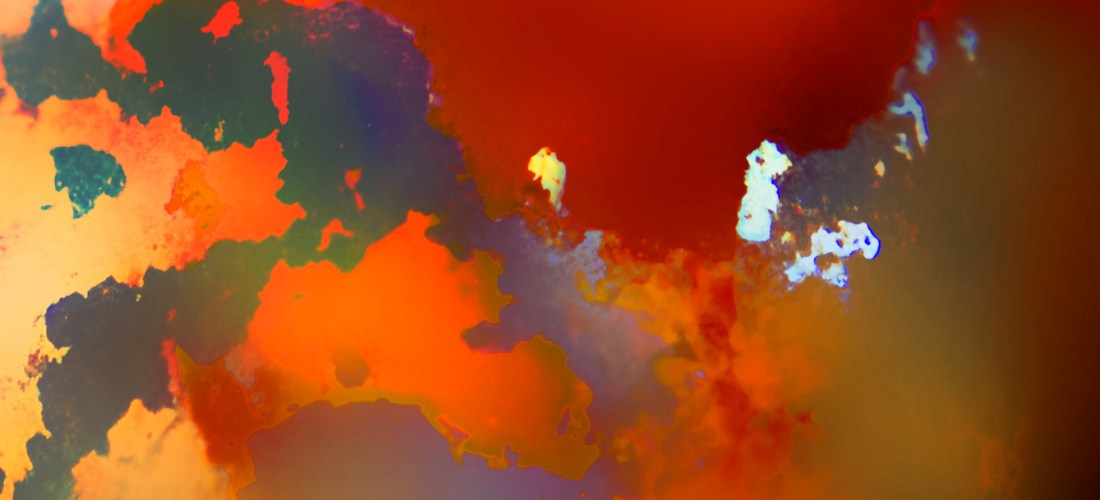
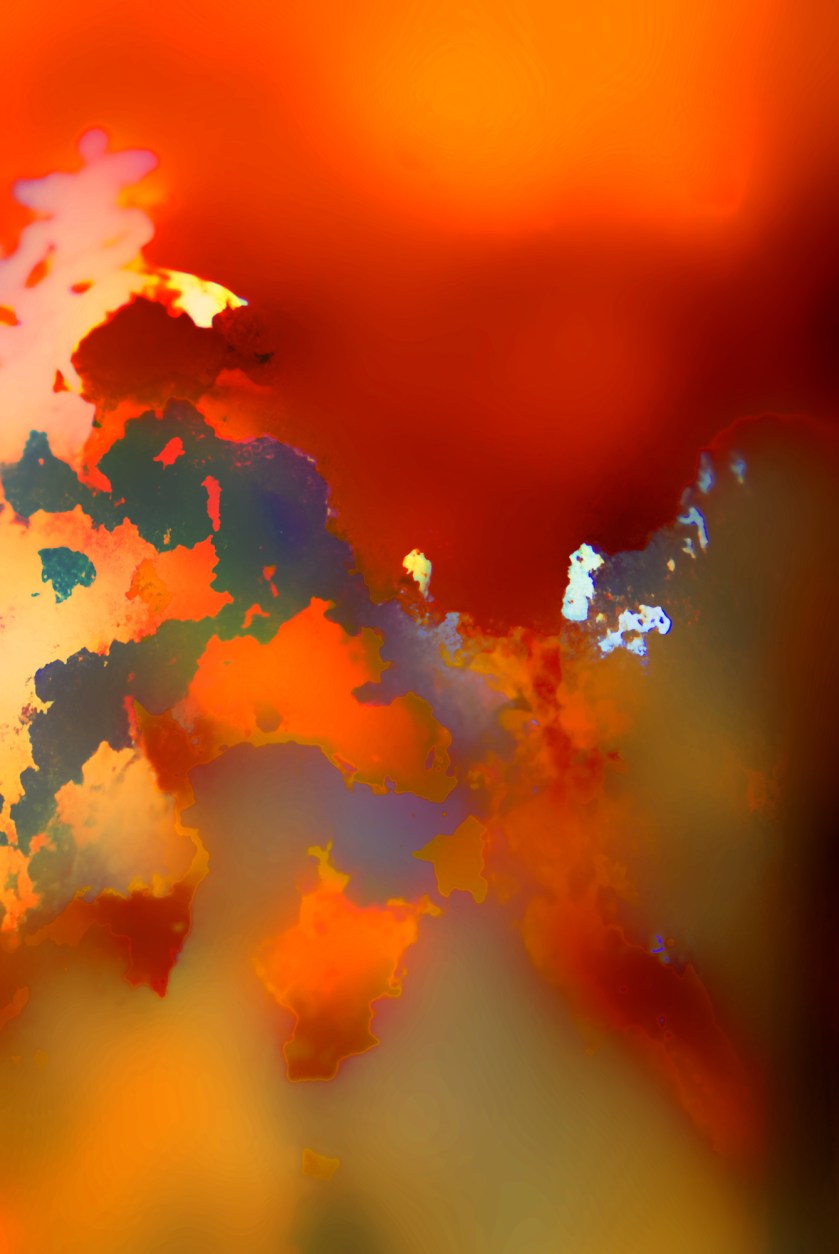
This is a picture of a rusty pipe. With some adjustments it looks cool, if I may say so. Like colorful lava floating around, breaking away…Yesterday I wrote about America and the innocent lives that got destroyed because of an unnecessary war. I wondered, in that story, how people could live in a country like that. Someone asked me what I would do…Well, I live In Norway, I moved here from the Netherlands about 10 years ago. There are several reasons why I chose for Norway and to move away from Holland, but the reason that I left is complicated. It all started (well most of it) when I came back from Cambodia, where I worked as a Dutch* Marine. Working in a country where the people had nothing besides a bamboo hut and a hole in the ground to cook on, and then coming back to a country where even the poorest have all the basics checked, and hear everybody complain, and complain… And it was not a money thing, poor vs rich or injustice. It was the lack of perspective. The problems we have in a rich country like Holland are not real problems. If everybody in the world has a meal, a school education and something to live for, then we “can sweat the small stuff”. It is difficult to describe what I felt but its like that naked king story and no one says something about it. I didn’t understand how we could live our lives knowing that the world was broken. I didn’t understand why not everybody was talking about that. And I studied it, and started to learn why it is, but knowing reasons for it didn’t take away the unrest I had.  I didn’t belong there any more, there was a black hole in front of me where there should be a future. I sometimes jokingly say that I am a political refugee, and if you extend the fear of bodily harm to mental harm that society inflicts on you because of your ideas, then there is some truth in that joke. I moved to Norway because that was something I talked about for years. I restore wooden boats, my nearest neighbor lives 2 kilometers away and the best thing is that I am a guest here, and if you are someone’s guest you don’t complain about their way’s, well not too much, I’m still Dutch.

*I am Dutch, and I live in the Netherlands or Holland, but historically Holland is the name of the two provinces in the western part: Noord-Holland and Zuid-Holland. As a Dutch-man we mix those two but officially it is: I live in the Netherlands. As a Dutch-man we can also say: Ik spreek Nederlands (I speak Netherlands), or ik spreek Hollands (I speak Hollands), but a foreigner can only say: I speak Dutch. To make it more complicated: if you speak Dutch you can also say that you speak Belgium, or Flemish, that’s what the people in Belgium do when they get asked what languish they speak, some might even say that they speak Dutch.   I don’t know why it is so complicated, if you know an other country that is similar I would like to know.

Day 624

Day's pictures

Day 624-1

Warning by

PURE at heart we wander now:
Comrade on the quest divine,
Turn not from the stars your brow
That your eyes may rest on mine.

Pure at heart we wander now:
We have hopes beyond to-day;
And our quest does not allow
Rest or dreams along the way.

We are, in our distant hope,
One with all the great and wise:
Comrade, do not turn or grope
For some lesser light that dies.

We must rise or we must fall:
Love can know no middle way:
If the great life do not call,
Then is sadness and decay.

George William Russell

Fat naked people

Society

Day 259-1I wanted to no more about civilian casualties of war, or Collateral damage. While doing research on the internet I came upon this site from the Watson Institute. The article goes about civilian casualties in wars that America started. They did research that shows that “The wars in Iraq, Afghanistan, and Pakistan have taken a tremendous human toll on those countries. As of March 2015, approximately 210,000 civilians have died violent deaths as a result of the wars.” There are other numbers to, if you search for Casualties of the Iraq War you will find among others this wiki page that reads: “Official estimates of Iraq War casualties range from 110,000 to 460,000. Other estimates, such as the 2006 Lancet study, and the 2007 Opinion Research Business survey, put the numbers as high as 650,000 and 1.2 million respectively”. If even big institutes and universities can’t make up their mind with all their available resources than I, sitting behind my computer, will of course never find out the truth. But if you assume it is the lowest number, and only for the war that America started in Iraq in 2003, than 110,000-civilian’s casualties are still a lot.

Maybe I am crazy, but I immediately see in front of me a dull meeting room. In this room there is some bad lightning, lukewarm coffee and numbers scribbled on a board. There are a couple of people sitting at a big table, It looks like all middle-aged white man. They discuss the tolerated number of casualties of the war they are about to start. They sit there all smug. Probably thinking in themselves: “look at me, sitting here at the big table, making big decision, I am so serious, I am so important…wonder what’s for dinner tonight”. But it’s true, there was a table like that, in a room like that, with just a few old, probably fat and white, guys deciding over the willful killing of thousands of civilians, and every war kills civilians. They might claim it’s the state that goes to war, and they are just the tools that do it, but…
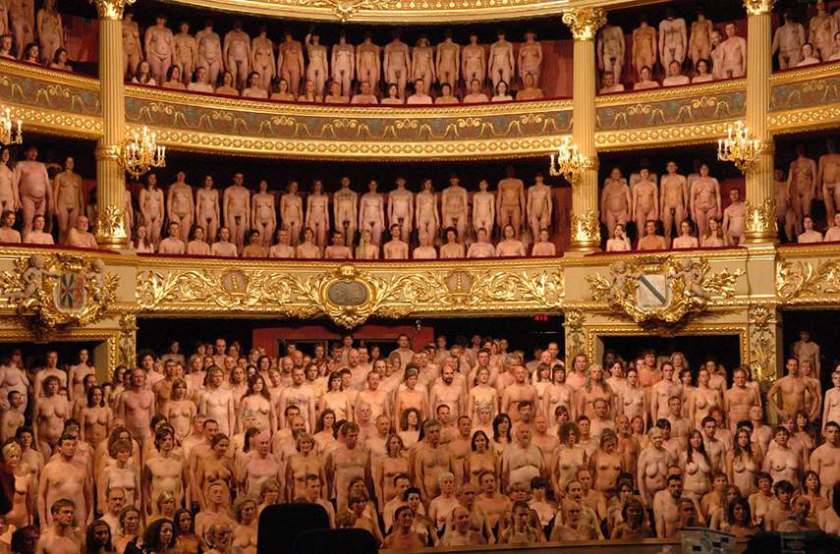
Specner-Tunick-Stadschouwburg-theatre-2014

Spencer Tunick – Widewalls

Picture this: try to see everybody naked in a big field. Naked we are all the same, without all the bells and whistles you will never know if that person is a hairdresser, a plumber or a congressman. We are all the same in that imaginary naked world but for some reason these fat white men started pointing at some people by a tree with a comfortable couch. The fat men give the order to kill them, they want the couch. These followers do that and… some bystanders get also killed. If you take away all the bells and whistles you end up with this picture. Collateral damage is what they call it, but at the end that is not what it is, It’s just a bunch of people that wanted something no matter the cost they, don’t care that some bystanders might die. Observing a group of naked people doing this ritual would surely make you wonder, put them some cloth on and call them president and general and it suddenly makes more sense…sadly, now it fits in a whole familiar narrative.

Every person that died in such an unjust war is murdered.

I’m not against war, if in the imaginary field full of naked people someone start beating his neighbor to death and you send your strongest friend there to stop him, first with words off course, and he accidentally hit the murderers younger brother that was standing to close. You might cal it collateral damage where an innocent bystander got hit, but there was a good cause. (I know, where do you draw the line, but morals without a line are no morals, passivism is no solution) It is generally agreed on that the Iraq war was not necessary and if there was a stronger power than America we would have seen some self-righteous American statesmen on the stand in Den Haag. Every person that died in such an unjust war is murdered. Nietzsche has this idea that morals get their value from the powerful, and he is right in that, America is not punished for the murder of more than 100,000 innocent bystanders because they are the most powerful country and can make the rules. Most Americans still go to bed without thinking about that, they just don’t seem to care. Would you stay in a country that murdered 100,000 man, woman and children?

If the Nuremberg laws were applied, then every post-war American president would have been hanged. Noam Chomsky
I struggle with these things, I like America, my fiancé is from America, I’ve been there several times, I wouldn’t mind living there for a while, I like going to the zoo. Its a beautiful country. Hollywood has softened my critical mind. The “idea of America” is almost always influenced by the media at large. Movies, comedy shows, news and so on. They all paint a picture, positive or negative, but they paint it. America is a big country, friendly people, racism, hamburgers, religious, funny presidents, ridiculous wealthy people, red

 

genghis-khan-

Mongolian warrior and ruler Genghis Khan created the largest empire in the world, the Mongol Empire, by destroying individual tribes in Northeast Asia. biography.com

necks, new Yorker’s, guns, American dream, poverty, and off course their wars. And If you slightly lift the Hollywood vail in front of your critical mind, you also see that Americans are not really interested in the rest of the world, I see this fake “Hollywood America” that is as narcissistic, nihilistic and schizophrenic as can be, but also has an air of innocence and naivete over itself. That’s how I see America, and that is a different picture than I have of a Hitler-Germany, a Stalin-USSR or a Mao-China, but they have something in common. They all rationalize their murderers rule over there subjects. And yes, I think we are all, the whole world, subjects of America. They have by far the most powerful military and culture in the world. They can pollute what they want, bully other countries, and start wars when they see fit. That kind of power corrupts and they are masters in rationalizing it.  In 500 years, when their power and culture is no longer dominant, they will write about America in the 21st century in a similar way as we now write about Genghis Khan or the Conquistadors. We write about these murderer’s figures and groups, there adventures and complement it with some hard facts about them, including a list of there wars and casualties. That’s it, in 500 years America will be reduced to some anecdotes in a corner of a history book, and a list next to it of all the peoples it murdered.

I know (of) a lot of good Americans but I don’t think it matters when the current is so strong against them, they will also be judged by time an get lost…maybe we all are.


“What I relate is the history of the next two centuries. I describe what is coming, what can no longer come differently: the advent of nihilism. . . . For some time now our whole European culture has been moving as toward a catastrophe, with a tortured tension that is growing from decade to decade: restlessly, violently, headlong, like a river that wants to reach the end. . . .” Friedrich Nietzsche

Nihilism is a natural consequence of a culture (or civilization) ruled and regulated by categories that mask manipulation, mastery and domination of peoples and nature.” Cornel West



Human all too human: 27. A substitute for religion.

Human all too human

Reading Friedrich Nietzsche’s Human all too human

Read the introduction here

You can read the aphorism I discuss here in English and German below the main article.

My take on it.

It is praised to substitute religion with philosophy as a religion for the people. When you balance your mind its sometimes good to step aside on a temperate mindset like philosophy. The transition can be dangerous. A philosophy can either satisfy or eradicate irrational Christian believes. These irrational believes are limited and contradict science. It is better to use art for the final transition because the irrational believes of the Cristian mind reacts better to art than to science. because art keeps the emotion less alive than metaphysical philosophy does. From art you can move on to a really liberating science.

 In one sentence:

To overcome irrational believes, use art to get to science.

 Synopsis, quote from the translation by Helen Zimmern and my take on it

It is believed that something good is said of philosophy when it is put forward as a substitute for religion for the people. It is praised to substitute religion with philosophy as a religion for the people. In fact, transitional zones of thought are occasionally necessary in the spiritual economy”. (Handwerk translation) 1 When you balance your mind its sometimes good to step aside on a temperate mindset like philosophy. The transition from religion to science can be dangerous. The transition can be dangerous. To this extent the recommendation is justifiable. But eventually we have to learn that the needs that religion satisfied, and that are now satisfied by philosophy can be weakened and eradicated. Think, for instance, of the Christian’s distress of soul, his sighing over inward corruption, his anxiety for salvation,—all notions which originate only in errors of reason and deserve not satisfaction but destruction. A philosophy can serve either to satisfy those needs or to set them aside A philosophy can either satisfy or eradicate irrational Christian believes. for they are acquired, temporally limited needs, and contradict science. These irrational believes are limited and contradict science. For the task of switching over to science from religion it is much better to use art to relieve the mind of emotions, It is better to use art for the final transition because the irrational believes of the Cristian mind reacts better to art than to science. for those notions receive much less support from it than from a metaphysical philosophy. because art keeps the emotion less alive that metaphysical philosophy does. From art you can move on to a really liberating science.
1The translators made a real mess out of this sentence. I think that Handwerk comes closest to the spirit of the text, judge for your self.

In der Tat bedarf es in der geistigen Ökonomie gelegentlich überleitender Gedankenkreise

In fact, in spiritual economy occasionally there is a need for a series of thought-processes (Google 2017)

In fact, transitional zones of thought are occasionally necessary in the spiritual economy. (Handwerk 2000)

The economy of the spirit does indeed occasionally require transitional orders of ideas (Hollingdale 1986)

in the spiritual economy there is need, at times, of an intermediary order of thought (Zimmern 1909)

And in fact, the training of the intellect does necessitate the convenient laying out of the track of thought. (Harvey 1908)


Human, all too human a book for free spirits Part I translated by Helen Zimmern 1909

  1. A SUBSTITUTE FOR RELIGION.—It is believed that something good is said of philosophy when it is put forward as a substitute for religion for the people. As a matter of fact, in the spiritual economy there is need, at times, of an intermediary order of thought : the transition from religion to scientific contemplation is a violent, dangerous leap, which is not to be recommended. To this extent the recommendation is justifiable. But one should eventually learn that the needs which have been satisfied by religion and are now to be satisfied by philosophy are not unchangeable ; these themselves can be weakened and eradicated. Think, for instance, of the Christian’s distress of soul, his sighing over inward corruption, his anxiety for salvation,—all notions which originate only in errors of reason and deserve not satisfaction but destruction. A philosophy can serve either to satisfy those needs or to set them aside ; for they are acquired, temporally limited needs, which are based upon suppositions contradictory to those of science. Here, in order to make a transition, art is far rather to be employed to relieve the mind over-burdened with emotions; for those notions receive much less support from it than from a metaphysical philosophy. It is easier, then, to pass over from art to a really liberating philosophical science.

Menschliches allzu menschlich 1878/80

  1. Ersatz der Religion. – Man glaubt einer Philosophie etwas Gutes nachzusagen, wenn man sie als Ersatz der Religion für das Volk hinstellt. In der That bedarf es in der geistigen Oekonomie gelegentlich überleitender Gedankenkreise; so ist der Uebergang aus Religion in wissenschaftliche Betrachtung ein gewaltsamer, gefährlicher Sprung, Etwas, das zu widerrathen ist. Insofern hat man mit jener Anempfehlung Recht. Aber endlich sollte man doch auch lernen, dass die Bedürfnisse, welche die Religion befriedigt hat und nun die Philosophie befriedigen soll, nicht unwandelbar sind; diese selbst kann man schwächen und ausrotten. Man denke zum Beispiel an die christliche Seelennoth, das Seufzen über die innere Verderbtheit, die Sorge um das Heil, – alles Vorstellungen, welche nur aus Irrthümern der Vernunft herrühren und gar keine Befriedigung, sondern Vernichtung verdienen. Eine Philosophie kann entweder so nützen, dass sie jene Bedürfnisse auch befriedigt oder dass sie dieselben beseitigt; denn es sind angelernte, zeitlich begränzte Bedürfnisse, welche auf Voraussetzungen beruhen, die denen der Wissenschaft widersprechen. Hier ist, um einen Uebergang zu machen, die Kunst viel eher zu benutzen, um das mit Empfindungen überladene Gemüth zu erleichtern; denn durch sie werden jene Vorstellungen viel weniger unterhalten, als durch eine metaphysische Philosophie. Von der Kunst aus kann man dann leichter in eine wirklich befreiende philosophische Wissenschaft übergehen.

Sources:

I will read a Dutch translation that is based on the work of researchers Colli and Montinari. I also use a translation from R.J.Hollingdale and the Gary Handwerk translation from the Colli-Montinari edition. Both are more modern than the copyright free translation I use here. This is a translation from 1909 by Helen Zimmern, who knew Nietzsche personally, but there was no critical study of Nietzsche’s work done back then and this translation suffers from that. The same goes for the translation from Alexander Harvey. My German is not good enough to pretend that I can translate it better than the professionals do but I will use the original as a referee.

  1. Menselijk al te menselijk een boek voor vrije geesten, translated by Thomas Graftdijk, 2000. Buy it here
  2. Human, all too human a book for free spirits, translated by R.J.Hollingdale, 1986
  3. Human, all too human a book for free spirits I V3, translated by Gary handwerk 1997
  4. Human, all too human a book for free spirits Part I, translated by Helen Zimmern 1909. Read it  here
  5. Human, all too human a book for free spirits, translated by Alexander Harvey, 1908. Read it here
  6. Menschliches allzu menschlich 1878/80. Read it here


Day 623

Day's pictures

Day 623-1

Colours in lamplight

Colours in lamplight are previews,
scarcely eschewed as wave-length turbulence
tuned to closeness and friendship.
Colours in firelight are skin-warmed
glowings, harbouring contentment,
revealing intuitive insight.
Colours in moonlight are barely shown
shy smiles recalled with eidetic
intensity from reservoirs of sight.
Colours in candlelight are filigree
reflections, decorative shimmers
of sympathetic enchantment.
But in the hard light of day
they become flagrant solidities
that get in the way of our true feelings.

Ivan Donn Carswell