
Day 1944, open.
Daily picture, Poetry

11. The Pessimist of the Intellect.—He whose intellect is really free will think freely about the intellect itself, and will not shut his eyes to certain terrible aspects of its source and tendency. For this reason others will perhaps designate him the bitterest opponent of free thought and give him that dreadful, abusive name of “pessimist of the intellect”: accustomed as they are to typify a man not by his strong point, his pre-eminent virtue, but by the quality that is most foreign to his nature.

6. Against visionaries.—The visionary denies the truth to himself, the liar only to others
Leaving in Hades.—We must leave many things in the Hades of half-conscious feeling, and not try to release them from their shadow-existence, or else they will become, as thoughts and words, our demoniacal tyrants, with cruel lust after our blood.

The Freezing-Point of the Will.—“Some time the hour will come at last, the hour that will envelop you in the golden cloud of painlessness; when the soul enjoys its own weariness and, happy in patient playing with patience, resembles the waves of a lake, which on a quiet summer day, in the reflection of a many-hued evening sky, sip and sip at the shore and again are hushed—without end, without purpose, without satiety, without need—all calm rejoicing in change, all ebb and flow of Nature’s pulse.” Such is the feeling and talk of all invalids, but if they attain that hour, a brief period of enjoyment is followed by ennui. But this is the thawing-wind of the frozen will, which awakes, stirs, and once more begets desire upon desire.—Desire is a sign of convalescence or recovery.
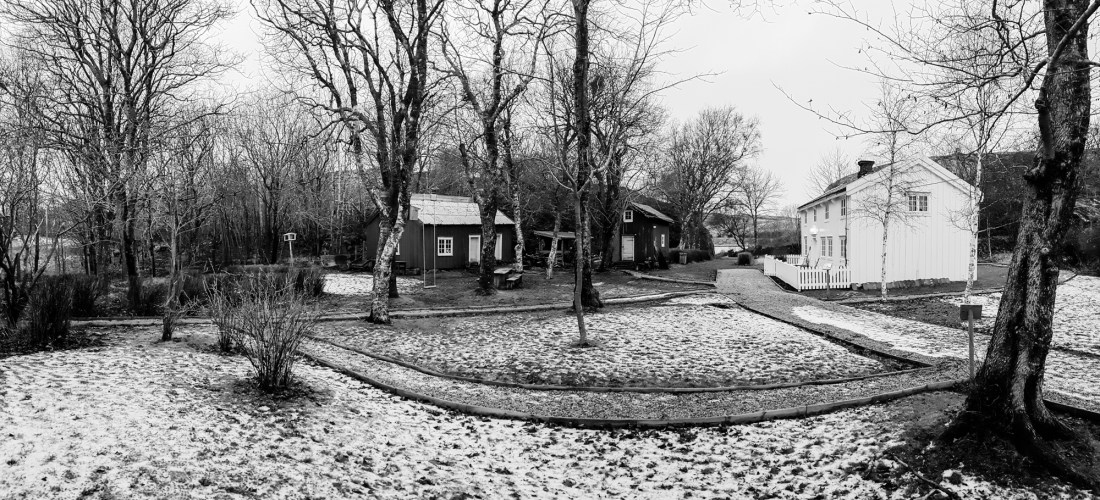
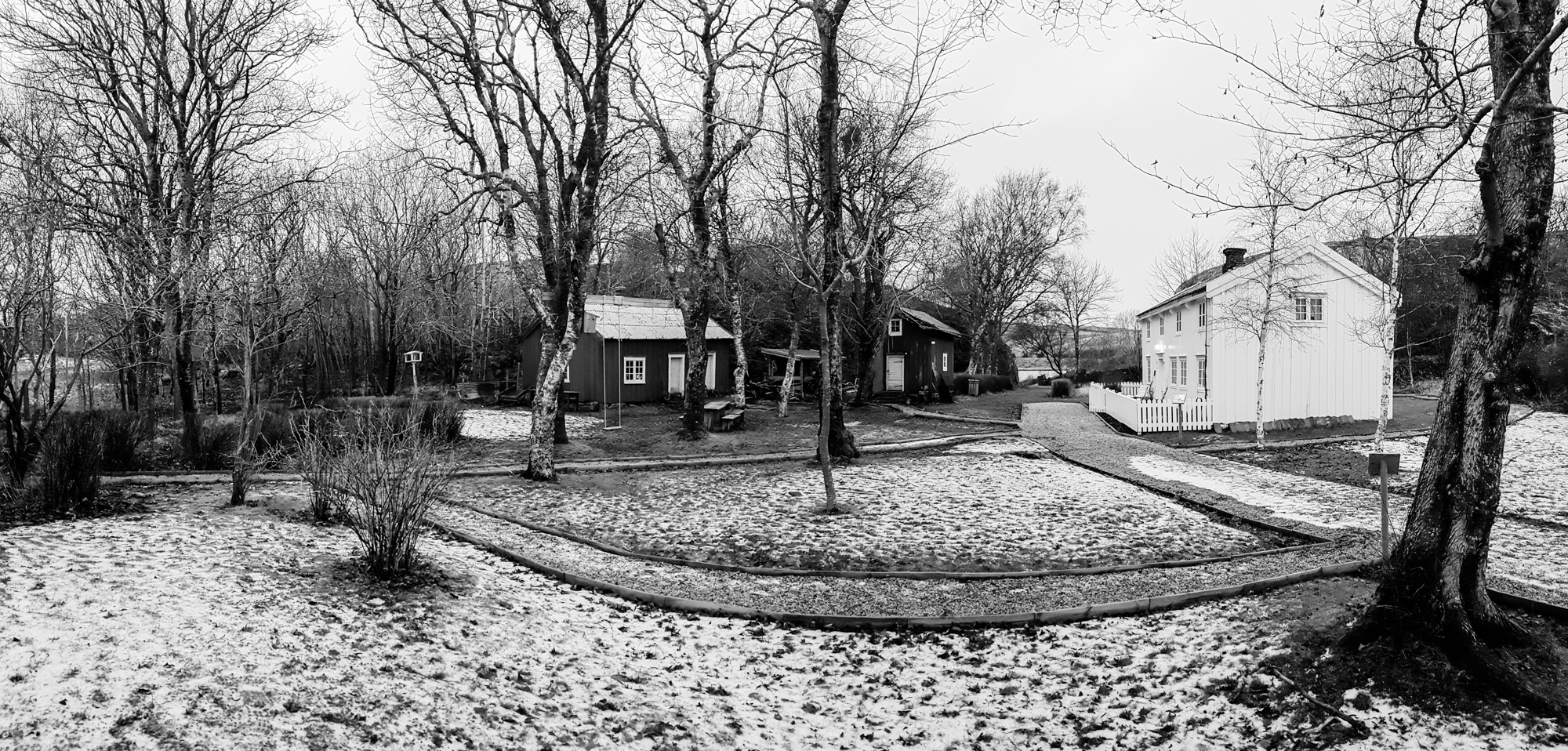
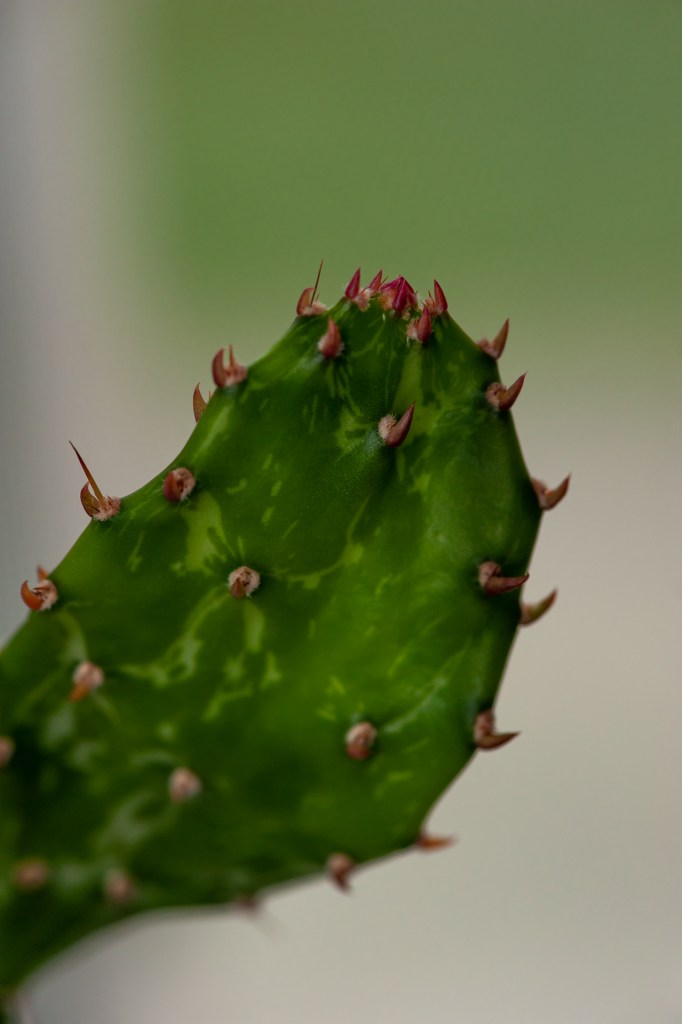
The winter is not gone yet, the snow comes and goes but the ground is still frozen. Maybe 2 more moths ore a bit longer.
153
Art makes the thinker’s heart heavy. – How strong the metaphysical need is, and how hard nature makes it to bid it a final farewell, can be seen from the fact that even when the free spirit has divested himself of everything metaphysical the highest effects of art can easily set the metaphysical strings, which have long been silent or indeed snapped apart, vibrating in sympathy; so it can happen, for example, that a passage in Beethoven’s Ninth Symphony will make him feel he is hovering above the earth in a dome of stars with the dream of immortality in his heart: all the stars seem to glitter around him and the earth seems to sink farther and farther away. – If he becomes aware of being in this condition he feels a profound stab in the heart and sighs for the man who will lead him back to his lost love, whether she be called religion or metaphysics. It is in such moments that his intellectual probity is put to the test.

106
By the waterfall. – At the sight of a waterfall we think we see in the countless curvings, twistings and breakings of the waves capriciousness and freedom of will; but everything here is necessary, every motion mathematically calculable. So it is too in the case of human actions; if one were all-knowing, one would be able to calculate every individual action, likewise every advance in knowledge, every error, every piece of wickedness. The actor himself, to be sure, is fixed in the illusion of free will; if for one moment the wheel of the world were to stand still, and there were an all-knowing, calculating intelligence there to make use of this pause, it could narrate the future of every creature to the remotest ages and describe every track along which this wheel had yet to roll. The actor’s deception regarding himself, the assumption of free-will, is itself part of the mechanism it would have to compute.


70 Execution. – How is it that every execution offends us more than a murder? It is the coldness of the judges, the scrupulous preparation, the insight that here a human being is being used as a means of deterring others. For it is not the guilt that is being punished, even when it exists: this lies in educators, parents, environment, in Is, not in the murderer – I mean the circumstances that caused him to become one.
This is an aphorism from Friedrich Nietzsche from his book Human all too human. I agree with him, executing someone is wrong, I see it like playing god, or pretending to know what we are and judge others according to your believe. As far as I know we are all clueless on why we are here. If you accept that than it should be obvious that you cannot decide to remove someone from this life. I know that the people that are condemned to be executed have often taken lives and should be restrained from doing that again, but it speaks for a society that condemns executions, that they admit that we are all in it together and that life is secret. Most countries that still have a death penalty are religious or have a strong ideological government like in China. These countries follow strict written rules that define the world like the rules you find in the bible or Koran or within a rigid ideology like communism. For people that follow these rules (maybe because their society tells them to) it’s much easier to ignore their guilty conscious and point at the specific chapter in their rule-books for confirmation, they can hide behind there believe without taking personal responsibility for their moral choices. Having a believe on a personal level might not be a choice, but a society can steer away from archaic believe systems.
But more important than Nietzsche opposition to the death penalty is his questioning of a personal responsibility for our actions. That is of course a topic he writes about in many places and this aphorism is just a little prick, to let the reader no what is important to him. Simply set: do we have an independent soul that is responsible for our actions or are we just a complicated machine that gives different outcomes depending on what you put in to it. Is the character you have at birth, your upbringing, environment, schooling, and other experiences define you in such a way that you don’t have much of a choice in what you become?
You can come up with all kinds of scenarios where people get chances or not, are born at the wrong time, at the wrong place, you can make it as complicated as you want but my best guess is that there is only a small part of you that is so unique (because of all the specific circumstances in your life) that you can call it you. But this you is like a person on a rudderless oil tanker drifting at sea and the only thing you can steer this 300ft ship with is an paddle.
 Nochrisis