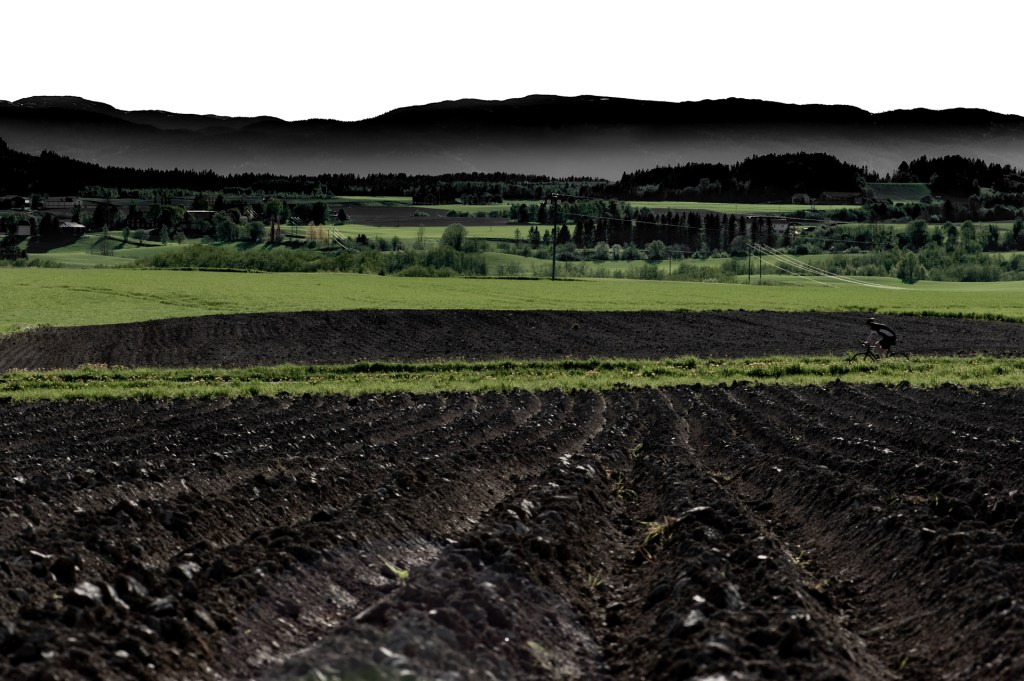
Day 1891, what is.
Daily picture, Poetry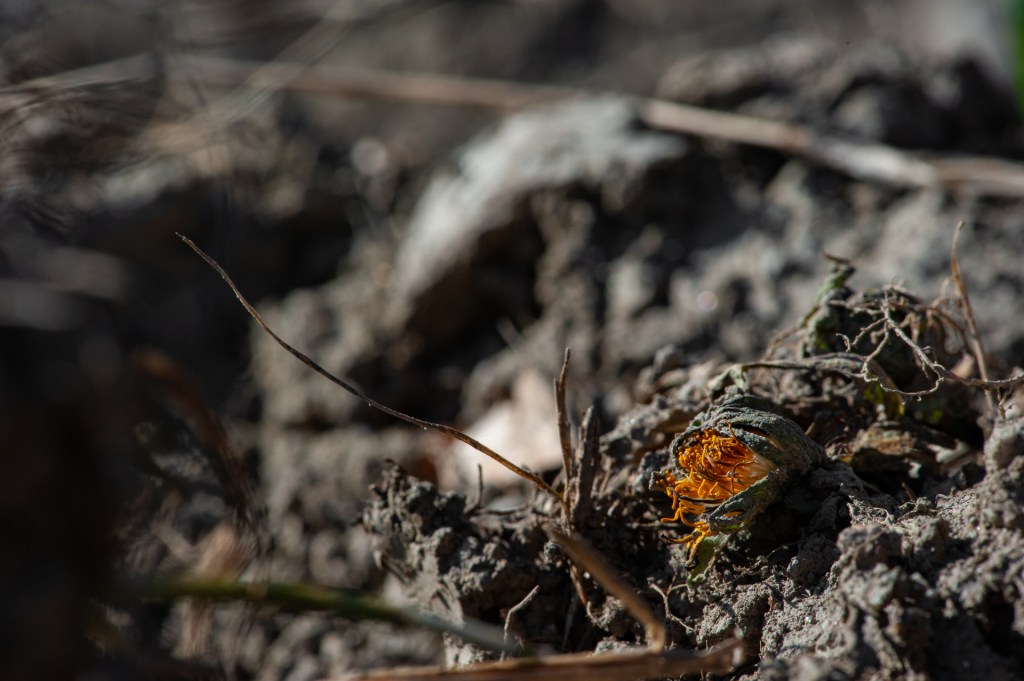

I grew up in the country side. When I biked to school in the next town or walked besides the river, I saw all the farmers working. I saw what they were doing when they let the cows on the fields or plowed the soil, but I never really understood why they were doing all these things.
I started reading a book today called: The knowledge illusion written by Steven Sloman and Philip Fernbach. In short, the book goes about our knowledge, how we think that we know a lot but in reality, we know very little. The gave the example of a toilet and asked people how it works. Most people are confident that they know how it works but after questioning they realize that they only know about the button you have to push and that there are some leavers. Most of us don’t know how you calculate the length of the different parts to make the mechanism work or the rubber quality of the seals, we know how a toilet works, but also not.
That is what I have with the work the farmers do, I see all their work and enjoy the products of their labor but I have honestly no clue how they do it. But this weekend I helped my landlord planting potatoes. She told me about the crop rotation, how she has 4 plots and only uses one at a time so the soil can “rest” for 3 years. She plowed the ground once and flattened it later. After that she had to make sure she planted the potatoes before it started raining again otherwise, she has to plow again. Then we use a machine from the 50s that she pulled along with a tractor that opened the soil again and buries the potatoes automatically…To make a long story short, I know now a little bit more about the whole process and gained some appreciation for all the work that you have to put into it.
As some kind of thank you to nature I decided to use the field with the newly planted potatoes as a photo…model…canvas…for the summer. I will try to go out there every day and take pictures of all that is happening on that small piece of land. Today it is just sand but I sat down and after a few minutes a sow movement and started taking pictures of the insects that are also exploring the newly turned soil.
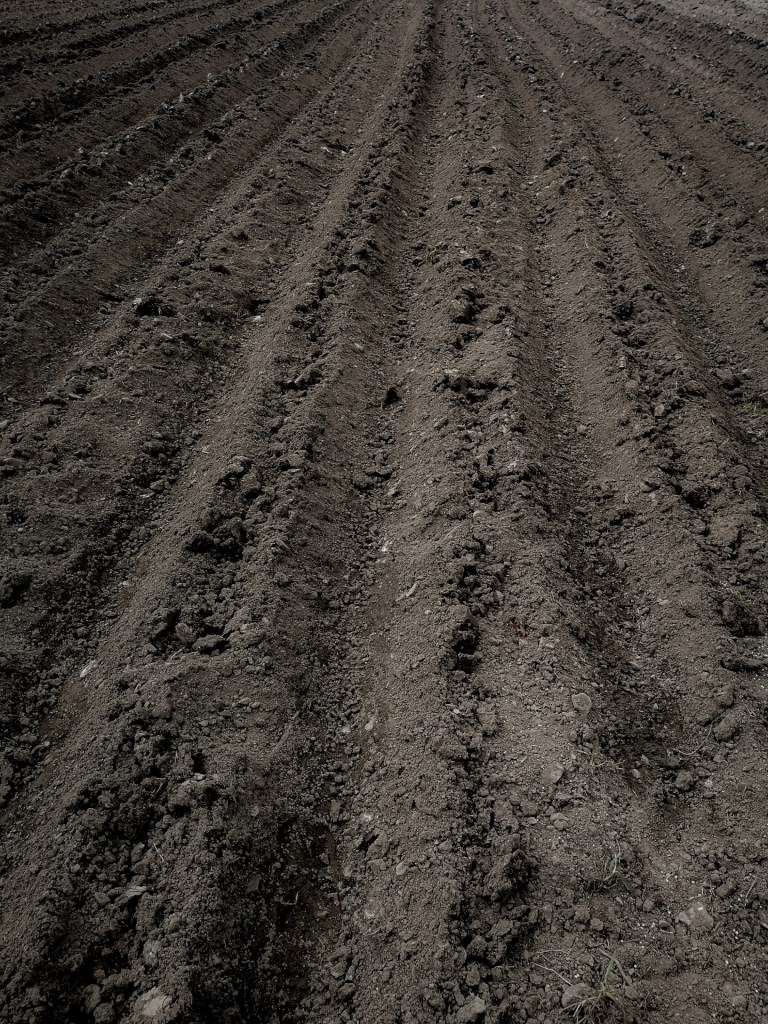


Do you sometimes realize something that you already knew? I helped my landlord planting potatoes today, every few centimetres a potato from last year goes in the ground, and in a few months…every potato has made many more potatoes. My realization was that some labor gives you an endless supply of potato’s year after year. I knew of course that nature works like that but I needed to put the potatoes in the ground for myself to realize it. It make you wonder how many things you think you know but not realize or appreciate.








Nochrisis
I think it was somewhere in my early twenties that I for the first time red something of/about Jiddu Krishnamurti. I think I got to him through my interest, back then, in Annie Besant, she’s quite a character, though she has some strange religious ideas. Krishnamurti is for me someone that represents both an eastern and western approach to philosophy. I often recommend people that are interested in life’s question and/or struggling with these questions to read some Buddhist texts. When you read them superficially, they can often uplift you and help you to relativize your problems. If they like reading these Buddhist texts I will make sure that they hop over to Krishnamurti before they go to deep into Buddhism, because at the end Buddhism is not much more than a doctrinal religion like Christendom or Islam, a “do this, than that will happen” religion.
Krishnamurti is a critical thinker with a deep and personal history with eastern philosophy, religion and mysticism. I see him as a good bridge to western philosophy when your interest is mainly eastern philosophy. A lot of western, mainly young people, gravitate to eastern ideas because western ideas seem to them “dirty” and the cause of…I don’t really understand this, as if there are no “problems” in the east, but a bigger problem is that these people that are looking for a solution…are looking for a solution. They look for some kind of overarching system that would solve their problems, as if you are not responsible for that yourself. This is in short, the philosophy of Krishnamurti and a good gateway to western philosophy, a philosophy that is more rooted in critical thinking, questioning why and not telling how.
“You know, if we understand one question rightly, all questions are answered. But we don’t know how to ask the right question. To ask the right question demands a great deal of intelligence and sensitivity. Here is a question, a fundamental question: is life a torture? It is, as it is; and man has lived in this torture centuries upon centuries, from ancient history to the present day, in agony, in despair, in sorrow; and he doesn’t find a way out of it. Therefore he invents gods, churches, all the rituals, and all that nonsense, or he escapes in different ways. What we are trying to do, during all these discussions and talks here, is to see if we cannot radically bring about a transformation of the mind, not accept things as they are, nor revolt against them. Revolt doesn’t answer a thing. You must understand it, go into it, examine it, give your heart and your mind, with everything that you have, to find out a way of living differently. That depends on you, and not on someone else, because in this there is no teacher, no pupil; there is no leader; there is no guru; there is no Master, no savior. You yourself are the teacher and the pupil; you are the Master; you are the guru; you are the leader; you are everything. And to understand is to transform what is.
I think that will be enough, won’t it?”
Jiddu Krishnamurti
 Nochrisis