
It is both easy and difficult for us humans to admit when we are wrong. We often recognize that we are wrong, if we do not already know that, when confronted with opposing truths, but you keep on focusing on every piece of the story supporting your side, even though you know deep down you are mistaken. When you hold on to your story for too long, you will likely lose sight of where your story started and where reality was left behind; you are now lost in your own lie.
Why do we do this? It’s hard to say, but here is a thought. We don’t like to “lose face” when confronted by someone else’s more convincing reasoning. We don’t want to be seen as incompetent after we’ve defended our truth for too long, only to be confronted by damning facts.
Even the wisest people in the world acknowledge that their understanding represents only a small fraction of the vast pool of knowledge available. This echoes the wisdom of Socrates, who famously stated, “The only true wisdom is in knowing you know nothing.” In recognizing that knowing more often reveals how little we actually understand. Not knowing is humanity’s default state, yet we often feel shame at admitting our ignorance. Embracing this uncertainty can open doors to greater wisdom and understanding.
People identify as scientists, Buddhists, religious, capitalists, and cling to many other kinds of truths because our inner truth is weak. Most often, we inherit these truths from our family, immediate surroundings, and the larger culture we live in. Sometimes we feel we make a choice, but one way or another, all these structures and systems are there for us to cling to and use as shields to hide our insecurities.










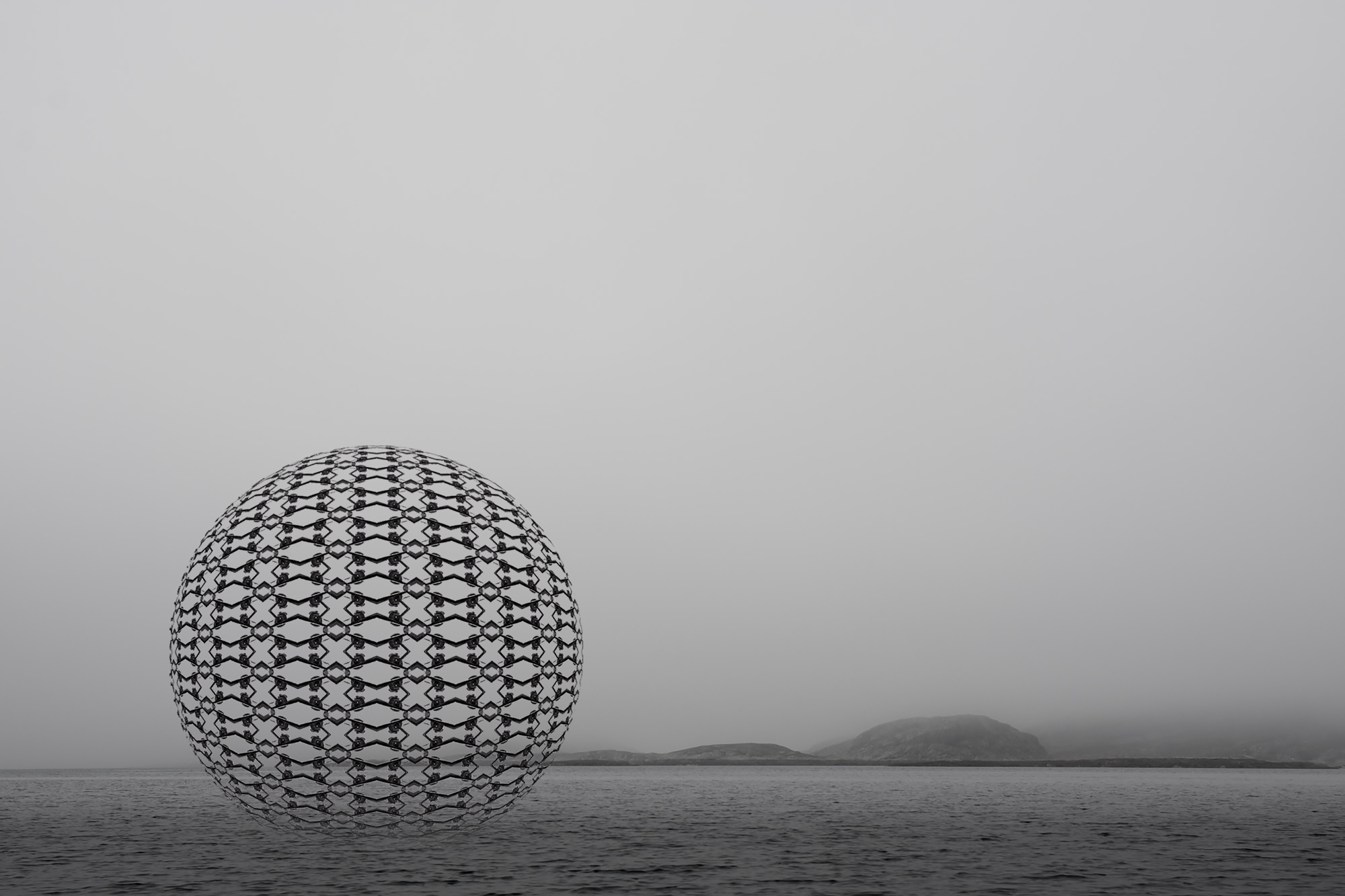
 Nochrisis