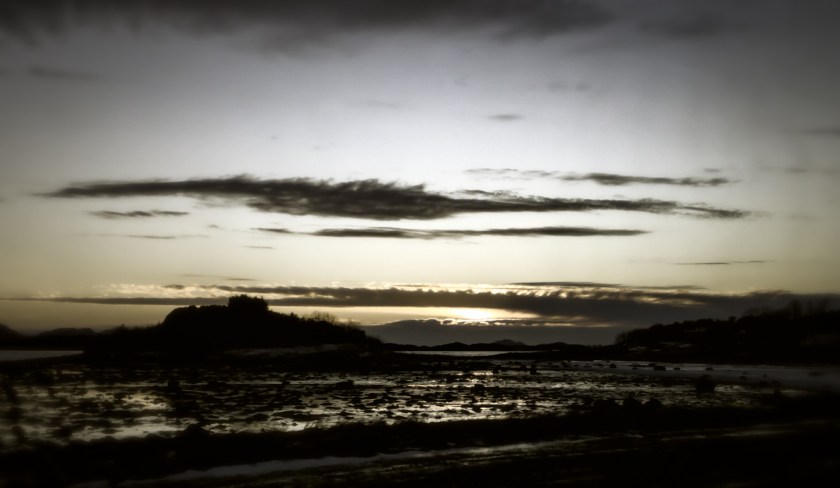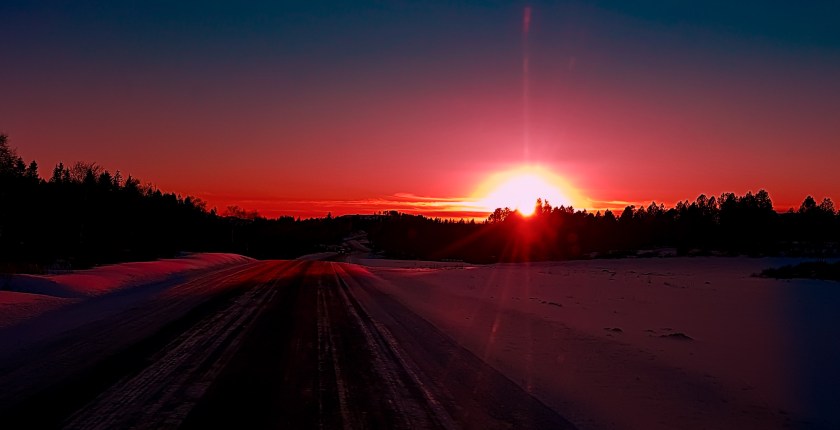
poem
Day 716, separate.
Day's pictures, Poetry
You fade away, I turn away.
Who you are, I don’t know.
My time will blur, you are out.
I stay here, looking away.
Day 715, Doubt.
Day's pictures, Poetry
Do I stay, or do I go?
Nervous look in my stance.
It’s my choice or the worlds?
Fly away or be the soil.
Day 714, Drawing a line.
Day's pictures, Poetry
My line is clear where I draw on.
My old strokes washed away.
The truth the mark to stand on.
Till the sharpness fades away.
Day 713, Fading out.
Day's pictures, Poetry
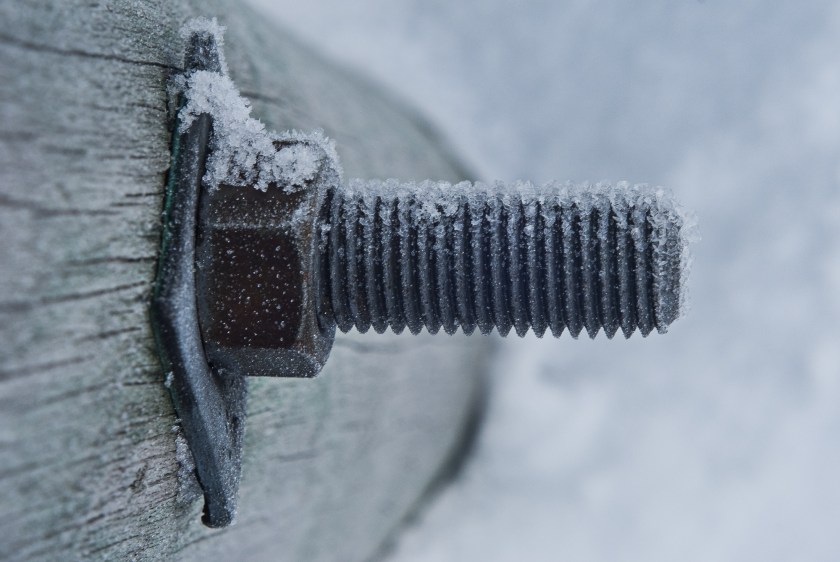
The winter cold colorblind
The white tries to fade
The strong are vibrant who’s
Are standing out and stay
Day 712, In search for.
Day's pictures, Poetry
Sometimes I narrow.
The eyes see parts.
Unsharp falls
Thoughts do fade.
A light reflects.
Facets.
Day 711, Goodbye.
Day's pictures, Poetry
There you lay in nowhere land.
Between the sand and memories.
A stone to mark the time for now.
And in a stare, we’ll meet again.
Day 707, Hurry up.
Day's pictures, Poetry
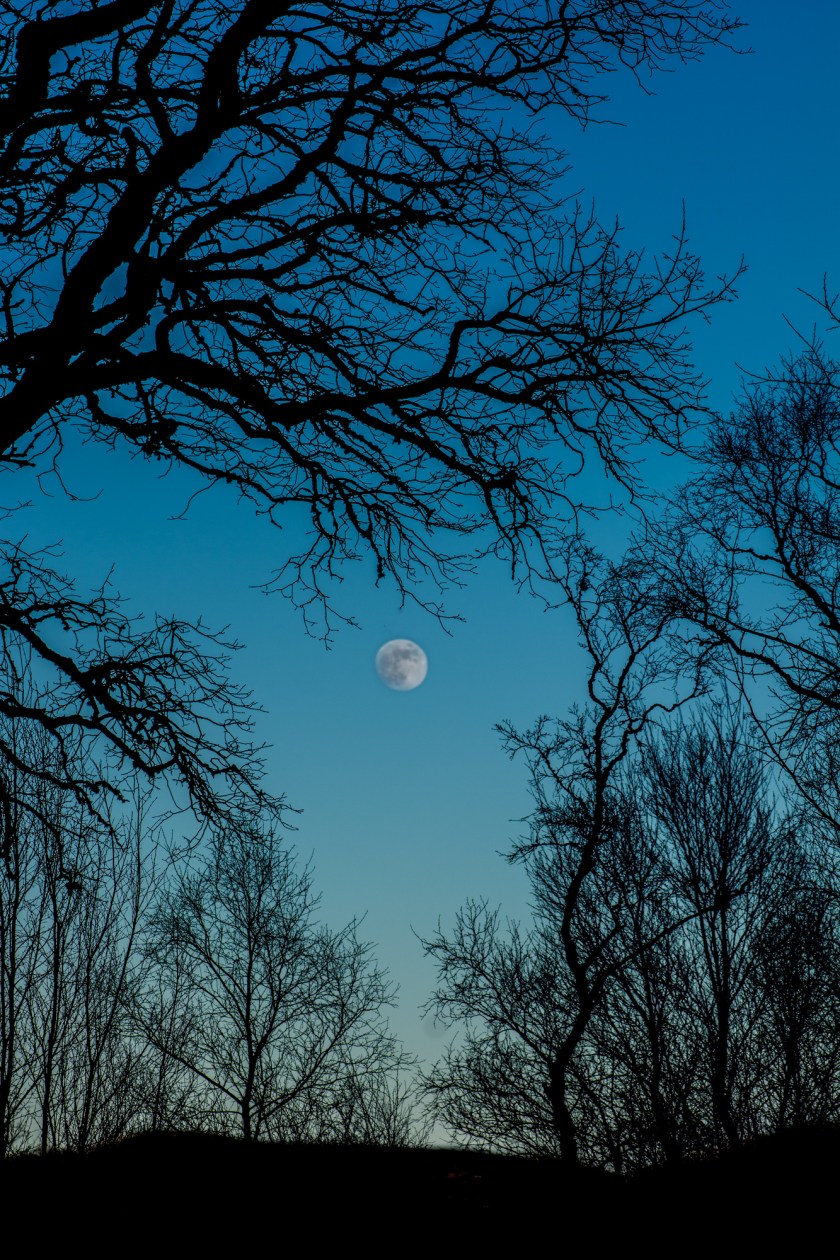
The moon almost full on the way to a perfect one day effect of expectation by a proud walk and sharpened sight what the pull of the moon does to our imagination, it’s a new future a mark to close the past to try again repeat and again the full moon will come soon so finish now to start again.
Day 706, And dissolve into nothing but all…
Day's pictures, Poetry
The ocean was rising frozen hard.
Left behind a ground to be shattered.
Carried by air your lies collapse.
Laid out in front, grasping indifferent.
Wanting the cold to not fall apart
Knowing the truth as the ocean is wide.
The lonely sea mirrors your fears.
It will disappear any structure you made.
And dissolve into nothing but all…
Day 705, Stuck?
Day's pictures, Poetry
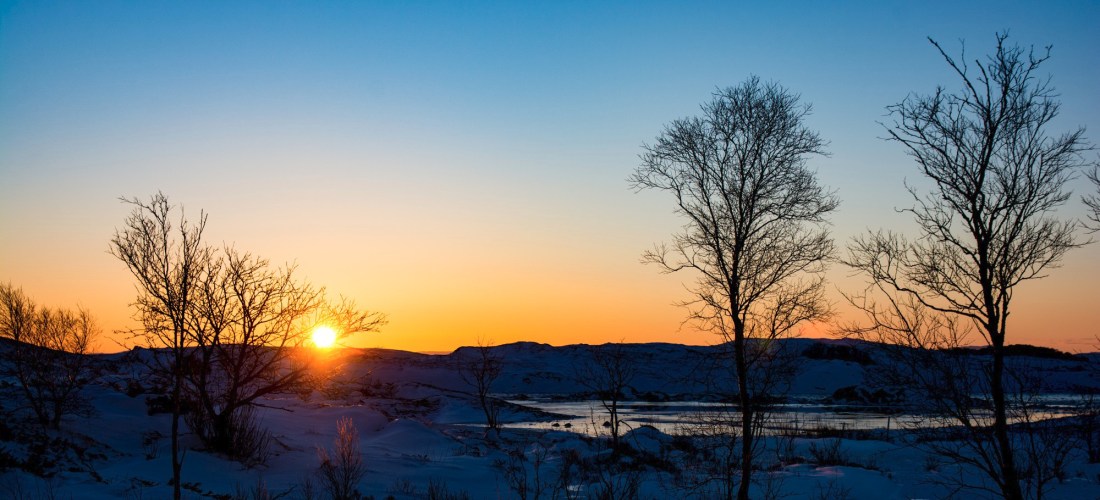
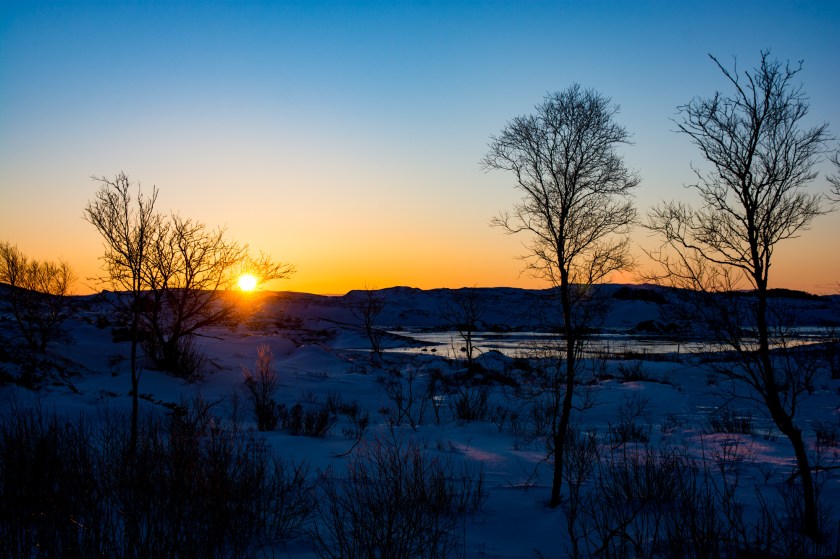
On the right it is me, uncombed standing crooked.
Next my wife, good-looking, all dressed up, hair in a bun.
We say goodbye to our memories you see; some parts are blocking the sun.
The sun that gives us warmth is either setting or rising, is this morning or evening?
Are we going to wait, or getting higher or are we just so rooted like the trees you see here?
Day 702, driving to…
Day's pictures, Poetry
In the morning, driving to work, waking up from a sleep.
Some caffeine to move and get up to sit and plan the day.
Listening to a book, enjoy the drive a thousand times.
Each bend is known, I feel the friction, the weather decides.
I wouldn’t mind driving all day, going nowhere to the next turn.
But then I arrive, open the door into my life and close my escape.
Day 700, Treatise of human nature.
Day's pictures, Philosophy, Poetry
We suppose to learn, our synapses do fire.
They shoot to make, to pave the way.
Information contained or lost in time.
A spark, an insight that turns away.
Overcrowded, congested, worn down your choked.
Start training does neurons, cleanup your mind
Fire away at does old rusted anchors.
Cut that chain, make room for your life.
Because to be is to think, like a motion in time.
Not to get stuck in one place, forgotten to learn.
Here is something to rattle does rusted synapses in your brain. One of the classic books in philosophy that still is useful today and abstract enough to make you think and thus train your brain. You can download the book for free on many places or buy a used one for a couple of dollars online r at your local used bookstore.
TREATISE OF HUMAN NATURE
By David Hume
Book I: The understanding
Section 1: The origin of our ideas
All the perceptions of the human mind fall into two distinct kinds, which I shall call
‘impressions’ and ‘ideas’. These differ in the degrees of force and liveliness with which
they strike upon the mind and make their way into our thought or consciousness. The
perceptions that enter with most force and violence we may name ‘impressions’; and
under this name I bring all our sensations, passions, and emotions, as they make their first appearance in the soul [= ‘mind’; no religious implications]. By ‘ideas’ I mean the faint images of the others in thinking and reasoning: for example, all the perceptions aroused by your reading this book – apart from perceptions arising from sight and touch, and apart from the immediate pleasure or uneasiness your reading may cause in you. I don’t think I need to say much to explain this distinction: everyone will readily perceive for himself the difference between feeling (·impressions·) and thinking (·ideas·). The usual degrees of intensity· of these are easily distinguished, though there may be particular instances where they come close to one another. Thus, in sleep, in a fever, in madness, or in any very violent emotions of soul, our ideas may approach to our impressions: as on the other hand it sometimes happens that our impressions are so faint and low that we can’t distinguish them from our ideas. But although they are fairly similar in a few cases, they are in general so very different that no-one can hesitate to classify them as different and to give to each a special name to mark the difference. [Throughout this work, ‘name’ is often used to cover not only proper names but also general terms such as ‘idea’.]
Read more here
A Treatise of Human Nature (1738–40) is a book by Scottish philosopher David Hume, considered by many to be Hume’s most important work and one of the most influential works in the history of philosophy.The Treatise is a classic statement of philosophical empiricism, skepticism, and naturalism. In the introduction Hume presents the idea of placing all science and philosophy on a novel foundation: namely, an empirical investigation into human nature. Impressed by Isaac Newton’s achievements in the physical sciences, Hume sought to introduce the same experimental method of reasoning into the study of human psychology, with the aim of discovering the “extent and force of human understanding”. Against the philosophical rationalists, Hume argues that passion rather than reason governs human behaviour. He introduces the famous problem of induction, arguing that inductive reasoning and our beliefs regarding cause and effect cannot be justified by reason; instead, our faith in induction and causation is the result of mental habit and custom. Hume defends a sentimentalist account of morality, arguing that ethics is based on sentiment and passion rather than reason, and famously declaring that “reason is, and ought only to be the slave to the passions”. Hume also offers a skeptical theory of personal identity and a compatibilist account of free will.
Read more at wikipedia.
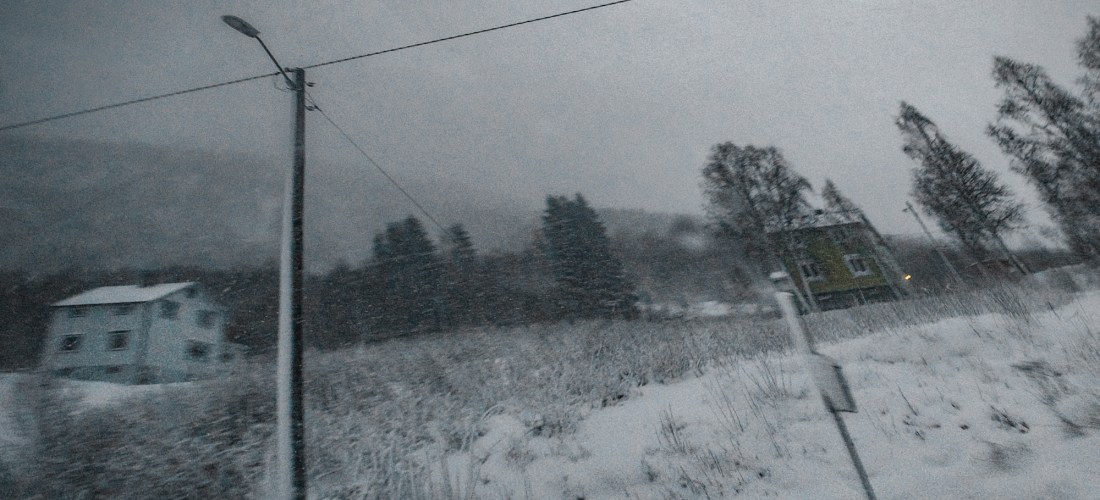
Day 698, past a shattered mind.
Day's pictures, Poetry
Perspective when I twist my head, lean aside, trust my mind.
I see straight the bended line, my verdict stressed by time.
My truth swells up, my trust along and doubt withdrawals.
The world can laugh, my course is past a shattered mind.
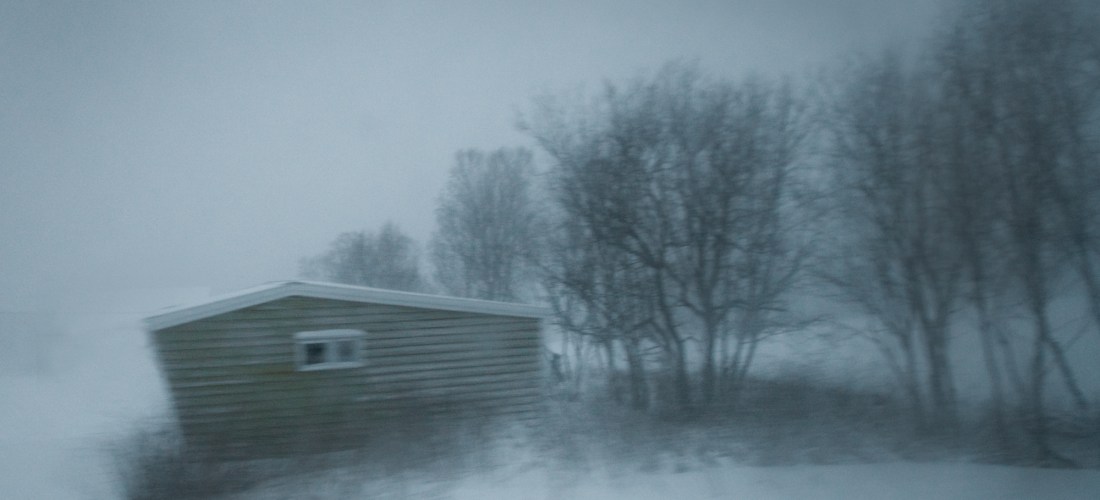
Day 697, Winter time.
Day's pictures, Poetry
The snow is creeping inside that house, the cracks are growing.
Behind the window I see past lives, counting down the seasons.
All the conversations that must have been, so mundane.
Alone besides the road to nowhere… if only for the winter.
Day 695, Echo of the moon.
Day's pictures, Poetry
This house where I sit is silent and only the moon echo’s the light.
Grey are the shadows inside, slowly finding their way, moving away.
I stair and see the dust caught by the moons darkened reflection.
The particles move without purpose they only know to go down.
Forced by the pull of the mass is what they obey, it’s the calm they prey.
They stay there till one day I may leave my print or brush them away.
Day 692, What I see.
Day's pictures, Poetry
What I see, seizing light.
Imagining, a tired mind.
Rendering it, delusional.
What is out there, reality?
The world we see is…
different from yours.