
We go through life opening doors
and even though we know its mood
we still go in expecting
maybe not its opposite but something else
We go through life opening doors and even though we know its mood we still go in expecting maybe not its opposite but something else
Book I
19 Morality makes stupid. – Custom represents the experiences of men of earlier times as to what they supposed useful and harmful – but the sense for custom (morality) applies, not to these experiences as such, but to the age, the sanctity, the indiscussability of the custom. And so this feeling is a hindrance to the acquisition of new experiences and the correction of customs: that is to say, morality is a hindrance to the creation of new and better customs: it makes stupid.
35 Feelings and their origination in judgments. – ‘Trust your feelings!’ – But feelings are nothing final or original; behind feelings there stand judgments and evaluations which we inherit in the form of feelings (inclinations, aversions). The inspiration born of a feeling is the grandchild of a judgment – and often of a false judgment! – and in any event not a child of your own! To trust one’s feelings – means to give more obedience to one’s grandfather and grandmother and their grandparents than to the gods which are in us: our reason and our experience.
55 ‘Ways’. – The supposed ‘shorter ways’ have always put mankind into great danger; at the glad tidings that such a shorter way has been found, they always desert their way – and lose their way.

You wonder out there
and I can only see you
a being nothing
For the last few weeks, I have been reading books about child development and how we grow up and become the adults we are. I don’t do this without reason; I still wonder why I have such an interest in who and what we are. I know that most people have questions and, on occasion, also pursue these, but for me, it’s something I do every day. I have not done this my whole life; before philosophy, I was curious about many things, and I pried open all the toys I got to see what was inside. Later this curiosity made me look inside myself because I broke down and wanted to know why. I was born with a more than average curiosity, you might say.
Personal tragedies can often be a reason for some soul searching, but most people I know moved on once life was on the rails again and demanded their attention again. I’ve never stopped, and I think it’s because I was always curious and maybe slightly obsessive. But if it is just part of me to be this interested in philosophy and the search for what’s inside, why would I then write a book about what I learned if like-minded people are the only ones that read it?
We humans are, in essence, self-centered beings. We look at the world from a specific standpoint, uniquely ours, because of our experiences and a mostly unconscious feeling that other people are not really like us*, not really there, you could say. We mostly assume that other people are real because they do like we do, but all our experiences and hidden thoughts are only ours and are an impregnable wall between us and the other. This is the reason, I think, why it is so hard for me to imagine why other people are not as enthusiastic about philosophy as I am. I can’t penetrate their mind (Are they even real?) and can only project my experiences onto them.
I know that this is one way of looking at this problem; the fact is that most people are not interested in philosophy and asking the hard questions to one’s self. So besides my self-interest, what is the reason for me to write about my thoughts? I believe that it is important, and if more people would think twice about why they have certain opinions, the world would be a better place. I also don’t have the Illusion that what I have to say is something special or unique, I just say it slightly different than others have done it a thousand times before. I just wonder if it is possible to change people from not so curious about why we are what we are to enthusiastic questioners about why they believe and do the things they do.
You faded away into the background
but I still see you sharp


There is a lot of negative energy
when I get close to you
or you to me

and that is strange
because I also see the positive energy
streaming in you

maybe it's my stands
or memory of you
that makes me avoid
touching both of your directions
at the same time

I see a light hue
Looking into the distance
mimicking green grass

The streets are gray and not colorful like my house.
I wonder why the streets are gray and not colorful.
I almost never see my house for a long time from the outside, but the streets I do.
Today you look quiet for the last time alone
your house still filled with visitors
the memory of this air already fleeing

tomorrow you will look to the left
say yes
and the visitors will be gone

The clicking of the clock
it is our only reminder
that we divided time in tiny steps

tiktoktiktoktiktoktiktoktiktok

is it a coincident that the invention of this rhythm to our end
coincided with our search for happiness on this earth

I don't know what I look for in art
but I always find it

My memories of this morning are bleak
not because of the scene I saw
but because I have seen it countless times
I left my toys behind
in the fields and valley's of my youth

but I still recognize them
in their shadows that reach
out to me
now the sun is going down

I wish I could still play with them
but I would break them
or the illusion
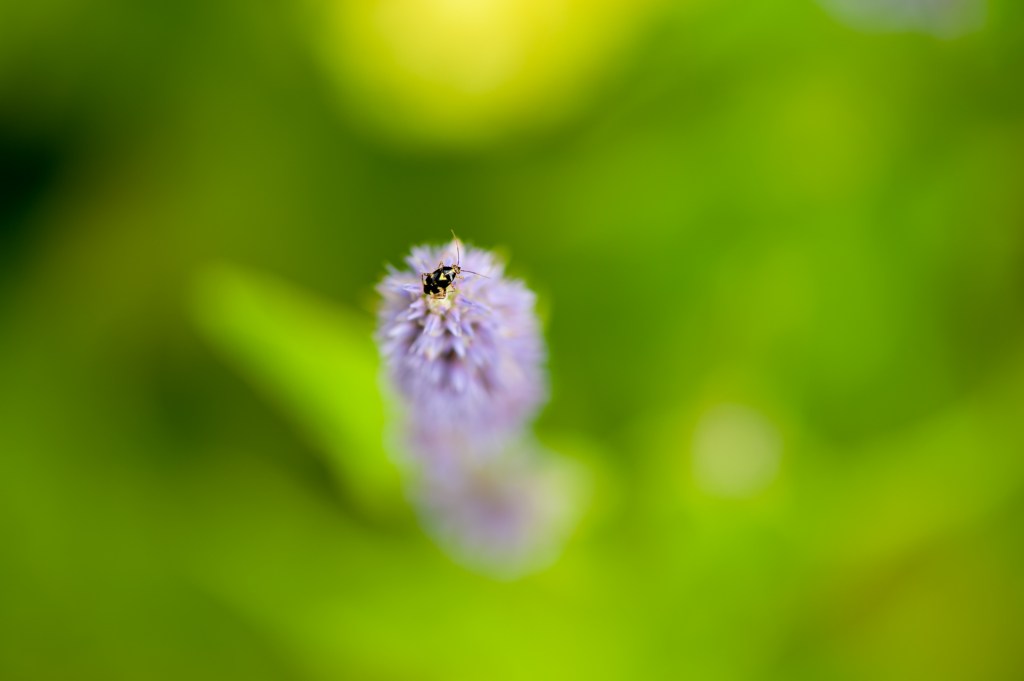
I wonder
if this little bug
that flew to the top
looks down on the other critters
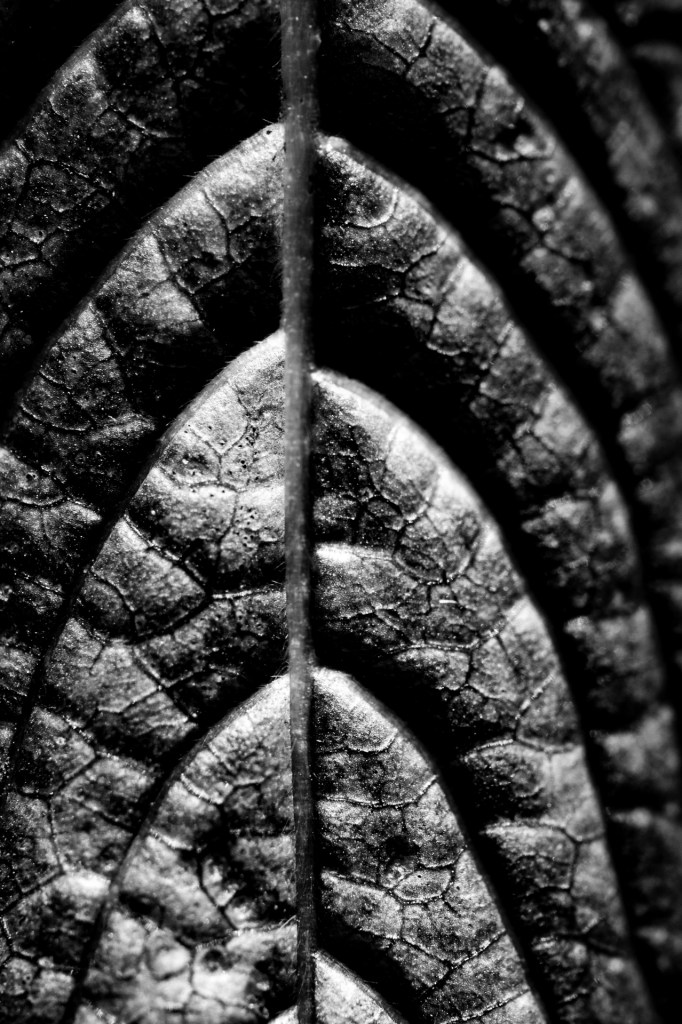
The road
to the gate of heaven and hell
is the same
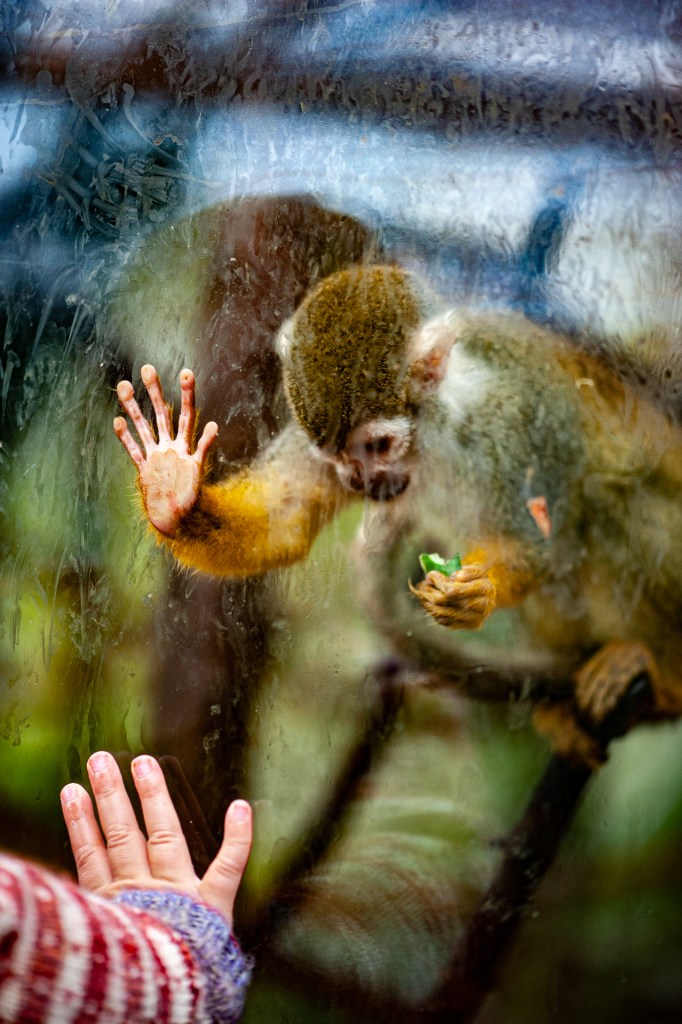
He showed me two faces
one open
and one showing what he wants

I showed him mine
an open hand
empty

and cowardly
with a way out
I stared at him

or maybe through him
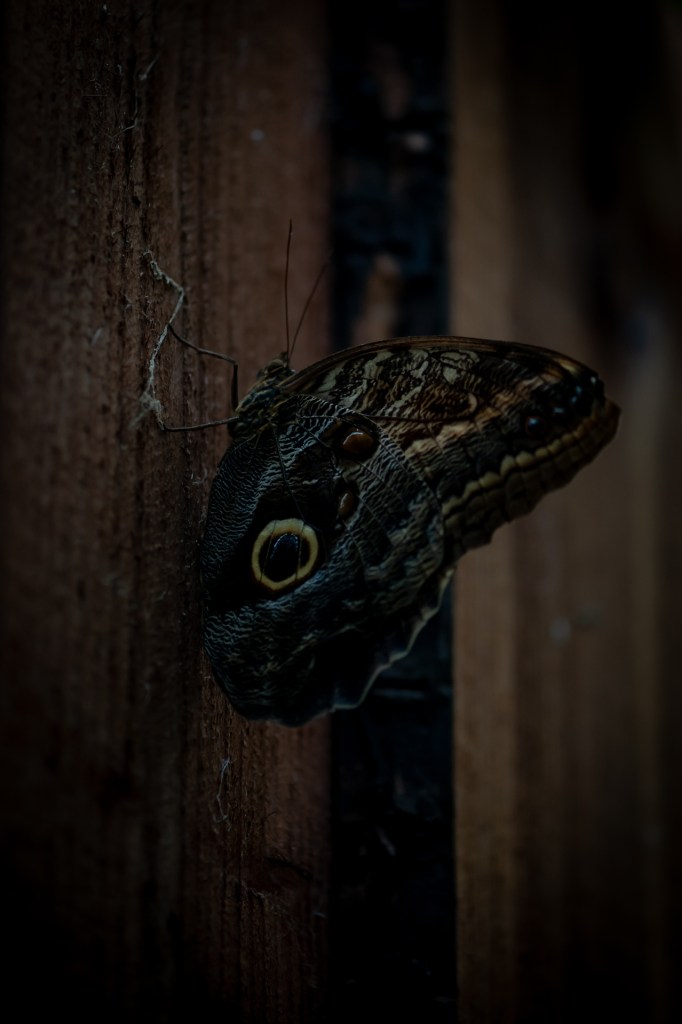
When you move into darkness
your camouflage
will adjust

you disappear
with silence
as your guide

hoping to find
deep inside
the time
 Nochrisis