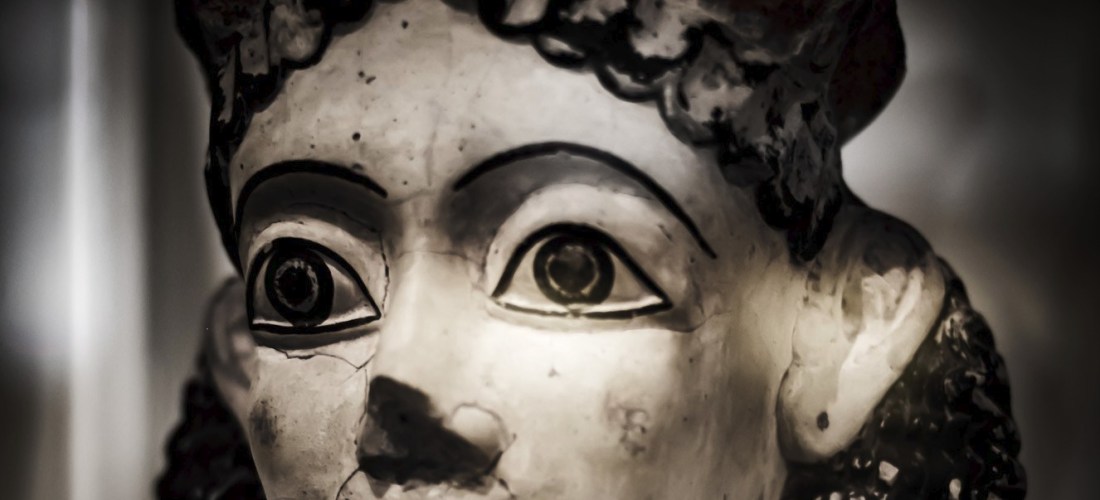
Day 642, Peas on earth.

Day's pictures

Day 642-1

This time of year, many people take their time to think about peas. I care a lot about peas, but there are some disturbing trends. There are less peas produced the last few years1 and with a higher demand for peas in upcoming markets2 there is a higher chance that the markets will be over flooded with the approximate 2 150 000 tons of nuts (ca 150 000 nut-cases) that are overproduced worldwide.

The long-term decline in the demand for peas started roughly a 100 years ago when rich soil in France, that was producing 26% of the worldwide production, was used to test the new invention wherein men dig their own grave (trench in French) and let someone with a big bomb fil it with fresh soil. This did so much damage that the entire production of peas in that area stopped for good. The world peas organization, after this loss of fertile ground, has tried to catch-up but peas are slowly disappearing from the menu of modern man.

The loss of peas on the modern menu has caused a reduced intake of the important vitamin Cs (CMS or Com-Mon-Sense). A lack of Cs slowly degrades the areas in the human brain that produce the peas loving hormones CPS (Com-Peas-Sion). A loss of CPS will lower the tolerance for peas and heighten the change for the disease WAR (Weak-Ass-Reaction). This disease causes the subjects to sit on a chair that is in a safe place and then start telling others what to do and in the worst cases who they have to kill.  It can afflict any person, but it is most common with males, specially if any of the following symptoms is clearly noticeable: shortsighted ideas, indoctrinated thoughts, greed and selfishness. Everybody with symptoms like this should be banned from any responsible job and be schooled in the health benefits of eating peas.

1 See here

2 See here

Day 641, Where I live.

Day's pictures

Day 641-1

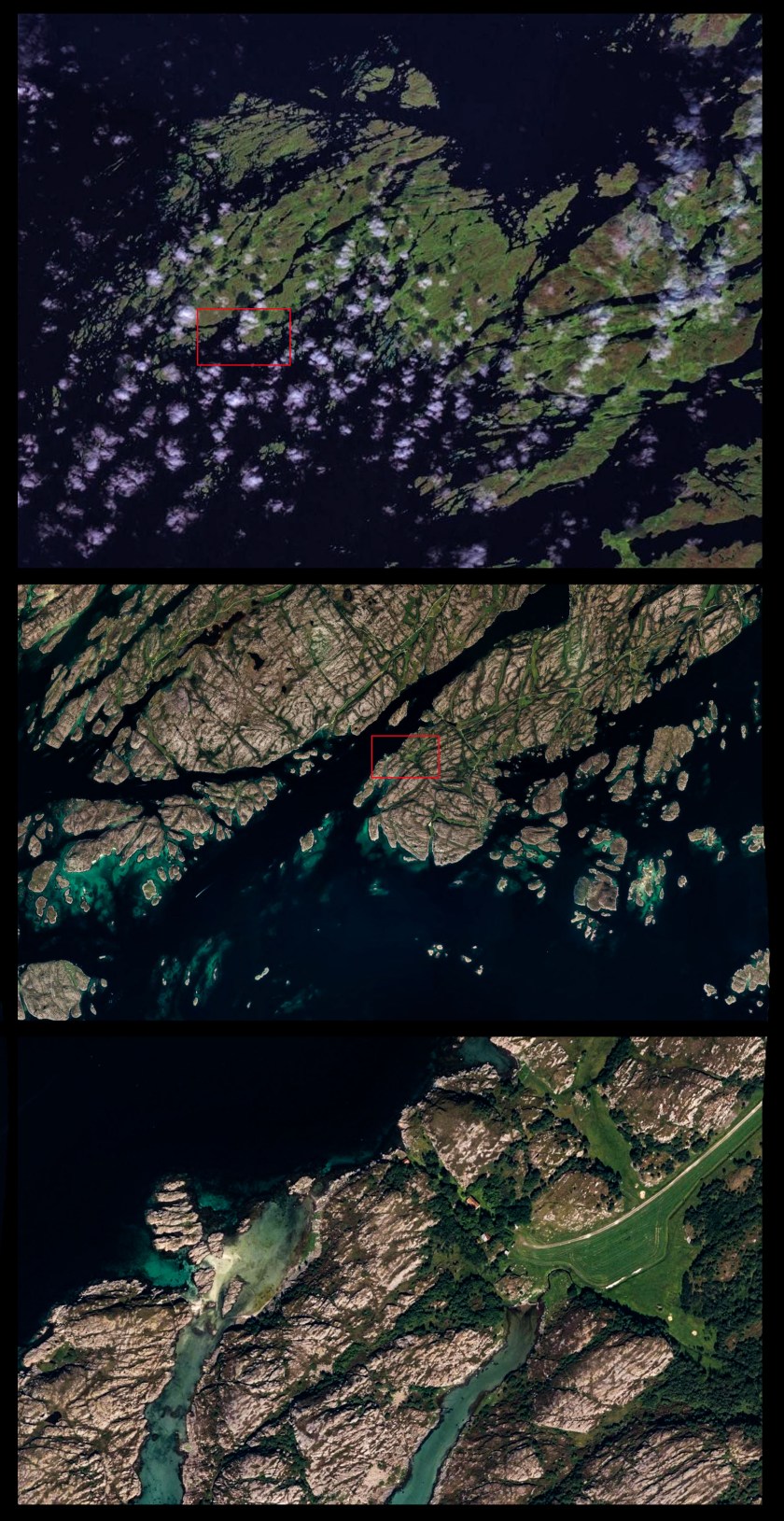
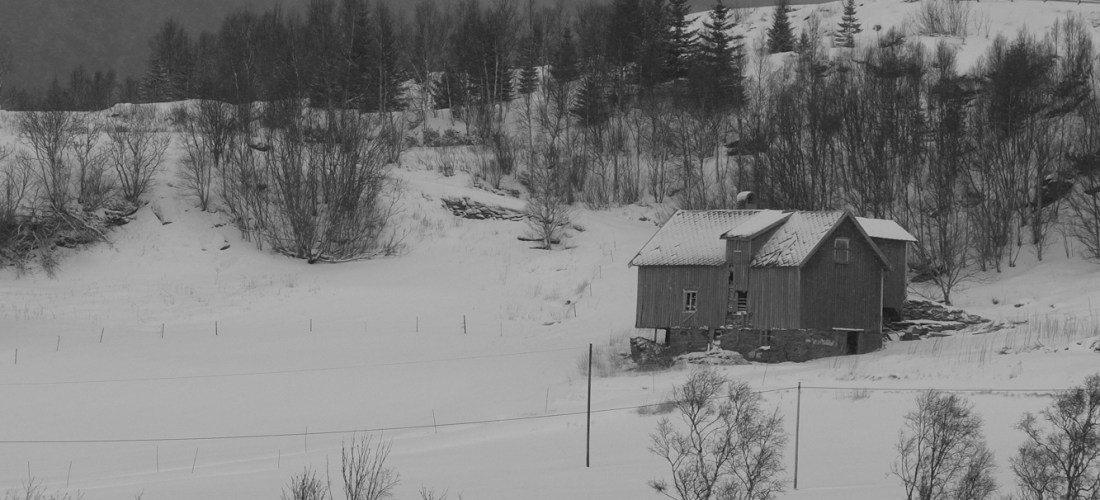
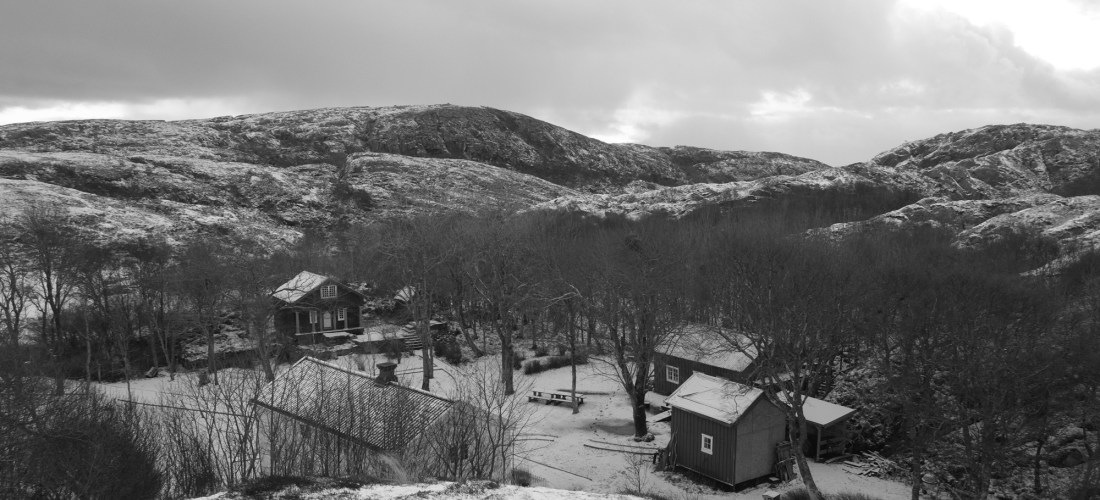
The place where I now live is beautiful. There are rocks and hills all around me and many small islands. There is one small gravel road leading to this place and you can see electricity poles snaking its way to the house, for the rest you don’t see mush of civilization.  The place is part of the museum where I work for, almost a hundred years ago the farmer/entrepreneur that lived here started collecting historical objects and buildings and made it into a little museum. After his death in the 60th they tried to restore it and in the 70th most of the buildings were painted and restored where necessary. At the end of the 70th the local government started a new museum with these building and specially his collection of farm and fishing tools and other things found in and around the house as a basis. The museum grew slowly and in the 90th they made a little building here with warm and cold water, a modern kitchen, toilet and shower. The main building only has cold water and they wanted to rent out the place to tourist and therefore they needed to modernize. The main building is probably around 150 years old and besides some electric heaters hasn’t changed much. It was hard for the museum to maintain the place and that’s why I offered to go live here with my fiancé. I really like living in such an old building (in Norway that’s old, especially for a wooden structure) where there are not so many modern luxuries like isolation, central heating, a toilet or kitchen. We have reliable electricity and I installed an internet antenna on the hill behind the house, so we can catch some 4g signals, there is no cellphone coverage in the house. But living relative primitive fits good with my philosophy so I don’t mind not having a lot of things that you normal take for granted. The biggest thing I (and specially my fiancé) miss is a toilet in the house. In the summer I restore and maintain the building and we try to bring the garden back to how it was ones. The place where the house is, is special. There are several hills around us that block most of the wind and therefore it is relatively save living here. There are signs, specially some drawings on the rocks, that indicate that this place is used to come ashore and maybe settle for more than a thousand years.

But as I said before: I like living here, my fiancé is not always so enthusiastic, but we manage. The lack of some luxuries makes you appreciate them more when you have them again and you don’t really miss them in daily live. For me is the silence more of a luxury that I want now and that’s here in abundance.

whereilive

Day 640, Christmas in Vietnam

Day's pictures

Day 640-1

At this blog I write about aphorisms from the book Human all too human from Friedrich Nietzsche. Today’s aphorism included the idea that it is sometimes necessary to counterbalance your mood like when you somber you need to laugh. It was a nice coincidence that his came up because earlier today I was watching several documentaries about the Vietnam war and I do that often, but specially around the end of December to counterbalance all the happiness you get bombarded with. But technically it is not a counterbalance, I am normally pretty cheerful, and this time of year only brings my mood down, so I should watch something cheerful. I guess I do it out of stubbornness, if people ask me I can bombard them with fresh stories from the trenches.

I associate Christmas with hypocrisy and war, this is off course not fair to that specific party but that’s the way it is. I think it started years ago when I saw a bunch of world leaders singing about peace on earth and praying for it while almost at the same times people die because of their decisions.  I just don’t understand how we, and I am nothing better, as so called intelligent beings can live knowing that almost 800 million people have had hunger in 2017. Most of us would give our neighbor some food but we can not come together to do something about that. For me it feels like we are having a pool party in a street where all houses are on fire. I know, what can you do, and most of the people need some counterbalance to handle these thoughts. I moved to the middle of nowhere and watch depressing documentaries.

Human all too human: 38. How far useful.

Human all too human

Reading Friedrich Nietzsche’s Human all too human

Read the introduction here You can read the aphorism I discuss here in English and German below the main article.

My take on it.

  1. Keep it cool if you can handle the truth.

DSC_2245We will never know if psychological observations are good or bad for society, but science needs it. Science however, is not interested in final aims, just like nature. But like a good copier of nature, science will also come up with useful ideas that benefit mankind, it does this also without intention. But whoever feels too chilled by the breath of such a reflection has perhaps too little fire in himself. But look around and you see them, people that are made of fire and who are not afraid of these ideas. Additionally, like serious people need some joy and enthusiastic people need something heavy to aide their health, should not we, intellectuals, who grow more inflamed, not be cooled down as to maintain a certain harmlessness and maybe be useful in this age as a mirror for self-reflection?


 Text from the translation by Helen Zimmern and my take on it

It must remain for ever undecided whether psychological observation is advantageous or disadvantageous to man; but it is certain that it is necessary, because science cannot do without it. We will never know if psychological observations are good or bad for society, but science needs it. Science, however, has no consideration for ultimate purposes, any more than Nature has, Science however, is not interested in final aims, just like nature. but just as the latter occasionally achieves things of the greatest suitableness without intending to do so, so also true science, as the imitator of nature in ideas, will occasionally and in many ways further the usefulness and welfare of man,—but also without intending to do so. But like a good copier of nature, science will also come up with useful ideas that benefit mankind, it does this also without intention. But whoever feels too chilled by the breath of such a reflection has perhaps too little fire in himself; But whoever feels too chilled by the breath of such a reflection has perhaps too little fire in himself let him look around him meanwhile and he will become aware of illnesses which have need of ice-poultices, and of men who are so ” kneaded together ” of heat and spirit that they can hardly find an atmosphere that is cold and biting enough. But look around and you see diseases that need ice bandages and people that are made of fire.   Moreover, as individuals and nations that are too serious have need of frivolities, as others too mobile and excitable have need occasionally of heavily oppressing burdens for the sake of their health, Moreover, like serious people need some joy and enthusiastic people need something heavy to aide their health, should not we, the more intellectual people of this age, that grows visibly more and more inflamed, seize all quenching and cooling means that exist, in order that we may at least remain as constant, harmless, and moderate as we still are, Should not we, intellectuals, who grow more inflamed not be cooled down as to maintain a certain harmlessness  and thus, perhaps, serve some time or other as mirror and self-contemplation for this age ? and maybe be useful in this age as a mirror for self-reflection.


Human, all too human a book for free spirits Part I translated by Helen Zimmern 1909

  1. HOW FAR USEFUL.—It must remain for ever undecided whether psychological observation is advantageous or disadvantageous to man ; but it is certain that it is necessary, because science cannot do without it. Science, however, has no consideration for ultimate purposes, any more than Nature has, but just as the latter occasionally achieves things of the greatest suitableness without intending to do so, so also true science, as the imitator of nature in ideas, will occasionally and in many ways further the usefulness and welfare of man,—but also without intending to do so.But whoever feels too chilled by the breath of such a reflection has perhaps too little fire in himself; let him look around him meanwhile and he will become aware of illnesses which have need of ice-poultices, and of men who are so ” kneaded together ” of heat and spirit that they can hardly find an atmosphere that is cold and biting enough. Moreover, as individuals and nations that are too serious have need of frivolities, as others too mobile and excitable have need occasionally of heavily oppressing burdens for the sake of their health, should not we, the more intellectual people of this age, that grows visibly more and more inflamed, seize all quenching and cooling means that exist, in order that we may at least remain as constant, harmless, and moderate as we still are, and thus, perhaps, serve some time or other as mirror and self-contemplation for this age ?

Menschliches allzu menschlich 1878/80

  1. Inwiefern nützlich. – Also: ob die psychologische Beobachtung mehr Nutzen oder Nachtheil über die Menschen bringe, das bleibe immerhin unentschieden; aber fest steht, dass sie nothwendig ist, weil die Wissenschaft ihrer nicht entrathen kann. Die Wissenschaft aber kennt keine Rücksichten auf letzte Zwecke, ebenso wenig als die Natur sie kennt: sondern wie diese gelegentlich Dinge von der höchsten Zweckmässigkeit zu Stande bringt, ohne sie gewollt zu haben, so wird auch die ächte Wissenschaft, als die Nachahmung der Natur in Begriffen, den Nutzen und die Wohlfahrt der Menschen gelegentlich, ja vielfach, fördern und das Zweckmässige erreichen, – aber ebenfalls ohne es gewollt zu haben. Wem es aber bei dem Anhauche einer solchen Betrachtungsart gar zu winterlich zu Muthe wird, der hat vielleicht nur zu wenig Feuer in sich: er möge sich indessen umsehen und er wird Krankheiten wahrnehmen, in denen Eisumschläge noth thun, und Menschen, welche so aus Gluth und Geist “zusammengeknetet” sind, dass sie kaum irgendwo die Luft kalt und schneidend genug für sich finden. Ueberdiess: wie allzu ernste Einzelne und Völker ein Bedürfniss nach Leichtfertigkeiten haben, wie andere allzu Erregbare und Bewegliche zeitweilig schwere niederdrückende Lasten zu ihrer Gesundheit nöthig haben: sollten wir, die geistigeren Menschen eines Zeitalters, welches ersichtlich immer mehr in Brand geräth, nicht nach allen löschenden und kühlenden Mitteln, die es giebt, greifen müssen, damit wir wenigstens so stetig, harmlos und mässig bleiben, als wir es noch sind, und so vielleicht einmal dazu brauchbar werden, diesem Zeitalter als Spiegel und Selbstbesinnung über sich zu dienen? –

Sources:

I will read a Dutch translation that is based on the work of researchers Colli and Montinari. I also use a translation from R.J.Hollingdale and the Gary Handwerk translation from the Colli-Montinari edition. Both are more modern than the copyright free translation I use here. This is a translation from 1909 by Helen Zimmern, who knew Nietzsche personally, but there was no critical study of Nietzsche’s work done back then and this translation suffers from that. The same goes for the translation from Alexander Harvey. My German is not good enough to pretend that I can translate it better than the professionals do but I will use the original as a referee.

  1. Menselijk al te menselijk een boek voor vrije geesten, translated by Thomas Graftdijk, 2000. Buy it here
  2. Human, all too human a book for free spirits, translated by R.J.Hollingdale, 1986
  3. Human, all too human a book for free spirits I V3, translated by Gary handwerk 1997
  4. Human, all too human a book for free spirits Part I, translated by Helen Zimmern 1909. Read it  here
  5. Human, all too human a book for free spirits, translated by Alexander Harvey, 1908. Read it here
  6. Menschliches allzu menschlich 1878/80. Read it here


Pictures of Nietzsche

., Philosophy

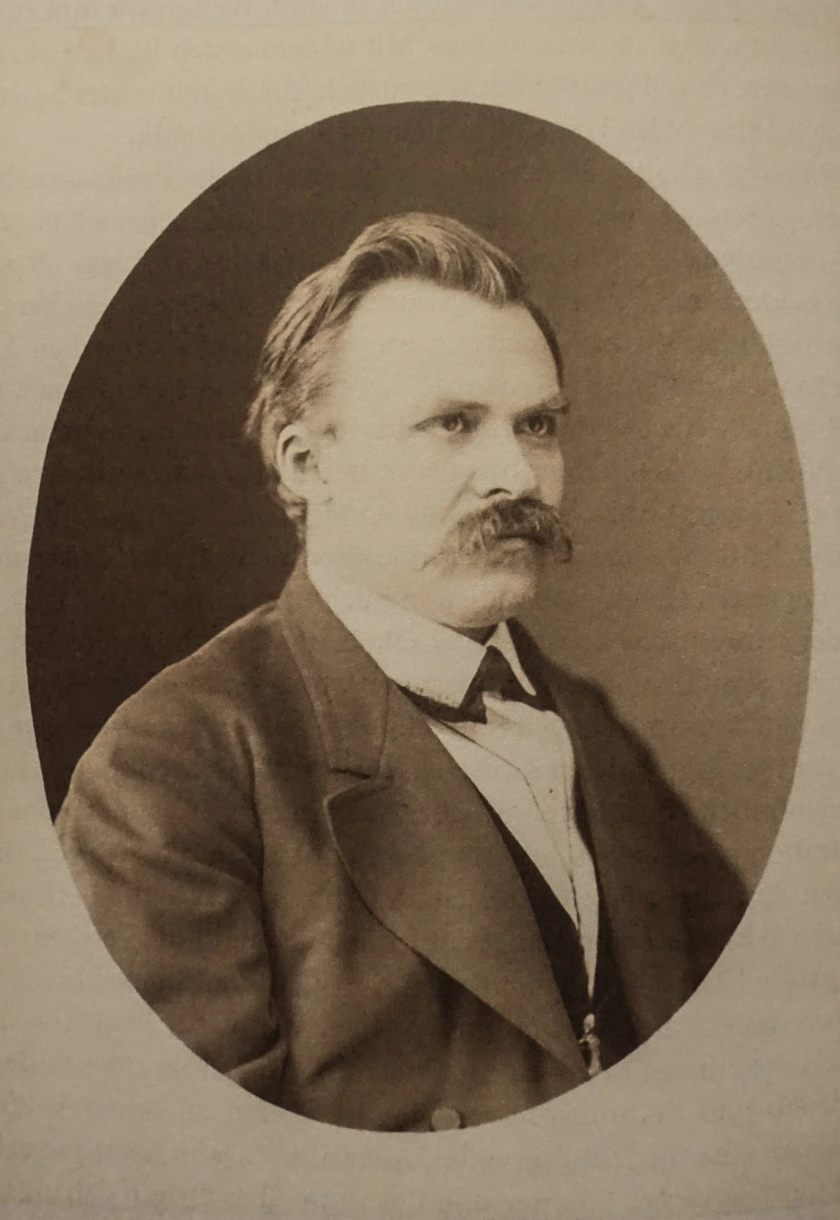
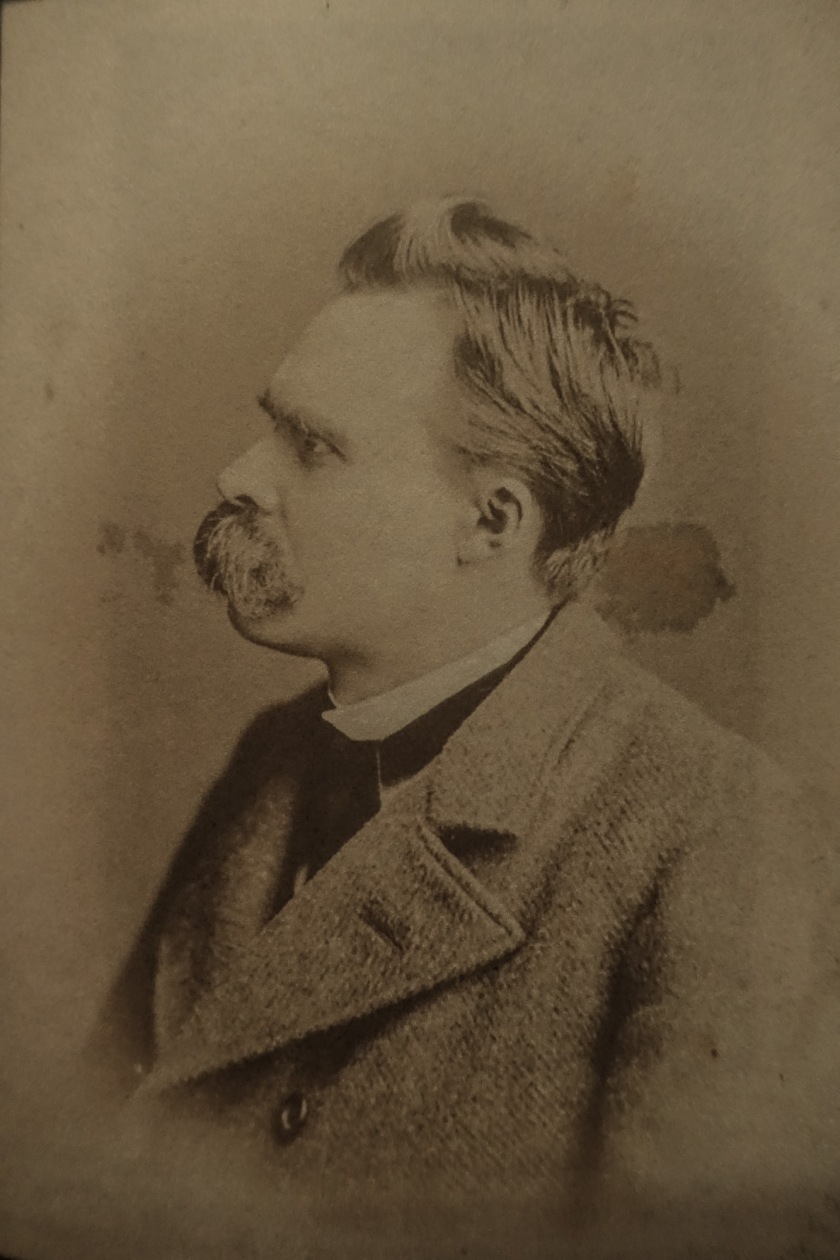
There are roughly 23 occasions, 47 pictures total, where there were pictures taken of Nietzsche, alone and in company.  Most pictures are from his time as a student and professor in Basel and from when he was sick. A lot of the pictures that you see here you can find on the internet, but I can recommend reading the book: “Habt ihr noch eine photographie von mir” From Hansdieter Erbsmehl. It is written in German and if that is no problem you will find a lot of information about each picture from what he is wearing to information about the letters he has written and wherein he talks about the pictures. Besides reading his own books and a biography this is a good way to place Nietzsche in his time and place.

DSC02029

Naumburg, 1861 16 years old. This is the first picture of Nietzsche.

DSC02030

Naumberg, 1862 17 years old. Part of a series of 3 pictures.

DSC02022

Healtresort in Halle/Saaie, 1868 23 years old.

DSC02024

Vacation in Lugano, 1871 26 years old

DSC02025

Professor Basel, 1873 28 years old.

DSC02033

Naumberg, 1882 37 years old. Part of a series of 5 pictures. The last pictures of Nietzsche before he got ill and the only ones made during his active period as a writer/philosopher.

DSC02026

With mother in Naumberg 1890/91 46 years old. Nietzsche is already sick here and no longer accountable for his actions.

DSC02028

Naumberg 1894 49/50 years old.

DSC02032

Naumberg 1899 55 years old. Part of a series of 16 pictures. One of the last pictures. of Nietzsche.


Day 639, Black holy-days.

Day's pictures

Day 639-1

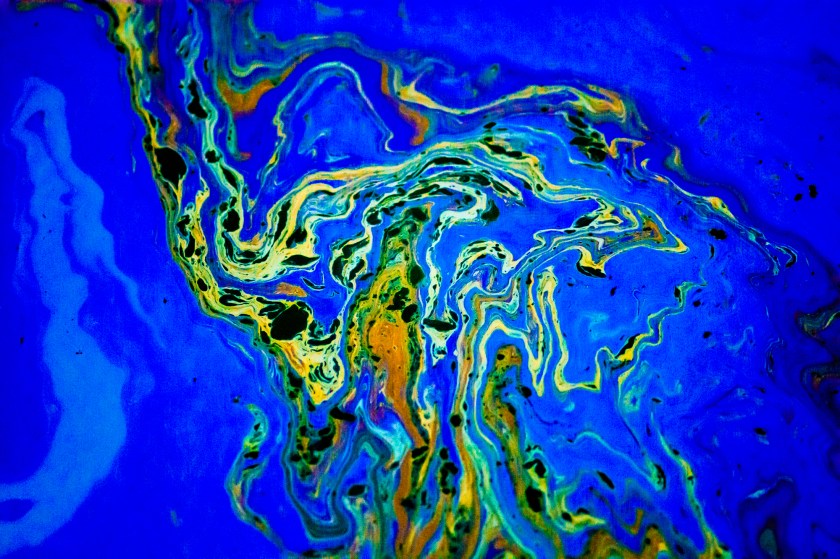
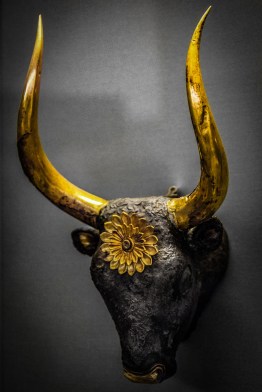
This is a picture from some oil floating on the water, it is a visual reminder of our pollution but in this case, it also looks cool. It’s like the beautiful Christmas decorations you see everywhere, this happy holiday represents two of our most damaging behaviors: commercialism and religion. Like the oil spill it also leaves a nice picture but we all know where it comes from, something black and toxic that lubricates our society.  Yeah, I’m not the person you want to spend these days with. People say that I have to lighten up but for me it’s no joke. I rather pick one or two day’s with the whole world and use those day’s to think about our sins than use this western tradition that has come from a  set of beliefs that no one believes in and shouldn’t believe in.

Human all too human: 37. Nevertheless.

Human all too human

Reading Friedrich Nietzsche’s Human all too human

Read the introduction here You can read the aphorism I discuss here in English and German below the main article.

My take on it.

  1. Research into morals have to be taken serious again.
DSC_1686Whatever you think of philosophy, the reanimation of moral observation is necessary. Important for this is the science that ask for the origins of moral sentiments and that solves complicated sociological problems, something the older philosophy did not do. The consequences can be seen in the wrong explanation of certain human actions and sensations by great philosophers. Like with the idea of unselfish actions and the false ethics that came from it, followed by a confused religion and a clouding of common sense. But superficial psychology seems to be the biggest enemy of progress and there is a lot of tedious work ahead. There is also a lot of bourgeoisie in popular psychology and serious researcher have to overcome that hurdle and make it a respectable science again, but results are already coming in from them. You can read it in the book: “On the Origin of Moral Sensations“ from Paul Ree.1 ” The moral man,” he says, ” is no nearer to the intelligible (metaphysical) world than is the physical man.” This idea, hardened by historical knowledge, may bringing down the ” metaphysical need ” of man, and if this good or bad for general wellbeing is hard to say, but it is important, and both fruitful and terrible like every two-face is looking in the world.


 Text from the translation by Helen Zimmern and my take on it

However it may be with reckoning and counter-reckoning, in the present condition of philosophy the awakening of moral observation is necessary. Humanity can no longer be spared the cruel sight of the psychological dissecting-table with its knives and forceps. Whatever you think of philosophy, reanimation of moral observation is necessary. For here rules that science which inquires into the origin and history of the so-called moral sentiments, and which, in its progress, has to draw up and solve complicated sociological problems: What rules in this area is the science that ask for the origins of moral sentiments and solve complicated sociological problems,   —the older philosophy knows the latter one not at all, and has always avoided the examination of the origin and history of moral sentiments on any feeble pretext. the older philosophy did none of that. With what consequences it is now very easy to see, after it has been shown by many examples how the mistakes of the greatest philosophers generally have their starting-point in a wrong explanation of certain human actions and sensations, The consequences can be seen in the wrong explanation of certain human actions and sensations by great philosophers. just as on the ground of an erroneous analysis—for instance, that of the so-called unselfish actions—a false ethic is built up ; then, to harmonise with this again, religion and mythological confusion are brought in to assist, and finally the shades of these dismal spirits fall also over physics and the general mode of regarding the world. Like with unselfish actions and the falls ethics that came from followed up by a confused religion and a clouding of physics and common thought. If it is certain, however, that superficiality in psychological observation has laid, and still lays, the most dangerous snares for human judgments and conclusions, then there is need now of that endurance of work which does not grow weary of piling stone upon stone, pebble on pebble; there is need of courage not to be ashamed of such humble work and to turn a deaf ear to scorn. But superficial psychology seems to be the biggest enemy of progress and there is a lot of tedious work ahead. And this is also true,—numberless single observations on the human and all-too-human have first been discovered, and given utterance to, in circles of society which were accustomed to offer sacrifice therewith to a clever desire to please, and not to scientific knowledge,—and the odour of that old home of the moral maxim, a very seductive odour, has attached itself almost inseparably to the whole species, so that on its account the scientific man involuntarily betrays a certain distrust of this species and its earnestness. And there is a lot of bourgeoisie in popular psychology and serious researcher have to overcome that. But it is sufficient to point to the consequences, for already it begins to be seen what results of a serious kind spring from the ground of psychological observation. But results are already coming in from serious research. What, after all, is the principal axiom to which the boldest and coldest thinker, the author of the book On the Origin of Moral Sensations, [5]has attained by means of his incisive and decisive analyses of human actions ? You can already read it in the book from Paul Ree.1 ” The moral man,” he says, ” is no nearer to the intelligible (metaphysical) world than is the physical man.” ” The moral man,” he says, ” is no nearer to the intelligible (metaphysical) world than is the physical man.” This theory, hardened and sharpened under the hammer-blow of historical knowledge, may some time or other, perhaps in some future period, serve as the axe which is applied to the root of the ” metaphysical need ” of man, This idea, hardened by historical knowledge, by bring down the ” metaphysical need ” of man, —whether more as a blessing than a curse to the general welfare it is not easy to say, but in any case as a theory with the most important consequences, at once fruitful and terrible, and looking into the world with that Janus-face which all great knowledge possesses. If it is for good or for bad for general wellbeing is hard to say, but it is important, both fruitful and terrible like every two-face is looking in the world.

1 Note form Hollingdale’s translation: The author of the book On the Origin of the Moral Sensations: again Paul Ree; the book, which is Ree’s chief work, was written during 1876-7 in the house in Sorrento in which Nietzsche was at the same time writing Human, All To Human


Human, all too human a book for free spirits Part I translated by Helen Zimmern 1909

37.NEVERTHELESS.—However it may be with reckoning and counter-reckoning, in t he present condition of philosophy the awakening of moral observation is necessary. Humanity can no longer be spared the cruel sight of the psychological dissecting-table with its knives and forceps. For here rules that science which inquires into the origin and history of the so-called moral sentiments, and which, in its progress, has to draw up and solve complicated sociological problems:—the older philosophy knows the latter one not at all, and has always avoided the examination of the origin and history of moral sentiments on any feeble pretext. With what consequences it is now very easy to see, after it has been shown by many examples how the mistakes of the greatest philosophers generally have their starting-point in a wrong explanation of certain human actions and sensations, just as on the ground of an erroneous analysis—for instance, that of the so-called unselfish actions—a false ethic is built up ; then, to harmonise with this again, religion and mythological confusion are brought in to assist, and finally the shades of these dismal spirits fall also over physics and the general mode of regarding the world. If it is certain, however, that superficiality in psychological observation has laid, and still lays, the most dangerous snares for human judgments and conclusions, then there is need now of that endurance of work which does not grow weary of piling stone upon stone, pebble on pebble; there is need of courage not to be ashamed of such humble work and to turn a deaf ear to scorn. And this is also true,—numberless single observations on the human and all-too-human have first been discovered, and given utterance to, in circles of society which were accustomed to offer sacrifice therewith to a clever desire to please, and not to scientific knowledge,—and the odour of that old home of the moral maxim, a very seductive odour, has attached itself almost inseparably to the whole species, so that on its account the scientific man involuntarily betrays a certain distrust of this species and its earnestness. But it is sufficient to point to the consequences, for already it begins to be seen what results of a serious kind spring from the ground of psychological observation. What, after all, is the principal axiom to which the boldest and coldest thinker, the author of the book On the Origin of Moral Sensations, [5]has attained by means of his incisive and decisive analyses of human actions ? ” The moral man,” he says, ” is no nearer to the intelligible (metaphysical) world than is the physical man.” This theory, hardened and sharpened under the hammer-blow of historical knowledge, may some time or other, perhaps in some future period, serve as the axe which is applied to the root of the ” metaphysical need ” of man,—whether more as a blessing than a curse to the general welfare it is not easy to say, but in any case as a theory with the most important consequences, at once fruitful and terrible, and looking into the world with that Janus-face which all great knowledge possesses.

Menschliches allzu menschlich 1878/80

  1. Trotzdem.- Wie es sich nun mit Rechnung und Gegenrechnung verhalte: in dem gegenwärtigen Zustande einer bestimmten einzelnen Wissenschaft ist die Auferweckung der moralischen Beobachtung nöthig geworden, und der grausame Anblick des psychologischen Secirtisches und seiner Messer und Zangen kann der Menschheit nicht erspart bleiben. Denn hier gebietet jene Wissenschaft, welche nach Ursprung und Geschichte der sogenannten moralischen Empfindungen fragt und welche im Fortschreiten die verwickelten sociologischen Probleme aufzustellen und zu lösen hat: – die ältere Philosophie kennt die letzteren gar nicht und ist der Untersuchung von Ursprung und Geschichte der moralischen Empfindungen unter dürftigen Ausflüchten immer aus dem Wege gegangen. Mit welchen Folgen: das lässt sich jetzt sehr deutlich überschauen, nachdem an vielen Beispielen nachgewiesen ist, wie die Irrthümer der grössten Philosophen gewöhnlich ihren Ausgangspunct in einer falschen Erklärung bestimmter menschlicher Handlungen und Empfindungen haben, wie auf Grund einer irrthümlichen Analysis, zum Beispiel der sogenannten unegoistischen Handlungen, eine falsche Ethik sich aufbaut, dieser zu Gefallen dann wiederum Religion und mythologisches Unwesen zu Hülfe genommen werden, und endlich die Schatten dieser trüben Geister auch in die Physik und die gesammte Weltbetrachtung hineinfallen. Steht es aber fest, dass die Oberflächlichkeit der psychologischen Beobachtung dem menschlichen Urtheilen und Schliessen die gefährlichsten Fallstricke gelegt hat und fortwährend von Neuem legt, so bedarf es jetzt jener Ausdauer der Arbeit, welche nicht müde wird, Steine auf Steine, Steinchen auf Steinchen zu häufen, so bedarf es der enthaltsamen Tapferkeit, um sich einer solchen bescheidenen Arbeit nicht zu schämen und jeder Missachtung derselben Trotz zu bieten. Es ist wahr: zahllose einzelne Bemerkungen über Menschliches und Allzumenschliches sind in Kreisen der Gesellschaft zuerst entdeckt und ausgesprochen worden, welche gewohnt waren, nicht der wissenschaftlichen Erkenntniss, sondern einer geistreichen Gefallsucht jede Art von Opfern darzubringen; und fast unlösbar hat sich der Duft jener alten Heimath der moralistischen Sentenz – ein sehr verführerischer Duft – der ganzen Gattung angehängt: so dass seinetwegen der wissenschaftliche Mensch unwillkürlich einiges Misstrauen gegen diese Gattung und ihre Ernsthaftigkeit merken lässt. Aber es genügt, auf die Folgen zu verweisen: denn schon jetzt beginnt sich zu zeigen, welche Ergebnisse ernsthaftester Art auf dem Boden der psychologischen Beobachtung aufwachsen. Welches ist doch der Hauptsatz zu dem einer der kühnsten und kältesten Denker, der Verfasser des Buches “Ueber den Ursprung der moralischen Empfindungen” vermöge seiner ein- und durchschneidenden Analysen des menschlichen Handelns gelangt? “Der moralische Mensch, sagt er, steht der intelligiblen (metaphysischen) Welt nicht näher, als der physische Mensch.” Dieser Satz, hart und schneidig geworden unter dem Hammerschlag der historischen Erkenntniss, kann vielleicht einmal, in irgendwelcher Zukunft, als die Axt dienen, welche dem “metaphysischen Bedürfniss” der Menschen an die Wurzel gelegt wird, – ob mehr zum Segen, als zum Fluche der allgemeinen Wohlfahrt, wer wüsste das zu sagen? – aber jedenfalls als ein Satz der erheblichsten Folgen, fruchtbar und furchtbar zugleich, und mit jenem Doppelgesichte in die Welt sehend, welches alle grossen Erkenntnisse haben.

Sources:

I will read a Dutch translation that is based on the work of researchers Colli and Montinari. I also use a translation from R.J.Hollingdale and the Gary Handwerk translation from the Colli-Montinari edition. Both are more modern than the copyright free translation I use here. This is a translation from 1909 by Helen Zimmern, who knew Nietzsche personally, but there was no critical study of Nietzsche’s work done back then and this translation suffers from that. The same goes for the translation from Alexander Harvey. My German is not good enough to pretend that I can translate it better than the professionals do but I will use the original as a referee.

  1. Menselijk al te menselijk een boek voor vrije geesten, translated by Thomas Graftdijk, 2000. Buy it here
  2. Human, all too human a book for free spirits, translated by R.J.Hollingdale, 1986
  3. Human, all too human a book for free spirits I V3, translated by Gary handwerk 1997
  4. Human, all too human a book for free spirits Part I, translated by Helen Zimmern 1909. Read it  here
  5. Human, all too human a book for free spirits, translated by Alexander Harvey, 1908. Read it here
  6. Menschliches allzu menschlich 1878/80. Read it here


Human all too human: 36. Objection.

Human all too human

Reading Friedrich Nietzsche’s Human all too human

Read the introduction here You can read the aphorism I discuss here in English and German below the main article.

My take on it.

  1. People don’t like intellectuals to look to close.

DSCF8614Is there a downside to psychological observations? Are we aware of the downside so we can divert future intellectuals away from it? It is better for the general well being to believe in the goodness of men and have shame for the nakedness of the soul, these qualities are only useful when psychological sharp-sightedness is needed, this believe in the goodness of men might as well been for the best. When one imitates Plutarch’s1 heroes with enthusiasm and don’t want to see their motives you will benefit society with that, but not the truth, the psychological mistake and weakness when you do this is beneficial for humanity. Truth is better served with the words used by La Rochefoucauld in his forward to “Sentences et maximes morales.”3: “That which the world calls virtue is usually nothing, but a phantom formed by our passions to which we give an honest name so as to do what we wish with impunity.” He, and others like Paul Rée4 resemble good marksmen who again and again hit the bull’s-eye of human nature. What they do is amazing but the small minded people that are not driven by science but by love for mankind will condemn them.


Text from the translation by Helen Zimmern and my take on it

Or should there be a counter-reckoning to that theory that places psychological observation amongst the means of charming, curing, and relieving existence ? Is there a downside to psychological observations? Should one have sufficiently convinced one’s self of the unpleasant consequences of this art to divert from it designedly the attention of him who is educating himself in it? Are we aware of the downside so we can divert future interlectuals? As a matter of fact, a certain blind belief in the goodness of human nature, an innate aversion to the analysis of human actions, a kind of shamefacedness with respect to the nakedness of the soul may really be more desirable for the general well- being of a man than that quality, useful in isolated cases, of psychological sharp-sightedness ; It is better for the general health to believe in the goodness of men and have shame for the nakedness of the soul, these qualities are only useful when psychological sharp-sightedness is needed.   and perhaps the belief in goodness, in virtuous men and deeds, in an abundance of impersonal good-will in the world, has made men better inasmuch as it has made them less distrustful. This believe in the goodness of men might as well been for the best. When one imitates Plutarch’s heroes with enthusiasm, and turns with disgust from a suspicious examination of the motives for their actions, it is not truth which benefits thereby, but the welfare of human society ; When one imitates Plutarch’s1 heroes with enthusiasm and don’t want to see their motives you will benefit society with that and not the truth.  the psychological mistake and, generally speaking, the insensibility on this matter helps humanity forwards, The psychological mistake and weakness in this case is beneficial for humanity.  while the recognition of truth gains more through the stimulating power of hypothesis than La Rochefoucauld2 has said in his preface to the first edition of his “Sentences et maximes morales.”. . . Truth is better served with the words of La Rochefoucauld in his forward to “Sentences et maximes morales.”3:  “Ce que le monde nomme vertu n’est d’ordinaire qu’un fantôme formé par nos passions, à qui on donne un nom honnête pour faire impunément ce qu’on veut.” That which the world calls virtue is usually nothing, but a phantom formed by our passions to which we give an honest name so as to do what we wish with impunity.” La Rochefoucauld and those other French masters of soul-examination (who have lately been joined by a German, the author of Psychological Observations [4]) resemble good marksmen who again and again hit the bull’s-eye but it is the bull’s-eye of human nature. He, and others like Paul Rée4 resemble good marksmen who again and again hit the bull’s-eye of human nature.; Their art arouses astonishment ; but in the end a spectator who is not led by the spirit of science, but by humane intentions, will probably execrate an art which appears to implant in the soul the sense of the disparagement and suspicion of mankind. What they do is amazing but the people that are not driven by science but by love for mankind will condemn it.

1 Plutarch’s Lives of the Noble Greeks and Romans, commonly called Parallel Lives or Plutarch’s Lives, is a series of biographies of famous men, arranged in tandem to illuminate their common moral virtues or failings, probably written at the beginning of the second century AD. (read more)

2 François VI, Duc de La Rochefoucauld, Prince de Marcillac; 15 September 1613 – 17 March 1680) was a noted French author of maxims and memoirs. It is said that his world-view was clear-eyed and urbane, and that he neither condemned human conduct nor sentimentally celebrated it. (read more)

3 There are many version of this book so this specific forward is hard to find but here you can read the book as it is presented now.

4 Paul Ludwig Carl Heinrich Rée (21 November 1849 – 28 October 1901) was a German author and philosopher, and friend of Friedrich Nietzsche. (read more)


Human, all too human a book for free spirits Part I translated by Helen Zimmern 1909

  1. OBJECTION.—Or should there be a counter-reckoning to that theory that places psychological observation amongst the means of charming, curing, and relieving existence ? Should one have sufficiently convinced one’s self of the unpleasant consequences of this art to divert from it designedly the attention of him who is educating himself in it? As a matter of fact, a certain blind belief in the goodness of human nature, an innate aversion to the analysis of human actions, a kind of shamefacedness with respect to the nakedness of the soul may really be more desirable for the general well- being of a man than that quality, useful in isolated cases, of psychological sharp-sightedness ; and perhaps the belief in goodness, in virtuous men and deeds, in an abundance of impersonal good-will in the world, has made men better inasmuch as it has made them less distrustful. When one imitates Plutarch’s heroes with enthusiasm, and turns with disgust from a suspicious examination of the motives for their actions, it is not truth which benefits thereby, but the welfare of human society ; the psychological mistake and, generally speaking, the insensibility on this matter helps humanity forwards, while the recognition of truth gains more through the stimulating power of hypothesis than La Rochefoucauld has said in his preface to the first edition of his “Sentences et maximes morales.”. . . “Ce que le monde nomme vertu n’est d’ordinaire qu’un fantôme formé par nos passions, à qui on donne un nom honnête pour faire impunément ce qu’on veut.” La Rochefoucauld and those other French masters of soul-examination (who have lately been joined by a German, the author of Psychological Observations [4]) resemble good marksmen who again and again hit the bull’s-eye ; but it is the bull’s-eye of human nature. Their art arouses astonishment ; but in the end a spectator who is not led by the spirit of science, but by humane intentions, will probably execrate an art which appears to implant in the soul the sense of the disparagement and suspicion of mankind.

Menschliches allzu menschlich 1878/80

Zweites Hauptstück, zur Geschichte der moralischen Empfindungen.


  1. Einwand.- Oder sollte es gegen jenen Satz, dass die psychologische Beobachtung zu den Reiz-, Heil- und Erleichterungsmitteln des Daseins gehöre, eine Gegenrechnung geben? Sollte man sich genug von den unangenehmen Folgen dieser Kunst überzeugt haben, um jetzt mit Absichtlichkeit den Blick der sich Bildenden von ihr abzulenken? In der That, ein gewisser blinder Glaube an die Güte der menschlichen Natur, ein eingepflanzter Widerwille vor der Zerlegung menschlicher Handlungen, eine Art Schamhaftigkeit in Hinsicht auf die Nacktheit der Seele mögen wirklich für das gesammte Glück eines Menschen wünschenswerthere Dinge sein, als jene, in einzelnen Fällen hilfreiche Eigenschaft der psychologischen Scharfsichtigkeit; und vielleicht hat der Glaube an das Gute, an tugendhafte Menschen und Handlungen, an eine Fülle des unpersönlichen Wohlwollens in der Welt die Menschen besser gemacht, insofern er dieselben weniger misstrauisch machte. Wenn man die Helden Plutarch’s mit Begeisterung nachahmt, und einen Abscheu davor empfindet, den Motiven ihres Handelns anzweifelnd nachzuspüren, so hat zwar nicht die Wahrheit, aber die Wohlfahrt der menschlichen Gesellschaft ihren Nutzen dabei: der psychologische Irrthum und überhaupt die Dumpfheit auf diesem Gebiete hilft der Menschlichkeit vorwärts, während die Erkenntniss der Wahrheit vielleicht durch die anregende Kraft einer Hypothese mehr gewinnt, wie sie La Rochefoucauld der ersten Ausgabe seiner “Sentences et maximes morales” vorangestellt hat: “Ce que le monde nomme vertu n’est d’ordinaire qu’un fantôame formé par nos passions, ŕ qui on donne un nom honnęte pour faire impunément ce qu’on veut.” La Rochefoucauld und jene anderen französischen Meister der Seelenprüfung (denen sich neuerdings auch ein Deutscher, der Verfasser der “Psychologischen Beobachtungen” zugesellt hat) gleichen scharf zielenden Schützen, welche immer und immer wieder in’s Schwarze treffen, – aber in’s Schwarze der menschlichen Natur. Ihr Geschick erregt Staunen, aber endlich verwünscht ein Zuschauer, der nicht vom Geiste der Wissenschaft, sondern der Menschenfreundlichkeit geleitet wird, eine Kunst, welche den Sinn der Verkleinerung und Verdächtigung in die Seelen der Menschen zu pflanzen scheint.

Sources:

I will read a Dutch translation that is based on the work of researchers Colli and Montinari. I also use a translation from R.J.Hollingdale and the Gary Handwerk translation from the Colli-Montinari edition. Both are more modern than the copyright free translation I use here. This is a translation from 1909 by Helen Zimmern, who knew Nietzsche personally, but there was no critical study of Nietzsche’s work done back then and this translation suffers from that. The same goes for the translation from Alexander Harvey. My German is not good enough to pretend that I can translate it better than the professionals do but I will use the original as a referee.

  1. Menselijk al te menselijk een boek voor vrije geesten, translated by Thomas Graftdijk, 2000. Buy it here
  2. Human, all too human a book for free spirits, translated by R.J.Hollingdale, 1986
  3. Human, all too human a book for free spirits I V3, translated by Gary handwerk 1997
  4. Human, all too human a book for free spirits Part I, translated by Helen Zimmern 1909. Read it  here
  5. Human, all too human a book for free spirits, translated by Alexander Harvey, 1908. Read it here
  6. Menschliches allzu menschlich 1878/80. Read it here


Day 637, Slowly dissolving.

Day's pictures

Day 637-1

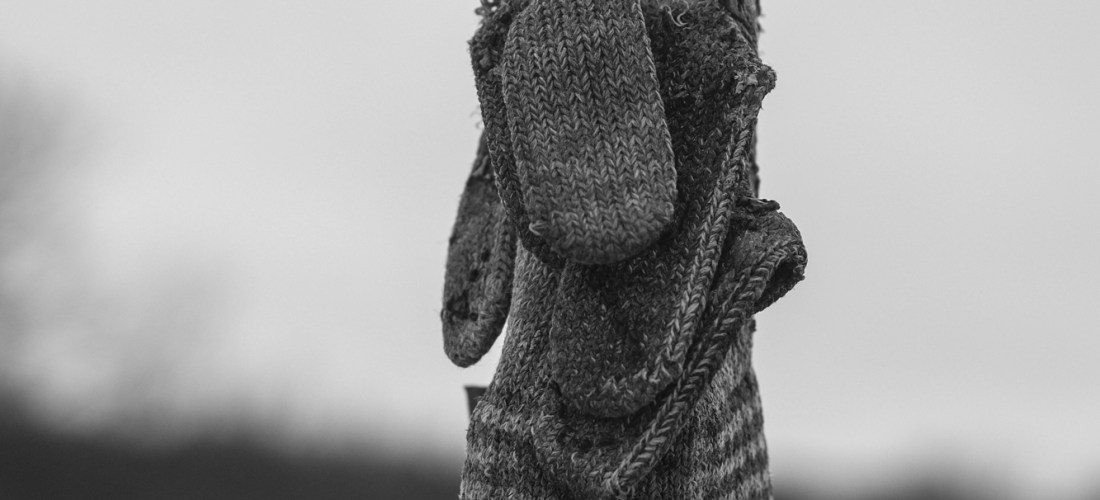
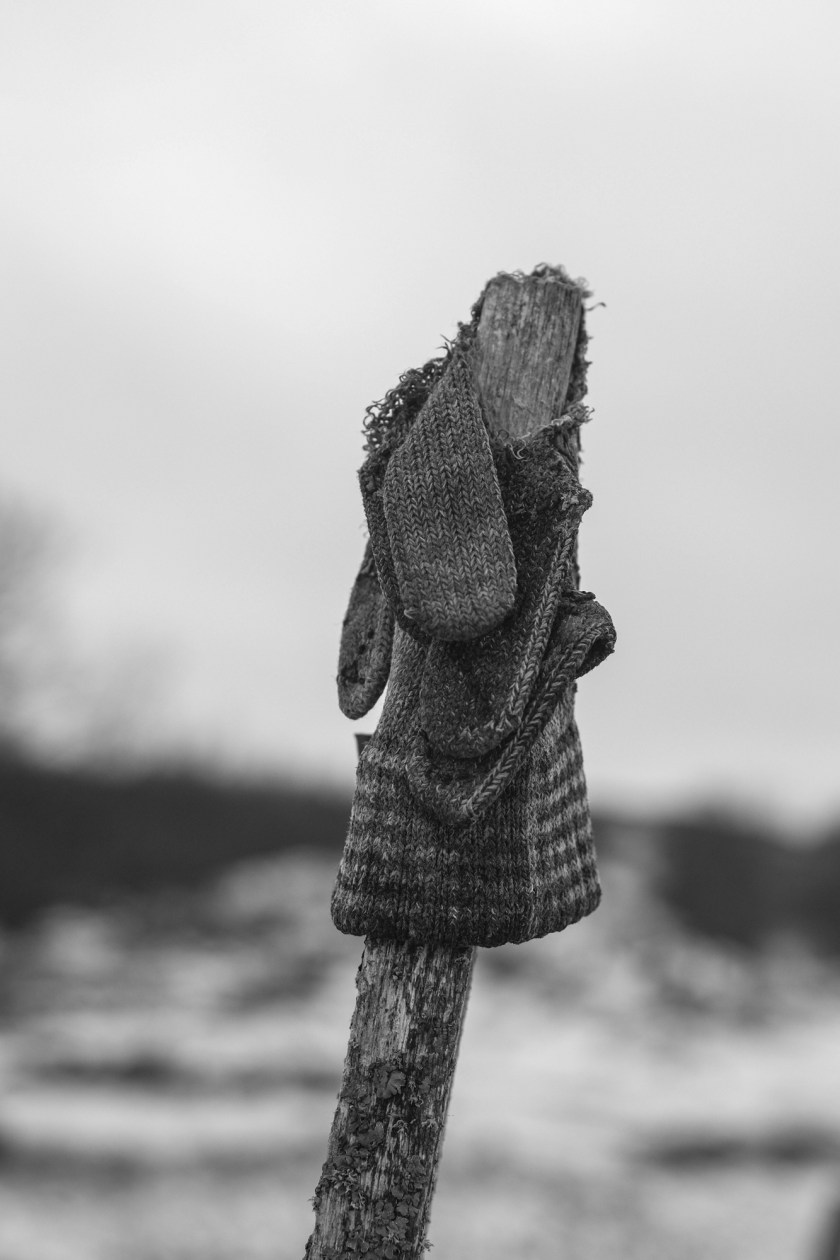
I like taking pictures of old, weathered buildings. A long time ago someone was lying in bed thinking about the nice barn they had made that day, how he saved all the money needed to buy the materials and the many hours it took to build it. Now it is standing there, abandoned, and maybe thought of for a minute a year by the owners, if there are any. It is kind of sad, an object with out an owner or purpose is all alone, if it could be. It is just standing there, with all the marks of a rich life, slowly dissolving back into the earth while it ones was used and build with a purpose. If I look at this still image I realize that, that lock will never be used again and will sit there till the end, some of the paint will be washed away by heavy rain and loose its last grip in a storm, and the wood is slowly eaten molecule by molecule by time till it is all gone.

Human all too human: 35. Advantages of psychological observations.

Human all too human

Reading Friedrich Nietzsche’s Human all too human

Read the introduction here,You can read the aphorism I discuss here in English and German below the main article.

My take on it.

Chapter two, The history of the moral sentiments.

  1. Write maxims and life is easier.

DSC_1727Thinking about our human behavior can make life easier, if you do this it will make you more aware, even in difficult situations it will give you guidelines and make you feel better. This was once common knowledge but is now forgotten? It is clearly visible in Europe, not so much in literature and philosophical writings, because they are the works of exceptional individuals, but in the judgments on public events and personalities by the people, especially the lack of psychological analysis is noticeable in every rank of society where there is a lot of talk about men but not much about man. Why do we not talk or read more about this rich and harmless subject? Almost no one reads La Rochefoucault or similar books with maxims1, and even rarer are the ones that not blame these writers. But even these exceptional people that read it have a hard time finding all the pleasure in these maxims because they have never tried to make them themselves. Without this path of studying and polishing it will look easier than it is, and he will find therefore les pleasure in reading these maxims. So, they look like people who praise because they cannot love, and are very ready to admire, but still more ready to run away. 

1 A short, pithy statement expressing a general truth or rule of conduct.


Text from the translation by Helen Zimmern and my take on it

SECOND DIVISION – The History of the moral sentiments.

That reflection on the human, all-too-human—or, according to the learned expression, psychological observation—is one of the means by which one may lighten the burden of life, Thinking about our human behavior can make live easier,  that exercise in this art produces presence of mind in difficult circumstances, if exercised it will make you more aware, in the midst of tiresome surroundings, even that from the most thorny and unpleasant periods of one’s own life one may gather maxims and thereby feel a little better: even in difficult situations it will give you rules and make you feel better. all this was believed, was known in former centuries. Why was it forgotten by our century, This was ones common knowledge but is now forgotten? when in Germany at least, even in all Europe, the poverty of psychological observation betrays itself by many signs? Not exactly in novels, tales, and philosophical treatises,—they are the work of exceptional individuals, It is clearly visible in Europe, not so much in literature and philosophical writings because they are the works of exceptional individuals, —rather in the judgments on public events and personalities ; but in the judgments on public events and personalities, but above all there is a lack of the art of psychological analysis and summing-up in every rank of society, especially the lack of psychological analysis is noticeable in every rank of society in which a great deal is talked about men, but nothing about man. where there is a lot of talk about men but not much about man. Why do we allow the richest and most harmless subject of conversation to escape us ? Why are not the great masters of psychological maxims more read ? Why do we not talk or read about this rich and harmless subject? For, without any exaggeration, the educated man in Europe who has read La Rochefoucauld and his kindred in mind and art, is rarely found, and still more rare is he who knows them and does not blame them. Almost no one reads La Rochefoucault or similar books, and even rarer are the ones that not blame these writers. It is probable, however, that even this exceptional reader will find much less pleasure in them than the form of this artist should afford him ; for even the clearest head is not capable of rightly estimating the art of shaping and polishing maxims unless he has really been brought up to it and has competed in it. But even these exceptional readers have a hard time finding all the pleasure in there maxims because they have never tried to make them themselves. Without this practical teaching one deems this shaping and polishing to be easier than it is ; one has not a sufficient perception of fitness and charm. For this reason the present readers of maxims find in them a comparatively small pleasure, hardly a mouthful of pleasantness, Without this path it looks easier than it is and he will find therefore les pleasure in reading these maxims. so that they resemble the people who generally look at cameos, who praise because they cannot love, and are very ready to admire, but still more ready to run away. So they look like people who praise because they cannot love, and are very ready to admire, but still more ready to run away.


Human, all too human a book for free spirits Part I translated by Helen Zimmern 1909

SECOND DIVISION – The History Of The Moral Sentiments.

  1. ADVANTAGES OF PSYCHOLOGICAL OBSERVATION.—That reflection on the human, all-too-human—or,according to the learned expression, psychological observation—is one of the means by which one may lighten the burden of life, that exercise in this art produces presence of mind in difficult circumstances, in the midst of tiresome surroundings, even that from the most thorny and unpleasant periods of one’s own life one may gather maxims and thereby feel a little better: all this was believed, was known in former centuries. Why was it forgotten by our century, when in Germany at least, even in all Europe, the poverty of psychological observation betrays itself by many signs? Not exactly in novels, tales, and philosophical treatises,—they are the work of exceptional individuals,—rather in the judgments on public events and personalities ; but above all there is a lack of the art of psychological analysis and summing-up in every rank of society, in which a great deal is talked about men, but nothing about man. Why do we allow the richest and most harmless subject of conversation to escape us ? Why are not the great masters of psychological maxims more read ? For, without any exaggeration, the educated man in Europe who has read La Rochefoucauld and his kindred in mind and art, is rarely found, and still more rare is he who knows them and does not blame them. It is probable, however, that even this exceptional reader will find much less pleasure in them than the form of this artist should afford him ; for even the clearest head is not capable of rightly estimating the art of shaping and polishing maxims unless he has really been brought up to it and has competed in it. Without this practical teaching one deems this shaping and polishing to be easier than it is ; one has not a sufficient perception of fitness and charm. For this reason the present readers of maxims find in them a comparatively small pleasure, hardly a mouthful of pleasantness, so that they resemble the people who generally look at cameos, who praise because they cannot love, and are very ready to admire, but still more ready to run away.

Menschliches allzu menschlich 1878/80

Zweites Hauptstück, zur Geschichte der moralischen Empfindungen.

  1. Vortheile der psychologischen Beobachtung. – Dass das Nachdenken über Menschliches, Allzumenschliches – oder wie der gelehrtere Ausdruck lautet: die psychologische Beobachtung – zu den Mitteln gehöre, vermöge deren man sich die Last des Lebens erleichtern könne, dass die Uebung in dieser Kunst Geistesgegenwart in schwierigen Lagen und Unterhaltung inmitten einer langweiligen Umgebung verleihe, ja dass man den dornenvollsten und unerfreulichsten Strichen des eigenen Lebens Sentenzen abpflücken und sich dabei ein Wenig wohler fühlen könne: das glaubte man, wusste man – in früheren Jahrhunderten. Warum vergass es dieses Jahrhundert, wo wenigstens in Deutschland, ja in Europa, die Armuth an psychologischer Beobachtung durch viele Zeichen sich zu erkennen giebt? Nicht gerade in Roman, Novelle und philosophischer Betrachtung, – diese sind das Werk von Ausnahmemenschen; schon mehr in der Beurtheilung öffentlicher Ereignisse und Persönlichkeiten: vor Allem aber fehlt die Kunst der psychologischen Zergliederung und Zusammenrechnung in der Gesellschaft aller Stände, in der man wohl viel über Menschen, aber gar nicht über den Menschen spricht. Warum doch lässt man sich den reichsten und harmlosesten Stoff der Unterhaltung entgehen? Warum liest man nicht einmal die grossen Meister der psychologischen Sentenz mehr? – denn, ohne jede Uebertreibung gesprochen: der Gebildete in Europa, der La Rochefoucauld und seine Geistes- und Kunstverwandten gelesen hat, ist selten zu finden; und noch viel seltener Der, welcher sie kennt und sie nicht schmäht. Wahrscheinlich wird aber auch dieser ungewöhnliche Leser viel weniger Freude an ihnen haben, als die Form jener Künstler ihm geben sollte; denn selbst der feinste Kopf ist nicht vermögend, die Kunst der Sentenzen-Schleiferei gebührend zu würdigen, wenn er nicht selber zu ihr erzogen ist, in ihr gewetteifert hat. Man nimmt, ohne solche practische Belehrung, dieses Schaffen und Formen für leichter als es ist, man fühlt das Gelungene und Reizvolle nicht scharf genug heraus. Desshalb haben die jetzigen Leser von Sentenzen ein verhältnissmässig unbedeutendes Vergnügen an ihnen, ja kaum einen Mund voll Annehmlichkeit, so dass es ihnen ebenso geht, wie den gewöhnlichen Betrachtern von Kameen: als welche loben, weil sie nicht lieben können und schnell bereit sind zu bewundern, schneller aber noch, fortzulaufen.

Sources:

I will read a Dutch translation that is based on the work of researchers Colli and Montinari. I also use a translation from R.J.Hollingdale and the Gary Handwerk translation from the Colli-Montinari edition. Both are more modern than the copyright free translation I use here. This is a translation from 1909 by Helen Zimmern, who knew Nietzsche personally, but there was no critical study of Nietzsche’s work done back then and this translation suffers from that. The same goes for the translation from Alexander Harvey. My German is not good enough to pretend that I can translate it better than the professionals do but I will use the original as a referee.

  1. Menselijk al te menselijk een boek voor vrije geesten, translated by Thomas Graftdijk, 2000. Buy it here
  2. Human, all too human a book for free spirits, translated by R.J.Hollingdale, 1986
  3. Human, all too human a book for free spirits I V3, translated by Gary handwerk 1997
  4. Human, all too human a book for free spirits Part I, translated by Helen Zimmern 1909. Read it  here
  5. Human, all too human a book for free spirits, translated by Alexander Harvey, 1908. Read it here
  6. Menschliches allzu menschlich 1878/80. Read it here


Human all too human: 34. For tranquillity.

Human all too human

Reading Friedrich Nietzsche’s Human all too human

Read the introduction here You can read the aphorism I discuss here in English and German below the main article.

My take on it.

  1. Life is a bitch, but I can imagine a better one.

DSCF8639Is our philosophy now a tragedy? is truth hostile to life and improvement? Can we live in a lie, or is death better? Because, there is no “must do”, our way of seeing the world has destroyed morality. Our knowledge only excepts pleasure and pain, benefit, and injury as grounds for action, but how do they work with the truth? Our preferences or dislikes make wrong assessments and determine with it our pleasure and pain. Human life is one big lie, and no one can escape this without cursing his past and finding his present motives, like honor, worthless and the ideals that drive him seem ridiculous. Is there only despair left with a philosophy of destruction? I think this is determined by the temperament of man. I can imagine a life that is less affected by emotions and it would slowly lose it’s bad habits through the influence of knowledge.  Finally, you could live amongst men and on selves without praise, reproach, or agitation, feasting one’s eyes, as if it were a play, upon much of which one was formerly afraid. No more emphasis and attention on the thought that one is nature or more than nature. You need a more positive stance in life and not the qualities of old dogs and people chained for too long. You need people that live for knowledge and can live with less and ignore common values and practices. This person like to share this pleasure and lifestyle, it’s probably the only thing he can share to his detriment. But if more is asked of him he will point to his brother, the free man of action, with a slight scorn because his freedom is a particular one.   


Text from the translation by Helen Zimmern and my take on it

But does not our philosophy thus become a tragedy ? Does not truth become hostile to life, to improvement? Is our philosophy now a tragedy, is truth hostile to life and improvement? A question seems to weigh upon our tongue and yet hesitate to make itself heard : whether one can consciously remain in untruthfulness? or, supposing one were obliged to do this, would not death be preferable? One question remains: can we live in a lie, or is death better? For there is no longer any ” must “; morality, in so far as it had any ” must ” or ” shalt, has been destroyed by our mode of contemplation, just as religion has been destroyed. Because there is no “must do”, our way of seeing the world has destroyed morality like the church before. Knowledge can only allow pleasure and pain, benefit and injury to subsist as motives; but how will these motives agree with the sense of truth? Knowledge only excepts pleasure and pain, benefit, and injury as grounds for action, but how do they work with the truth? They also contain errors (for, as already said, inclination and aversion, and their very incorrect determinations, practically regulate our pleasure and pain). But these have errors too, as said before, preference or aversion make wrong assessments and determine with it our pleasure and pain.   The whole of human life is deeply immersed in untruthfulness; the individual cannot draw it up out of this well, without thereby taking a deep dislike to his whole past, Human life is one big lie, and no one can escape this without cursing his past,   without finding his present motives —those of honor, for instance—inconsistent, and without opposing scorn and disdain to the passions which conduce to happiness in the future. and  finding his present motives, like honor, worthless and the ideals that drive him seem ridiculous- Is it true that there remains but one sole way of thinking which brings after it despair as a personal experience, as a theoretical result, a philosophy of dissolution, disintegration, and self-destruction? Is there only despair left with a philosophy of destruction? I believe that the decision with regard to the after- effects of the knowledge will be given through the temperament of a man; I think this is determined by the temperament of man. I could imagine another after-effect, just as well as that one described, which is possible in certain natures, by means of which a life would arise much simpler, freer from emotions than is the present one, I can imagine a life that is less affected by emotions so that though at first, indeed, the old motives of passionate desire might still have strength from old hereditary habit, they would gradually become weaker under the influence of purifying knowledge. and it would slowly lose it’s bad habits through the influence of knowledge.  One would live at last amongst men, and with one’s self as with Nature without praise, reproach, or agitation, feasting one’s eyes, as if it were a play, upon much of which one was formerly afraid. Finally, you could live amongst men and on selves without praise, reproach, or agitation, feasting one’s eyes, as if it were a play, upon much of which one was formerly afraid. One would be free from the emphasis, and would no longer feel the goading, of the thought that one is not only nature or more than nature. No more emphasis and attention on the thought that one is nature or more than nature Certainly, as already remarked, a good temperament would be necessary for this, an even, mild, and naturally joyous soul, a disposition which would not always need to be on its guard against spite and sudden outbreaks, and would not convey in its utterances anything of a grumbling or sudden nature, As mentioned before you need a more positive stance in life,—those well-known vexatious qualities of old dogs and men who have been long chained up. and not the qualities of old dogs and people chained for too long. On the contrary, a man from whom the ordinary fetters of life have so far fallen that he continues to live only for the sake of ever better knowledge must be able to renounce without envy and regret: much, indeed almost everything that is precious to other men, he must regard as the all- sufficing and the most desirable condition; the free, fearless soaring over men, customs, laws, and the traditional valuations of things. You need people that live for knowledge and can live with less and ignore common values and practices. The joy of this condition he imparts willingly, and he has perhaps nothing else to impart,—wherein, to be sure, there is more privation and renunciation. This person like to share this pleasure and lifestyle, it’s probably the only thing he can share to his detriment. If, nevertheless, more is demanded from him, he will point with a friendly shake of his head to his brother, the free man of action, and will perhaps not conceal a little derision, for as regards this ” freedom ” it is a very peculiar case. But if more is asked of him he will point to his brother, the free man of action, with a slight scorn because about his freedom is a particular one.   


Human, all too human a book for free spirits Part I translated by Helen Zimmern 1909

  1. FOR TRANQUILLITY.—But does not our philosophy thus become a tragedy ? Does not truth become hostile to life, to improvement ? A question seems to weigh upon our tongue and yet hesitate to make itself heard : whether one can consciously remain in untruthfulness ? or, supposing one were obliged to do this, would not death be preferable ? For there is no longer any ” must ” ; morality, in so far as it had any ” must ” or ” shalt, has been destroyed by our mode of contemplation, just as religion has been destroyed. Knowledge can only allow pleasure and pain, benefit and injury to subsist as motives ; but how will these motives agree with the sense of truth ? They also contain errors (for, as already said, inclination and aversion, and their very incorrect determinations, practically regulate our pleasure and pain). The whole of human life is deeply immersed in untruthfulness ; the individual cannot draw it up out of this well, without thereby taking a deep dislike to his whole past, without finding his present motives —those of honour, for instance—inconsistent, and without opposing scorn and disdain to the passions which conduce to happiness in the future. Is it true that there remains but one sole way of thinking which brings after it despair as a personal experience, as a theoretical result, a philosophy of dissolution, disintegration, and self-destruction ? I believe that the decision with regard to the after- effects of the knowledge will be given through the temperament of a man ; I could imagine another after-effect, just as well as that one described, which is possible in certain natures, by means of which a life would arise much simpler, freer from emotions than is the present one, so that though at first, indeed, the old motives of passionate desire might still have strength from old hereditary habit, they would gradually become weaker under the influence of purifying knowledge. One would live at last amongst men, and with one’s self as with Nature without praise, reproach, or agitation, feasting one’s eyes, as if it were a play, upon much of which one was formerly afraid. One would be free from the emphasis, and would no longer feel the goading, of the thought that one is not only nature or more than nature. Certainly, as already remarked, a good temperament would be necessary for this, an even, mild, and naturally joyous soul, a disposition which would not always need to be on its guard against spite and sudden outbreaks, and would not convey in its utterances anything of a grumbling or sudden nature,—those well-known vexatious qualities of old dogs and men who have been long chained up. On the contrary, a man from whom the ordinary fetters of life have so far fallen that he continues to live only for the sake of ever better knowledge must be able to renounce without envy and regret : much, indeed almost everything that is precious to other men, he must regard as the all- sufficing and the most desirable condition ; the free, fearless soaring over men, customs, laws, and the traditional valuations of things. The joy of this condition he imparts willingly, and he has perhaps nothing else to impart,—wherein, to be sure, there is more privation and renunciation. If, nevertheless, more is demanded from him, he will point with a friendly shake of his head to his brother, the free man of action, and will perhaps not conceal a little derision, for as regards this ” freedom ” it is a very peculiar case.

Menschliches allzu menschlich 1878/80

  1. Zur Beruhigung.- Aber wird so unsere Philosophie nicht zur Tragödie? Wird die Wahrheit nicht dem Leben, dem Besseren feindlich? Eine Frage scheint uns die Zunge zu beschweren und doch nicht laut werden zu wollen: ob man bewusst in der Unwahrheit bleiben könne? oder, wenn man diess müsse, ob da nicht der Tod vorzuziehen sei? Denn ein Sollen giebt es nicht mehr; die Moral, insofern sie ein Sollen war, ist ja durch unsere Betrachtungsart ebenso vernichtet wie die Religion. Die Erkenntniss kann als Motive nur Lust und Unlust, Nutzen und Schaden bestehen lassen: wie aber werden diese Motive sich mit dem Sinne für Wahrheit auseinandersetzen? Auch sie berühren sich ja mit Irrthümern (insofern, wie gesagt, Neigung und Abneigung und ihre sehr ungerechten Messungen unsere Lust und Unlust wesentlich bestimmen). Das ganze menschliche Leben ist tief in die Unwahrheit eingesenkt; der Einzelne kann es nicht aus diesem Brunnen herausziehen, ohne dabei seiner Vergangenheit aus tiefstem Grunde gram zu werden, ohne seine gegenwärtigen Motive, wie die der Ehre, ungereimt zu finden und den Leidenschaften, welche zur Zukunft und zu einem Glück in derselben hindrängen, Hohn und Verachtung entgegenzustellen. Ist es wahr, bliebe einzig noch eine Denkweise übrig, welche als persönliches Ergebniss die Verzweifelung, als theoretisches eine Philosophie der Zerstörung nach sich zöge? – Ich glaube, die Entscheidung über die Nachwirkung der Erkenntniss wird durch das Temperament eines Menschen gegeben: ich könnte mir eben so gut, wie jene geschilderte und bei einzelnen Naturen mögliche Nachwirkung, eine andere denken, vermöge deren ein viel einfacheres, von Affecten reineres Leben entstünde, als das jetzige ist: so dass zuerst zwar die alten Motive des heftigeren Begehrens noch Kraft hätten, aus alter vererbter Gewöhnung her, allmählich aber unter dem Einflusse der reinigenden Erkenntniss schwächer würden. Man lebte zuletzt unter den Menschen und mit sich wie in der Natur, ohne Lob, Vorwürfe, Ereiferung, an Vielem sich wie an einem Schauspiel weidend, vor dem man sich bisher nur zu fürchten hatte. Man wäre die Emphasis los und würde die Anstachelung des Gedankens, dass man nicht nur Natur oder mehr als Natur sei, nicht weiter empfinden. Freilich gehörte hierzu, wie gesagt, ein gutes Temperament, eine gefestete, milde und im Grunde frohsinnige Seele, eine Stimmung, welche nicht vor Tücken und plötzlichen Ausbrüchen auf der Hut zu sein brauchte und in ihren Aeusserungen Nichts von dem knurrenden Tone und der Verbissenheit an sich trüge, – jenen bekannten lästigen Eigenschaften alter Hunde und Menschen, die lange an der Kette gelegen haben. Vielmehr muss ein Mensch, von dem in solchem Maasse die gewöhnlichen Fesseln des Lebens abgefallen sind, dass er nur deshalb weiter lebt, um immer besser zu erkennen, auf Vieles, ja fast auf Alles, was bei den anderen Menschen Werth hat, ohne Neid und Verdruss verzichten können, ihm muss als der wünschenswertheste Zustand jenes freie, furchtlose Schweben über Menschen, Sitten, Gesetzen und den herkömmlichen Schätzungen der Dinge genügen. Die Freude an diesem Zustande theilt er gerne mit und er hat vielleicht nichts Anderes mitzutheilen, – worin freilich eine Entbehrung, eine Entsagung mehr liegt. Will man aber trotzdem mehr von ihm, so wird er mit wohlwollendem Kopfschütteln auf seinen Bruder hinweisen, den freien Menschen der That, und vielleicht ein Wenig Spott nicht verhehlen: denn mit dessen “Freiheit” hat es eine eigene Bewandtniss.

Sources:

I will read a Dutch translation that is based on the work of researchers Colli and Montinari. I also use a translation from R.J.Hollingdale and the Gary Handwerk translation from the Colli-Montinari edition. Both are more modern than the copyright free translation I use here. This is a translation from 1909 by Helen Zimmern, who knew Nietzsche personally, but there was no critical study of Nietzsche’s work done back then and this translation suffers from that. The same goes for the translation from Alexander Harvey. My German is not good enough to pretend that I can translate it better than the professionals do but I will use the original as a referee.

  1. Menselijk al te menselijk een boek voor vrije geesten, translated by Thomas Graftdijk, 2000. Buy it here
  2. Human, all too human a book for free spirits, translated by R.J.Hollingdale, 1986
  3. Human, all too human a book for free spirits I V3, translated by Gary handwerk 1997
  4. Human, all too human a book for free spirits Part I, translated by Helen Zimmern 1909. Read it  here
  5. Human, all too human a book for free spirits, translated by Alexander Harvey, 1908. Read it here
  6. Menschliches allzu menschlich 1878/80. Read it here


FAX

Society

Fax

Facts (short for Proven), sometimes called the truth or facts that are proven (the latter short for proven facts), is the proven-facts transmission of scanned printed material (both text and images), normally to a brain connected to a head or other sentient device. The original proof is scanned with a fact machine (or a fact-copier), which processes the contents (text or images) as a single fixed graphic image, converting it into a bitlesson, and then transmitting it through the school system in the form of audio-frequency tones. The receiving fact machine interprets the tones and reconstructs the image, printing a paper copy.[1] Early systems used direct conversions of truth darkness to audio tone in a continuous or analog manner. Since the 1980s, most machines modulate the transmitted audio frequencies using a digital representation of the page which is compressed to quickly transmit areas which are all-white or all-black.

Day 635, I stare outside.

Day's pictures

Day 635-1This old window is the perfect place. It is cold here; the warmth is in the other room. I will sit, and think, look outside. Fog is hanging over the place where there is life, it is all white through this old glass that bends the lines of what is straight. This white from the snow calms me down, it blends in the horizon of my thoughts, I stare outside. It is quiet now.
Human all too human: 33. Error about life necessary for life.

Human all too human

Reading Friedrich Nietzsche’s Human all too human

Read the introduction here You can read the aphorism I discuss here in English and German below the main article.

My take on it.

  1. The ignorant lives, may the rest write poetry.

CVG_9391Every belief in the value and worthiness of life is based on impure thinking. It is only possible because of a lack of compassion for mankind. The few that think further only do this in a limited way. If you, for example, only look at the gifted people, and see them as the purpose of life and rejoice their activities, then you might believe in the value of life, but you have to ignore the rest and thus think impure. The same goes for when you only look at one human trade, the les egoistical, and forget about the rest.  But either way you are an exception if you think like that. But most people don’t complain about life and value it as it is, they only look at themselves and don’t look beyond themselves like the beforementioned exceptions. The lack of imagination and compassion shields him for the fate of others. The person with compassion will, then again, have a low value of life, and if he could understand it all he would curse life, because it has no goal. He who sees this will not find comfort in life, even in his own. But feeling lost as humanity and as an individual like a blossom in nature is greater than all other feelings, but who can handle that? Probably the poet, they know how to console themselves.


Text from the translation by Helen Zimmern and my take on it

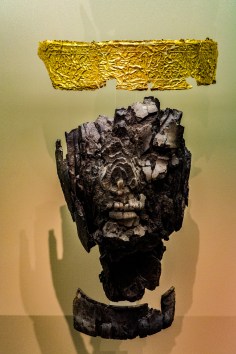
Every belief in the value and worthiness of life is based on vitiated1 Every belief in the value and worthiness of life is based on impure thinking. thought; it is only possible through the fact that sympathy for the general life and suffering of mankind is very weakly developed in the individual. It is only possible because of a lack of compassion for mankind. Even the rarer people who think outside themselves do not contemplate this general life, but only a limited part of it. The few that think further only do this in a limited way. If one understands how to direct one’s attention chiefly to the exceptions,—I mean to the highly gifted and the rich souls,—if one regards the production of these as the aim of the whole world-development and rejoices in its operation, then one may believe in the value of life, because one thereby overlooks the other men—one consequently thinks fallaciously. If you, for example, only look at the gifted people, and see them as the purpose of life and rejoice their activities, then you might believe in the value of life, but you have to ignore the rest and thus think impure.  So too, when one directs one’s attention to all mankind, but only considers one species of impulses in them, the less egoistical ones, and excuses them with regard to the other instincts, one may then again entertain hopes of mankind in general and believe so far in the value of life, consequently in this case also through fallaciousness of thought. The same goes for when you only look at one human trade, the les egoistical, and forget about the rest.  Let one, however, behave in this or that manner: with such behaviour one is an exception amongst men. But either way you are an exception if you think like that. Now, most people bear life without any considerable grumbling, and consequently believe in the value of existence, But most people don’t complain about life and value it as it is, but precisely because each one is solely self-seeking and self-affirming, and does not step out of himself like those exceptions ; everything extra-personal is imperceptible to them, or at most seems only a faint shadow. they only look at themselves and don’t look beond themselves like the beforementioned exceptions. Therefore, on this alone is based the value of life for the ordinary everyday man, that he regards himself as more important than the world. The great lack of imagination from which he suffers is the reason why he cannot enter into the feelings of other beings, and therefore sympathizes as little as possible with their fate and suffering. The lack of imagination and compassion shields him for the fate of others. He, on the other hand, who really could sympathize therewith, would have to despair of the value of life ; The person with compassion will, then again,  have a low value of life, were he to succeed in comprehending and feeling in himself the general consciousness of mankind, he would collapse with a curse on existence ; for mankind as a whole has no goals, and if he could understand it all he would curse life, because it has no goal. consequently man, in considering his whole course, cannot find in it his comfort and support, but his despair. If, in all that he does, he considers the final aimlessness of man, his own activity assumes in his eyes the character of wastefulness. He who sees this will not find comfort in life, even in his own. But to feel one’s self just as much wasted as humanity (and not only as an individual) as we see the single blossom of nature wasted, is a feeling above all other feelings. But feeling lost as humanity and an individual like a blossom in nature is greater than all other feelings,  But who is capable of it? Assuredly only a poet, and poets always know how to console themselves. But who can handle that? Probably the poet, they know how to console themselves.

1 Vitiated according to the dictionary: to impair the quality of; make faulty; spoil. The original German word: unreinem is translated as impure. Handwerk translated it like that, Hollingdale translated it as false.


Human, all too human a book for free spirits Part I translated by Helen Zimmern 1909

  1. ERROR ABOUT LIFE NECESSARY FOR LIFE.—Every belief in the value and worthiness of life is based on vitiated thought ; it is only possible through the fact that sympathy for the general life and suffering of mankind is very weakly developed in the individual. Even the rarer people who think outside themselves do not contemplate this general life, but only a limited part of it. If one understands how to direct one’s attention chiefly to the exceptions,—I mean to the highly gifted and the rich souls,—if one regards the production of these as the aim of the whole world-development and rejoices in its operation, then one may believe in the value of life, because one thereby overlooks the other men—one consequently thinks fallaciously. So too, when one directs one’s attention to all mankind, but only considers one species of impulses in them, the less egoistical ones, and excuses them with regard to the other instincts, one may then again entertain hopes of mankind in general and believe so far in the value of life, consequently in this case also through fallaciousness of thought. Let one, however, behave in this or that manner : with such behaviour one is an exception amongst men. Now, most people bear life without any considerable grumbling, and consequently believe in the value of existence, but precisely because each one is solely self-seeking and self-affirming, and does not step out of himself like those exceptions ; everything extra-personal is imperceptible to them, or at most seems only a faint shadow. Therefore on this alone is based the value of life for the ordinary everyday man, that he regards himself as more important than the world. The great lack of imagination from which he suffers is the reason why he cannot enter into the feelings of other beings, and therefore sympathises as little as possible with their fate and suffering. He, on the other hand, who really could sympathise therewith, would have to despair of the value of life ; were he to succeed in comprehending and feeling in himself the general consciousness of mankind, he would collapse with a curse on existence ; for mankind as a whole has no goals, consequently man, in considering his whole course, cannot find in it his comfort and support, but his despair. If, in all that he does, he considers the final aimlessness of man, his own activity assumes in his eyes the character of wastefulness. But to feel one’s self just as much wasted as humanity (and not only as an individual) as we see the single blossom of nature wasted, is a feeling above all other feelings. But who is capable of it? Assuredly only a poet, and poets always know how to console themselves.

Menschliches allzu menschlich 1878/80

  1. Der Irrthum über das Leben zum Leben nothwendig. – Jeder Glaube an Werth und Würdigkeit des Lebens beruht auf unreinem Denken; er ist allein dadurch möglich, dass das Mitgefühl für das allgemeine Leben und Leiden der Menschheit sehr schwach im Individuum entwickelt ist. Auch die seltneren Menschen, welche überhaupt über sich hinaus denken, fassen nicht dieses allgemeine Leben, sondern abgegränzte Theile desselben in’s Auge. Versteht man es, sein Augenmerk vornehmlich auf Ausnahmen, ich meine auf die hohen Begabungen und die reinen Seelen zu richten, nimmt man deren Entstehung zum Ziel der ganzen Weltentwickelung und erfreut sich an deren Wirken, so mag man an den Werth des Lebens glauben, weil man nämlich die anderen Menschen dabei übersieht: also unrein denkt. Und ebenso, wenn man zwar alle Menschen in’s Auge fasst, aber in ihnen nur eine Gattung von Trieben, die weniger egoistischen, gelten lässt und sie in Betreff der anderen Triebe entschuldigt: dann kann man wiederum von der Menschheit im Ganzen Etwas hoffen und insofern an den Werth des Lebens glauben: also auch in diesem Falle durch Unreinheit des Denkens. Mag man sich aber so oder so verhalten, man ist mit diesem Verhalten eine Ausnahme unter den Menschen. Nun ertragen aber gerade die allermeisten Menschen das Leben, ohne erheblich zu murren, und glauben somit an den Werth des Daseins, aber gerade dadurch, dass sich jeder allein will und behauptet, und nicht aus sich heraustritt wie jene Ausnahmen: alles Ausserpersönliche ist ihnen gar nicht oder höchstens als ein schwacher Schatten bemerkbar. Also darauf allein beruht der Werth des Lebens für den gewöhnlichen, alltäglichen Menschen, dass er sich wichtiger nimmt, als die Welt. Der grosse Mangel an Phantasie, an dem er leidet, macht, dass er sich nicht in andere Wesen hineinfühlen kann und daher so wenig als möglich an ihrem Loos und Leiden theilnimmt. Wer dagegen wirklich daran theilnehmen könnte, müsste am Werthe des Lebens verzweifeln; gelänge es ihm, das Gesammtbewusstsein der Menschheit in sich zu fassen und zu empfinden, er würde mit einem Fluche gegen das Dasein zusammenbrechen, – denn die Menschheit hat im Ganzen keine Ziele, folglich kann der Mensch, in Betrachtung des ganzen Verlaufes, nicht darin seinen Trost und Halt finden, sondern seine Verzweifelung. Sieht er bei Allem, was er thut, auf die letzte Ziellosigkeit der Menschen, so bekommt sein eigenes Wirken in seinen Augen den Charakter der Vergeudung. Sich aber als Menschheit (und nicht nur als Individuum) ebenso vergeudet zu fühlen, wie wir die einzelne Blüthe von der Natur vergeudet sehen, ist ein Gefühl über alle Gefühle. – Wer ist aber desselben fähig? Gewiss nur ein Dichter: und Dichter wissen sich immer zu trösten.

Sources:

I will read a Dutch translation that is based on the work of researchers Colli and Montinari. I also use a translation from R.J.Hollingdale and the Gary Handwerk translation from the Colli-Montinari edition. Both are more modern than the copyright free translation I use here. This is a translation from 1909 by Helen Zimmern, who knew Nietzsche personally, but there was no critical study of Nietzsche’s work done back then and this translation suffers from that. The same goes for the translation from Alexander Harvey. My German is not good enough to pretend that I can translate it better than the professionals do but I will use the original as a referee.

  1. Menselijk al te menselijk een boek voor vrije geesten, translated by Thomas Graftdijk, 2000. Buy it here
  2. Human, all too human a book for free spirits, translated by R.J.Hollingdale, 1986
  3. Human, all too human a book for free spirits I V3, translated by Gary handwerk 1997
  4. Human, all too human a book for free spirits Part I, translated by Helen Zimmern 1909. Read it  here
  5. Human, all too human a book for free spirits, translated by Alexander Harvey, 1908. Read it here
  6. Menschliches allzu menschlich 1878/80. Read it here