
The light
is often presented
through mesmerizing walls
~
charisma dictates
a sleight of hands
the eyes away
from you
The light
is often presented
through mesmerizing walls
~
charisma dictates
a sleight of hands
the eyes away
from you

The tree’s looked good today.
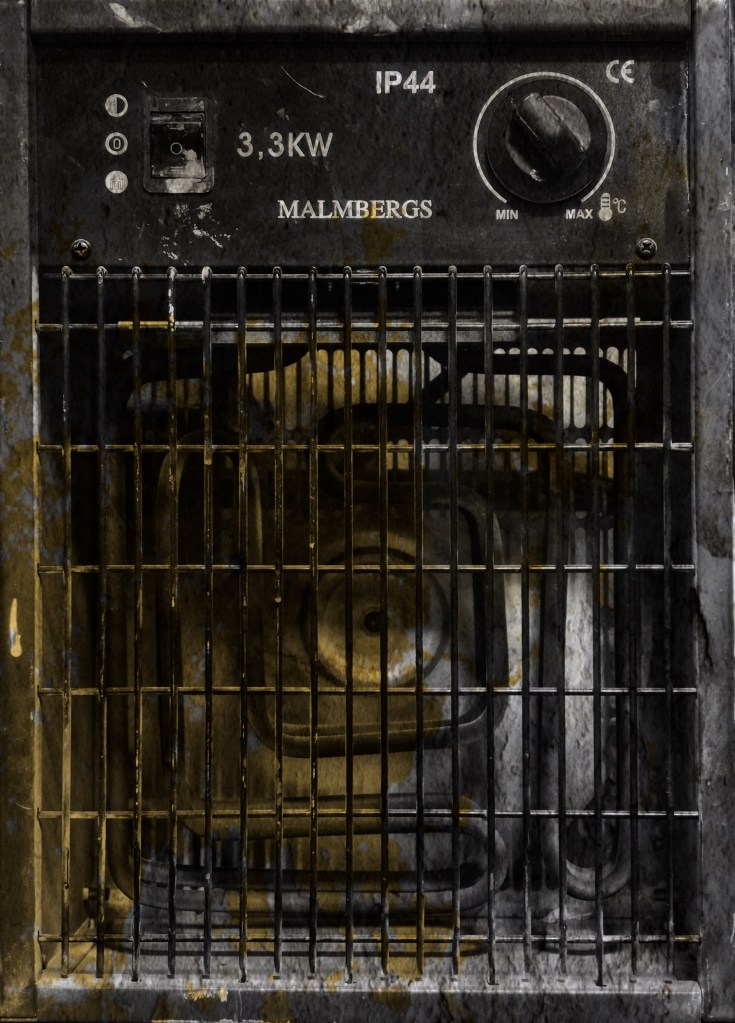
I can turn up the heat
and drive you out
but I am so old
that even the noise I make
will scare you away
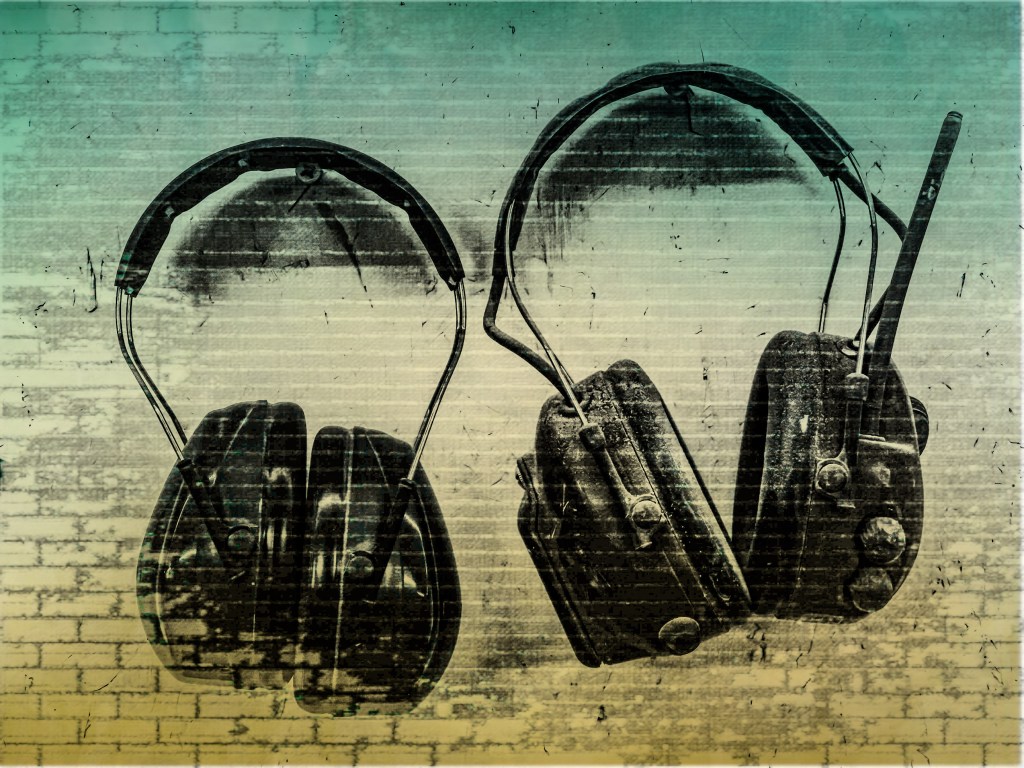
I can choose to just don’t listen to you
just to my own thoughts
or
I don’t listen to you
and follow the music

Book I: The understanding
Section 1: The origin of our ideas All the perceptions of the human mind fall into two distinct kinds, which I shall call ‘impressions’ and ‘ideas’. These differ in the degrees of force and liveliness with which they strike upon the mind and make their way into our thought or consciousness. The perceptions that enter with most force and violence we may name ‘impressions’; and under this name I bring all our sensations, passions, and emotions, as they make their first appearance in the soul [= ‘mind’; no religious implications]. By ‘ideas’ I mean the faint images of the others in thinking and reasoning: for example, all the perceptions aroused by your reading this book – apart from perceptions arising from sight and touch, and apart from the immediate pleasure or uneasiness your reading may cause in you. I don’t think I need to say much to explain this distinction: everyone will readily perceive for himself the difference between feeling (·impressions·) and thinking (·ideas·).
Read about this book here: https://en.wikipedia.org/wiki/A_Treatise_of_Human_Nature
Read this book here: https://www.gutenberg.org/ebooks/4705

Afraid of the dark
we embark in imaginary
boundaries
Observations: there are countless political, religious and cultural views. Most people have their own distinctive views on these matters. Most people have more believe than doubt in their own views resulting in these countless different opinions or certainties.

Today at work, I listened to a book about the history of Italy, and thoughts kept popping into my head that made me pause. For thousands of years, we all built this wealth of knowledge but listening to descriptions of life over the past 2000 years and comparing that to how we live now, not much is changed besides the cloth we wear and the houses we live in.
This wealth of knowledge has brought us a lot, of course. We live longer, and our societies are a lot safer compared to the ones that came before us. All this thinking about life and how to live it by all these thinkers has slowly trickled down, it seems. Did you know that there were places in Italy 150 years ago where 100% of the inhabitants were illiterate? Twenty-five percent of newborns would die in the first year of their life, and because of this, life expectancy was around 30 in that same period. We have come a long way, but if you read what people thought about life, politics, and society back then, and even earlier, you will realize that progress is mostly reserved for our material well-being.
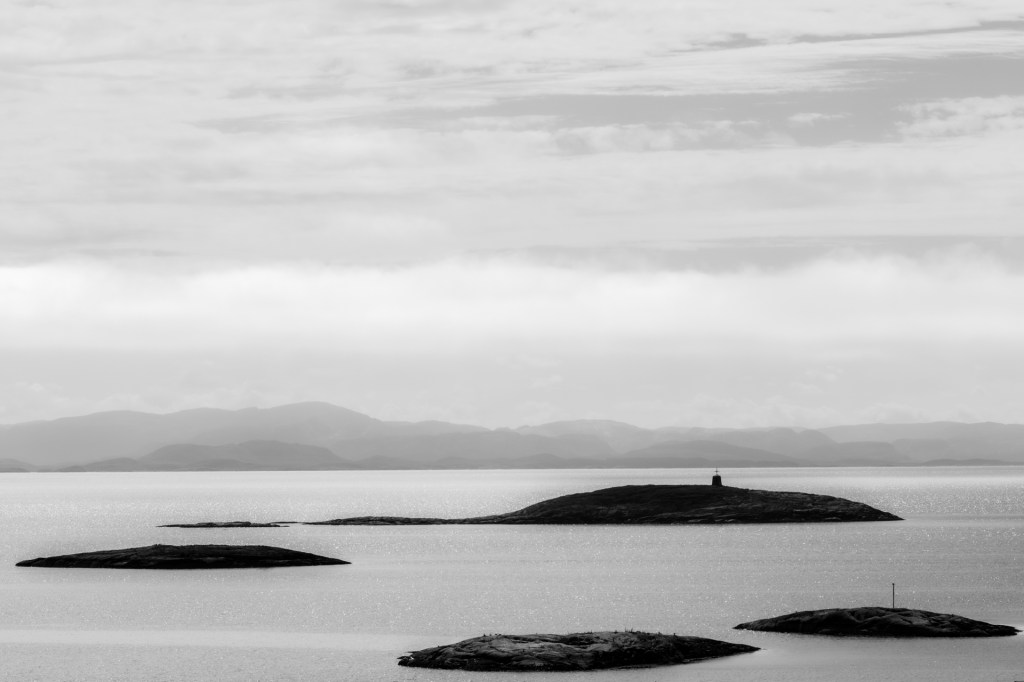

Nochrisis
Most people are not even aware of their need to conform. They live under the illusion that they follow their own ideas and inclinations, that they are individualists, that they have arrived at their opinions as the result of their own thinking—and that it just happens that their ideas are the same as those of the majority.
Erich Fromm, The art of loving



Federalism, socialism, anti-theologism (speach 1867)
Federalism
We are happy to be able to report that the principle of federalism has been unanimously acclaimed by the Congress of Geneva…. Unfortunately, this principle has been poorly formulated in the resolutions of the congress. It has not even been mentioned except indirectly. . . while in our opinion, it should have taken first place in our declaration of principles.
This is a most regrettable gap which we should hasten to fill. In accordance with the unanimous sense of the Congress of Geneva, we should proclaim:
That all members of the League should therefore bend all their efforts toward reconstituting their respective countries, in order to replace their old constitution—founded from top to bottom on violence and the principle of authority—with a new organization based solely upon the interests, the needs, and the natural preferences of their populations—having no other principle but the free federation of individuals into communes, of communes into provinces, of the provinces into nations, and, finally, of the nations into the United States of Europe first, and of the entire world eventually.
You can read the rest here: https://www.marxists.org/reference/archive/bakunin/works/various/reasons-of-state.htm
And about Michael Bakunin here: https://en.wikipedia.org/wiki/Mikhail_Bakunin

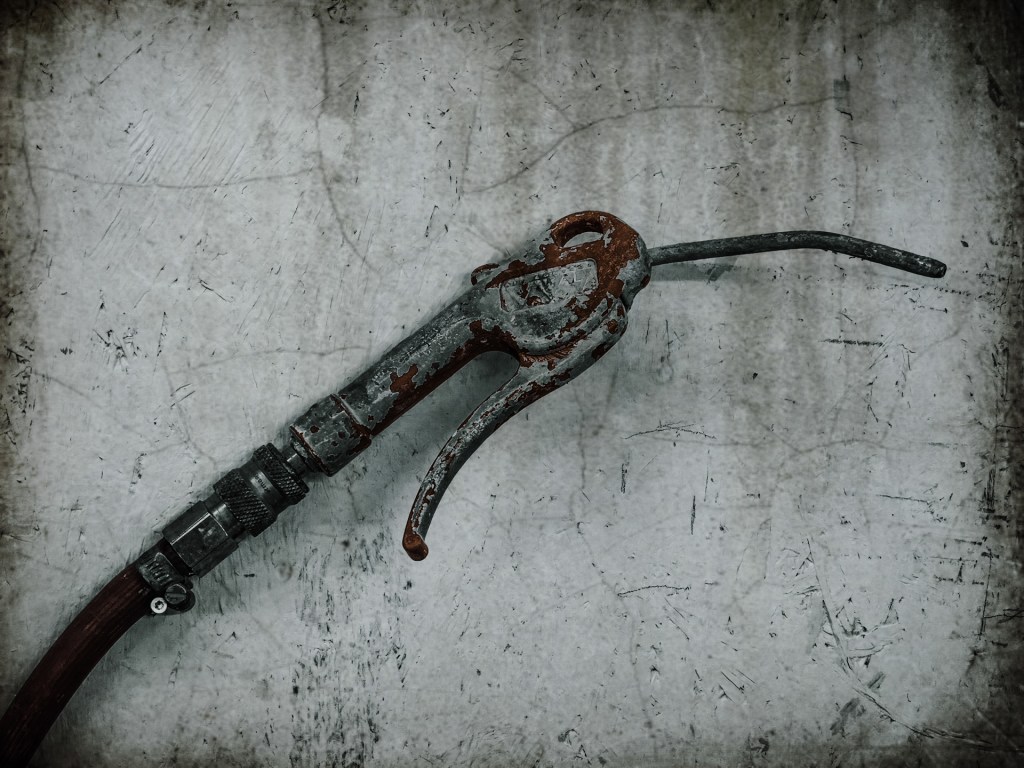

 Nochrisis