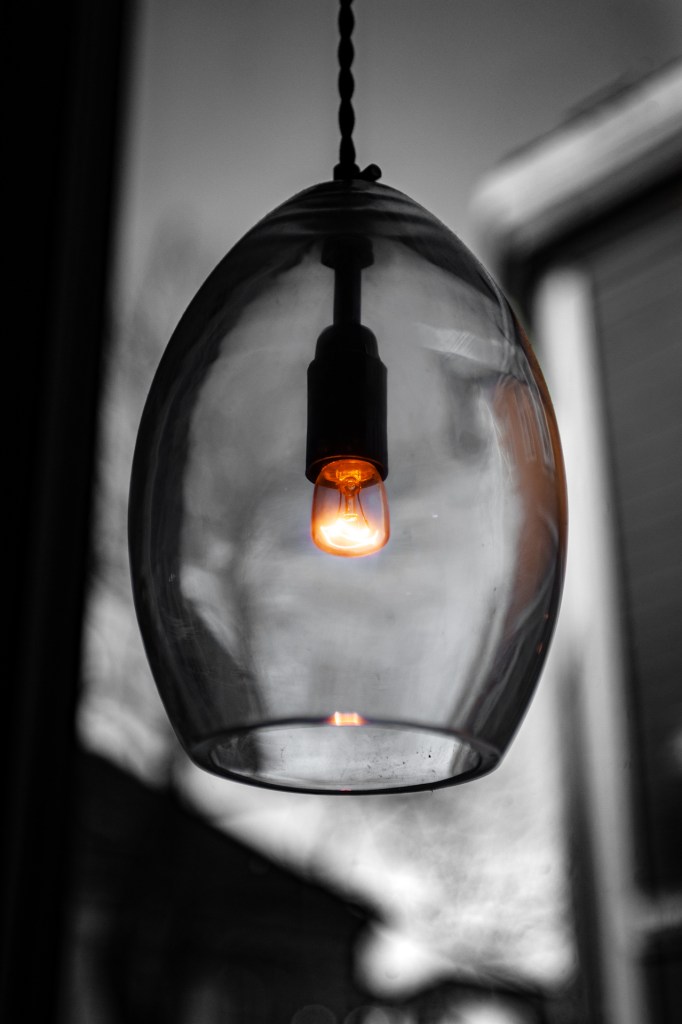
Day 1844, Prejudices of philosophers 1

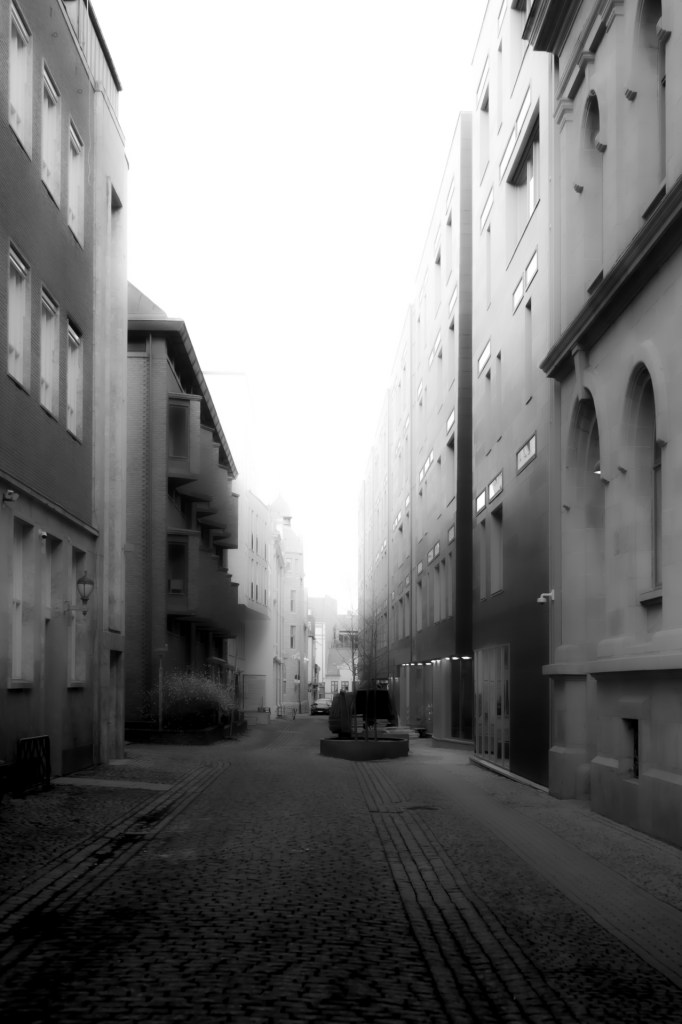
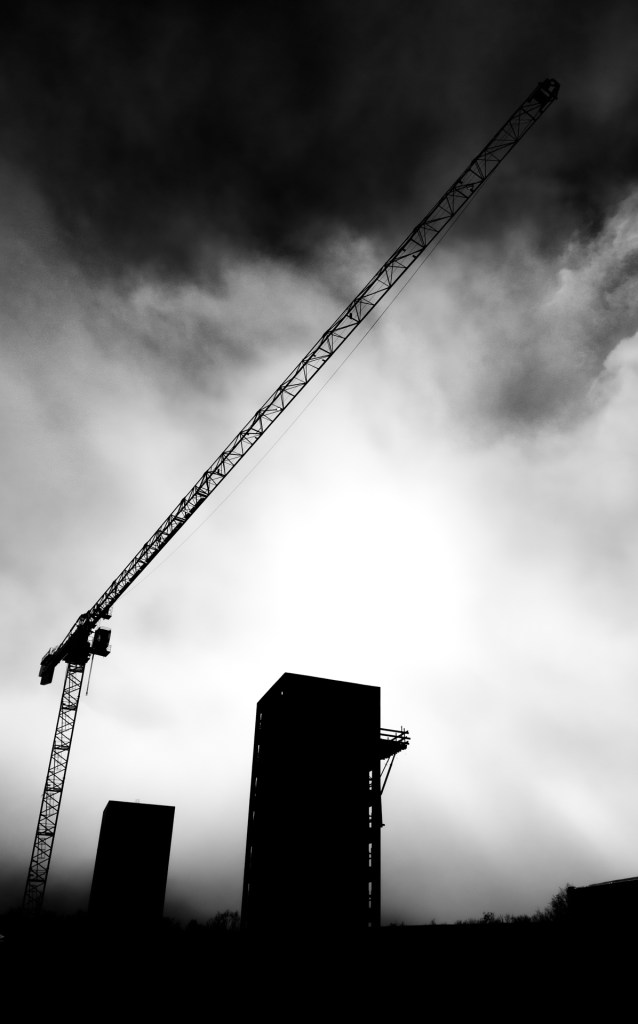
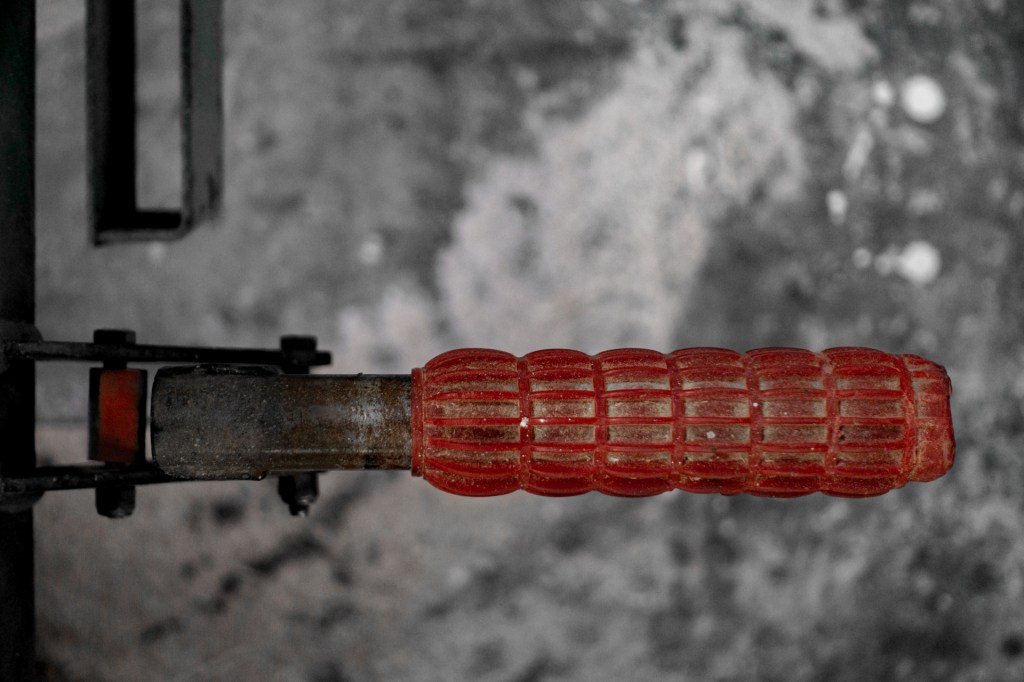
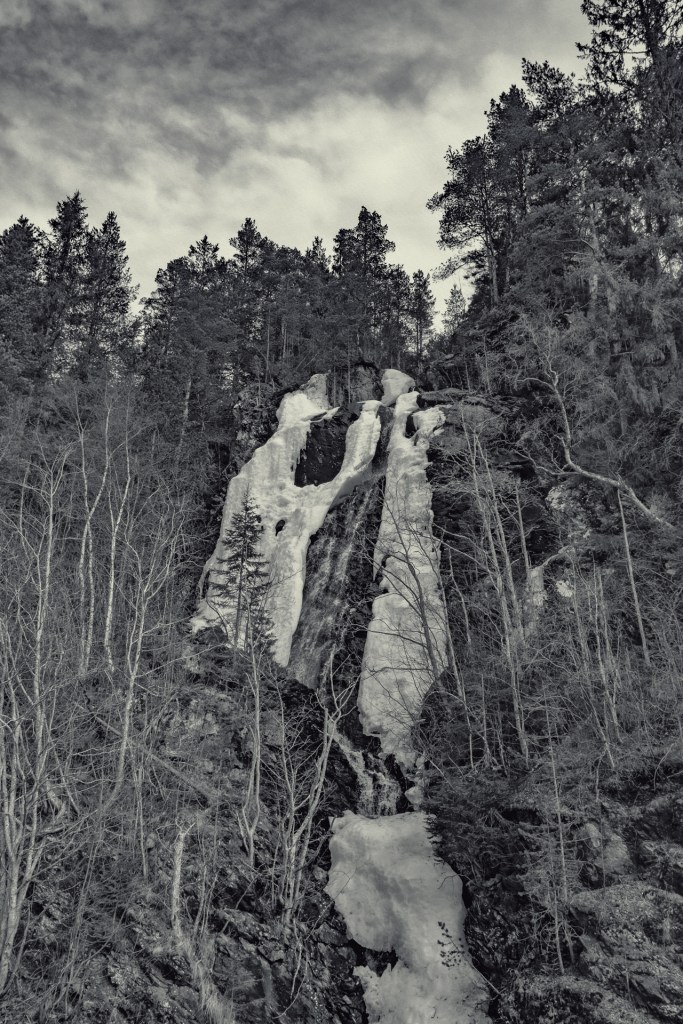
Daily picture, Poetry

Is the inevitable end

we live to

the friction that makes us ask

why

Nochrisis


Beyond good and evil, prelude to a philosophy of the future

By Friedrich Nietzsche

First chapter.

PREJUDICES OF PHILOSOPHERS.

I.

The Will to Truth, which is to tempt us to many a hazardous enterprise, the famous truthfulness of which all philosophers have hitherto spoken with respect, what questions has this will to truth not laid before us! What strange, perplexing, questionable questions! It is already a long story; yet it seems as if it were hardly commenced. Is it any wonder if we at last grow distrustful, lose patience, and turn impatiently away? That this sphinx teaches us at last to ask questions ourselves? Who is it really that puts questions to us here? What really is this “Will to Truth” in us? In fact we made a long halt at the question as to the origin of this Will—until at last we came to an absolute standstill before a yet more fundamental question. We inquired about the value of this Will. Granted that we want the truth : why not rather untruth? And uncertainty? Even ignorance? The problem of the value of truth presented itself before us—or was it we who presented ourselves before the problem? Which of us is the Oedipus here? Which the Sphinx ? It would seem to be a rendezvous of questions and notes of interrogation. And could it be believed that it at last seems to us as if the problem had never been propounded before, as if we were the first to discern it, get a sight of it, and risk raising it. For there is risk in raising it, perhaps there is no greater risk.

Translated by Helen Zimmerm

1909

Day 1837, something to read.

Books, Daily picture


“Imagination enters into the taking of the photograph, if only by the choice of a point of view, which then becomes the point of view of those who look at the photograph. But imagination can enter into the photograph more deeply than it can into the map making. It is true that maps of the same area can differ precisely according to the purposes for which they are drawn – land use maps and geological maps for instance -but the business of the map maker is nonetheless to record information in a neutral way. The photographer by contrast can choose a point of view precisely in order to give the landscape a particular focus of interest. Furthermore, the more imaginative a photographer is, the more he or she is likely to select a point of view which, left to our own devices, we would not have chosen. In this way the photographer gets us to see what we would not otherwise have seen. Imagination chooses a point of view and the photograph directs our perception accordingly. It is not fanciful to speak of a photograph’s revealing new, and hitherto unimagined aspects of a landscape. All this of course is to be contrasted with doctoring the photograph. A photograph of a landscape, however imaginative, is to be distinguished from the celebrated ‘photograph’ of fairies at the bottom of the garden. It is at one and the same time a work of imagination and concerned with what is really there.”

From Philosophy of the arts. An introduction to aesthetics by Gordon Graham (ISBN o-415-16687-X ISBN)

Chapter 3, art and understanding Page 51 (E-book 2001)

Day 1832, down stream.

Daily picture, Poetry

Full of energy I streamed down to a sea, driven by a need to go.

Halfway my journey, a cold eastern wind sung and gripped me, it took away the light and open sky, a barrier was composed, and a part of me conducted and stayed behind.

That part of me is for always lost, and will collapse the further I move away.

Some of it will follow me, eventually, but I will never know, when I will meet it again.

Day 1830, interesting.

Daily picture

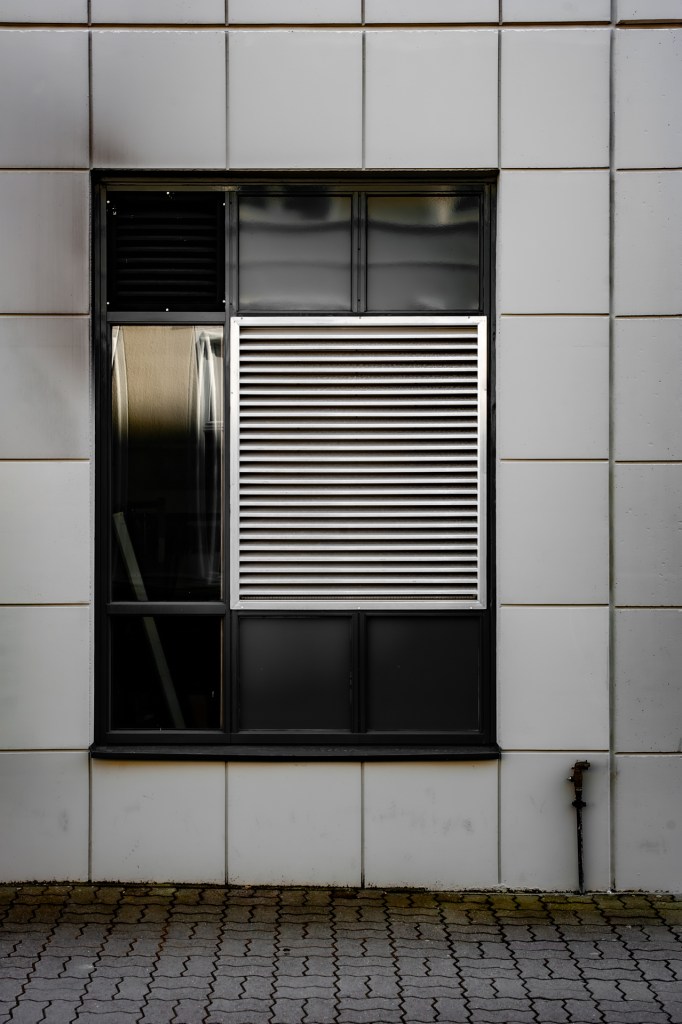
A door is a hinged or otherwise movable barrier that allows ingress into and egress from an enclosure. The created opening in the wall is a doorway or portal. A door’s essential and primary purpose is to provide security by controlling access to the doorway (portal). Conventionally, it is a panel that fits into the portal of a building, room, or vehicle. Doors are generally made of a material suited to the door’s task. Doors are commonly attached by hinges, but can move by other means, such as slides or counterbalancing.

The door may be moved in various ways (at angles away from the portal, by sliding on a plane parallel to the frame, by folding in angles on a parallel plane, or by spinning along an axis at the center of the frame) to allow or prevent ingress or egress. In most cases, a door’s interior matches its exterior side. But in other cases (e.g., a vehicle door) the two sides are radically different.

Wikipedia

Was just looking for what Wikipedia had to say about doors and found this…Thought it was funny, as if someone made a joke out of it, but it is also strangely correct, or is it just me?