
To get into you
I have to push buttons
far away from the entrance

I wonder what that is about
To get into you
I have to push buttons
far away from the entrance
I wonder what that is about

Today
my thoughts were trapt
inside me

I had to live with them
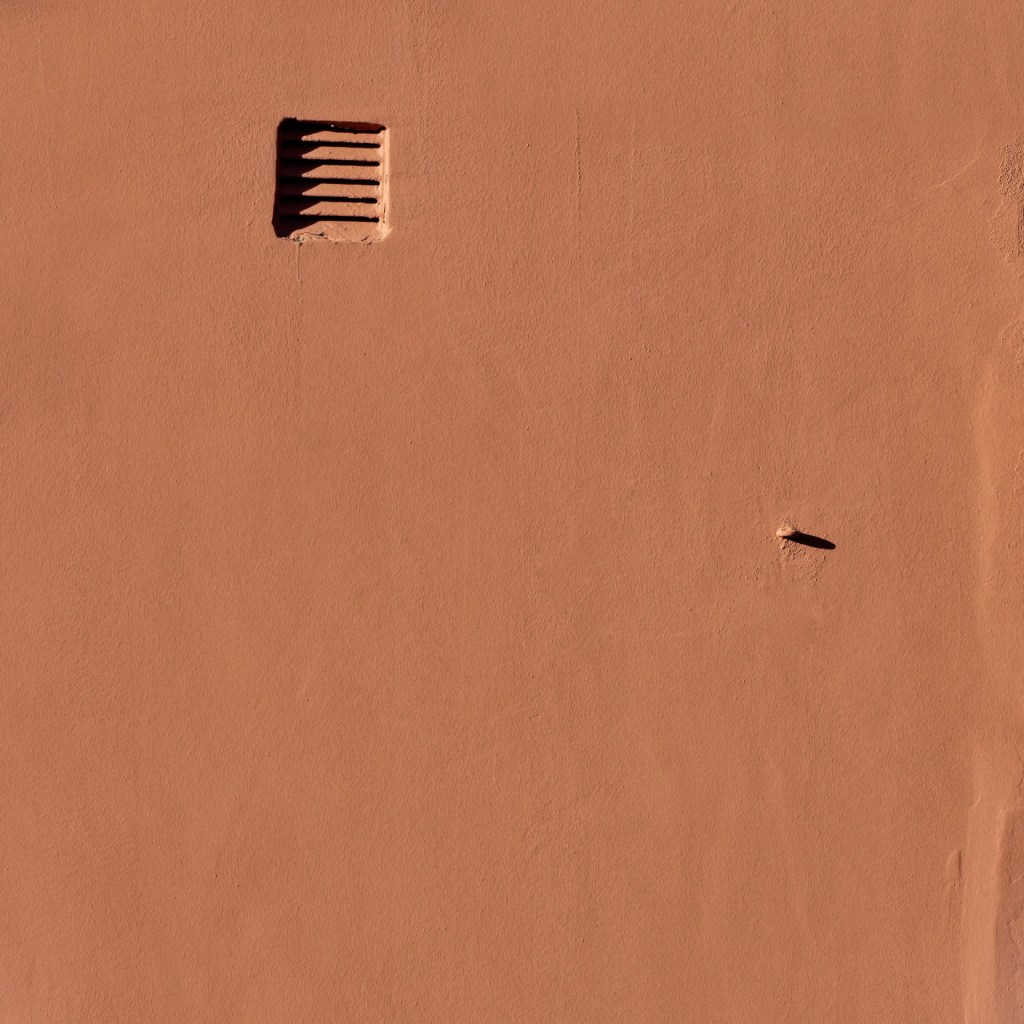
There is so much color in the city
but in my mind
looking back
I see grey

except
when I met you
my wall
standing still in front of you

I do remember
your color

I watched a documentary about organized warfare’s origins the other day. There was not much news, but it got me thinking about it again. We have a cat, and when she meets another cat, she would often sit down and observe, or the other cat would act aggressively and she run away, or when she felt she had a chance, she would act aggressively back. It is a wordless, instinctive reaction from an animal to a situation, something we often also do. The documentary distinguished between organized warfare or a fight between two groups of people who don’t know each other but meet on contested land and organized warfare. For this last one, you need a more sophisticated language to organize a clearer hierarchy and streamline these aggressive feelings towards the other (who you don’t know and just met) in a better way. The first, much older group lived thousands of years before a recognizable language existed. These early humans communicated more sophisticatedly than other animals, but no one had yet written a thesis on the art of war. It was only around 5 thousand years ago that we see the first thoughts about life and war written down; since then, some people have spent their lives thinking about it. But we are all still animals, and it is hard to deny that most people don’t read a book about philosophy or are otherwise critical of what we are capable of as humans and never wonder why and how we can think. I suspect that most people are like our cat; we are not aggressive per se but also are not in control of our reactions when meeting another cat or, in our case, another human. We are also conditioned by nature, like the cat. The only difference is that we can think about it after the fact…of our reaction.
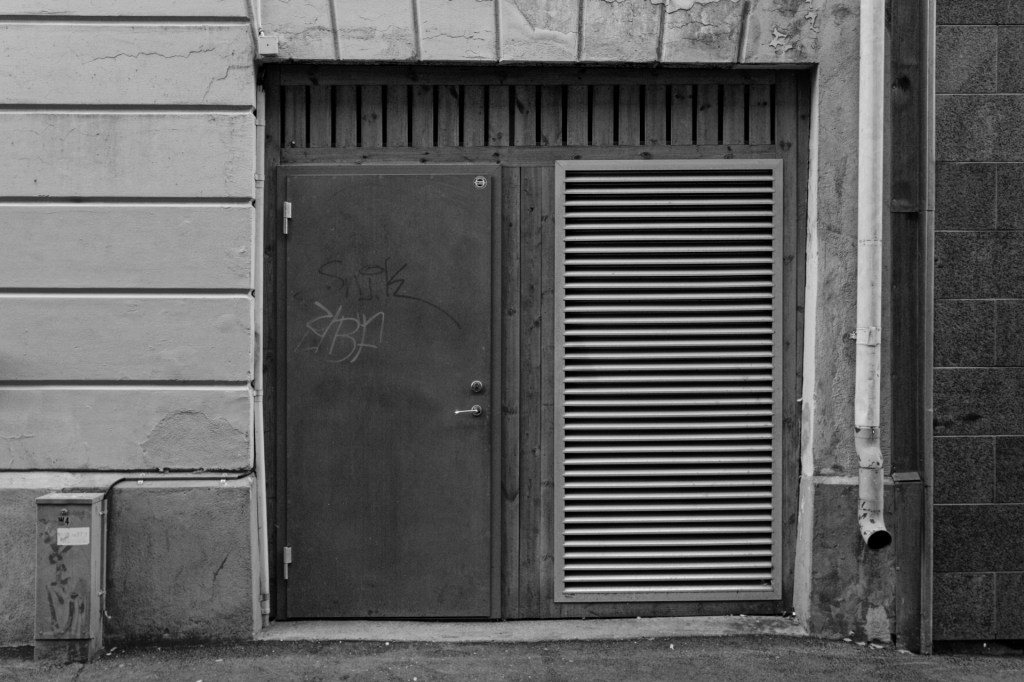
I have no real attachment to celebrating the new year. When I was young, it was exciting to buy fireworks and search for leftovers long into the night. Later, I had work where I had to work on those days, and as an anarchist, I can’t help but see the relativism of all these celebrations. And I don’t know why that one day a year is chosen as some kind of turning point, mainly because most of the time, maybe all of the time, real changes happen on entirely arbitrary days. All these traditions come from your surroundings and are fed and seen mostly uncritically, the same traditions that make us anxious about foreigners and let us see women as something other than men, to name just two of the more nasty ones. Traditions are fascinating when you read about them in a history book.
A part of relativizing your own (made-up) culture is realizing that what is normal for you is not normal for others.

From down here
those guardrails look nice

luckily
down here
I can't fall far
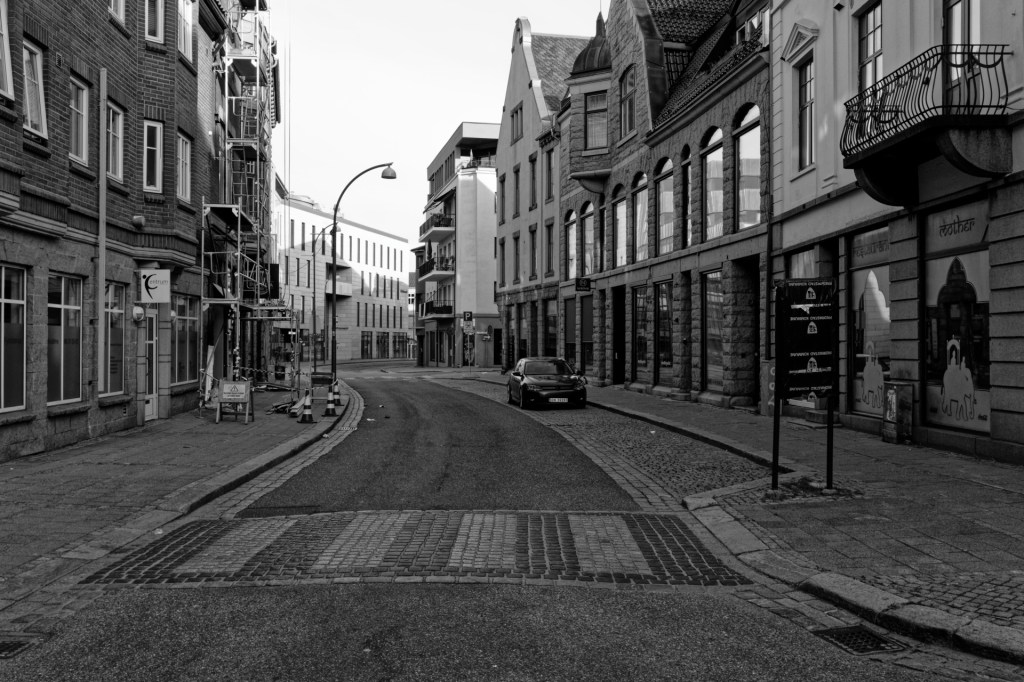
I love standing in the middle of a crossroad
when it is quiet

Maybe it is best that we don’t listen to what the other person says in words.

We all know ourselves; no matter how old you are and how much attention you pay to who you are, each day will make you more confident in your beliefs about yourself. We can talk about ourselves, where we come from, and how we grew up. Important experiences that we remember, some might say that they have formed us. If you know this and pay attention, you might understand that our past is essential for who we are today and our future choices. So I ask you, are you in charge of your future choices, or is it your past?
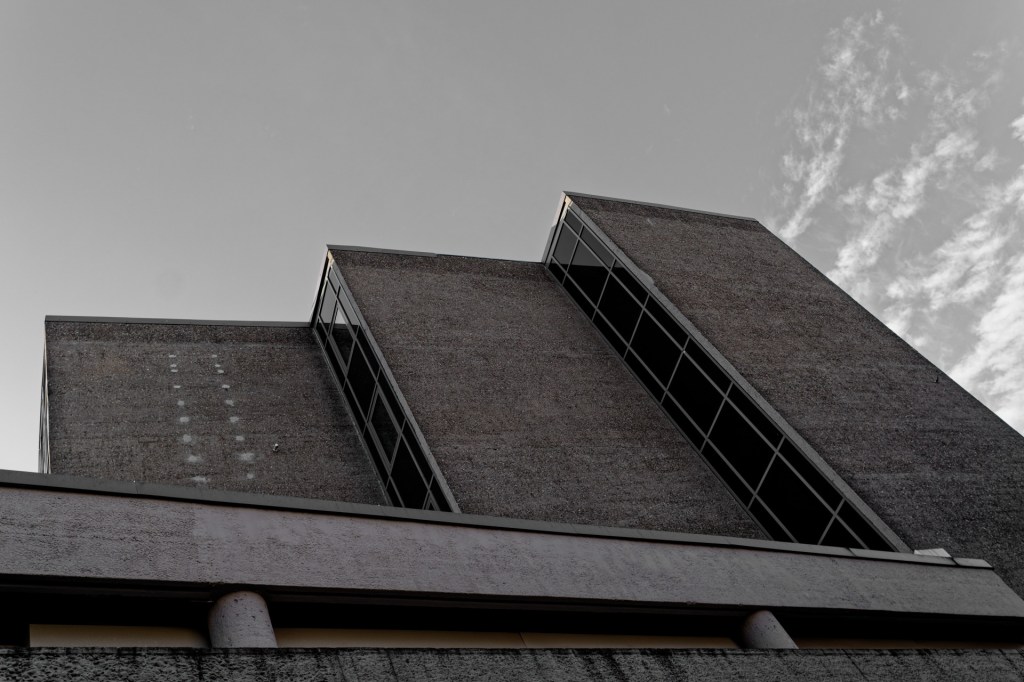
In life you sometimes feel like
falling

with no ground
underneath

you don’t tumble
just endlessly

it always seems
you pick up
where it ended

somewhere in thin air
some last time

Martin Heidegger’s concept of Dasein (literally “being-there”) is central to his philosophy, particularly in his seminal work, Being and Time (1927). Dasein refers to human existence not merely as a biological entity but as a being that is uniquely aware of and questions its existence. Unlike other entities, humans have a distinct mode of being characterized by self-awareness, temporal existence, and a capacity for meaning-making.
For Heidegger, Dasein is always “thrown” into a world not of its choosing but shaped by its historical and cultural context. This “thrownness” implies that individuals find themselves amidst a pre-given world of relationships, language, and societal norms. At the same time, Dasein is “projective,” meaning it is oriented toward possibilities and can shape its own future through choice.
Crucially, Heidegger emphasizes Dasein’s relationship with time. Human existence is structured by temporality—past, present, and future. Awareness of one’s finite nature, or “being-towards-death,” compels Dasein to confront its potential for authenticity. To live authentically, one must take responsibility for their choices rather than passively conforming to societal expectations (the They).
Thus, Dasein is the ground for exploring the fundamental question of ontology: “What does it mean to be?”
Thank you, ChatGPT, for explaining in 200 words what would have taken me a lot more time. As far as I understand the concept, this seems correct.

A wall staying together
bounded by our time
and some imagination
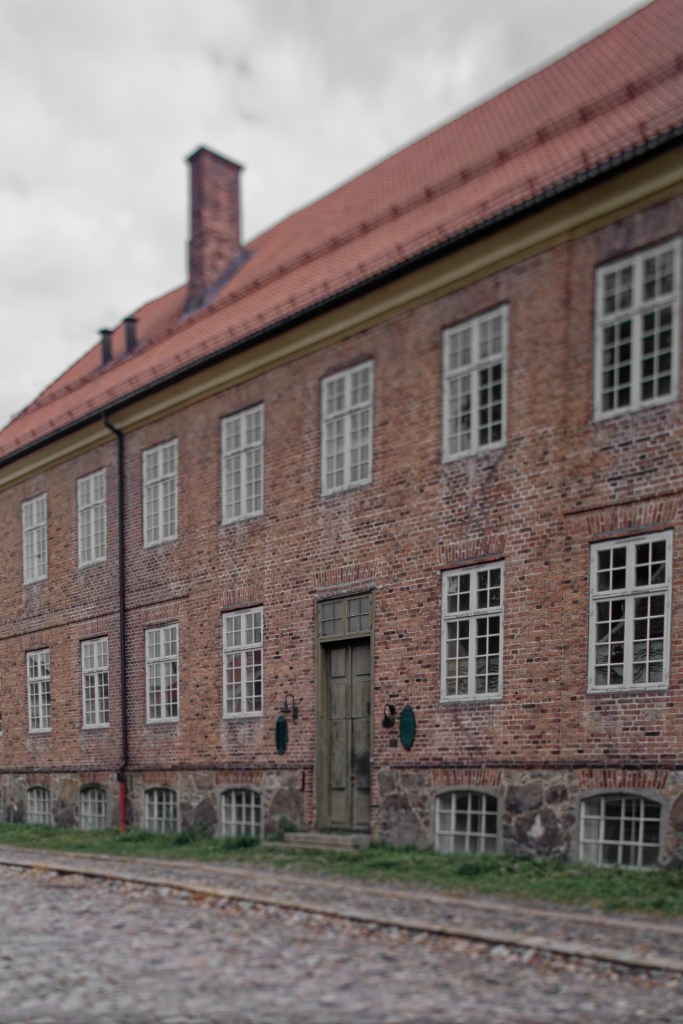
41 Against remorse.– A thinker sees his own actions as experiments and questions – as attempts to find out something. Success and failure are for him answers above all. To be annoyed or feel remorse because something goes wrong – that he leaves to those who act because they have received orders and who have to reckon with a beating when his lordship is not satisfied with the result.
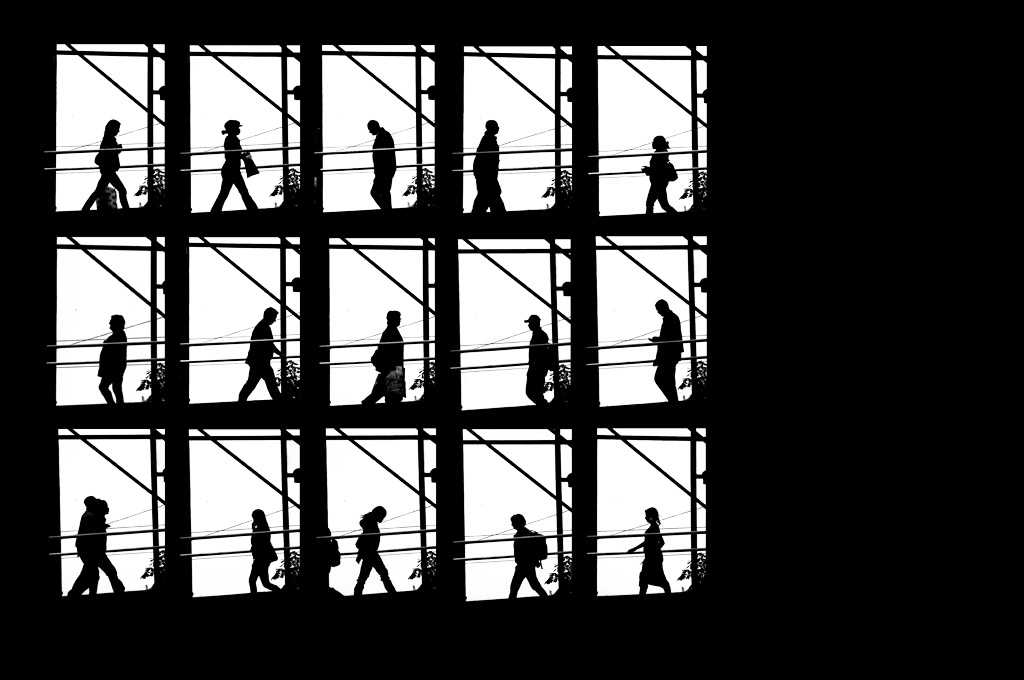
I am watching this video now, just over halfway. It’s just amazing how stupid ideas can captivate billions of people. It gave me an idea for a book about all the stupid ideas and people that have shaped our history. Religion is maybe the biggest mistake, but there are enough other stupid ideas like race and nationality. Imagine if some low-life painter never thought that a group of people were evil and needed to be erased. Or the war before that when a fool who believed in borders and groups killed a leader of another group and thus started the First World War that caused the Bolshevik Revolution and the Second World War that was followed by the Cold War that ended with a frustrated KGB officer who invaded a sovereign country 30 years later. Stupidy is the cause of a lot of suffering, and I have to admit that it is hard to know if you yourself are doing something stupid, but something should be learned from looking back.

When you wake up in the morning, tell yourself: the people I deal with today will be meddling, ungrateful, arrogant, dishonest, jealous, and surly. They are like this because they can’t tell good from evil. But I have seen the beauty of good and the ugliness of evil and have recognized that the wrongdoer has a nature related to my own – not of the same blood and birth, but the same mind and possessing a share of the divine. And so none of them can hurt me. No one can implicate me in ugliness. Nor can I feel angry at my relative or hate him. We were born to work together like feet, hands, and eyes, like the two rows of teeth, upper and lower. To obstruct each other is unnatural. To feel anger at someone, to turn your back on him: these are unnatural.
Marcus Aurelius, Meditations
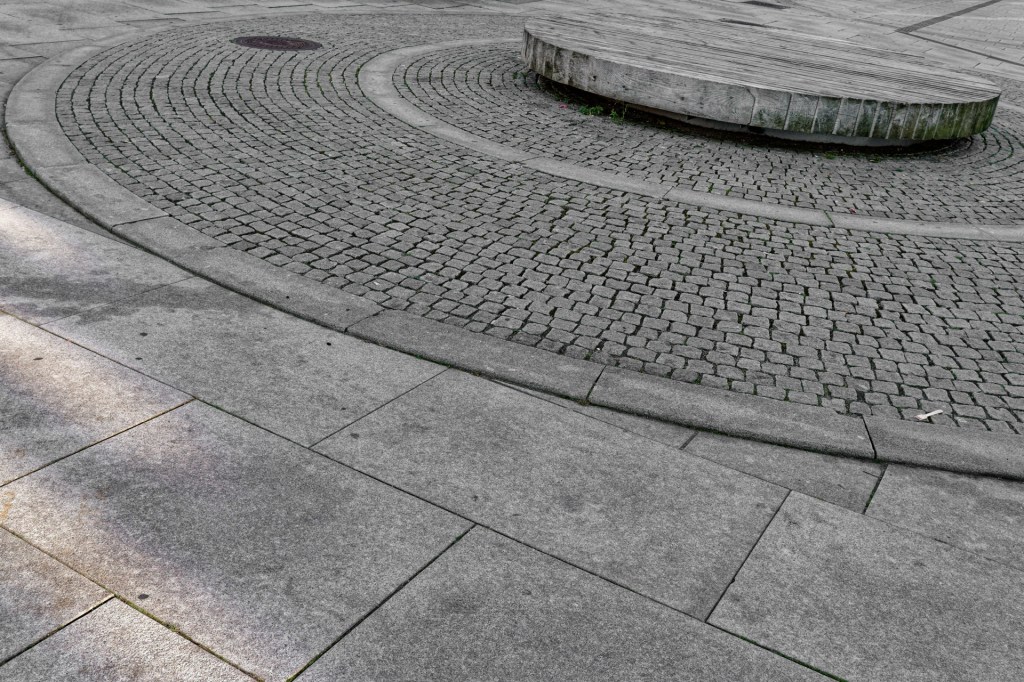
We move in particular ways
just so we can ignore
what is just
out of the frame
 Nochrisis