Yesterday I wrote about Palestine and Israel, I did some more reading today and realized that in the world we live it will be hard to solve the problems they have over there. I am glad that having critique on Israel is no longer automatically associated with you being an anti-Semite, as happened before. It is strange to read that well respected scientist, writers and historians are accused of being anti-Semites and how even Jewish critics of Zionism get accused of being traitors and much worse. There are more and more people critical inside Israel so that gives some kind of hope that the system slowly erodes, the only question is what there is underneath that thick layer of hate, fear and confusion.
This week I watched a documentary called “5 broken cameras” from 2012 in a local theater. Before I talk about this, I have to say that now the Corona restrictions are loosened it is nice to meet people again. I know that a lot of people have problems with these restrictions or don’t even believe that Corona is real but please respect the people that take it seriously. I am happy to live in a country where mask mandates are lifted but people still wear them because it is recommended. Another reason I mention this is because of the subject matter of the documentary I want to talk about, it goes about the conflict between the Israeli state and the Palestinians. People that have a problem with Corona restrictions should realize that living in fear in Gaza is a problem, not doing what you want to do to protect vulnerable fellow citizens is NOT a real problem.
The documentary 5 broken cameras is a film about a small town, where people live their lives as good as possible and then they get confronted with Israeli settlers that slowly eat away the farm land they have used for generations. Emad Burnat was one of these farmers that had a chance to film the birth of his latest son and he discovered that he couldn’t let go of the camera. He took it with him wherever he went, also when the villagers started demonstrating against the barriers that were put In front of them. The protest looked no different then any protest you might see in your own country, and were more or less tolerated in the beginning by the occupying forces (I use occupation as a statement, it is heavily debated and in theory you can go both ways but in practice it is clear who is in charge). The reaction of the Israeli forces, they don’t look like police in riot gear, become more extreme the longer these protests go on. That it becomes more extreme you can tell by exceedingly violent methods his 5 consecutive cameras are being destroyed, at the end you see him filming a sniper in the distance aiming at his camera (or him?) before the camera goes black again.
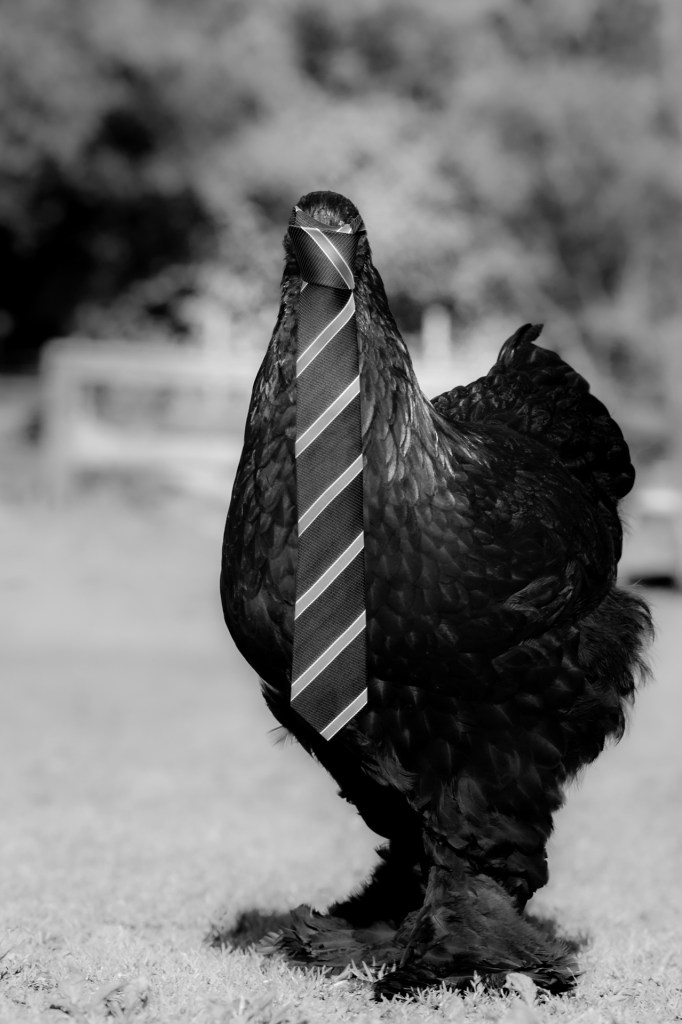
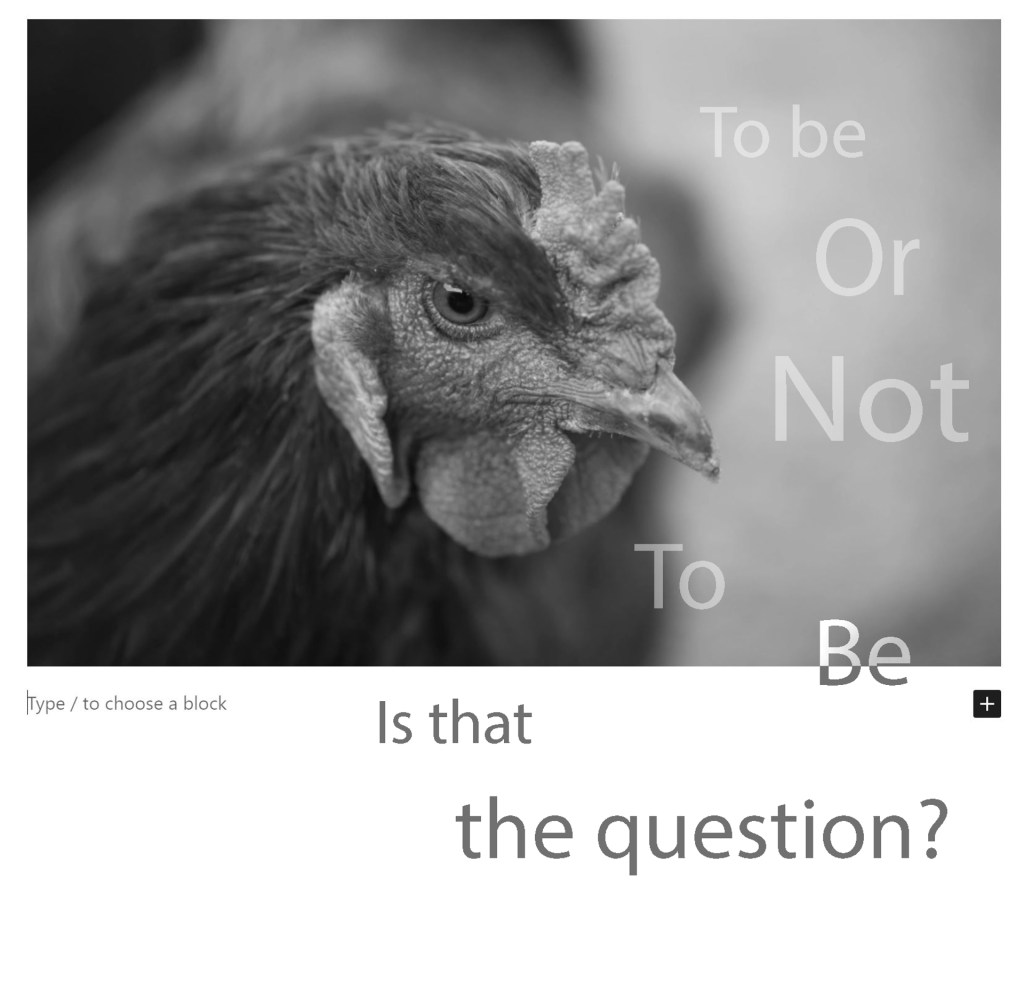
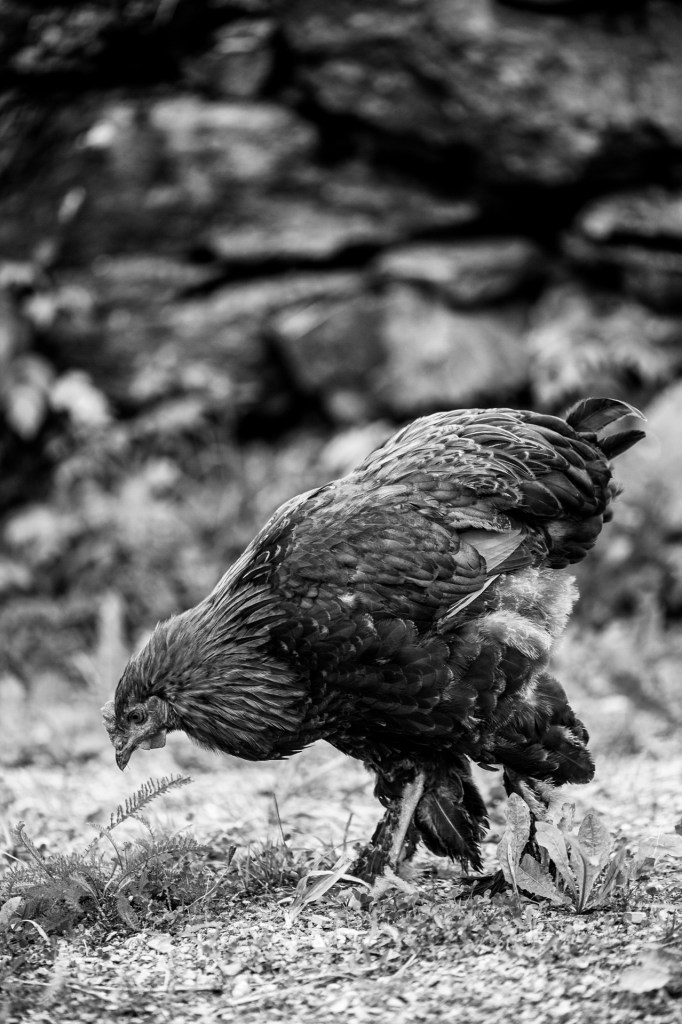
I like to look at the chickens in our garden. I like their behavior, they move like people do, but with no arms. They also move together, but don’t care for each other. Some wander off, but never to far. They act like they always starve, chasing sudden movements of a hand that points, in expectance. And most striking, they let it all go without care, even when they step in it, on their way back.
I always thought that we humans share our delight for emptiness and silence. Seeing a landscape while you drive trough the day, your mind goes silent and the noise of the engine disappears. I thought we share these moments, no matter who you are. So why is it that most people can’t bare the silence, and nothingness, that life is? Why does the silence and fastness, where you walk alone inside, be filled with structures, signs where to go, and not? Why don’t we appreciate the silence, and each other’s empty landscape?








 Nochrisis