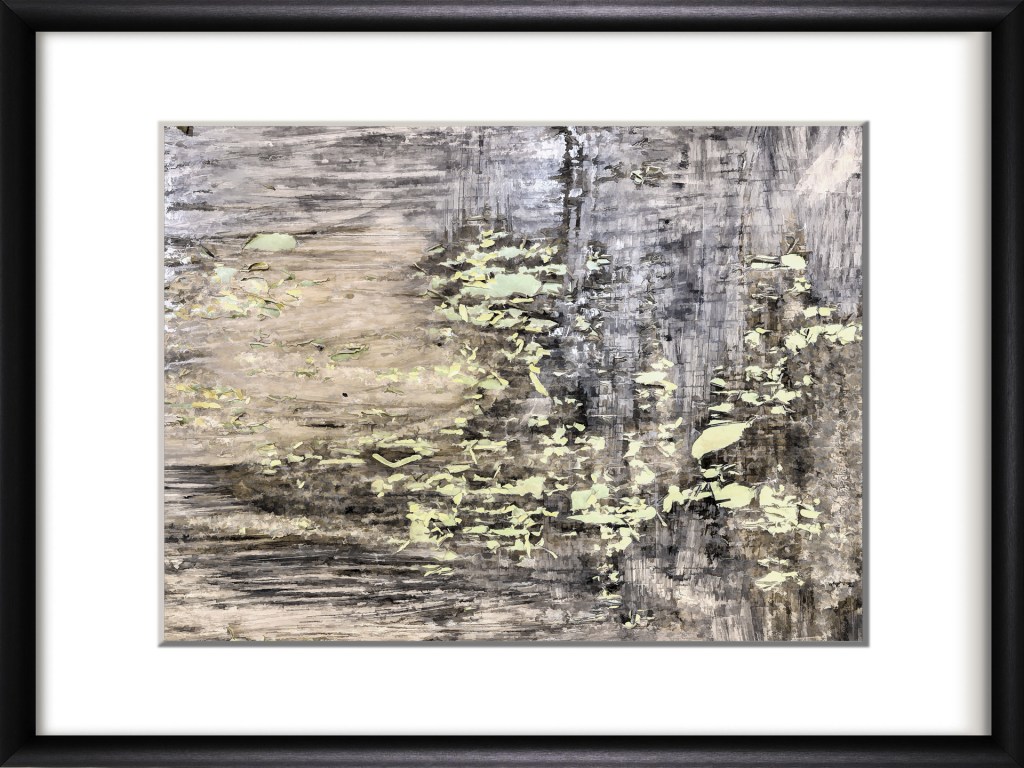
Art is nothing
without our joy
and interpretation

it is just paint on a canvas
or a shape in a form
Art is nothing without our joy and interpretation it is just paint on a canvas or a shape in a form
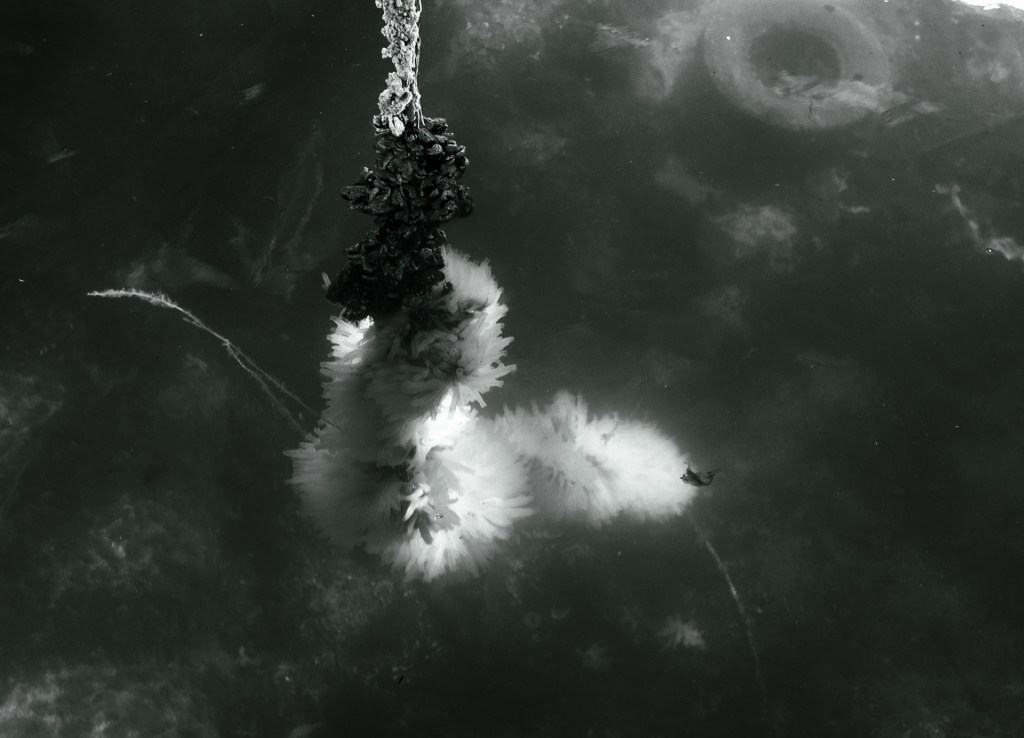
At night in my dream
I glow underwater
feeling the world
an adventure

but all along
the morning holds me tight
waking me up
in a sudden
pull

I only remember
the goodbye
32 The brake.- To suffer for the sake of morality and then to be told that this kind of suffering is founded on an error: this arouses indignation. For there is a unique consolation in affirming through one’s suffering a ‘profounder world of truth’ than any other world is, and one would much rather suffer and thereby feel oneself exalted above reality (through consciousness of having thus approached this ‘profounder world of truth’) than be without suffering but also without this feeling that one is exalted. It is thus pride, and the customary manner in which pride is gratified, which stands in the way of a new understanding of morality. What force, therefore, will have to be employed if this brake is to be removed? More pride? A new pride?
We opened our eyes to the world
from where we crashed
with clipped wings
staring at the chasm
we try to scale
in vain
Thrownness (German: Geworfenheit) is a concept introduced by German philosopher Martin Heidegger (1889–1976) to describe humans’ individual existences as being ‘thrown’ (geworfen) into the world in the sense of its having been born into a specific family in a particular culture at a given moment of human history. See: https://en.wikipedia.org/wiki/Thrownness
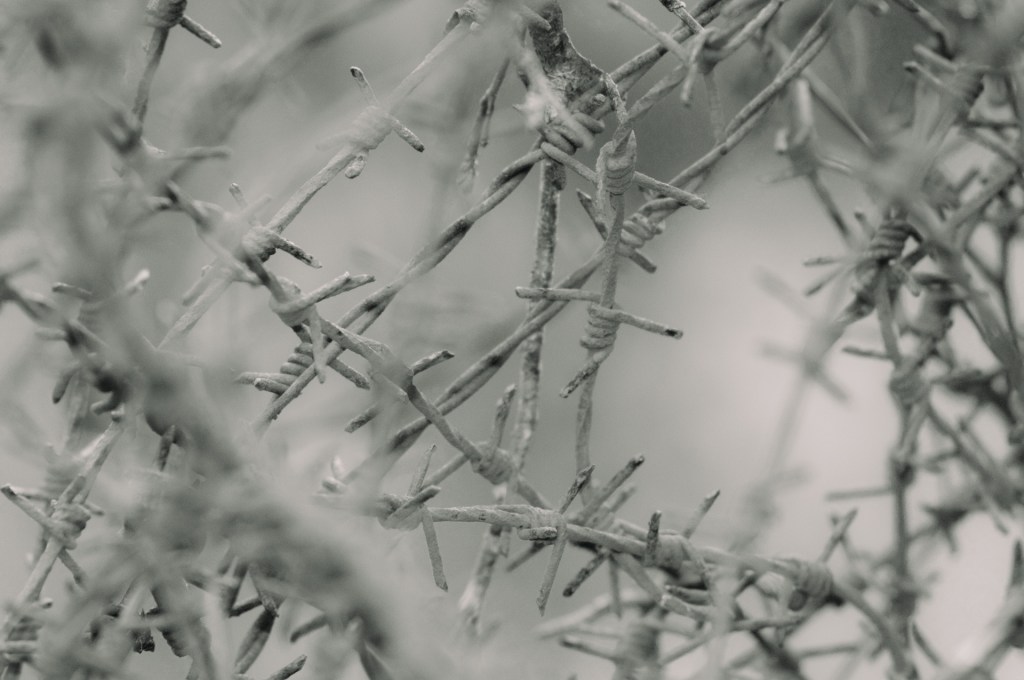
Your barbwire
handmade
wound by wound

keeps me out
you in

a leftover
from when the animals
grazed on your fields
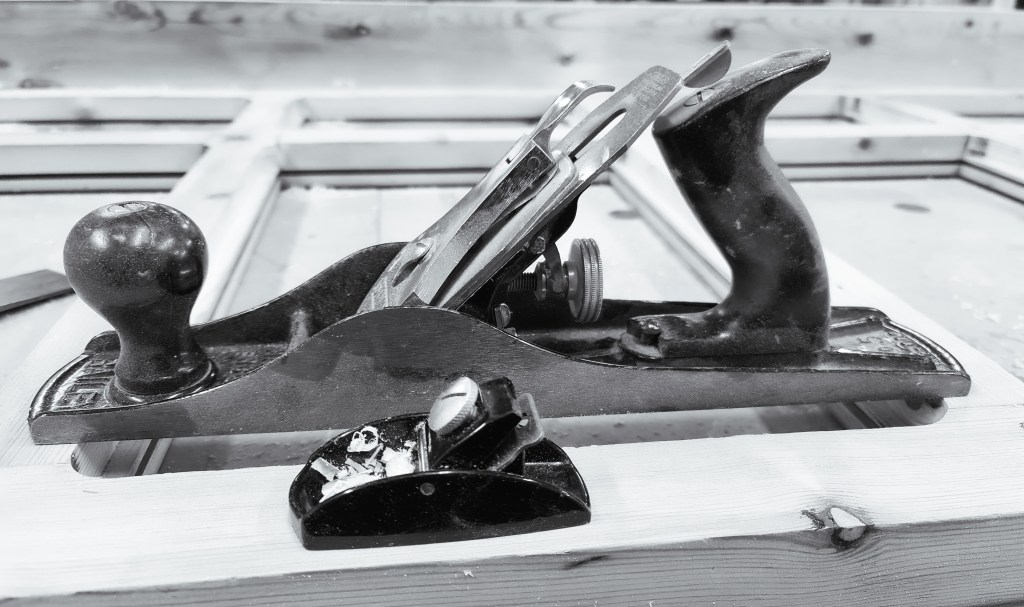
Sometimes you are pregnant of an idea
and than
a smaller version of you comes out
Life from start to end
is complete
like a circle with no end
or beginning

but for us
looking
at only parts of what we see
the sliver that makes sense
the blur we somehow
embrace

that life is a mystery
but only
because we can say it is

Some people are so focused on the lock
that they don’t realize that the door is open

219 Not settled. -We are glad to live in a small town; but from time to time, it drives us out into the most solitary and unexposed parts of nature: especially when the town has become too transparent for us once again. Finally, we go to a large city in order to recover, in turn, from nature. A few gulps of the latter -and we sense the dregs of its cup -and the circle begins anew, with the small town at the beginning. -This is how modern people live: who are somewhat too thorough about everything to be as settled as people were in other times.
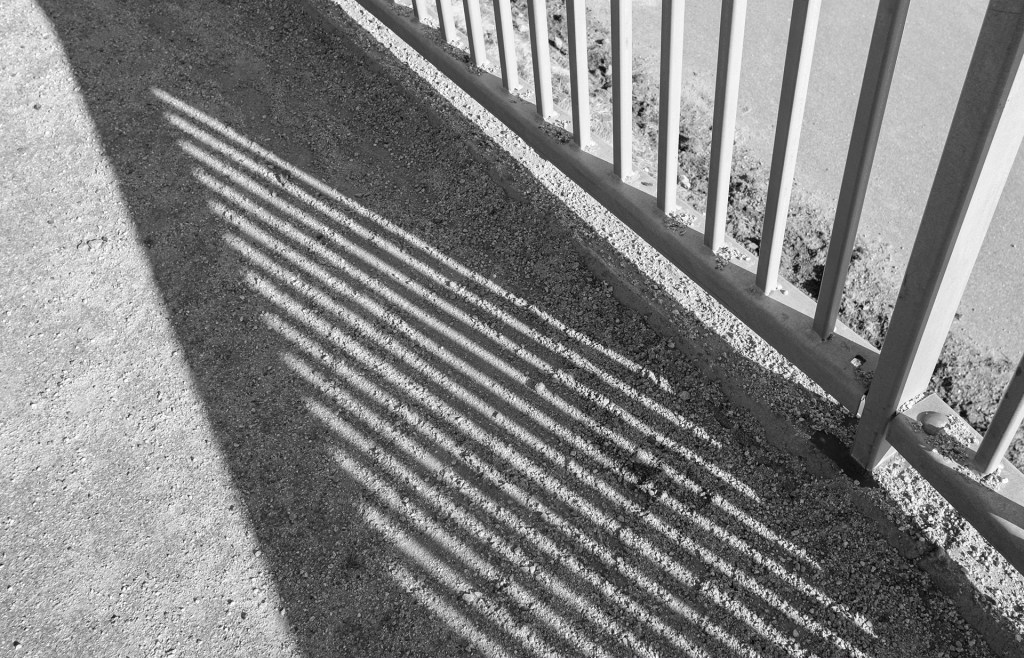
The bars that I see in the shadow
though fleeting in the dark
have kept me inside
for as long as I know

I try to grab them
like the ones I am holding now
but they are not there
to grab

they are not there
and that’s why I can’t brake them
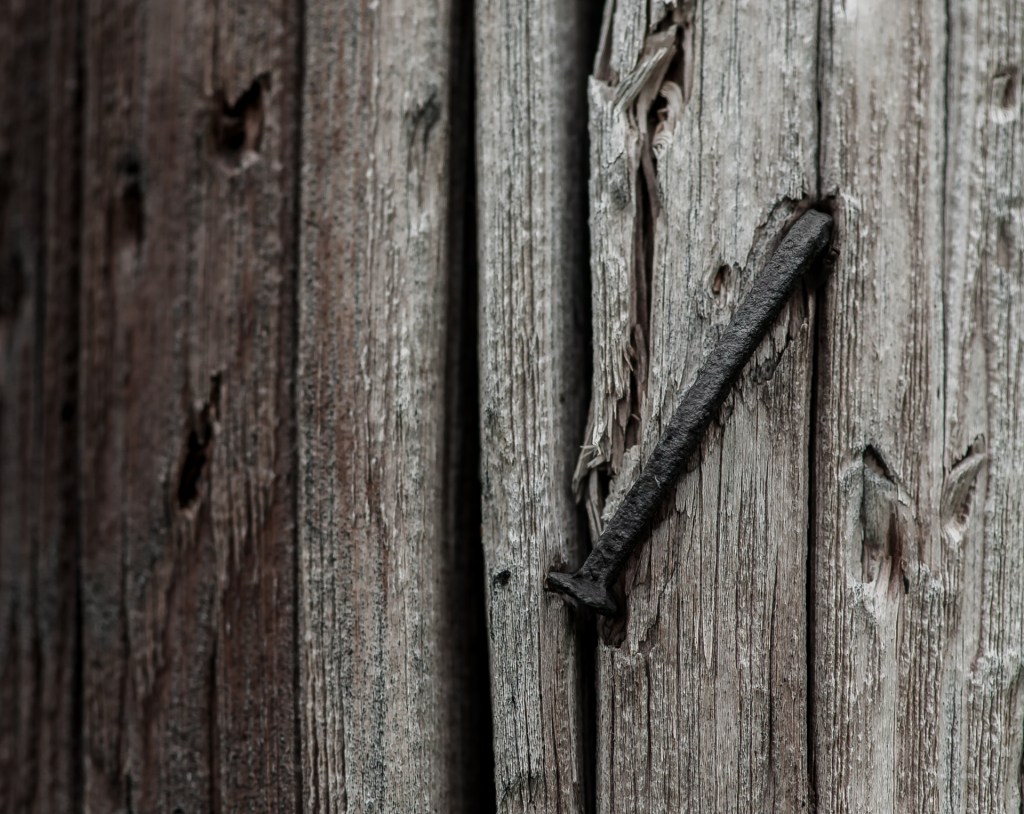
When you hit it wrong
but keep on going
you will eventually bend
the point
you were making

I sometimes read
the temperature of a room
wrong

so I say
but I know
I never looked at the damn thermometer

Is it luck that a branch
of a tree
grows
to where the sun is

I wish I had such a nice
and round
filter

“Life is a series of natural and spontaneous changes. Don’t resist them; that only creates sorrow. Let reality be reality. Let things flow naturally forward in whatever way they like.”
Lao Tzu

7 The error of free will. Today we no longer have any pity for the concept of “free will”: we know only too well what it really is–the foulest of all theologians’ artifices aimed at making mankind “responsible” in their sense, that is, dependent upon them. Here I simply supply the psychology of all “making responsible.”
Wherever responsibilities are sought, it is usually the instinct of wanting to judge and punish which is at work. Becoming has been deprived of its innocence when any being-such-and-such is traced back to will, to purposes, to acts of responsibility: the doctrine of the will has been invented essentially for the purpose of punishment, that is, because one wanted to impute guilt. The entire old psychology, the psychology of will, was conditioned by the fact that its originators, the priests at the head of ancient communities, wanted to create for themselves the right to punish–or wanted to create this right for God. Men were considered “free” so that they might be judged and punished–so that they might become guilty: consequently, every act had to be considered as willed, and the origin of every act had to be considered as lying within the consciousness (and thus the most fundamental counterfeit in psychologicis was made the principle of psychology itself).
Today, as we have entered into the reverse movement and we immoralists are trying with all our strength to take the concept of guilt and the concept of punishment out of the world again, and to cleanse psychology, history, nature, and social institutions and sanctions of them, there is in our eyes no more radical opposition than that of the theologians, who continue with the concept of a “moral world-order” to infect the innocence of becoming by means of “punishment” and “guilt.” Christianity is a metaphysics of the hangman.
 Nochrisis