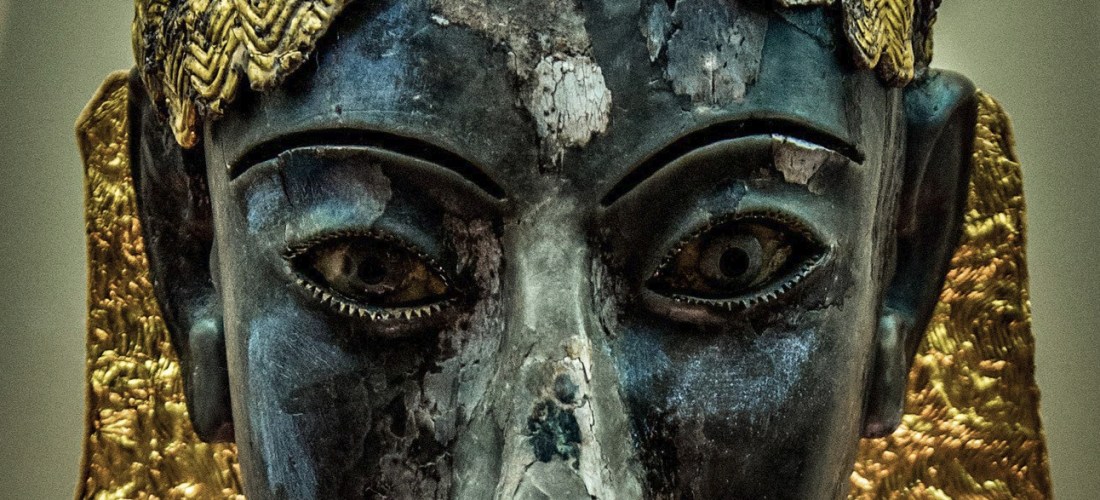
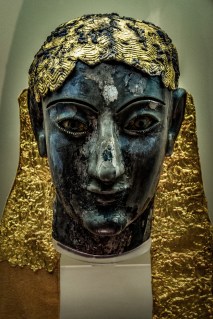
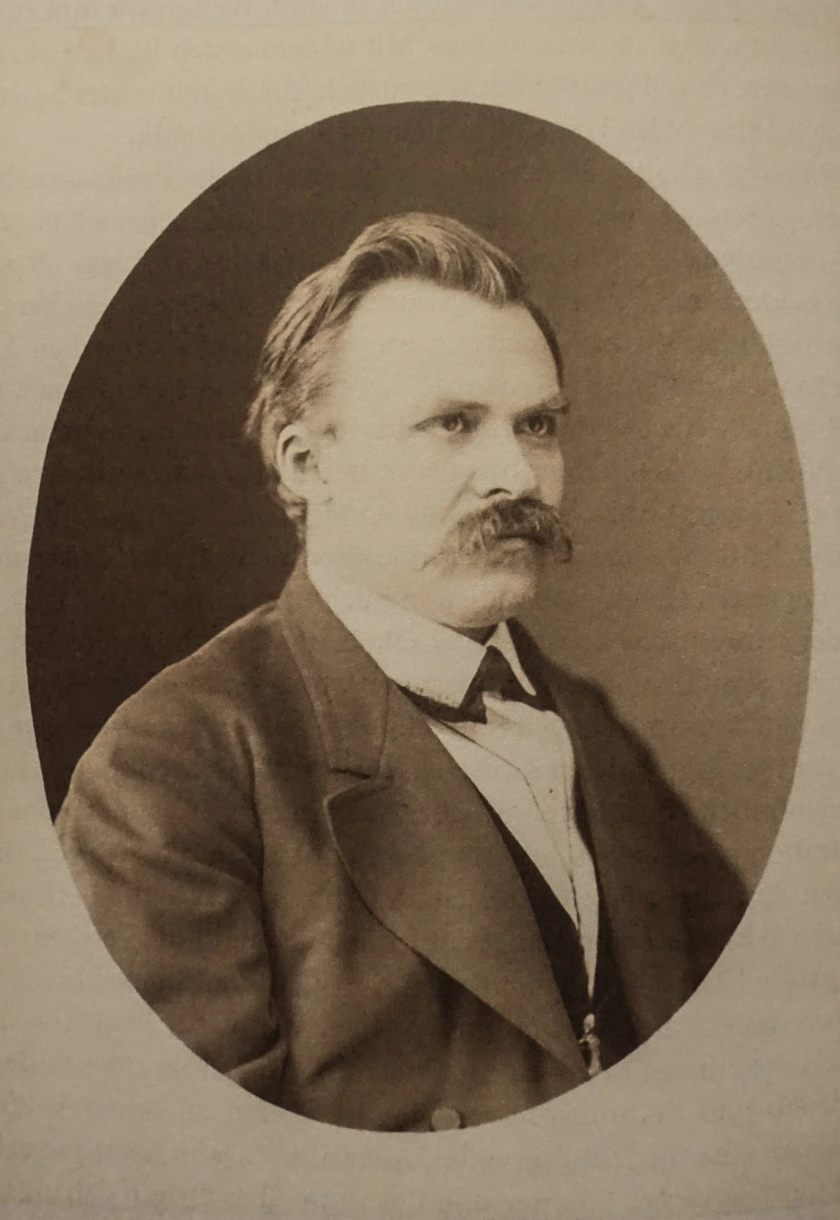
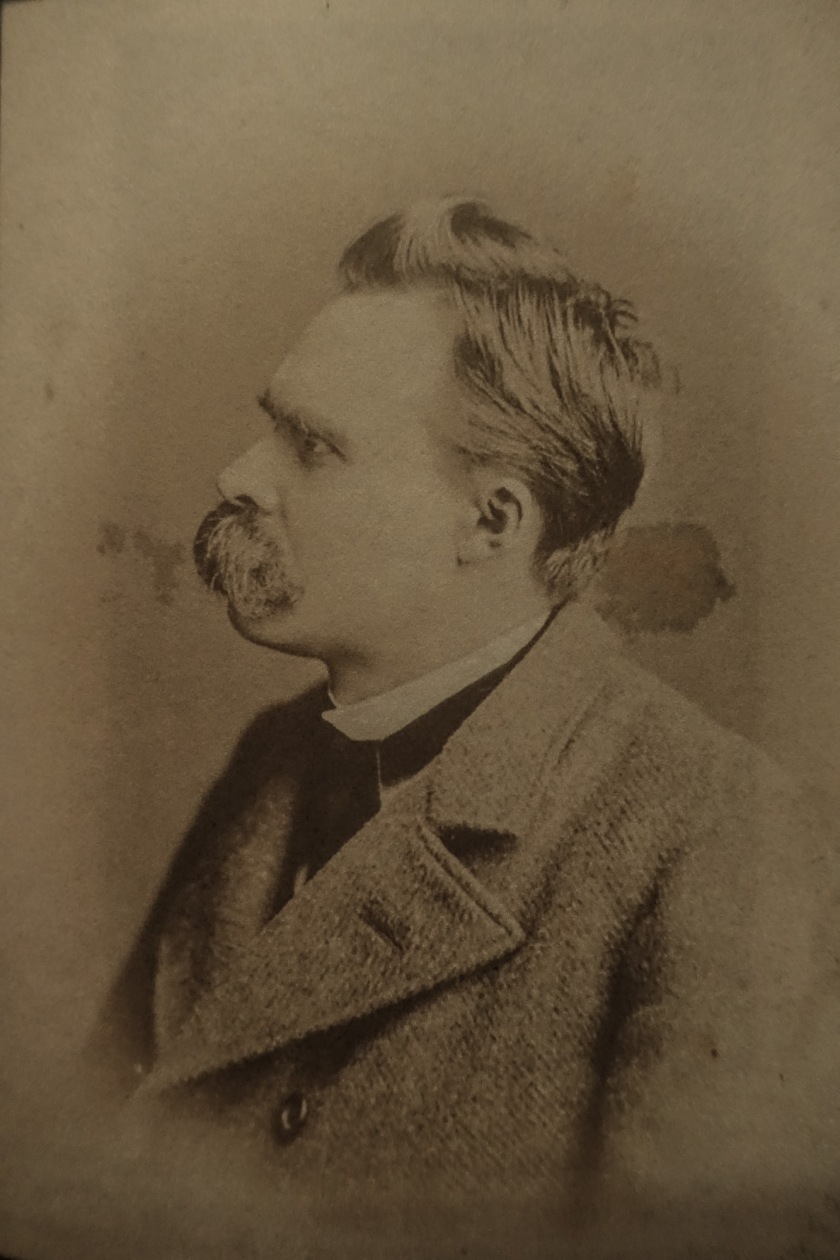
Day 663, On the Genealogy of Morals 2.

Day's pictures, Philosophy

Day 663-1

Friedrich Nietzsche

On the Genealogy of Morals

Preface

2

My ideas on the origin of our moral prejudices—for this is the subject ofthis polemic—received their first, brief, and provisional expression in the collection of aphorisms that bears the title Human, All-Too-Human. A Book for Free Spirits. This book was begun in Sorrento during a winter when it was given to me to pause as a wanderer pauses and look back across the broad and dangerous country my spirit had traversed up to that time. This was in the winter of 1876–77; the ideas themselves are older. They were already in essentials the same ideas that I take up again in the present treatises—let us hope the long interval has done them good, that they have become riper, clearer, stronger, more perfect! That I still cleave to them today, however, that they have become in the meantime more and more firmly attached to one another, indeed entwined and interlaced with one another, strengthens my joyful assurance that they might have arisen in me from the first not as isolated, capricious, or sporadic things but from a common root, from a fundamental will of knowledge, pointing imperiously into the depths, speaking more and more precisely, demanding greater and greater precision. For this alone is fitting for a philosopher. We have no right to isolated acts of any kind: we may not make isolated errors or hit upon isolated truths. Rather do our ideas, our values, our yeas and nays, our ifs and buts, grow out of us with the necessity with which a tree bears fruit—related and each with an affinity to each, and evidence of one will,one health, one soil, one sun.—Whether you like them, these fruits of ours?—But what is that to the trees! What is that to us, to us philosophers!

Day 661, On the Genealogy of Morals.

Day's pictures, On the Genealogy of Morals

Day 661-1

Friedrich Nietzsche

On the Genealogy of Morals

Preface

1

We are unknown to ourselves, we men of knowledge—and with good reason. We have never sought ourselves—how could it happen that we should ever find ourselves? It has rightly been said: “Where your treasure is, there will your heart be also”1 our treasure is where the beehives of our knowledge are. We are constantly making for them, being by nature winged creatures and honey-gatherers of the spirit; there is one thing alone we really care about from the heart—“bringing something home.” Whatever else there is in life, so-called “experiences”—which of us has sufficient earnestness for them? Or sufficient time? Present experience has, I am afraid, always found us “absent-minded”: we cannot give our hearts to it—not even our ears! Rather, as one divinely preoccupied and immersed inhimself into whose ear the bell has just boomed with all its strength the twelve beats of noon suddenly starts up and asks himself: “what really was that which just struck?” so we sometimes rub our ears afterward and ask, utterly surprised and disconcerted, ”what really was that which we have just experienced?” and moreover: “who are we really?” and, afterward as aforesaid, count the twelve trembling bell-strokes of our experience, our life, our being—and alas! miscount them.—So we are necessarily strangers to ourselves, we do not comprehend ourselves, we have to misunderstand ourselves, for us the law “Each is furthest from himself” applies to all eternity—we are not “men of knowledge” with respect to ourselves.

Read more about this book.

Day 655, Der geheimnisvolle Nachen

Day's pictures, Poetry

Day 655-1

By: Friedrich Nietzsche, songs of prince vogelfrei

The mysterious boat

Last night, as everything slept,
The wind sighed with unknowing,
Running through the lane,
I found no rest upon my pillow
It is the moon, still, that gives me
A deep sleep, – a good conscience.

I brushed sleep away from my
Senses and ran to the beach.
Moonlight shone and I met man and boat
Calmly upon the warm sands,
Sleepy both – shepherd and sheep –
Sleepy the boat slips away from land.

One hour, maybe two,
Or, was it a year? – to me
Suddenly sense and thought
Seem to be an eternal sameness,
Amid this abyss without limits,
I
do myself upon the past.

– Morning came, a boat stands
In the black depth and rests – rests . . .
What happened? She called – hundreds
Called me: what was it? Blood? – –
Nothing happened? We sleep, sleep
All sleeps – ah, so good! So good!

Der geheimnisvolle Nachen

Gestern nachts, als alles schlief,
Kaum der Wind mit ungewissen
Seufzern durch die Gassen lief,
Gab mir Ruhe nicht das Kissen,
Noch der Mohn, noch, was sonst tief
Schlafen macht, – ein gut Gewissen.

Endlich schlug ich mir den Schlaf
Aus dem Sinn und lief zum Strande.
Mondhell war’s und mild, ich traf
Mann und Kahn auf warmem Sande,
Schläfrig beide, Hirt und Schaf: –
Schläfrig stieß der Kahn vom Lande.

Eine Stunde, leicht auch zwei,
Oder war’s ein Jahr? – da sanken
Plötzlich mir Sinn und Gedanken
In ein ewiges Einerlei,
Und ein Abgrund ohne Schranken
Tat sich auf: – da war’s vorbei!

– Morgen kam: auf schwarzen Tiefen
steht ein Kahn und ruht und ruht . . .
Was geschah? so rief’s, so riefen
Hundert bald: was gab es? Blut? – –
Nichts geschah! Wir schliefen, schliefen
Alle – ach, so gut! so gut!

From:

The Peacock and the Buffalo
The Poetry of Nietzsche
Translated by James Luchte

ISBN: HB: 978-1-4411-1860-8

Luchte, James (ed.) - Peacock and the Buffalo (Continuum, 2010).jpg

Human all too human: 47. Hypochondria.

Human all too human

Reading Friedrich Nietzsche’s Human all too human

Read the introduction here You can read the aphorism I discuss here in English and German below the main article.

My take on it/synopsis.

  1. Sick for Christ.

DSCF8666

There are people who become hypochondriacal through their sympathy and concern for another person; the kind of sympathy which results therefrom is nothing but a disease. Thus, there is also a Christian hypochondria, which afflicts those solitary, religiously-minded people who keep constantly before their eyes the sufferings and death of Christ.


Text from the translation by Helen Zimmern and my take on it

There are people who become hypochondriacal through their sympathy and concern for another person ; the kind of sympathy which results therefrom is nothing but a disease. Thus there is also a Christian hypochondria, which afflicts those solitary, religiously-minded people who keep constantly before their eyes the sufferings and death of Christ.


Human, all too human a book for free spirits Part I translated by Helen Zimmern 1909

  1. HYPOCHONDRIA.—There are people who become hypochondriacal through their sympathy and concern for another person ; the kind of sympathy which results therefrom is nothing but a disease. Thus there is also a Christian hypochondria, which afflicts those solitary, religiously-minded people who keep constantly before their eyes the sufferings and death of Christ.

Menschliches allzu menschlich 1878/80

  1. Hypochondrie.- Es giebt Menschen, welche aus Mitgefühl und Sorge für eine andere Person hypochondrisch werden; die dabei entstehende Art des Mitleidens ist nichts Anderes, als eine Krankheit. So giebt es auch eine christliche Hypochondrie, welche jene einsamen, religiös bewegten Leute befällt, die sich das Leiden und Sterben Christi fortwährend vor Augen stellen.

Sources:

I will read a Dutch translation that is based on the work of researchers Colli and Montinari. I also use a translation from R.J.Hollingdale and the Gary Handwerk translation from the Colli-Montinari edition. Both are more modern than the copyright free translation I use here. This is a translation from 1909 by Helen Zimmern, who knew Nietzsche personally, but there was no critical study of Nietzsche’s work done back then and this translation suffers from that. The same goes for the translation from Alexander Harvey. My German is not good enough to pretend that I can translate it better than the professionals do but I will use the original as a referee.

  1. Menselijk al te menselijk een boek voor vrije geesten, translated by Thomas Graftdijk, 2000. Buy it here
  2. Human, all too human a book for free spirits, translated by R.J.Hollingdale, 1986
  3. Human, all too human a book for free spirits I V3, translated by Gary handwerk 1997
  4. Human, all too human a book for free spirits Part I, translated by Helen Zimmern 1909. Read it  here
  5. Human, all too human a book for free spirits, translated by Alexander Harvey, 1908. Read it here
  6. Menschliches allzu menschlich 1878/80. Read it here


Human all too human: 46. Sympathy stronger than suffering.

Human all too human

Reading Friedrich Nietzsche’s Human all too human

Read the introduction here You can read the aphorism I discuss here in English and German below the main article.

My take on it/synopsis.

  1. Your shame, my suffering.

DSCF8619-Edit

Sympathy can be stronger than suffering. You can feel more shame, for instance, when someone else does something shameful than you would feel yourself if you did the same. For one thing, we believe more in him then he does and even when his egoism suffers more than ours because of his mistake the un-egoistic* in us is more deeply wounded by his guilt than is the un-egoistic in him.

* this word is not to be taken too seriously, but only as a modification of the expression


Text from the translation by Helen Zimmern and my take on it

There are cases when sympathy is stronger than actual suffering. For instance, we are more pained when one of our friends is guilty of something shameful than when we do it ourselves. Sympathy can be stronger than suffering. You can feel more shame, for example, when someone else does something shameful than you would feel yourself doing the same. For one thing, we have more faith in the purity of his character than he has himself; then our love for him, probably on account of this very faith, is stronger than his love for himself. For one thing, we believe more in him then he does And even if his egoism suffers more thereby than our egoism, inasmuch as it has to bear more of the bad consequences of his fault, and even when his egoism suffers more than ours because of his mistake the un-egoistic in us—this word is not to be taken too seriously, but only as a modification of the expression—is more deeply wounded by his guilt than is the un-egoistic in him. the un-egoistic in us—this word is not to be taken too seriously, but only as a modification of the expression—is more deeply wounded by his guilt than is the un-egoistic in him.


Human, all too human a book for free spirits Part I translated by Helen Zimmern 1909

  1. SYMPATHY STRONGER THAN SUFFERING.—There are cases when sympathy is stronger than actual suffering. For instance, we are more pained when one of our friends is guilty of something shameful than when we do it ourselves. For one thing, we have more faith in the purity of his character than he has himself; then our love for him, probably on account of this very faith, is stronger than his love for himself. And even if his egoism suffers more thereby than our egoism, inasmuch as it has to bear more of the bad consequences of his fault, the un-egoistic in us—this word is not to be taken too seriously, but only as a modification of the expression—is more deeply wounded by his guilt than is the un-egoistic in him.

Menschliches allzu menschlich 1878/80

  1. Mitleiden stärker als Leiden. – Es giebt Fälle, wo das Mitleiden stärker ist, als das eigentliche Leiden. Wir empfinden es zum Beispiel schmerzlicher, wenn einer unserer Freunde sich etwas Schmähliches zu Schulden kommen lässt, als wenn wir selbst es thun. Einmal nämlich glauben wir mehr an die Reinheit seines Charakters, als er; sodann ist unsere Liebe zu ihm, wahrscheinlich eben dieses Glaubens wegen, stärker, als seine Liebe zu sich selbst. Wenn auch wirklich sein Egoismus mehr dabei leidet, als unser Egoismus, insofern er die übelen Folgen seines Vergehens stärker zu tragen hat, so wird das Unegoistische in uns – dieses Wort ist nie streng zu verstehen, sondern nur eine Erleichterung des Ausdrucks – doch stärker durch seine Schuld betroffen, als das Unegoistische in ihm.

Sources:

I will read a Dutch translation that is based on the work of researchers Colli and Montinari. I also use a translation from R.J.Hollingdale and the Gary Handwerk translation from the Colli-Montinari edition. Both are more modern than the copyright free translation I use here. This is a translation from 1909 by Helen Zimmern, who knew Nietzsche personally, but there was no critical study of Nietzsche’s work done back then and this translation suffers from that. The same goes for the translation from Alexander Harvey. My German is not good enough to pretend that I can translate it better than the professionals do but I will use the original as a referee.

  1. Menselijk al te menselijk een boek voor vrije geesten, translated by Thomas Graftdijk, 2000. Buy it here
  2. Human, all too human a book for free spirits, translated by R.J.Hollingdale, 1986
  3. Human, all too human a book for free spirits I V3, translated by Gary handwerk 1997
  4. Human, all too human a book for free spirits Part I, translated by Helen Zimmern 1909. Read it  here
  5. Human, all too human a book for free spirits, translated by Alexander Harvey, 1908. Read it here
  6. Menschliches allzu menschlich 1878/80. Read it here


Human all too human: 44. The Twofold early history of good and evil.

Human all too human

Reading Friedrich Nietzsche’s Human all too human

Read the introduction here You can read the aphorism I discuss here in English and German below the main article.

My take on it/synopsis.

  1. The good are a class, the bad are a mass.

DSCF8665The history of good and evil is twofold: First in the soul of the ruling class, who can repay good with good and evil with evil is good, whoever cannot do this is bad. As a good person you belong to the “good” community because of the shared value of requital. The bad person belongs to the “bad” community that is filled with powerless people without shared values. The good are a class, the bad are a mass. Good and bad have for a long time meant the same thing as noble and base or master and slave. But remember that an enemy is not necessary bad, it is not the one who injures us, but the one who is despicable, who is called bad. Good is inherited in the good community, no bad man can come from it and if a good person does bad the excuse will be the will of a god for instance. – Secondly, in the community of the bad people all man are looked upon as hostile and cruel no matter what his rank is, evil is the word they use for all living creatures. The signs of goodness, helpfulness and pity, are looked upon with fear, interpreted as meanness, the prelude to a terrible result. With such a disposition in the individual a community could hardly exist, or at most it could exist only in its crudest form, so that in all places where this conception of good and evil reigns, the downfall of the single individuals, of their tribes and races, is at hand. Our present civilization has grown up on the bottom of the ruling tribes and castes. 


Text from the translation by Helen Zimmern and my take on it

The conception of good and evil has a twofold early history, namely, once in the soul of the ruling tribes and castes. Whoever has the power of returning good for good, evil for evil, and really practises requital, and who is, therefore, grateful and revengeful, is called good ; The history of good and evil is twofold: First in the soul of the ruling class, who can requital or repay good with good and evil with evil is good, whoever is powerless, and unable to requite, is reckoned as bad. whoever cannot do this is bad. As a good man one is reckoned among the “good,” a community which has common feelings because the single individuals are bound to one another by the sense of requital. As a good person you belong to the “good” community because of the shared value of requital. As a bad man one belongs to the “bad,” to a party of subordinate, powerless people who have no common feeling. The bad person belongs to the “bad” community filled with powerless people without shared values. The good are a caste, the bad are a mass like dust. The good are a class, the bad are a mass. Good and bad have for a long time meant the same thing as noble and base, master and slave. Good and bad have for a long time meant the same thing as noble and base, master and slave. On the other hand, the enemy is not looked upon as evil, he can requite. In Homer the Trojan and the Greek are both good. It is not the one who injures us, but the one who is despicable, who is called bad. But remember that an enemy is not necessary bad, It is not the one who injures us, but the one who is despicable, who is called bad. Good is inherited in the community of the good ; it is impossible that a bad man could spring from such good soil. If, nevertheless, one of the good ones does something which is unworthy of the good, refuge is sought in excuses; the guilt is thrown upon a god, for instance ; it is said that he has struck the good man with blindness and madness.— Good is inherited in the good community, no bad man can come from it and if a good person does bad the excuse will be the will of a god. Then in the soul of the oppressed and powerless. Here every other man is looked upon as hostile, inconsiderate, rapacious, cruel, cunning, be he noble or base ; evil is the distinguishing word for man, even for every conceivable living creature, e.g. for a god ; human, divine, is the same thing as devilish, evil. In the community of the bad people all man are looked upon as hostile and cruel disregarding his rank, evil is the distinguishing word for all living creatures. The signs of goodness, helpfulness, pity, are looked upon with fear as spite, the prelude to a terrible result, stupefaction and out-witting,—in short, as refined malice. The signs of goodness, helpfulness and pity, are looked upon with fear as meanness, the prelude to a terrible result. With such a disposition in the individual a community could hardly exist, or at most it could exist only in its crudest form, so that in all places where this conception of good and evil obtains, the downfall of the single individuals, of their tribes and races, is at hand.—Our present civilisation has grown up on the soil of the ruling tribes and castes. With such a disposition in the individual a community could hardly exist, or at most it could exist only in its crudest form, so that in all places where this conception of good and evil obtains, the downfall of the single individuals, of their tribes and races, is at hand.—Our present civilisation has grown up on the soil of the ruling tribes and castes.


Human, all too human a book for free spirits Part I translated by Helen Zimmern 1909

  1. THE TWOFOLD EARLY HISTORY OF GOOD AND EVIL.—The conception of good and evil has a twofold early history, namely, once in the soul of the ruling tribes and castes. Whoever has the power of returning good for good, evil for evil, and really practises requital, and who is, therefore, grateful and revengeful, is called good ; whoever is powerless, and unable to requite, is reckoned as bad. As a good man one is reckoned among the “good,” a community which has common feelings because the single individuals are bound to one another by the sense of requital. As a bad man one belongs to the “bad,” to a party of subordinate, powerless people who have no common feeling. The good are a caste, the bad are a mass like dust. Good and bad have for a long time meant the same thing as noble and base, master and slave. On the other hand, the enemy is not looked upon as evil, he can requite. In Homer the Trojan and the Greek are both good. It is not the one who injures us, but the one who is despicable, who is called bad. Good is inherited in the community of the good ; it is impossible that a bad man could spring from such good soil. If, nevertheless, one of the good ones does something which is unworthy of the good, refuge is sought in excuses; the guilt is thrown upon a god, for instance ; it is said that he has struck the good man with blindness and madness.—Then in the soul of the oppressed and powerless. Here every other man is looked upon as hostile, inconsiderate, rapacious, cruel, cunning, be he noble or base ; evil is the distinguishing word for man, even for every conceivable living creature, e.g. for a god ; human, divine, is the same thing as devilish, evil. The signs of goodness, helpfulness, pity, are looked upon with fear as spite, the prelude to a terrible result, stupefaction and out-witting,—in short, as refined malice. With such a disposition in the individual a community could hardly exist, or at most it could exist only in its crudest form, so that in all places where this conception of good and evil obtains, the downfall of the single individuals, of their tribes and races, is at hand.—Our present civilisation has grown up on the soil of the ruling tribes and castes.

Menschliches allzu menschlich 1878/80

  1. Doppelte Vorgeschichte von Gut und Böse. – Der Begriff gut und böse hat eine doppelte Vorgeschichte: nämlich einmal in der Seele der herrschenden Stämme und Kasten. Wer die Macht zu vergelten hat, Gutes mit Gutem, Böses mit Bösem, und auch wirklich Vergeltung übt, also dankbar und rachsüchtig ist, der wird gut genannt; wer unmächtig ist und nicht vergelten kann, gilt als schlecht. Man gehört als Guter zu den “Guten”, einer Gemeinde, welche Gemeingefühl hat, weil alle Einzelnen durch den Sinn der Vergeltung mit einander verflochten sind. Man gehört als Schlechter zu den “Schlechten”, zu einem Haufen unterworfener, ohnmächtiger Menschen, welche kein Gemeingefühl haben. Die Guten sind eine Kaste, die Schlechten eine Masse wie Staub. Gut und schlecht ist eine Zeit lang so viel wie vornehm und niedrig, Herr und Sclave. Dagegen sieht man den Feind nicht als böse an: er kann vergelten. Der Troer und der Grieche sind bei Homer beide gut. Nicht Der, welcher uns Schädliches zufügt, sondern Der, welcher verächtlich ist, gilt als schlecht. In der Gemeinde der Guten vererbt sich das Gute; es ist unmöglich, dass ein Schlechter aus so gutem Erdreiche hervorwachse. Thut trotzdem Einer der Guten Etwas, das der Guten unwürdig ist, so verfällt man auf Ausflüchte; man schiebt zum Beispiel einem Gott die Schuld zu, indem man sagt: er habe den Guten mit Verblendung und Wahnsinn geschlagen. – Sodann in der Seele der Unterdrückten, Machtlosen. Hier gilt jeder andere Mensch als feindlich, rücksichtslos, ausbeutend, grausam, listig, sei er vornehm oder niedrig; böse ist das Charakterwort für Mensch, ja für jedes lebende Wesen, welches man voraussetzt, zum Beispiel für einen Gott; menschlich, göttlich gilt so viel wie teuflisch, böse. Die Zeichen der Güte, Hülfebereitschaft, Mitleid, werden angstvoll als Tücke, Vorspiel eines schrecklichen Ausgangs, Betäubung und Ueberlistung aufgenommen, kurz als verfeinerte Bosheit. Bei einer solchen Gesinnung des Einzelnen kann kaum ein Gemeinwesen entstehen, höchstens die roheste Form desselben: so dass überall, wo diese Auffassung von gut und böse herrscht, der Untergang der Einzelnen, ihrer Stämme und Rassen nahe ist. – Unsere jetzige Sittlichkeit ist auf dem Boden der herrschenden Stämme und Kasten aufgewachsen.

Sources:

I will read a Dutch translation that is based on the work of researchers Colli and Montinari. I also use a translation from R.J.Hollingdale and the Gary Handwerk translation from the Colli-Montinari edition. Both are more modern than the copyright free translation I use here. This is a translation from 1909 by Helen Zimmern, who knew Nietzsche personally, but there was no critical study of Nietzsche’s work done back then and this translation suffers from that. The same goes for the translation from Alexander Harvey. My German is not good enough to pretend that I can translate it better than the professionals do but I will use the original as a referee.

  1. Menselijk al te menselijk een boek voor vrije geesten, translated by Thomas Graftdijk, 2000. Buy it here
  2. Human, all too human a book for free spirits, translated by R.J.Hollingdale, 1986
  3. Human, all too human a book for free spirits I V3, translated by Gary handwerk 1997
  4. Human, all too human a book for free spirits Part I, translated by Helen Zimmern 1909. Read it  here
  5. Human, all too human a book for free spirits, translated by Alexander Harvey, 1908. Read it here
  6. Menschliches allzu menschlich 1878/80. Read it here


Human all too human: 44. Gratitude and revenge

Human all too human

Reading Friedrich Nietzsche’s Human all too human

Read the introduction here You can read the aphorism I discuss here in English and German below the main article.

My take on it/synopsis.

  1. Gratitude as revenge.

DSC_2023

The reason why the powerful man is grateful is: his benefactor intruded his sphere with charity. The powerful man, in his turn, penetrates the sphere of his benefactor with gratitude. It is a milder form of revenge. Without the satisfaction of gratitude, the powerful man would have shown himself powerless, and would have been reckoned as such ever after. Therefore, every group of the good, originally the powerful, places gratitude amongst the first duties. Swift propounded the maxim that men were grateful in the same proportion as they were revengeful.


Text from the translation by Helen Zimmern and my take on it

The reason why the powerful man is grateful is this : his benefactor, through the benefit he confers, has mistaken and intruded into the sphere of the powerful man, —now the latter, in return, penetrates into the sphere of the benefactor by the act of gratitude. It is a milder form of revenge. The reason why the powerful man is grateful is: his benefactor intruded the sphere of the powerful man with his charity. The powerful man, in his turn, penetrates the sphere of his benefactor with gratitude. It is a milder form of revenge. Without the satisfaction of gratitude, the powerful man would have shown himself powerless, and would have been reckoned as such ever after. Without the satisfaction of gratitude, the powerful man would have shown himself powerless, and would have been reckoned as such ever after. Therefore every society of the good, which originally meant the powerful, places gratitude amongst the first duties. Therefore every group of the good, originally the powerful, places gratitude amongst the first duties. Swift propounded the maxim that men were grateful in the same proportion as they were revengeful. Swift propounded the maxim that men were grateful in the same proportion as they were revengeful.


Human, all too human a book for free spirits Part I translated by Helen Zimmern 1909

  1. GRATITUDE AND REVENGE.The reason why the powerful man is grateful is this : his benefactor, through the benefit he confers, has mistaken and intruded into the sphere of the powerful man, —now the latter, in return, penetrates into the sphere of the benefactor by the act of gratitude. It is a milder form of revenge. Without the satisfaction of gratitude, the powerful man would have shown himself powerless, and would have been reckoned as such ever after. Therefore every society of the good, which originally meant the powerful, places gratitude amongst the first duties.—Swift propounded the maxim that men were grateful in the same proportion as they were revengeful.

Menschliches allzu menschlich 1878/80

  1. Dankbarkeit und Rache. – Der Grund, wesshalb der Mächtige dankbar ist, ist dieser. Sein Wohlthäter hat sich durch seine Wohlthat an der Sphäre des Mächtigen gleichsam vergriffen und sich in sie eingedrängt: nun vergreift er sich zur Vergeltung wieder an der Sphäre des Wohlthäters durch den Act der Dankbarkeit. Es ist eine mildere Form der Rache. Ohne die Genugthuung der Dankbarkeit zu haben, würde der Mächtige sich unmächtig gezeigt haben und fürderhin dafür gelten. Desshalb stellt jede Gesellschaft der Guten, das heisst ursprünglich der Mächtigen, die Dankbarkeit unter die ersten Pflichten. – Swift hat den Satz hingeworfen, dass Menschen in dem selben Verhältniss dankbar sind, wie sie Rache hegen.

Sources:

I will read a Dutch translation that is based on the work of researchers Colli and Montinari. I also use a translation from R.J.Hollingdale and the Gary Handwerk translation from the Colli-Montinari edition. Both are more modern than the copyright free translation I use here. This is a translation from 1909 by Helen Zimmern, who knew Nietzsche personally, but there was no critical study of Nietzsche’s work done back then and this translation suffers from that. The same goes for the translation from Alexander Harvey. My German is not good enough to pretend that I can translate it better than the professionals do but I will use the original as a referee.

  1. Menselijk al te menselijk een boek voor vrije geesten, translated by Thomas Graftdijk, 2000. Buy it here
  2. Human, all too human a book for free spirits, translated by R.J.Hollingdale, 1986
  3. Human, all too human a book for free spirits I V3, translated by Gary handwerk 1997
  4. Human, all too human a book for free spirits Part I, translated by Helen Zimmern 1909. Read it  here
  5. Human, all too human a book for free spirits, translated by Alexander Harvey, 1908. Read it here
  6. Menschliches allzu menschlich 1878/80. Read it here


Human all too human: 43. Cruel people as those who have remained.

Human all too human

Reading Friedrich Nietzsche’s Human all too human

Read the introduction here You can read the aphorism I discuss here in English and German below the main article.

My take on it/synopsis.

  1. Don’t blame the cruel people.

DSC_1687

Cruel people are the remains of past times, they are the hidden grooves in the mountain of humanity, they have inherited the rougher parts and are not as refined. They show us how we were ones, but like a block of granite, you cannot blame them for being granite. There are also grooves in our brain, like residual organs that we inherited, but these grooves and twists are no longer the bed through which the stream of our sensation flows.


Text from the translation by Helen Zimmern and my take on it

People who are cruel nowadays must be accounted for by us as the grades of earlier civilisations which have survived ; here are exposed those deeper formations in the mountain of humanity which usually remain concealed. Cruel people are the remains of past times, they are the hidden grooves in the mountain of humanity, They are backward people whose brains, through all manner of accidents in the course of inheritance, have not been developed in so delicate and manifold a way. they have inherited only the rougher parts and are not as refined. They show us what we all were and horrify us, but they themselves are as little responsible as is a block of granite for being granite. They show us how we were ones, but like a block of granite, you cannot blame them for being granite. There must, too, be grooves and twists in our brains which answer to that condition of mind, There are also grooves, like with cruel people, in our brain as in the form of certain human organs there are supposed to be traces of a fish-state. like residual organs we inherited from our past But these grooves and twists are no longer the bed through which the stream of our sensation flows. But these grooves and twists are no longer the bed through which the stream of our sensation flows.


Human, all too human a book for free spirits Part I translated by Helen Zimmern 1909

  1. CRUEL PEOPLE AS THOSE WHO HAVE REMAINED BEHIND.—People who are cruel nowadays must be accounted for by us as the grades of earlier civilisations which have survived ; here are exposed those deeper formations in the mountain of humanity which usually remain concealed. They are backward people whose brains, through all manner of accidents in the course of inheritance, have not been developed in so delicate and manifold a way. They show us what we all were and horrify us, but they themselves are as little responsible as is a block of granite for being granite. There must, too, be grooves and twists in our brains which answer to that condition of mind, as in the form of certain human organs there are supposed to be traces of a fish-state. But these grooves and twists are no longer the bed through which the stream of our sensation flows.

Menschliches allzu menschlich 1878/80

  1. Grausame Menschen als zurückgeblieben. – Die Menschen, welche jetzt grausam sind, müssen uns als Stufen früherer Culturen gelten, welche übrig geblieben sind: das Gebirge der Menschheit zeigt hier einmal die tieferen Formationen, welche sonst versteckt liegen, offen. Es sind zurückgebliebene Menschen, deren Gehirn, durch alle möglichen Zufälle im Verlaufe der Vererbung, nicht so zart und vielseitig fortgebildet worden ist. Sie zeigen uns, was wir Alle waren, und machen uns erschrecken: aber sie selber sind so wenig verantwortlich, wie ein Stück Granit dafür, dass es Granit ist. In unserm Gehirne müssen sich auch Rinnen und Windungen finden, welche jener Gesinnung entsprechen, wie sich in der Form einzelner menschlicher Organe Erinnerungen an Fischzustände finden sollen. Aber diese Rinnen und Windungen sind nicht mehr das Bett, in welchem sich jetzt der Strom unserer Empfindung wälzt.

Sources:

I will read a Dutch translation that is based on the work of researchers Colli and Montinari. I also use a translation from R.J.Hollingdale and the Gary Handwerk translation from the Colli-Montinari edition. Both are more modern than the copyright free translation I use here. This is a translation from 1909 by Helen Zimmern, who knew Nietzsche personally, but there was no critical study of Nietzsche’s work done back then and this translation suffers from that. The same goes for the translation from Alexander Harvey. My German is not good enough to pretend that I can translate it better than the professionals do but I will use the original as a referee.

  1. Menselijk al te menselijk een boek voor vrije geesten, translated by Thomas Graftdijk, 2000. Buy it here
  2. Human, all too human a book for free spirits, translated by R.J.Hollingdale, 1986
  3. Human, all too human a book for free spirits I V3, translated by Gary handwerk 1997
  4. Human, all too human a book for free spirits Part I, translated by Helen Zimmern 1909. Read it  here
  5. Human, all too human a book for free spirits, translated by Alexander Harvey, 1908. Read it here
  6. Menschliches allzu menschlich 1878/80. Read it here


Human all too human: 42. The order of possessions and morality.

Human all too human

Reading Friedrich Nietzsche’s Human all too human

Read the introduction here You can read the aphorism I discuss here in English and German below the main article.

My take on it/synopsis.

  1. Morality is determined by the culture one lives in.

DSCF8627

The accepted order of things according to the level of desire, decides what is moral or immoral. Desiring physical pleasure over health or luxury over liberty is for instance immoral. This hierarchy is not fixed in time, choosing vengeance over justice was moral one times but not anymore. To be immoral means that one is not tuned to the new culture one lives in, but this person is only gradually backwards. The order of desirable things is not changed according to a moral point of view, but when it is fixed it will then determine if an action is moral or immoral. 


Text from the translation by Helen Zimmern and my take on it

The once-accepted hierarchy of possessions, according as this or the other is coveted by a lower, higher, or highest egoism, now decides what is moral or immoral. The once accepted order of things according to the level of desire, decides who is moral. To prefer a lesser good (for instance, the gratification of the senses) to a more highly valued good (for instance, health) is accounted immoral, and also to prefer luxury to liberty. Desiring physical pleasure over health or luxury over liberty is for instance immoral. The hierarchy of possessions, however, is not fixed and equal at all times ; This hierarchy is not fixed in time.  if any one prefers vengeance to justice he is moral according to the standard of an earlier civilisation, but immoral according to the present one. Choosing vengeance over justice was moral in other times but not anymore. To be ” immoral,” therefore, denotes that an individual has not felt, or not felt sufficiently strongly, the higher, finer, spiritual motives which have come in with a new culture ; To be immoral means that one is not tuned to new culture one lives in, it marks one who has remained behind, but only according to the difference of degrees. that person is only gradually backward. The order of possessions itself is not raised and lowered according to a moral point of view ; but each time that it is fixed it supplies the decision as to whether an action is moral or immoral. The order of desirable things is not changed according to a moral point of view, but when it is fixed it will then determine if an action is moral or immoral.


Human, all too human a book for free spirits Part I translated by Helen Zimmern 1909

  1. THE ORDER OF POSSESSIONS AND MORALITY.—The once-accepted hierarchy of possessions, according as this or the other is coveted by a lower, higher, or highest egoism, now decides what is moral or immoral. To prefer a lesser good (for instance, the gratification of the senses) to a more highly valued good (for instance, health) is accounted immoral, and also to prefer luxury to liberty. The hierarchy of possessions, however, is not fixed and equal at all times ; if any one prefers vengeance to justice he is moral according to the standard of an earlier civilisation, but immoral according to the present one. To be ” immoral,” therefore, denotes that an individual has not felt, or not felt sufficiently strongly, the higher, finer, spiritual motives which have come in with a new culture ; it marks one who has remained behind, but only according to the difference of degrees. The order of possessions itself is not raised and lowered according to a moral point of view ; but each time that it is fixed it supplies the decision as to whether an action is moral or immoral.

Menschliches allzu menschlich 1878/80

  1. Die Ordnung der Güter und die Moral. – Die einmal angenommene Rangordnung der Güter, je nachdem ein niedriger, höherer, höchster Egoismus das Eine oder das Andere will, entscheidet jetzt über das Moralisch-sein oder Unmoralisch-sein. Ein niedriges Gut (zum Beispiel Sinnengenuss) einem höher geschätzten (zum Beispiel Gesundheit) vorziehen, gilt als unmoralisch, ebenso Wohlleben der Freiheit vorziehen. Die Rangordnung der Güter ist aber keine zu allen Zeiten feste und gleiche; wenn jemand Rache der Gerechtigkeit vorzieht, so ist er nach dem Maassstabe einer früheren Cultur moralisch, nach dem der jetzigen unmoralisch. “Unmoralisch” bezeichnet also, dass Einer die höheren, feineren, geistigeren Motive, welche die jeweilen neue Cultur hinzugebracht hat, noch nicht oder noch nicht stark genug empfindet: es bezeichnet einen Zurückgebliebenen, aber immer nur dem Gradunterschied nach. – Die Rangordnung der Güter selber wird nicht nach moralischen Gesichtspuncten auf- und umgestellt; wohl aber wird nach ihrer jedesmaligen Festsetzung darüber entschieden, ob eine Handlung moralisch oder unmoralisch sei.

Sources:

I will read a Dutch translation that is based on the work of researchers Colli and Montinari. I also use a translation from R.J.Hollingdale and the Gary Handwerk translation from the Colli-Montinari edition. Both are more modern than the copyright free translation I use here. This is a translation from 1909 by Helen Zimmern, who knew Nietzsche personally, but there was no critical study of Nietzsche’s work done back then and this translation suffers from that. The same goes for the translation from Alexander Harvey. My German is not good enough to pretend that I can translate it better than the professionals do but I will use the original as a referee.

  1. Menselijk al te menselijk een boek voor vrije geesten, translated by Thomas Graftdijk, 2000. Buy it here
  2. Human, all too human a book for free spirits, translated by R.J.Hollingdale, 1986
  3. Human, all too human a book for free spirits I V3, translated by Gary handwerk 1997
  4. Human, all too human a book for free spirits Part I, translated by Helen Zimmern 1909. Read it  here
  5. Human, all too human a book for free spirits, translated by Alexander Harvey, 1908. Read it here
  6. Menschliches allzu menschlich 1878/80. Read it here


Human all too human: 41. The unchangeable character.

Human all too human

Reading Friedrich Nietzsche’s Human all too human

Read the introduction here You can read the aphorism I discuss here in English and German below the main article.

My take on it/synopsis.

  1. Small perspective leads to small minds.

DSC_1743

That the character is unchangeable is not true in a strict sense. This popular notion only means that during our short lives, our experiences are not strong enough to change many millennia of ingrained human characteristics. But if you imagine a man of eighty thousand years old, you will have someone that has changed many times. Our short lives mislead us into forming many flawed ideas about the qualities of man. 


Text from the translation by Helen Zimmern and my take on it

That the character is unchangeable is not true in a strict sense; That the character is unchangeable is not true in a strict sense this favorite theory means, rather, that during the short lifetime of an individual the new influencing motives cannot penetrate deeply enough to destroy the ingrained marks of many thousands of years. This popular notion only means that during our short lives our experiences are not strong enough to change thousands years of marks left by history. But if one were to imagine a man of eighty thousand years, one would have in him an absolutely changeable character, so that a number of different individuals would gradually develop out of him. The shortness of human life misleads us into forming many erroneous ideas about the qualities of man. But if you imagine a man of eighty thousand years, you will have an absolutely changeable character, so that a number of different individuals would gradually develop out of him. The shortness of human life misleads us into forming many flawed ideas about the qualities of man.


Human, all too human a book for free spirits Part I translated by Helen Zimmern 1909

  1. THE UNCHANGEABLE CHARACTER.—That the character is unchangeable is not true in a strict sense; this favourite theory means, rather, that during the short lifetime of an individual the new influencing motives cannot penetrate deeply enough to destroy the ingrained marks of many thousands of years. But if one were to imagine a man of eighty thousand years, one would have in him an absolutely changeable character, so that a number of different individuals would gradually develop out of him. The shortness of human life misleads us into forming many erroneous ideas about the qualities of man.

Menschliches allzu menschlich 1878/80

  1. Der unveränderliche Charakter. – Dass der Charakter unveränderlich sei, ist nicht im strengen Sinne wahr; vielmehr heisst dieser beliebte Satz nur so viel, dass während der kurzen Lebensdauer eines Menschen die einwirkenden Motive gewöhnlich nicht tief genug ritzen können, um die aufgeprägten Schriftzüge vieler Jahrtausende zu zerstören. Dächte man sich aber einen Menschen von achtzigtausend Jahren, so hätte man an ihm sogar einen absolut veränderlichen Charakter: so dass eine Fülle verschiedener Individuen sich nach und nach aus ihm entwickelte. Die Kürze des menschlichen Lebens verleitet zu manchen irrthümlichen Behauptungen über die Eigenschaften des Menschen.

Sources:

I will read a Dutch translation that is based on the work of researchers Colli and Montinari. I also use a translation from R.J.Hollingdale and the Gary Handwerk translation from the Colli-Montinari edition. Both are more modern than the copyright free translation I use here. This is a translation from 1909 by Helen Zimmern, who knew Nietzsche personally, but there was no critical study of Nietzsche’s work done back then and this translation suffers from that. The same goes for the translation from Alexander Harvey. My German is not good enough to pretend that I can translate it better than the professionals do but I will use the original as a referee.

  1. Menselijk al te menselijk een boek voor vrije geesten, translated by Thomas Graftdijk, 2000. Buy it here
  2. Human, all too human a book for free spirits, translated by R.J.Hollingdale, 1986
  3. Human, all too human a book for free spirits I V3, translated by Gary handwerk 1997
  4. Human, all too human a book for free spirits Part I, translated by Helen Zimmern 1909. Read it  here
  5. Human, all too human a book for free spirits, translated by Alexander Harvey, 1908. Read it here
  6. Menschliches allzu menschlich 1878/80. Read it here


Human all too human: 40. The super-animal.

Human all too human

Reading Friedrich Nietzsche’s Human all too human

Read the introduction here You can read the aphorism I discuss here in English and German below the main article.

My take on it/synopsis.

  1. Moral lies for the animal.

DSC_1707The animal in us likes to be lied to, morality is a lie for our own good because the truth will destroy us. Without this lie we would still be animals, but it made us feel better and we laid stricter laws on ourselves. That’s why we hate the earlier parts of our development because it is closer to our beginnings, and that can explain the hatred for slaves.


Text from the translation by Helen Zimmern and my take on it

The beast in us wishes to be deceived ; morality is a lie of necessity in order that we may not be torn in pieces by it. The animal in us likes to be lied to, morality is a lie for our own good because the truth will destroy us. Without the errors which lie in the assumption of morality, man would have remained an animal. Thus, however, he has considered himself as something higher and has laid strict laws upon himself. Without the lie we would still be animals, but it made us believe we are better and we laid stricter laws on ourselves.  Therefore, he hates the grades which have remained nearer to animalness, whereby the former scorn of the slave, as a not-yet-man, is to be explained as a fact. That’s why we hate the earlier parts of our development because it’s closer to our beginnings, what can explain the hatred for slaves.


Human, all too human a book for free spirits Part I translated by Helen Zimmern 1909

  1. THE SUPER-ANIMAL.—The beast in us wishes to be deceived ; morality is a lie of necessity in order that we may not be torn in pieces by it. Without the errors which lie in the assumption of morality, man would have remained an animal. Thus, however, he has considered himself as something higher and has laid strict laws upon himself. Therefore he hates the grades which have remained nearer to animalness, whereby the former scorn of the slave, as a not-yet-man, is to be explained as a fact.

Menschliches allzu menschlich 1878/80

  1. Das Ueber-Thier. – Die Bestie in uns will belogen werden; Moral ist Nothlüge, damit wir von ihr nicht zerrissen werden. Ohne die Irrthümer, welche in den Annahmen der Moral liegen, wäre der Mensch Thier geblieben. So aber hat er sich als etwas Höheres genommen und sich strengere Gesetze auferlegt. Er hat desshalb einen Hass gegen die der Thierheit näher gebliebenen Stufen: woraus die ehemalige Missachtung des Sclaven, als eines Nicht-Menschen, als einer Sache zu erklären ist.

Sources:

I will read a Dutch translation that is based on the work of researchers Colli and Montinari. I also use a translation from R.J.Hollingdale and the Gary Handwerk translation from the Colli-Montinari edition. Both are more modern than the copyright free translation I use here. This is a translation from 1909 by Helen Zimmern, who knew Nietzsche personally, but there was no critical study of Nietzsche’s work done back then and this translation suffers from that. The same goes for the translation from Alexander Harvey. My German is not good enough to pretend that I can translate it better than the professionals do but I will use the original as a referee.

  1. Menselijk al te menselijk een boek voor vrije geesten, translated by Thomas Graftdijk, 2000. Buy it here
  2. Human, all too human a book for free spirits, translated by R.J.Hollingdale, 1986
  3. Human, all too human a book for free spirits I V3, translated by Gary handwerk 1997
  4. Human, all too human a book for free spirits Part I, translated by Helen Zimmern 1909. Read it  here
  5. Human, all too human a book for free spirits, translated by Alexander Harvey, 1908. Read it here
  6. Menschliches allzu menschlich 1878/80. Read it here


Human all too human: 39. The fable of intelligible freedom.

Human all too human

Reading Friedrich Nietzsche’s Human all too human

Read the introduction here You can read the aphorism I discuss here in English and German below the main article.

My take on it/synopsis.

  1. Mistaken origin of free will and feelings.
DSCF8628The history of the impression we use to judge someone’s responsibility for their actions has the following stages. First you have good and bad actions that are judged by the results, soon these results are forgotten, and the actions are now just good or bad. Then the goodness or badness is implanted in the motive, and the action in itself is looked upon as morally ambiguous. Than we goes further by designating good or bad to a whole person instead of their actions. To evaluate, man is made responsible for his effects (the results), then for his actions, then for his motives, and finally for his nature. But finally, man discovers that our nature is determined by his place in time and space and that there is no free will. Schopenhauer does not agree with this and points out that some actions give you guild and therefore require the need for you to be responsible, if you were not responsible you could not have felt guild. But man himself, because of his determinism, is precisely the being that he is—which Schopenhauer denies. Because we can feel guild Schopenhauer thinks he can prove our liberty not with regard to what we do, but with regard to our nature, we have the freedom to be this or that way, but we cannot act this or that way. Out of the sphere of freedom and responsibility, comes the sphere of strict causality, necessity, and irresponsibility. The feeling of guild comes apparently from causality, but in reality, it comes from our freedom which is the action of a free will, the fundamental cause of the existence of an individual, his will is there before his existence. Here the twisted reasoning is followed, that the fact that there is guilt inferred the justification, the rational acceptability comes from this, this is how Schopenhauer arrives at his fantastic sequence of the so-called intelligible freedom. But the guild after the deed is not necessarily reasonable, it is most certainly not, because it is based on the wrong presumption that the feeling of guild is not a necessary result. Therefore, it is only because man believes himself to be free, not because he is free, that he experiences guild. Guild is also something you can unlearn, and it also depends on where you live, in what kind of culture, we don’t even know how old this feeling is. Nobody is responsible for his actions, nobody for his nature, to judge is identical with being unjust. This also applies when an individual judges himself. The theory is as clear as sunlight, and yet everyone prefers to go back into the shadow and the untruth, for fear of the consequences. 


Text from the translation by Helen Zimmern and my take on it

The history of the sentiments by means of which we make a person responsible consists of the following principal phases. The history of the impression we use to judge someone’s responsibility for their actions has the following stages. First, all single actions are called good or bad without any regard to their motives, but only on account of the useful or injurious consequences which result for the community. First you have good and bad action that are judged by the results,  But soon the origin of these distinctions is forgotten, and it is deemed that the qualities ” good ” or ” bad ” are contained in the action itself without regard to its consequences, Soon the results are forgotten and the actions are now just good or bad. by the same error according to which language describes the stone as hard,the tree as green,—with which, in short, the result is regarded as the cause. Then the goodness or badness is implanted in the motive, and the action in itself is looked upon as morally ambiguous. Then the goodness or badness is implanted in the motive, and the action in itself is looked upon as morally ambiguous. Mankind even goes further, and applies the predicate good or bad no longer to single motives, but to the whole nature of an individual, out of whom the motive grows as the plant grows out of the earth. Than man goes further by designating good or bad to a whole person instead of their actions.  Thus, in turn, man is made responsible for his operations, then for his actions, then for his motives, and finally for his nature. To evaluate, man is made responsible for his effects, then for his actions, then for his motives, and finally for his nature. Eventually it is discovered that even this nature cannot be responsible, inasmuch as it is an absolutely necessary consequence concreted out of the elements and influences of past and present things,—that man, therefore, cannot be made responsible for anything, neither for his nature, nor his motives, nor his actions, nor his effects. It has therewith come to be recognised that the history of moral valuations is at the same time the history of an error, the error of responsibility, which is based upon the error of the freedom of will. But finally man discovers that our nature is determined by his place in time and space and that there is no free will. Schopenhauer thus decided against it: because certain actions bring ill humour (“consciousness of guilt”) in their train, there must be a responsibility ; for there would be no reason for this ill humour if not only all human actions were not done of necessity,—which is actually the case and also the belief of this philosopher, Schopenhauer does not agree and points out that some actions give you guild and therefore needs you to be responsible, if you were not responsible you could not have felt guild, and Schopenhauer agrees with this. —but man himself from the same necessity is precisely the being that he is—which Schopenhauer denies. but man himself from the same necessity is precisely the being that he is—which Schopenhauer denies. From the fact of that ill humour Schopenhauer thinks he can prove a liberty which man must somehow have had, not with regard to actions, but with regard to nature Because we can feel guild Schopenhauer thinks he can prove our liberty not with regard to actions, but with regard to nature  ; liberty, therefore, to be thus or otherwise, not to act thus or otherwise. From the esse, the sphere of freedom and responsibility, there results, in his opinion, the operari, the sphere of strict causality, necessity, and irresponsibility. We have the freedom to be this or that way, but we cannot act this or that way. From the sphere of freedom and responsibility, there results, in his opinion, the sphere of strict causality, necessity, and irresponsibility. This ill humour is apparently directed to the operari,—in so far it is erroneous,—The feeling of guild comes aperently from causality, but in reality it is directed to the esse, but in reality it comes from our freedom which is the deed of a free will, the fundamental cause of the existence of an individual, which is the deed of a free will, the fundamental cause of the existence of an individual man becomes that which he wishes to be, his will is anterior to his existence. His will is there before his existence.  Here the mistaken conclusion is drawn that from the fact of the ill humour, the justification, the reasonable admissableness of this ill humour is presupposed ; and starting from this mistaken conclusion, Schopenhauer arrives at his fantastic sequence of the so-called intelligible freedom. Here the twisted reasoning is followed, that from guilt the justification, the rational acceptability of this regret is derived, this is how Schopenhauer arrives at his fantastic sequence of the so-called intelligible freedom. But the ill humour after the deed is not necessarily reasonable, indeed it is assuredly not reasonable, But the guild after the deed is not necessarily reasonable, it is most certainly not, for it is based upon the erroneous presumption that the action need not have inevitably followed. Because it is based on the wrong presumption that the feeling of guild is not a necessary result. Therefore, it is only because man believes himself to be free, not because he is free, that he experiences remorse and pricks of conscience. Therefore, it is only because man believes himself to be free, not because he is free, that he experiences guild.Moreover, this ill humour is a habit that can be broken off; in many people it is entirely absent in connection with actions where others experience it. It is a very changeable thing, and one which is connected with the development of customs and culture, and probably only existing during a comparatively short period of the world’s history. Guild is also something you can unlearn, and it also depends on where you live, in what kind of culture. We don’t even know how old this feeling is. Nobody is responsible for his actions, nobody for his nature ; to judge is identical with being unjust. Nobody is responsible for his actions, nobody for his nature ; to judge is identical with being unjust. This also applies when an individual judges himself. The theory is as clear as sunlight, and yet every one prefers to go back into the shadow and the untruth, for fear of the consequences. This also applies when an individual judges himself. The theory is as clear as sunlight, and yet every one prefers to go back into the shadow and the untruth, for fear of the consequences.


Human, all too human a book for free spirits Part I translated by Helen Zimmern 1909

  1. THE FABLE OF INTELLIGIBLE FREEDOM.—The history of the sentiments by means of which we make a person responsible consists of the following principal phases. First, all single actions are called good or bad without any regard to their motives, but only on account of the useful or injurious consequences which result for the community. But soon the origin of these distinctions is forgotten, and it is deemed that the qualities ” good ” or ” bad ” are contained in the action itself without regard to its consequences, by the same error according to which language describes the stone as hard,the tree as green,—with which, in short, the result is regarded as the cause. Then the goodness or badness is implanted in the motive, and the action in itself is looked upon as morally ambiguous. Mankind even goes further, and applies the predicate good or bad no longer to single motives, but to the whole nature of an individual, out of whom the motive grows as the plant grows out of the earth. Thus, in turn, man is made responsible for his operations, then for his actions, then for his motives, and finally for his nature. Eventually it is discovered that even this nature cannot be responsible, inasmuch as it is an absolutely necessary consequence concreted out of the elements and influences of past and present things,—that man, therefore, cannot be made responsible for anything, neither for his nature, nor his motives, nor his actions, nor his effects. It has therewith come to be recognised that the history of moral valuations is at the same time the history of an error, the error of responsibility, which is based upon the error of the freedom of will. Schopenhauer thus decided against it: because certain actions bring ill humour (“consciousness of guilt”) in their train, there must be a responsibility ; for there would be no reason for this ill humour if not only all human actions were not done of necessity,—which is actually the case and also the belief of this philosopher,—but man himself from the same necessity is precisely the being that he is—which Schopenhauer denies. From the fact of that ill humour Schopenhauer thinks he can prove a liberty which man must somehow have had, not with regard to actions, but with regard to nature ; liberty, therefore, to be thus or otherwise, not to act thus or otherwise. From the esse, the sphere of freedom and responsibility, there results, in his opinion, the operari, the sphere of strict causality, necessity, and irresponsibility. This ill humour is apparently directed to the operari,—in so far it is erroneous,—but in reality it is directed to the esse, which is the deed of a free will, the fundamental cause of the existence of an individual, man becomes that which he wishes to be, his will is anterior to his existence. Here the mistaken conclusion is drawn that from the fact of the ill humour, the justification, the reasonable admissableness of this ill humour is presupposed ; and starting from this mistaken conclusion, Schopenhauer arrives at his fantastic sequence of the so-called intelligible freedom. But the ill humour after the deed is not necessarily reasonable, indeed it is assuredly not reasonable, for it is based upon the erroneous presumption that the action need not have inevitably followed. Therefore, it is only because man believes himself to be free, not because he is free, that he experiences remorse and pricks of conscience. Moreover, this ill humour is a habit that can be broken off; in many people it is entirely absent in connection with actions where others experience it. It is a very changeable thing, and one which is connected with the development of customs and culture, and probably only existing during a comparatively short period of the world’s history. Nobody is responsible for his actions, nobody for his nature ; to judge is identical with being unjust. This also applies when an individual judges himself. The theory is as clear as sunlight, and yet every one prefers to go back into the shadow and the untruth, for fear of the consequences.

Menschliches allzu menschlich 1878/80

  1. Die Fabel von der intelligibelen Freiheit. – Die Geschichte der Empfindungen, vermöge deren wir jemanden verantwortlich machen, also der sogenannten moralischen Empfindungen verläuft, in folgenden Hauptphasen. Zuerst nennt man einzelne Handlungen gut oder böse ohne alle Rücksicht auf deren Motive, sondern allein der nützlichen oder schädlichen Folgen wegen. Bald aber vergisst man die Herkunft dieser Bezeichnungen und wähnt, dass den Handlungen an sich, ohne Rücksicht auf deren Folgen, die Eigenschaft “gut” oder “böse” innewohne: mit demselben Irrthume, nach welchem die Sprache den Stein selber als hart, den Baum selber als grün bezeichnet – also dadurch, dass man, was Wirkung ist, als Ursache fasst. Sodann legt man das Gut- oder Böse-sein in die Motive hinein und betrachtet die Thaten an sich als moralisch zweideutig. Man geht weiter und giebt das Prädicat gut oder böse nicht mehr dem einzelnen Motive, sondern dem ganzen Wesen eines Menschen, aus dem das Motiv, wie die Pflanze aus dem Erdreich, herauswächst. So macht man der Reihe nach den Menschen für seine Wirkungen, dann für seine Handlungen, dann für seine Motive und endlich für sein Wesen verantwortlich. Nun entdeckt man schliesslich, dass auch dieses Wesen nicht verantwortlich sein kann, insofern es ganz und gar nothwendige Folge ist und aus den Elementen und Einflüssen vergangener und gegenwärtiger Dinge concrescirt: also dass der Mensch für Nichts verantwortlich zu machen ist, weder für sein Wesen, noch seine Motive, noch seine Handlungen, noch seine Wirkungen. Damit ist man zur Erkenntniss gelangt, dass die Geschichte der moralischen Empfindungen die Geschichte eines Irrthums, des Irrthums von der Verantwortlichkeit ist: als welcher auf dem Irrthum von der Freiheit des Willens ruht. -Schopenhauer schloss dagegen so: weil gewisse Handlungen Unmuth (“Schuldbewusstsein”) nach sich ziehen, so muss es eine Verantwortlichkeit geben; denn zu diesem Unmuth wäre kein Grund vorhanden, wenn nicht nur alles Handeln des Menschen mit Nothwendigkeit verliefe – wie es thatsächlich, und auch nach der Einsicht dieses Philosophen, verläuft -, sondern der Mensch selber mit der selben Nothwendigkeit sein ganzes Wesen erlangte, – was Schopenhauer leugnet. Aus der Thatsache jenes Unmuthes glaubt Schopenhauer eine Freiheit beweisen zu können, welche der Mensch irgendwie gehabt haben müsse, zwar nicht in Bezug auf die Handlungen, aber in Bezug auf das Wesen: Freiheit also, so oder so zu sein, nicht so oder so zu handeln. Aus dem esse, der Sphäre der Freiheit und Verantwortlichkeit, folgt nach seiner Meinung das operari, die Sphäre der strengen Causalität, Nothwendigkeit und Unverantwortlichkeit. Jener Unmuth beziehe sich zwar scheinbar auf das operari – insofern sei er irrthümlich -, in Wahrheit aber auf das esse, welches die That eines freien Willens, die Grundursache der Existenz eines Individuums, sei; der Mensch werde Das, was er werden wolle, sein Wollen sei früher, als seine Existenz. – Hier wird der Fehlschluss gemacht, dass aus der Thatsache des Unmuthes die Berechtigung, die vernünftige Zulässigkeit dieses Unmuthes geschlossen wird; und von jenem Fehlschluss aus kommt Schopenhauer zu seiner phantastischen Consequenz der sogenannten intelligibelen Freiheit. Aber der Unmuth nach der That braucht gar nicht vernünftig zu sein: ja er ist es gewiss nicht, denn er ruht auf der irrthümlichen Voraussetzung, dass die That eben nicht nothwendig hätte erfolgen müssen. Also: weil sich der Mensch für frei hält, nicht aber weil er frei ist, empfindet er Reue und Gewissensbisse. – Ueberdiess ist dieser Unmuth Etwas, das man sich abgewöhnen kann, bei vielen Menschen ist er in Bezug auf Handlungen gar nicht vorhanden, bei welchen viele andere Menschen ihn empfinden. Er ist eine sehr wandelbare, an die Entwickelung der Sitte und Cultur geknüpfte Sache und vielleicht nur in einer verhältnissmässig kurzen Zeit der Weltgeschichte vorhanden. -Niemand ist für seine Thaten verantwortlich, Niemand für sein Wesen; richten ist soviel als ungerecht sein. Diess gilt auch, wenn das Individuum über sich selbst richtet. Der Satz ist so hell wie Sonnenlicht, und doch geht hier jedermann lieber in den Schatten und die Unwahrheit zurück: aus Furcht vor den Folgen.

Sources:

I will read a Dutch translation that is based on the work of researchers Colli and Montinari. I also use a translation from R.J.Hollingdale and the Gary Handwerk translation from the Colli-Montinari edition. Both are more modern than the copyright free translation I use here. This is a translation from 1909 by Helen Zimmern, who knew Nietzsche personally, but there was no critical study of Nietzsche’s work done back then and this translation suffers from that. The same goes for the translation from Alexander Harvey. My German is not good enough to pretend that I can translate it better than the professionals do but I will use the original as a referee.

  1. Menselijk al te menselijk een boek voor vrije geesten, translated by Thomas Graftdijk, 2000. Buy it here
  2. Human, all too human a book for free spirits, translated by R.J.Hollingdale, 1986
  3. Human, all too human a book for free spirits I V3, translated by Gary handwerk 1997
  4. Human, all too human a book for free spirits Part I, translated by Helen Zimmern 1909. Read it  here
  5. Human, all too human a book for free spirits, translated by Alexander Harvey, 1908. Read it here
  6. Menschliches allzu menschlich 1878/80. Read it here


Human all too human: 38. How far useful.

Human all too human

Reading Friedrich Nietzsche’s Human all too human

Read the introduction here You can read the aphorism I discuss here in English and German below the main article.

My take on it.

  1. Keep it cool if you can handle the truth.

DSC_2245We will never know if psychological observations are good or bad for society, but science needs it. Science however, is not interested in final aims, just like nature. But like a good copier of nature, science will also come up with useful ideas that benefit mankind, it does this also without intention. But whoever feels too chilled by the breath of such a reflection has perhaps too little fire in himself. But look around and you see them, people that are made of fire and who are not afraid of these ideas. Additionally, like serious people need some joy and enthusiastic people need something heavy to aide their health, should not we, intellectuals, who grow more inflamed, not be cooled down as to maintain a certain harmlessness and maybe be useful in this age as a mirror for self-reflection?


 Text from the translation by Helen Zimmern and my take on it

It must remain for ever undecided whether psychological observation is advantageous or disadvantageous to man; but it is certain that it is necessary, because science cannot do without it. We will never know if psychological observations are good or bad for society, but science needs it. Science, however, has no consideration for ultimate purposes, any more than Nature has, Science however, is not interested in final aims, just like nature. but just as the latter occasionally achieves things of the greatest suitableness without intending to do so, so also true science, as the imitator of nature in ideas, will occasionally and in many ways further the usefulness and welfare of man,—but also without intending to do so. But like a good copier of nature, science will also come up with useful ideas that benefit mankind, it does this also without intention. But whoever feels too chilled by the breath of such a reflection has perhaps too little fire in himself; But whoever feels too chilled by the breath of such a reflection has perhaps too little fire in himself let him look around him meanwhile and he will become aware of illnesses which have need of ice-poultices, and of men who are so ” kneaded together ” of heat and spirit that they can hardly find an atmosphere that is cold and biting enough. But look around and you see diseases that need ice bandages and people that are made of fire.   Moreover, as individuals and nations that are too serious have need of frivolities, as others too mobile and excitable have need occasionally of heavily oppressing burdens for the sake of their health, Moreover, like serious people need some joy and enthusiastic people need something heavy to aide their health, should not we, the more intellectual people of this age, that grows visibly more and more inflamed, seize all quenching and cooling means that exist, in order that we may at least remain as constant, harmless, and moderate as we still are, Should not we, intellectuals, who grow more inflamed not be cooled down as to maintain a certain harmlessness  and thus, perhaps, serve some time or other as mirror and self-contemplation for this age ? and maybe be useful in this age as a mirror for self-reflection.


Human, all too human a book for free spirits Part I translated by Helen Zimmern 1909

  1. HOW FAR USEFUL.—It must remain for ever undecided whether psychological observation is advantageous or disadvantageous to man ; but it is certain that it is necessary, because science cannot do without it. Science, however, has no consideration for ultimate purposes, any more than Nature has, but just as the latter occasionally achieves things of the greatest suitableness without intending to do so, so also true science, as the imitator of nature in ideas, will occasionally and in many ways further the usefulness and welfare of man,—but also without intending to do so.But whoever feels too chilled by the breath of such a reflection has perhaps too little fire in himself; let him look around him meanwhile and he will become aware of illnesses which have need of ice-poultices, and of men who are so ” kneaded together ” of heat and spirit that they can hardly find an atmosphere that is cold and biting enough. Moreover, as individuals and nations that are too serious have need of frivolities, as others too mobile and excitable have need occasionally of heavily oppressing burdens for the sake of their health, should not we, the more intellectual people of this age, that grows visibly more and more inflamed, seize all quenching and cooling means that exist, in order that we may at least remain as constant, harmless, and moderate as we still are, and thus, perhaps, serve some time or other as mirror and self-contemplation for this age ?

Menschliches allzu menschlich 1878/80

  1. Inwiefern nützlich. – Also: ob die psychologische Beobachtung mehr Nutzen oder Nachtheil über die Menschen bringe, das bleibe immerhin unentschieden; aber fest steht, dass sie nothwendig ist, weil die Wissenschaft ihrer nicht entrathen kann. Die Wissenschaft aber kennt keine Rücksichten auf letzte Zwecke, ebenso wenig als die Natur sie kennt: sondern wie diese gelegentlich Dinge von der höchsten Zweckmässigkeit zu Stande bringt, ohne sie gewollt zu haben, so wird auch die ächte Wissenschaft, als die Nachahmung der Natur in Begriffen, den Nutzen und die Wohlfahrt der Menschen gelegentlich, ja vielfach, fördern und das Zweckmässige erreichen, – aber ebenfalls ohne es gewollt zu haben. Wem es aber bei dem Anhauche einer solchen Betrachtungsart gar zu winterlich zu Muthe wird, der hat vielleicht nur zu wenig Feuer in sich: er möge sich indessen umsehen und er wird Krankheiten wahrnehmen, in denen Eisumschläge noth thun, und Menschen, welche so aus Gluth und Geist “zusammengeknetet” sind, dass sie kaum irgendwo die Luft kalt und schneidend genug für sich finden. Ueberdiess: wie allzu ernste Einzelne und Völker ein Bedürfniss nach Leichtfertigkeiten haben, wie andere allzu Erregbare und Bewegliche zeitweilig schwere niederdrückende Lasten zu ihrer Gesundheit nöthig haben: sollten wir, die geistigeren Menschen eines Zeitalters, welches ersichtlich immer mehr in Brand geräth, nicht nach allen löschenden und kühlenden Mitteln, die es giebt, greifen müssen, damit wir wenigstens so stetig, harmlos und mässig bleiben, als wir es noch sind, und so vielleicht einmal dazu brauchbar werden, diesem Zeitalter als Spiegel und Selbstbesinnung über sich zu dienen? –

Sources:

I will read a Dutch translation that is based on the work of researchers Colli and Montinari. I also use a translation from R.J.Hollingdale and the Gary Handwerk translation from the Colli-Montinari edition. Both are more modern than the copyright free translation I use here. This is a translation from 1909 by Helen Zimmern, who knew Nietzsche personally, but there was no critical study of Nietzsche’s work done back then and this translation suffers from that. The same goes for the translation from Alexander Harvey. My German is not good enough to pretend that I can translate it better than the professionals do but I will use the original as a referee.

  1. Menselijk al te menselijk een boek voor vrije geesten, translated by Thomas Graftdijk, 2000. Buy it here
  2. Human, all too human a book for free spirits, translated by R.J.Hollingdale, 1986
  3. Human, all too human a book for free spirits I V3, translated by Gary handwerk 1997
  4. Human, all too human a book for free spirits Part I, translated by Helen Zimmern 1909. Read it  here
  5. Human, all too human a book for free spirits, translated by Alexander Harvey, 1908. Read it here
  6. Menschliches allzu menschlich 1878/80. Read it here


Pictures of Nietzsche

., Philosophy

There are roughly 23 occasions, 47 pictures total, where there were pictures taken of Nietzsche, alone and in company.  Most pictures are from his time as a student and professor in Basel and from when he was sick. A lot of the pictures that you see here you can find on the internet, but I can recommend reading the book: “Habt ihr noch eine photographie von mir” From Hansdieter Erbsmehl. It is written in German and if that is no problem you will find a lot of information about each picture from what he is wearing to information about the letters he has written and wherein he talks about the pictures. Besides reading his own books and a biography this is a good way to place Nietzsche in his time and place.

DSC02029

Naumburg, 1861 16 years old. This is the first picture of Nietzsche.

DSC02030

Naumberg, 1862 17 years old. Part of a series of 3 pictures.

DSC02022

Healtresort in Halle/Saaie, 1868 23 years old.

DSC02024

Vacation in Lugano, 1871 26 years old

DSC02025

Professor Basel, 1873 28 years old.

DSC02033

Naumberg, 1882 37 years old. Part of a series of 5 pictures. The last pictures of Nietzsche before he got ill and the only ones made during his active period as a writer/philosopher.

DSC02026

With mother in Naumberg 1890/91 46 years old. Nietzsche is already sick here and no longer accountable for his actions.

DSC02028

Naumberg 1894 49/50 years old.

DSC02032

Naumberg 1899 55 years old. Part of a series of 16 pictures. One of the last pictures. of Nietzsche.


Human all too human: 37. Nevertheless.

Human all too human

Reading Friedrich Nietzsche’s Human all too human

Read the introduction here You can read the aphorism I discuss here in English and German below the main article.

My take on it.

  1. Research into morals have to be taken serious again.

DSC_1686Whatever you think of philosophy, the reanimation of moral observation is necessary. Important for this is the science that ask for the origins of moral sentiments and that solves complicated sociological problems, something the older philosophy did not do. The consequences can be seen in the wrong explanation of certain human actions and sensations by great philosophers. Like with the idea of unselfish actions and the false ethics that came from it, followed by a confused religion and a clouding of common sense. But superficial psychology seems to be the biggest enemy of progress and there is a lot of tedious work ahead. There is also a lot of bourgeoisie in popular psychology and serious researcher have to overcome that hurdle and make it a respectable science again, but results are already coming in from them. You can read it in the book: “On the Origin of Moral Sensations“ from Paul Ree.1 ” The moral man,” he says, ” is no nearer to the intelligible (metaphysical) world than is the physical man.” This idea, hardened by historical knowledge, may bringing down the ” metaphysical need ” of man, and if this good or bad for general wellbeing is hard to say, but it is important, and both fruitful and terrible like every two-face is looking in the world.


 Text from the translation by Helen Zimmern and my take on it

However it may be with reckoning and counter-reckoning, in the present condition of philosophy the awakening of moral observation is necessary. Humanity can no longer be spared the cruel sight of the psychological dissecting-table with its knives and forceps. Whatever you think of philosophy, reanimation of moral observation is necessary. For here rules that science which inquires into the origin and history of the so-called moral sentiments, and which, in its progress, has to draw up and solve complicated sociological problems: What rules in this area is the science that ask for the origins of moral sentiments and solve complicated sociological problems,   —the older philosophy knows the latter one not at all, and has always avoided the examination of the origin and history of moral sentiments on any feeble pretext. the older philosophy did none of that. With what consequences it is now very easy to see, after it has been shown by many examples how the mistakes of the greatest philosophers generally have their starting-point in a wrong explanation of certain human actions and sensations, The consequences can be seen in the wrong explanation of certain human actions and sensations by great philosophers. just as on the ground of an erroneous analysis—for instance, that of the so-called unselfish actions—a false ethic is built up ; then, to harmonise with this again, religion and mythological confusion are brought in to assist, and finally the shades of these dismal spirits fall also over physics and the general mode of regarding the world. Like with unselfish actions and the falls ethics that came from followed up by a confused religion and a clouding of physics and common thought. If it is certain, however, that superficiality in psychological observation has laid, and still lays, the most dangerous snares for human judgments and conclusions, then there is need now of that endurance of work which does not grow weary of piling stone upon stone, pebble on pebble; there is need of courage not to be ashamed of such humble work and to turn a deaf ear to scorn. But superficial psychology seems to be the biggest enemy of progress and there is a lot of tedious work ahead. And this is also true,—numberless single observations on the human and all-too-human have first been discovered, and given utterance to, in circles of society which were accustomed to offer sacrifice therewith to a clever desire to please, and not to scientific knowledge,—and the odour of that old home of the moral maxim, a very seductive odour, has attached itself almost inseparably to the whole species, so that on its account the scientific man involuntarily betrays a certain distrust of this species and its earnestness. And there is a lot of bourgeoisie in popular psychology and serious researcher have to overcome that. But it is sufficient to point to the consequences, for already it begins to be seen what results of a serious kind spring from the ground of psychological observation. But results are already coming in from serious research. What, after all, is the principal axiom to which the boldest and coldest thinker, the author of the book On the Origin of Moral Sensations, [5]has attained by means of his incisive and decisive analyses of human actions ? You can already read it in the book from Paul Ree.1 ” The moral man,” he says, ” is no nearer to the intelligible (metaphysical) world than is the physical man.” ” The moral man,” he says, ” is no nearer to the intelligible (metaphysical) world than is the physical man.” This theory, hardened and sharpened under the hammer-blow of historical knowledge, may some time or other, perhaps in some future period, serve as the axe which is applied to the root of the ” metaphysical need ” of man, This idea, hardened by historical knowledge, by bring down the ” metaphysical need ” of man, —whether more as a blessing than a curse to the general welfare it is not easy to say, but in any case as a theory with the most important consequences, at once fruitful and terrible, and looking into the world with that Janus-face which all great knowledge possesses. If it is for good or for bad for general wellbeing is hard to say, but it is important, both fruitful and terrible like every two-face is looking in the world.

1 Note form Hollingdale’s translation: The author of the book On the Origin of the Moral Sensations: again Paul Ree; the book, which is Ree’s chief work, was written during 1876-7 in the house in Sorrento in which Nietzsche was at the same time writing Human, All To Human


Human, all too human a book for free spirits Part I translated by Helen Zimmern 1909

37.NEVERTHELESS.—However it may be with reckoning and counter-reckoning, in t he present condition of philosophy the awakening of moral observation is necessary. Humanity can no longer be spared the cruel sight of the psychological dissecting-table with its knives and forceps. For here rules that science which inquires into the origin and history of the so-called moral sentiments, and which, in its progress, has to draw up and solve complicated sociological problems:—the older philosophy knows the latter one not at all, and has always avoided the examination of the origin and history of moral sentiments on any feeble pretext. With what consequences it is now very easy to see, after it has been shown by many examples how the mistakes of the greatest philosophers generally have their starting-point in a wrong explanation of certain human actions and sensations, just as on the ground of an erroneous analysis—for instance, that of the so-called unselfish actions—a false ethic is built up ; then, to harmonise with this again, religion and mythological confusion are brought in to assist, and finally the shades of these dismal spirits fall also over physics and the general mode of regarding the world. If it is certain, however, that superficiality in psychological observation has laid, and still lays, the most dangerous snares for human judgments and conclusions, then there is need now of that endurance of work which does not grow weary of piling stone upon stone, pebble on pebble; there is need of courage not to be ashamed of such humble work and to turn a deaf ear to scorn. And this is also true,—numberless single observations on the human and all-too-human have first been discovered, and given utterance to, in circles of society which were accustomed to offer sacrifice therewith to a clever desire to please, and not to scientific knowledge,—and the odour of that old home of the moral maxim, a very seductive odour, has attached itself almost inseparably to the whole species, so that on its account the scientific man involuntarily betrays a certain distrust of this species and its earnestness. But it is sufficient to point to the consequences, for already it begins to be seen what results of a serious kind spring from the ground of psychological observation. What, after all, is the principal axiom to which the boldest and coldest thinker, the author of the book On the Origin of Moral Sensations, [5]has attained by means of his incisive and decisive analyses of human actions ? ” The moral man,” he says, ” is no nearer to the intelligible (metaphysical) world than is the physical man.” This theory, hardened and sharpened under the hammer-blow of historical knowledge, may some time or other, perhaps in some future period, serve as the axe which is applied to the root of the ” metaphysical need ” of man,—whether more as a blessing than a curse to the general welfare it is not easy to say, but in any case as a theory with the most important consequences, at once fruitful and terrible, and looking into the world with that Janus-face which all great knowledge possesses.

Menschliches allzu menschlich 1878/80

  1. Trotzdem.- Wie es sich nun mit Rechnung und Gegenrechnung verhalte: in dem gegenwärtigen Zustande einer bestimmten einzelnen Wissenschaft ist die Auferweckung der moralischen Beobachtung nöthig geworden, und der grausame Anblick des psychologischen Secirtisches und seiner Messer und Zangen kann der Menschheit nicht erspart bleiben. Denn hier gebietet jene Wissenschaft, welche nach Ursprung und Geschichte der sogenannten moralischen Empfindungen fragt und welche im Fortschreiten die verwickelten sociologischen Probleme aufzustellen und zu lösen hat: – die ältere Philosophie kennt die letzteren gar nicht und ist der Untersuchung von Ursprung und Geschichte der moralischen Empfindungen unter dürftigen Ausflüchten immer aus dem Wege gegangen. Mit welchen Folgen: das lässt sich jetzt sehr deutlich überschauen, nachdem an vielen Beispielen nachgewiesen ist, wie die Irrthümer der grössten Philosophen gewöhnlich ihren Ausgangspunct in einer falschen Erklärung bestimmter menschlicher Handlungen und Empfindungen haben, wie auf Grund einer irrthümlichen Analysis, zum Beispiel der sogenannten unegoistischen Handlungen, eine falsche Ethik sich aufbaut, dieser zu Gefallen dann wiederum Religion und mythologisches Unwesen zu Hülfe genommen werden, und endlich die Schatten dieser trüben Geister auch in die Physik und die gesammte Weltbetrachtung hineinfallen. Steht es aber fest, dass die Oberflächlichkeit der psychologischen Beobachtung dem menschlichen Urtheilen und Schliessen die gefährlichsten Fallstricke gelegt hat und fortwährend von Neuem legt, so bedarf es jetzt jener Ausdauer der Arbeit, welche nicht müde wird, Steine auf Steine, Steinchen auf Steinchen zu häufen, so bedarf es der enthaltsamen Tapferkeit, um sich einer solchen bescheidenen Arbeit nicht zu schämen und jeder Missachtung derselben Trotz zu bieten. Es ist wahr: zahllose einzelne Bemerkungen über Menschliches und Allzumenschliches sind in Kreisen der Gesellschaft zuerst entdeckt und ausgesprochen worden, welche gewohnt waren, nicht der wissenschaftlichen Erkenntniss, sondern einer geistreichen Gefallsucht jede Art von Opfern darzubringen; und fast unlösbar hat sich der Duft jener alten Heimath der moralistischen Sentenz – ein sehr verführerischer Duft – der ganzen Gattung angehängt: so dass seinetwegen der wissenschaftliche Mensch unwillkürlich einiges Misstrauen gegen diese Gattung und ihre Ernsthaftigkeit merken lässt. Aber es genügt, auf die Folgen zu verweisen: denn schon jetzt beginnt sich zu zeigen, welche Ergebnisse ernsthaftester Art auf dem Boden der psychologischen Beobachtung aufwachsen. Welches ist doch der Hauptsatz zu dem einer der kühnsten und kältesten Denker, der Verfasser des Buches “Ueber den Ursprung der moralischen Empfindungen” vermöge seiner ein- und durchschneidenden Analysen des menschlichen Handelns gelangt? “Der moralische Mensch, sagt er, steht der intelligiblen (metaphysischen) Welt nicht näher, als der physische Mensch.” Dieser Satz, hart und schneidig geworden unter dem Hammerschlag der historischen Erkenntniss, kann vielleicht einmal, in irgendwelcher Zukunft, als die Axt dienen, welche dem “metaphysischen Bedürfniss” der Menschen an die Wurzel gelegt wird, – ob mehr zum Segen, als zum Fluche der allgemeinen Wohlfahrt, wer wüsste das zu sagen? – aber jedenfalls als ein Satz der erheblichsten Folgen, fruchtbar und furchtbar zugleich, und mit jenem Doppelgesichte in die Welt sehend, welches alle grossen Erkenntnisse haben.

Sources:

I will read a Dutch translation that is based on the work of researchers Colli and Montinari. I also use a translation from R.J.Hollingdale and the Gary Handwerk translation from the Colli-Montinari edition. Both are more modern than the copyright free translation I use here. This is a translation from 1909 by Helen Zimmern, who knew Nietzsche personally, but there was no critical study of Nietzsche’s work done back then and this translation suffers from that. The same goes for the translation from Alexander Harvey. My German is not good enough to pretend that I can translate it better than the professionals do but I will use the original as a referee.

  1. Menselijk al te menselijk een boek voor vrije geesten, translated by Thomas Graftdijk, 2000. Buy it here
  2. Human, all too human a book for free spirits, translated by R.J.Hollingdale, 1986
  3. Human, all too human a book for free spirits I V3, translated by Gary handwerk 1997
  4. Human, all too human a book for free spirits Part I, translated by Helen Zimmern 1909. Read it  here
  5. Human, all too human a book for free spirits, translated by Alexander Harvey, 1908. Read it here
  6. Menschliches allzu menschlich 1878/80. Read it here


Human all too human: 36. Objection.

Human all too human

Reading Friedrich Nietzsche’s Human all too human

Read the introduction here You can read the aphorism I discuss here in English and German below the main article.

My take on it.

  1. People don’t like intellectuals to look to close.

DSCF8614Is there a downside to psychological observations? Are we aware of the downside so we can divert future intellectuals away from it? It is better for the general well being to believe in the goodness of men and have shame for the nakedness of the soul, these qualities are only useful when psychological sharp-sightedness is needed, this believe in the goodness of men might as well been for the best. When one imitates Plutarch’s1 heroes with enthusiasm and don’t want to see their motives you will benefit society with that, but not the truth, the psychological mistake and weakness when you do this is beneficial for humanity. Truth is better served with the words used by La Rochefoucauld in his forward to “Sentences et maximes morales.”3: “That which the world calls virtue is usually nothing, but a phantom formed by our passions to which we give an honest name so as to do what we wish with impunity.” He, and others like Paul Rée4 resemble good marksmen who again and again hit the bull’s-eye of human nature. What they do is amazing but the small minded people that are not driven by science but by love for mankind will condemn them.


Text from the translation by Helen Zimmern and my take on it

Or should there be a counter-reckoning to that theory that places psychological observation amongst the means of charming, curing, and relieving existence ? Is there a downside to psychological observations? Should one have sufficiently convinced one’s self of the unpleasant consequences of this art to divert from it designedly the attention of him who is educating himself in it? Are we aware of the downside so we can divert future interlectuals? As a matter of fact, a certain blind belief in the goodness of human nature, an innate aversion to the analysis of human actions, a kind of shamefacedness with respect to the nakedness of the soul may really be more desirable for the general well- being of a man than that quality, useful in isolated cases, of psychological sharp-sightedness ; It is better for the general health to believe in the goodness of men and have shame for the nakedness of the soul, these qualities are only useful when psychological sharp-sightedness is needed.   and perhaps the belief in goodness, in virtuous men and deeds, in an abundance of impersonal good-will in the world, has made men better inasmuch as it has made them less distrustful. This believe in the goodness of men might as well been for the best. When one imitates Plutarch’s heroes with enthusiasm, and turns with disgust from a suspicious examination of the motives for their actions, it is not truth which benefits thereby, but the welfare of human society ; When one imitates Plutarch’s1 heroes with enthusiasm and don’t want to see their motives you will benefit society with that and not the truth.  the psychological mistake and, generally speaking, the insensibility on this matter helps humanity forwards, The psychological mistake and weakness in this case is beneficial for humanity.  while the recognition of truth gains more through the stimulating power of hypothesis than La Rochefoucauld2 has said in his preface to the first edition of his “Sentences et maximes morales.”. . . Truth is better served with the words of La Rochefoucauld in his forward to “Sentences et maximes morales.”3:  “Ce que le monde nomme vertu n’est d’ordinaire qu’un fantôme formé par nos passions, à qui on donne un nom honnête pour faire impunément ce qu’on veut.” That which the world calls virtue is usually nothing, but a phantom formed by our passions to which we give an honest name so as to do what we wish with impunity.” La Rochefoucauld and those other French masters of soul-examination (who have lately been joined by a German, the author of Psychological Observations [4]) resemble good marksmen who again and again hit the bull’s-eye but it is the bull’s-eye of human nature. He, and others like Paul Rée4 resemble good marksmen who again and again hit the bull’s-eye of human nature.; Their art arouses astonishment ; but in the end a spectator who is not led by the spirit of science, but by humane intentions, will probably execrate an art which appears to implant in the soul the sense of the disparagement and suspicion of mankind. What they do is amazing but the people that are not driven by science but by love for mankind will condemn it.

1 Plutarch’s Lives of the Noble Greeks and Romans, commonly called Parallel Lives or Plutarch’s Lives, is a series of biographies of famous men, arranged in tandem to illuminate their common moral virtues or failings, probably written at the beginning of the second century AD. (read more)

2 François VI, Duc de La Rochefoucauld, Prince de Marcillac; 15 September 1613 – 17 March 1680) was a noted French author of maxims and memoirs. It is said that his world-view was clear-eyed and urbane, and that he neither condemned human conduct nor sentimentally celebrated it. (read more)

3 There are many version of this book so this specific forward is hard to find but here you can read the book as it is presented now.

4 Paul Ludwig Carl Heinrich Rée (21 November 1849 – 28 October 1901) was a German author and philosopher, and friend of Friedrich Nietzsche. (read more)


Human, all too human a book for free spirits Part I translated by Helen Zimmern 1909

  1. OBJECTION.—Or should there be a counter-reckoning to that theory that places psychological observation amongst the means of charming, curing, and relieving existence ? Should one have sufficiently convinced one’s self of the unpleasant consequences of this art to divert from it designedly the attention of him who is educating himself in it? As a matter of fact, a certain blind belief in the goodness of human nature, an innate aversion to the analysis of human actions, a kind of shamefacedness with respect to the nakedness of the soul may really be more desirable for the general well- being of a man than that quality, useful in isolated cases, of psychological sharp-sightedness ; and perhaps the belief in goodness, in virtuous men and deeds, in an abundance of impersonal good-will in the world, has made men better inasmuch as it has made them less distrustful. When one imitates Plutarch’s heroes with enthusiasm, and turns with disgust from a suspicious examination of the motives for their actions, it is not truth which benefits thereby, but the welfare of human society ; the psychological mistake and, generally speaking, the insensibility on this matter helps humanity forwards, while the recognition of truth gains more through the stimulating power of hypothesis than La Rochefoucauld has said in his preface to the first edition of his “Sentences et maximes morales.”. . . “Ce que le monde nomme vertu n’est d’ordinaire qu’un fantôme formé par nos passions, à qui on donne un nom honnête pour faire impunément ce qu’on veut.” La Rochefoucauld and those other French masters of soul-examination (who have lately been joined by a German, the author of Psychological Observations [4]) resemble good marksmen who again and again hit the bull’s-eye ; but it is the bull’s-eye of human nature. Their art arouses astonishment ; but in the end a spectator who is not led by the spirit of science, but by humane intentions, will probably execrate an art which appears to implant in the soul the sense of the disparagement and suspicion of mankind.

Menschliches allzu menschlich 1878/80

Zweites Hauptstück, zur Geschichte der moralischen Empfindungen.


  1. Einwand.- Oder sollte es gegen jenen Satz, dass die psychologische Beobachtung zu den Reiz-, Heil- und Erleichterungsmitteln des Daseins gehöre, eine Gegenrechnung geben? Sollte man sich genug von den unangenehmen Folgen dieser Kunst überzeugt haben, um jetzt mit Absichtlichkeit den Blick der sich Bildenden von ihr abzulenken? In der That, ein gewisser blinder Glaube an die Güte der menschlichen Natur, ein eingepflanzter Widerwille vor der Zerlegung menschlicher Handlungen, eine Art Schamhaftigkeit in Hinsicht auf die Nacktheit der Seele mögen wirklich für das gesammte Glück eines Menschen wünschenswerthere Dinge sein, als jene, in einzelnen Fällen hilfreiche Eigenschaft der psychologischen Scharfsichtigkeit; und vielleicht hat der Glaube an das Gute, an tugendhafte Menschen und Handlungen, an eine Fülle des unpersönlichen Wohlwollens in der Welt die Menschen besser gemacht, insofern er dieselben weniger misstrauisch machte. Wenn man die Helden Plutarch’s mit Begeisterung nachahmt, und einen Abscheu davor empfindet, den Motiven ihres Handelns anzweifelnd nachzuspüren, so hat zwar nicht die Wahrheit, aber die Wohlfahrt der menschlichen Gesellschaft ihren Nutzen dabei: der psychologische Irrthum und überhaupt die Dumpfheit auf diesem Gebiete hilft der Menschlichkeit vorwärts, während die Erkenntniss der Wahrheit vielleicht durch die anregende Kraft einer Hypothese mehr gewinnt, wie sie La Rochefoucauld der ersten Ausgabe seiner “Sentences et maximes morales” vorangestellt hat: “Ce que le monde nomme vertu n’est d’ordinaire qu’un fantôame formé par nos passions, ŕ qui on donne un nom honnęte pour faire impunément ce qu’on veut.” La Rochefoucauld und jene anderen französischen Meister der Seelenprüfung (denen sich neuerdings auch ein Deutscher, der Verfasser der “Psychologischen Beobachtungen” zugesellt hat) gleichen scharf zielenden Schützen, welche immer und immer wieder in’s Schwarze treffen, – aber in’s Schwarze der menschlichen Natur. Ihr Geschick erregt Staunen, aber endlich verwünscht ein Zuschauer, der nicht vom Geiste der Wissenschaft, sondern der Menschenfreundlichkeit geleitet wird, eine Kunst, welche den Sinn der Verkleinerung und Verdächtigung in die Seelen der Menschen zu pflanzen scheint.

Sources:

I will read a Dutch translation that is based on the work of researchers Colli and Montinari. I also use a translation from R.J.Hollingdale and the Gary Handwerk translation from the Colli-Montinari edition. Both are more modern than the copyright free translation I use here. This is a translation from 1909 by Helen Zimmern, who knew Nietzsche personally, but there was no critical study of Nietzsche’s work done back then and this translation suffers from that. The same goes for the translation from Alexander Harvey. My German is not good enough to pretend that I can translate it better than the professionals do but I will use the original as a referee.

  1. Menselijk al te menselijk een boek voor vrije geesten, translated by Thomas Graftdijk, 2000. Buy it here
  2. Human, all too human a book for free spirits, translated by R.J.Hollingdale, 1986
  3. Human, all too human a book for free spirits I V3, translated by Gary handwerk 1997
  4. Human, all too human a book for free spirits Part I, translated by Helen Zimmern 1909. Read it  here
  5. Human, all too human a book for free spirits, translated by Alexander Harvey, 1908. Read it here
  6. Menschliches allzu menschlich 1878/80. Read it here