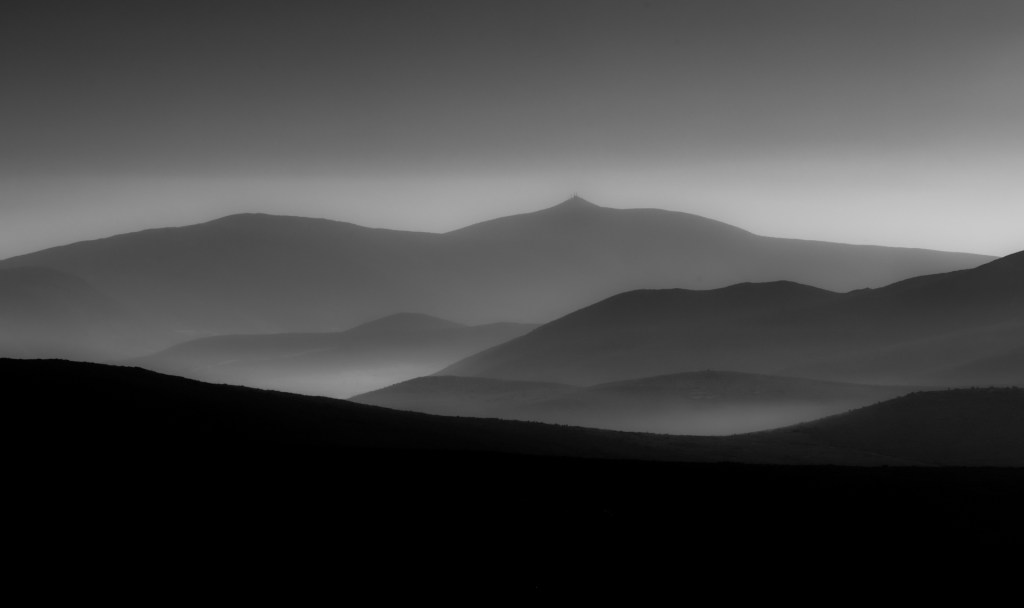
Day 2067, valleys.
Day's pictures, Haiku
Athens – Greece, 2014
I always find it fascinating that these conversations were going on in Greece more than 2300 years ago. This is one of Socrates’s conversations written by Plato. The name of the person Socratis is talking to is Meno, and it is a discussion about virtue and if you can learn it or if it comes by nature. This is a link to the Wikipedia article: Meno, and this is a link to the book on Gutenberg.org where you can read the rest of the dialog.
[Meno] Can you tell me, Socrates, whether virtue is acquired by teaching or by practice; or if neither by teaching nor practice, then whether it comes to man by nature, or in what other way?
[Socrates] O Meno, there was a time when the Thessalians were famous among the other Hellenes only for their riches and their riding; but now, if I am not mistaken, they are equally famous for their wisdom, especially at Larisa, which is the native city of your friend Aristippus. And this is Gorgias’ doing; for when he came there, the flower of the Aleuadae, among them your admirer Aristippus, and the other chiefs of the Thessalians, fell in love with his wisdom. And he has taught you the habit of answering questions in a grand and bold style, which becomes those who know, and is the style in which he himself answers all comers; and

We interpret the world we see and live in
but should we not start with just looking

One of Nietzsche’s core concepts is the thought that you should live in such a way that the life you live can be repeated over and over again without change. You could do this by accepting life as it is and also start making decisions with this idea in mind. In his work, Nietzsche tries to show you life as it is, including all the “tricks” we use to sugarcoat reality, like hope in an afterlife or a purpose here on earth. Most of these hopes and purposes are sold by religions and political systems; they try to give their visions, and they often compete with each other in violent ways; it is bad for the world and all of us individually. The eternal return is a thought experiment that can help you when you want to find out how much you can live without reason and purpose but just for the beauty and miracle of it.
This quote is one of the first times Nietzsche speaks about this concept; you can read more on Wikipedia and in many other places in Nietzsche’s writings.
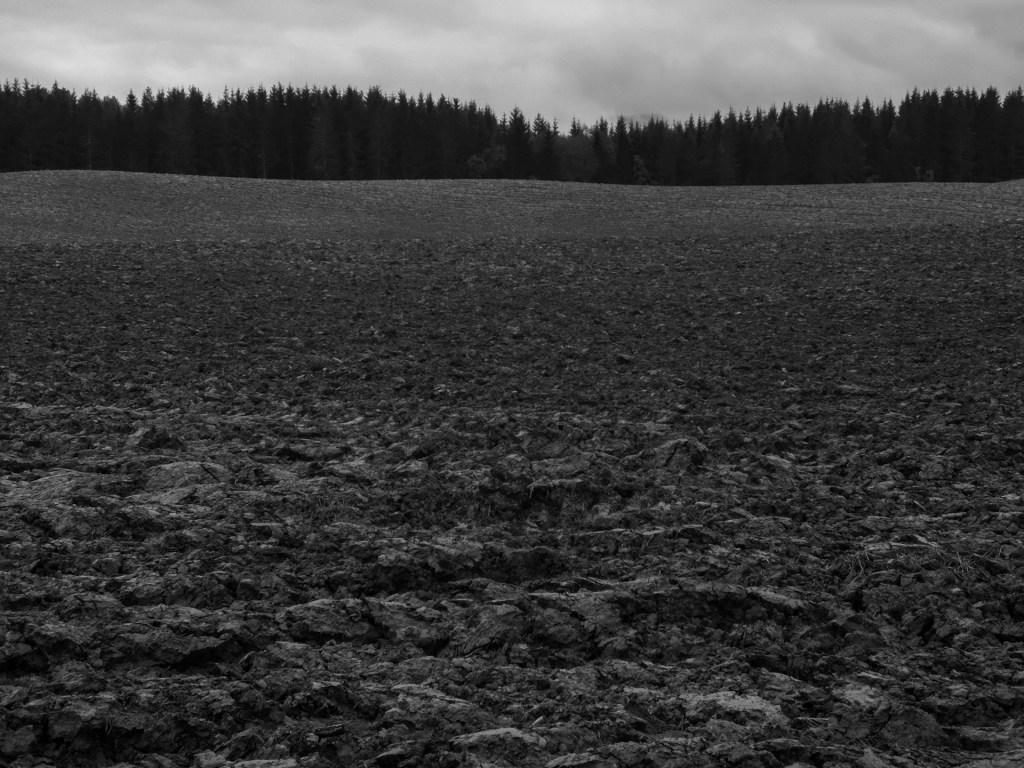

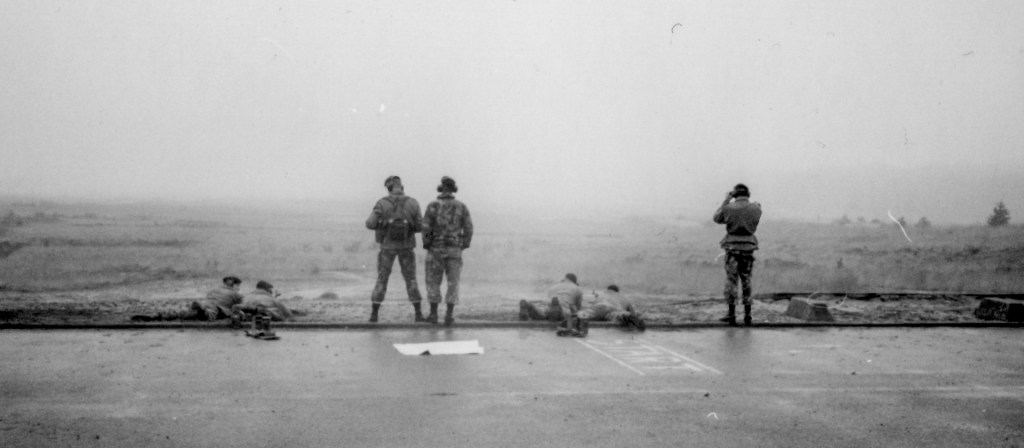
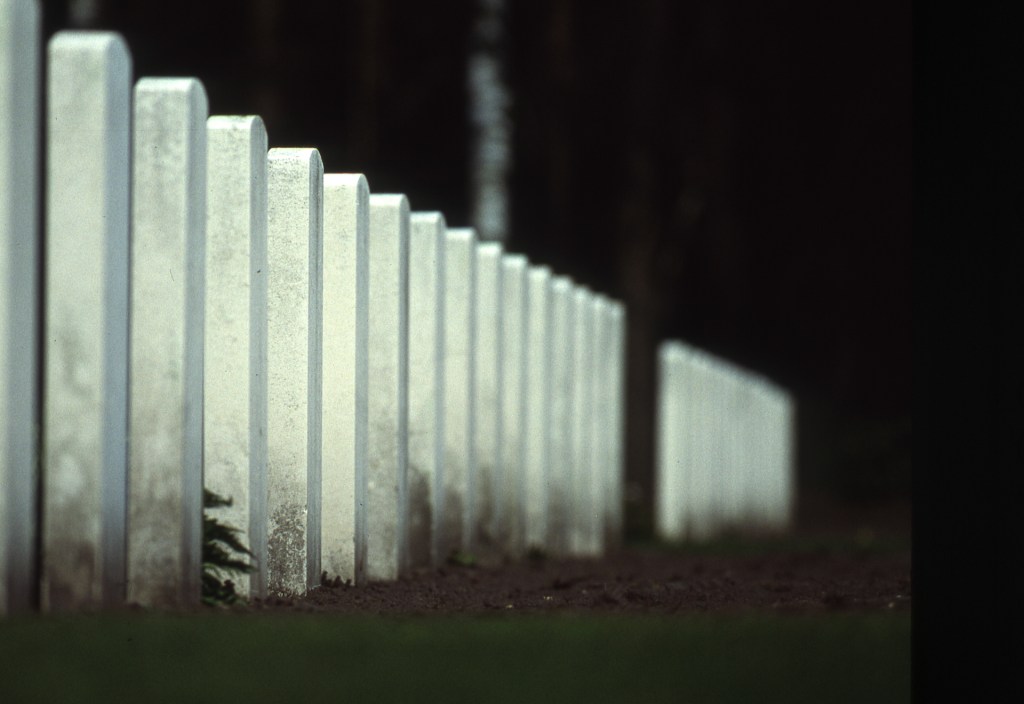

Slide film, 1996, Arnhem – the Netherlands
In many lectures about 20th-century philosophy, you will hear about Albert Camus. I have always been interested in his work, and through these lectures, I know quite a lot about him, but I have never read his books. I started reading Myth of Sisyphus, and today at work, I also started listening to a good audiobook of that book on YouTube.
You might have heard of Sisyphus; he is the Greek God that had to push a giant boulder up the hill over and over. This feeling of an endless drag, of pushing that boulder up the hill over and over again, or in our case: of getting up, eating, working, eating, sleeping, and getting up again, is demoralizing. Many people feel the despair of this and seek relief from that feeling. According to Camus, we have three options: 1 believe in an improbable God not for relief now but a better life after death, 2 suicide and 3, except the futility of life and live with it.

7 Learning to feel differently about space. – Is it the real things or the imaginary things which have contributed most to human happiness? What is certain is that the extent of the space between the highest happiness and the deepest unhappiness has been produced only with the aid of the imaginary things. This kind of feeling of space is, consequently, being continually reduced under the influence of science: just as science has taught us, and continues to teach us, to feel that the eanh is small and the solar-system itself no more than a point.
Friedrich Nietzsche, Daybreak – book 1

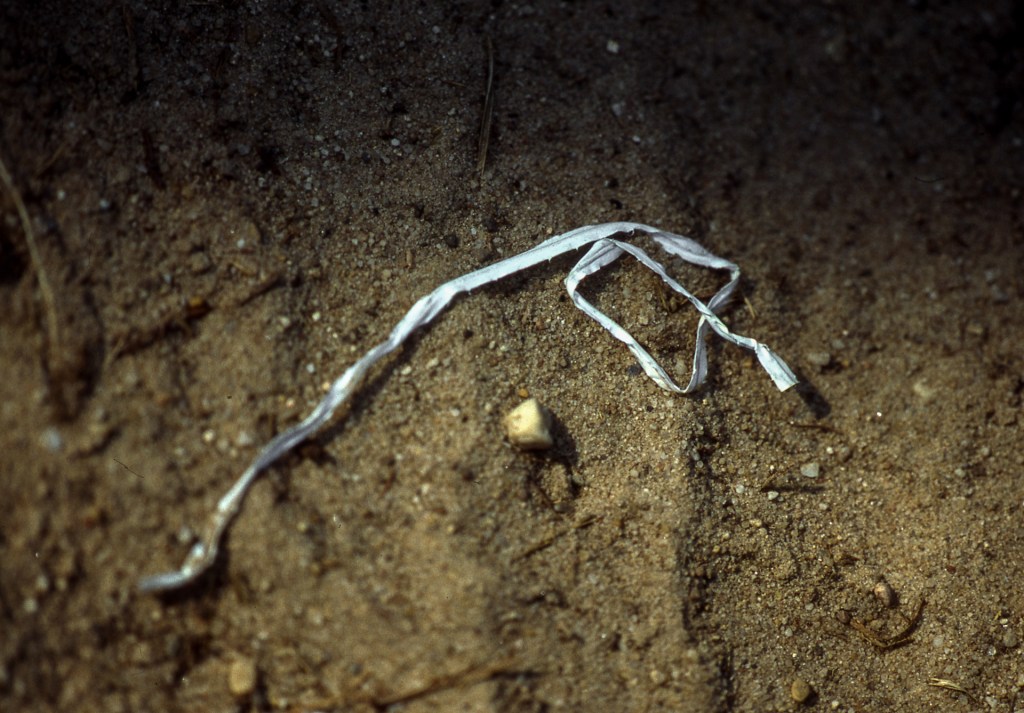
Slide film, 1996, Olst – the Netherlands
At the beginning of the nineties, I started taking my camera with me. I still like to take pictures of garbage, and as you see in this picture, I did it also in 1996. I have always been interested in the story behind discarded packaging, pieces of paper, and what else people throw away on their way to… It is just interesting that there are people that think that it is a good idea to leave their plastic waste in nature. I personally like my nature with the least possible reminders of human interference, but he, who am I.



 Nochrisis