
There is a big red alarm bell
hanging outside my house

In an emergency I can sound it
but I have no neighbors
and live alone

at least I can hear it
myself
and turn it on
myself
when I need it
myself
There is a big red alarm bell hanging outside my house In an emergency I can sound it but I have no neighbors and live alone at least I can hear it myself and turn it on myself when I need it myself

Have you ever stared at an empty wall
and wondered
standing still while walking in the city
why it is there

the function of the wall is clear
but still
why is it there
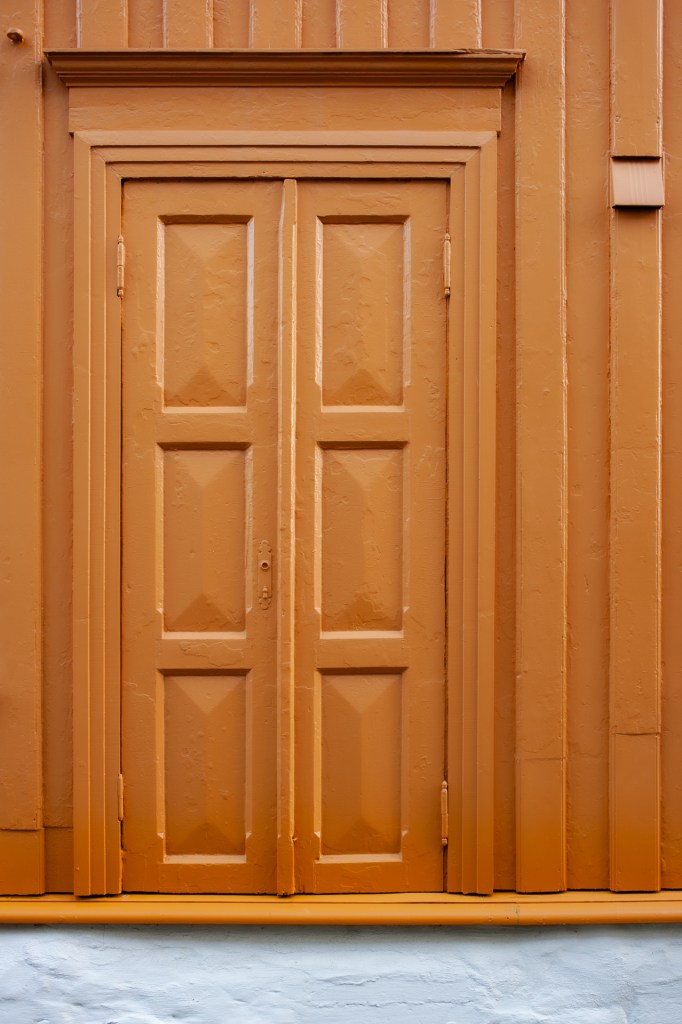
It sometimes helps
to know how a door looks
when meeting someone bland
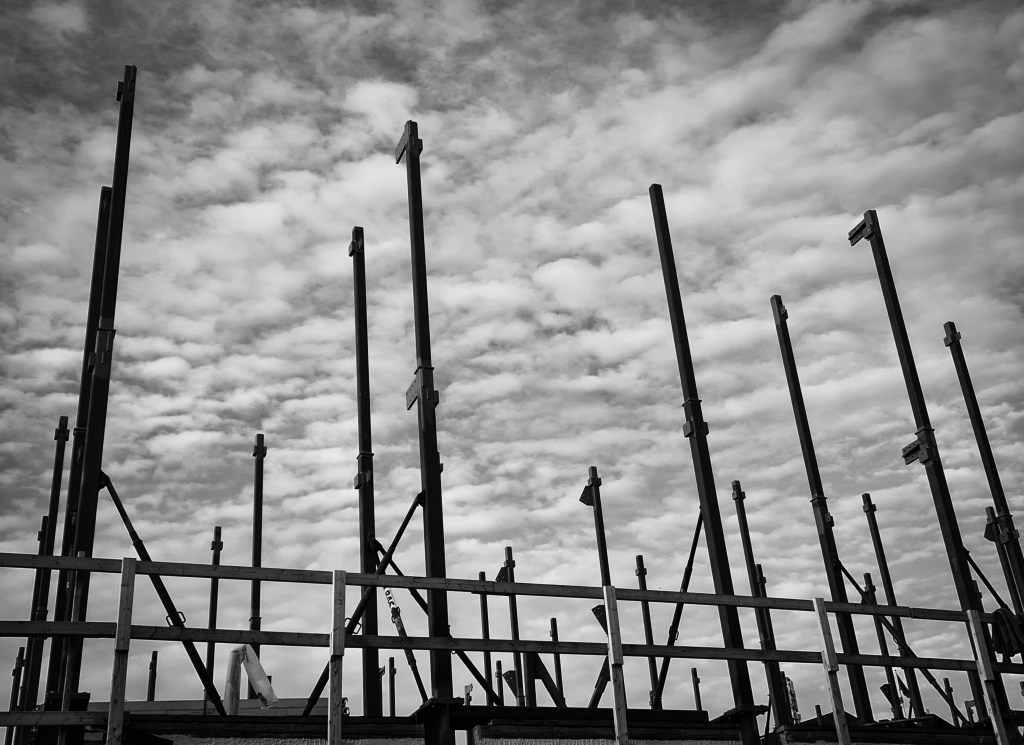
Did you know that your future
has always some kind of scaffolding
around it
or at least
bolted to one of its walls

be careful if you work on it
wear a hard head
to protect your brain
for when something fails

IV. Poetry in general seems to have sprung from two causes, each of them lying deep in our nature. First, the instinct of imitation is implanted in man from childhood, one difference between him and other animals being that he is the most imitative of living creatures, and through imitation learns his earliest lessons; and no less universal is the pleasure felt in things imitated. We have evidence of this in the facts of experience. Objects which in themselves we view with pain, we delight to contemplate when reproduced with minute fidelity: such as the forms of the most ignoble animals and of dead bodies. The cause of this again is, that to learn gives the liveliest pleasure, not only to philosophers but to men in general; whose capacity, however, of learning is more limited. Thus the reason why men enjoy seeing a likeness is, that in contemplating it they find themselves learning or inferring, and saying perhaps, ‘Ah, that is he.’ For if you happen not to have seen the original, the pleasure will be due not to the imitation as such, but to the execution, the coloring, or some such other cause.

We live in different houses
but we stand next to each other
when we look outside our windows
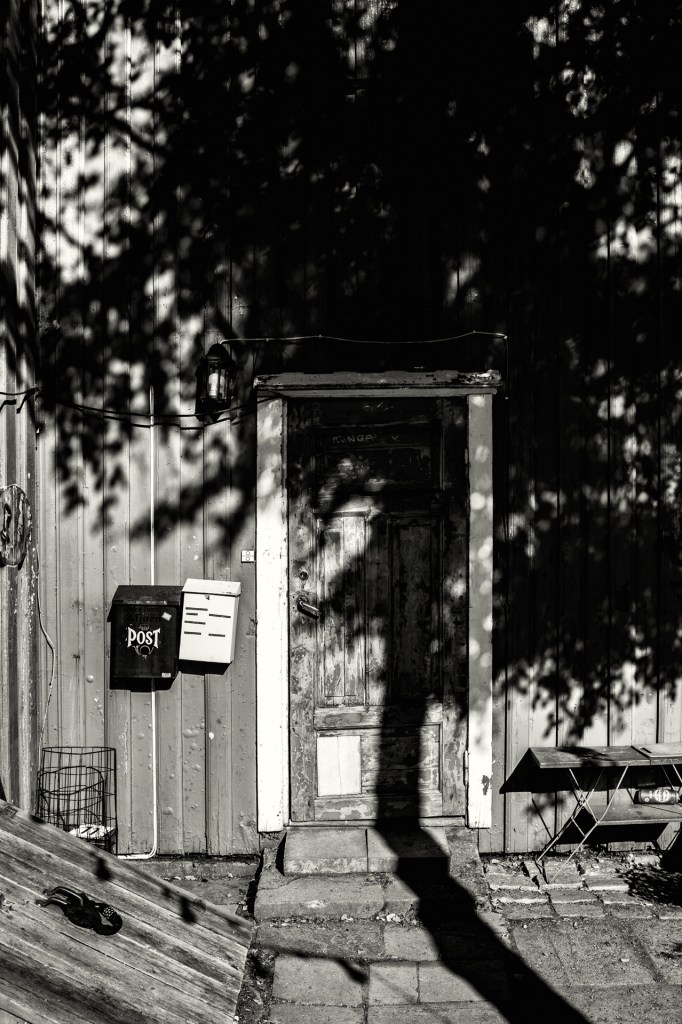
The shadows we make and see
are often more interesting
and darker
than what it supposed to
represent

I guess that it also depends
on where you stand

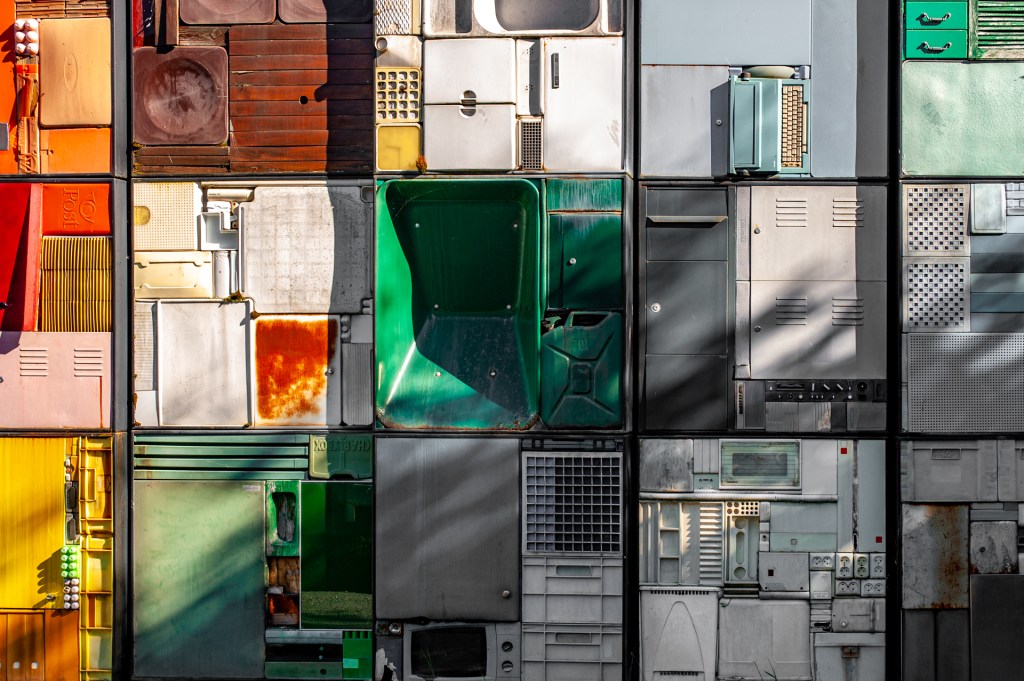
Did you know that in these potato bags
the potatoes are sorted by size
not by design
but by the fact that the first person in the sorting row
picks the easiest potatoes and that is often the biggest
Everything you say sounds constructed
the parts collected disjointed
forced in line
trial and error

it all looks impressive
but is there a part
that is you

or is this you
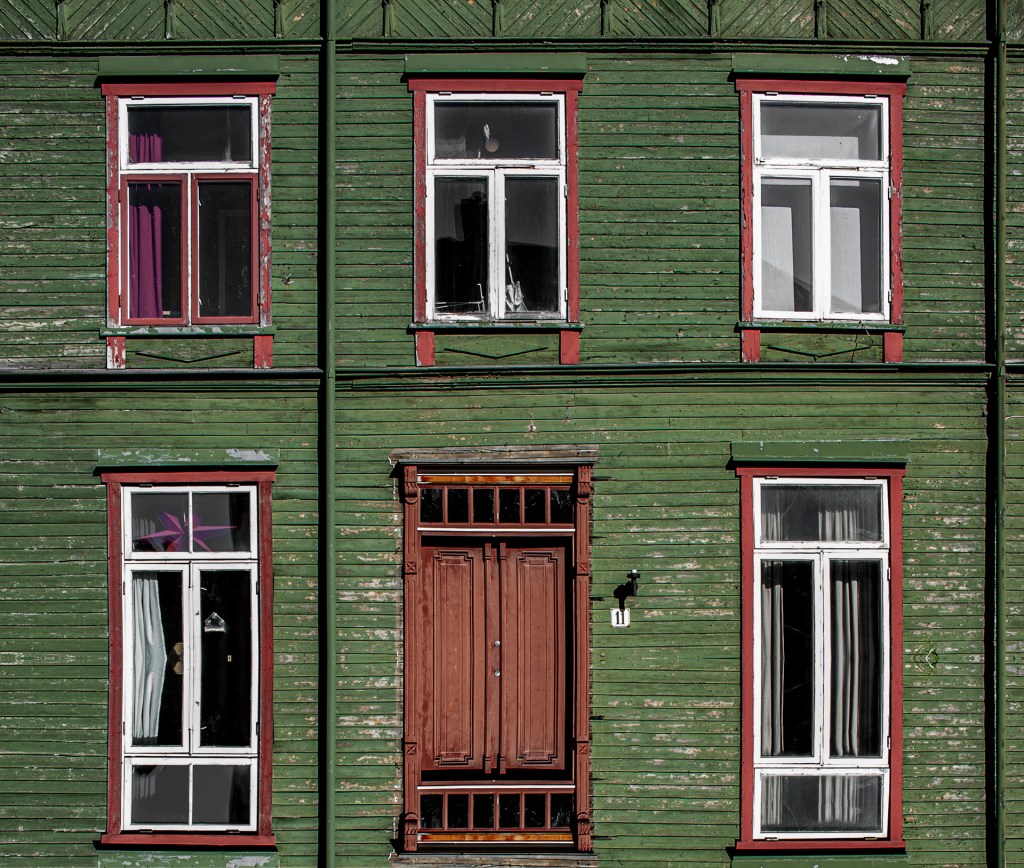
It all looked so simple today
till I came home to open the door
and I didn't know how

something has changed
and though I assume it wasn't the door
I secretly hoped
it was
I turned fifty today
and though it's just a number
or coincidence
but the bars of the cell I stept in
when the twenties left
are getting thinner
and the world outside more colorful

being in my thirties and forties
was great
but it was not the morning light
the expectation
or the early evening with it's anticipation
of a beautiful sunset

I am glad it's over
and I miss it
See also: https://nochrisis.blog/unzeitgemasse-betrachtungen/
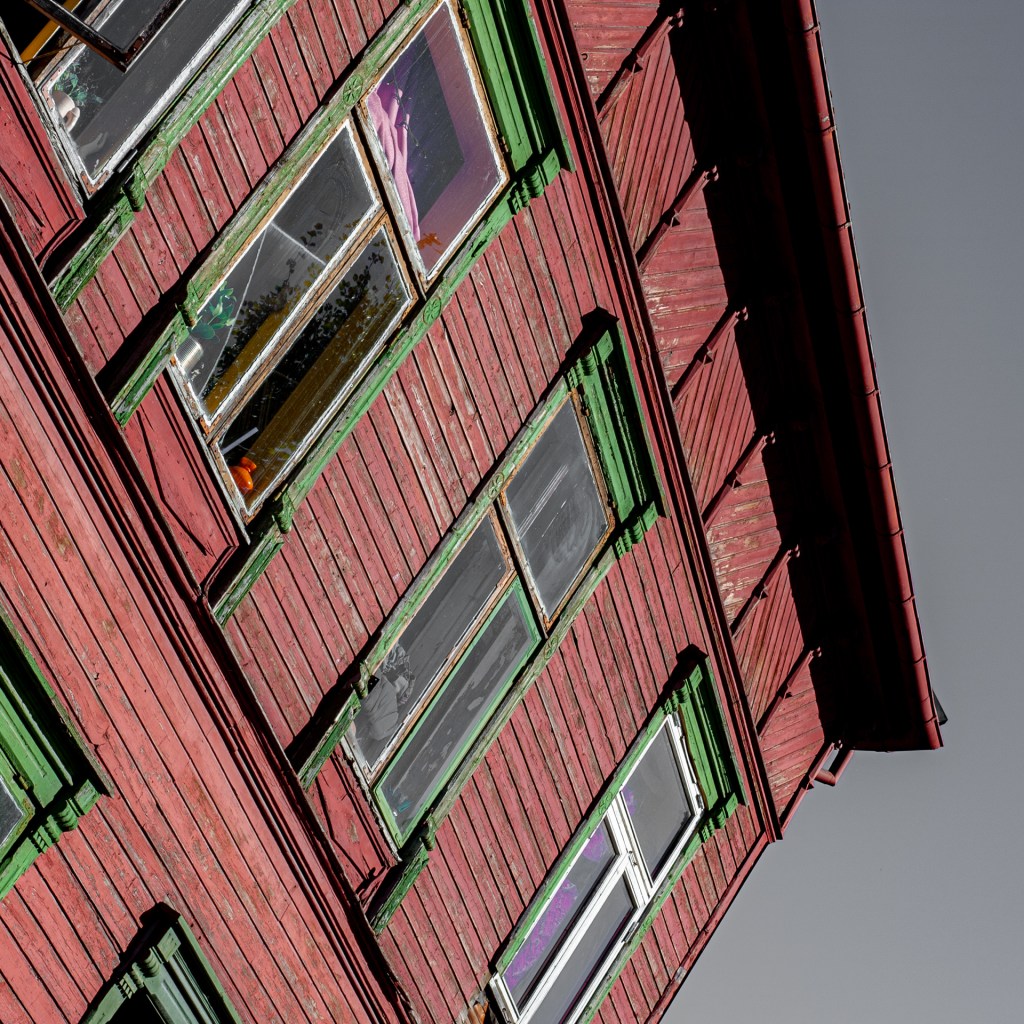
It felt like I was falling over
lying on the ground

it was not in a dream
just looing at the sky
and feeling the world

words have been hanging out there

like on the banner
with hardly any fibers left

the words disappeared
absorbed at most
by the surrounding

I ask around
but only dare to look
if someone knows

afraid for the answer
I decide
it has been hanging there far too long

The houses on all sides
white in the sun
grey in the shadow

its calm  here
the road I take is made of grass
the buildings move slowly
they disappear

till around the corner
I hope
as a last
fleeting thought
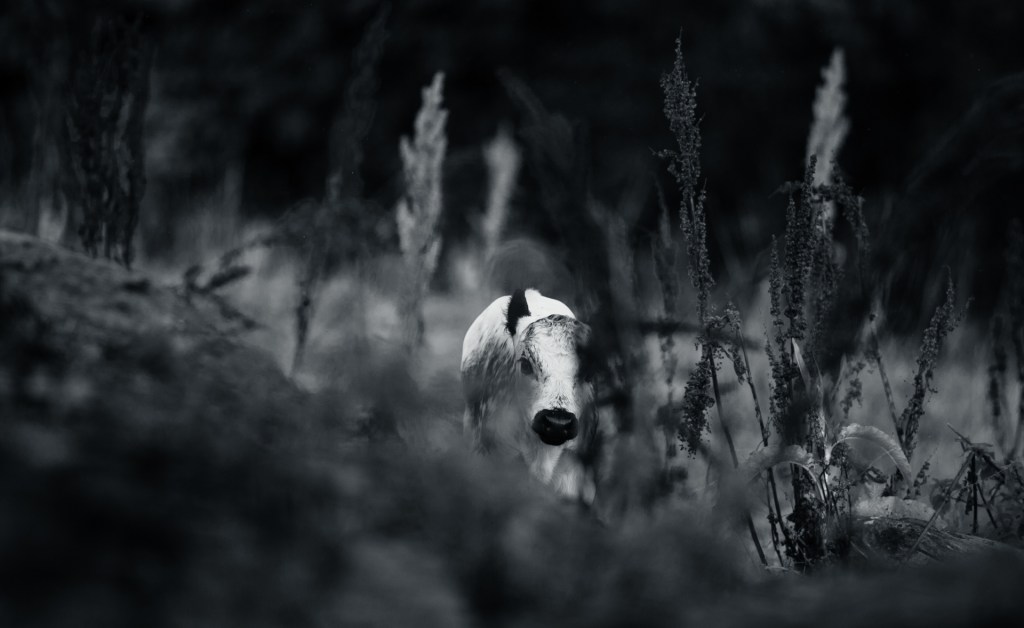
The little kid in me
disappeared when I arrived
for the first time

I still see him
staring from a distant memory
triggered to hide
not from my stare
but a sudden movement
unfamiliarity

I slowly move away
as not to scare him
for good
 Nochrisis