
I leaned on you
blindly
hoping
it will last
I leaned on you
blindly
hoping
it will last
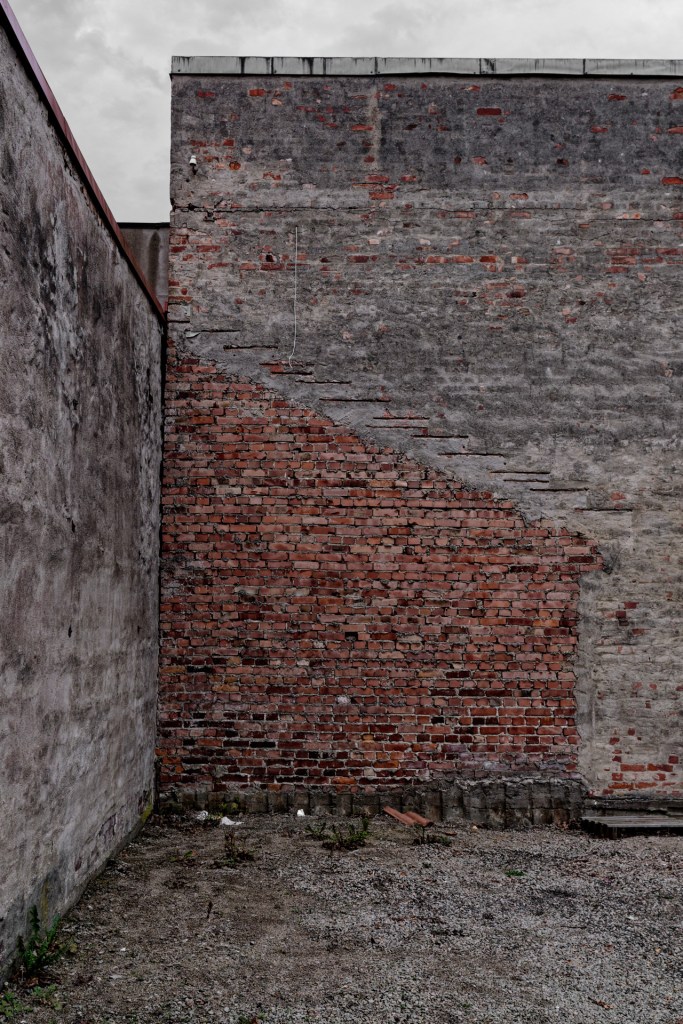
I don’t think I want to forget you
I thought I wanted to
but you left something behind
something untouchable

the memory seems to be
even better
then the reality I have forgotten
now I live under a clear sky
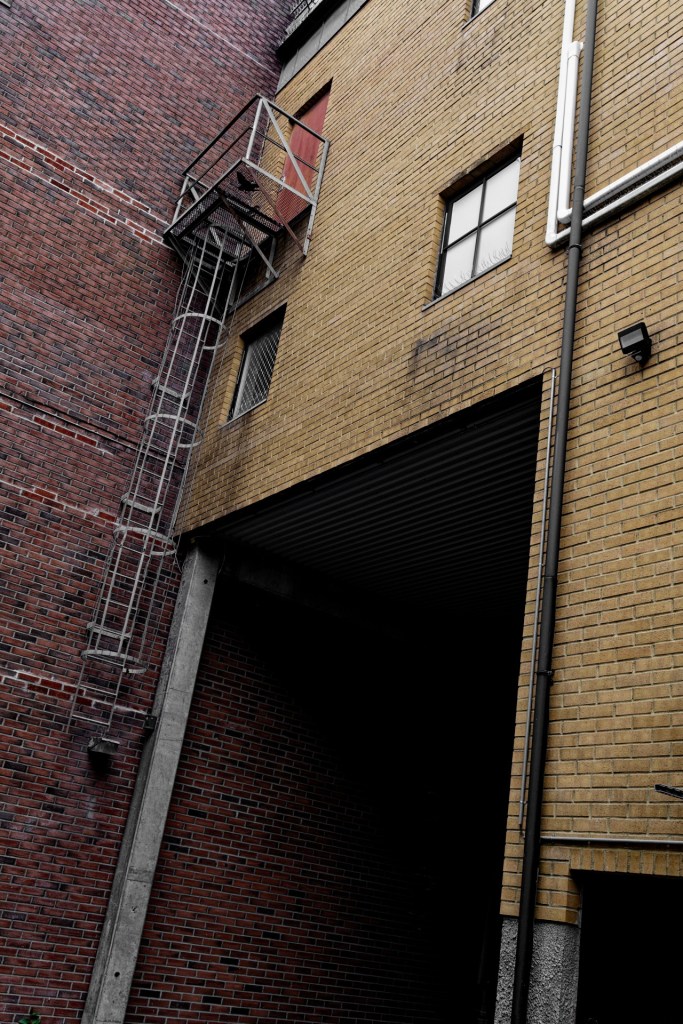
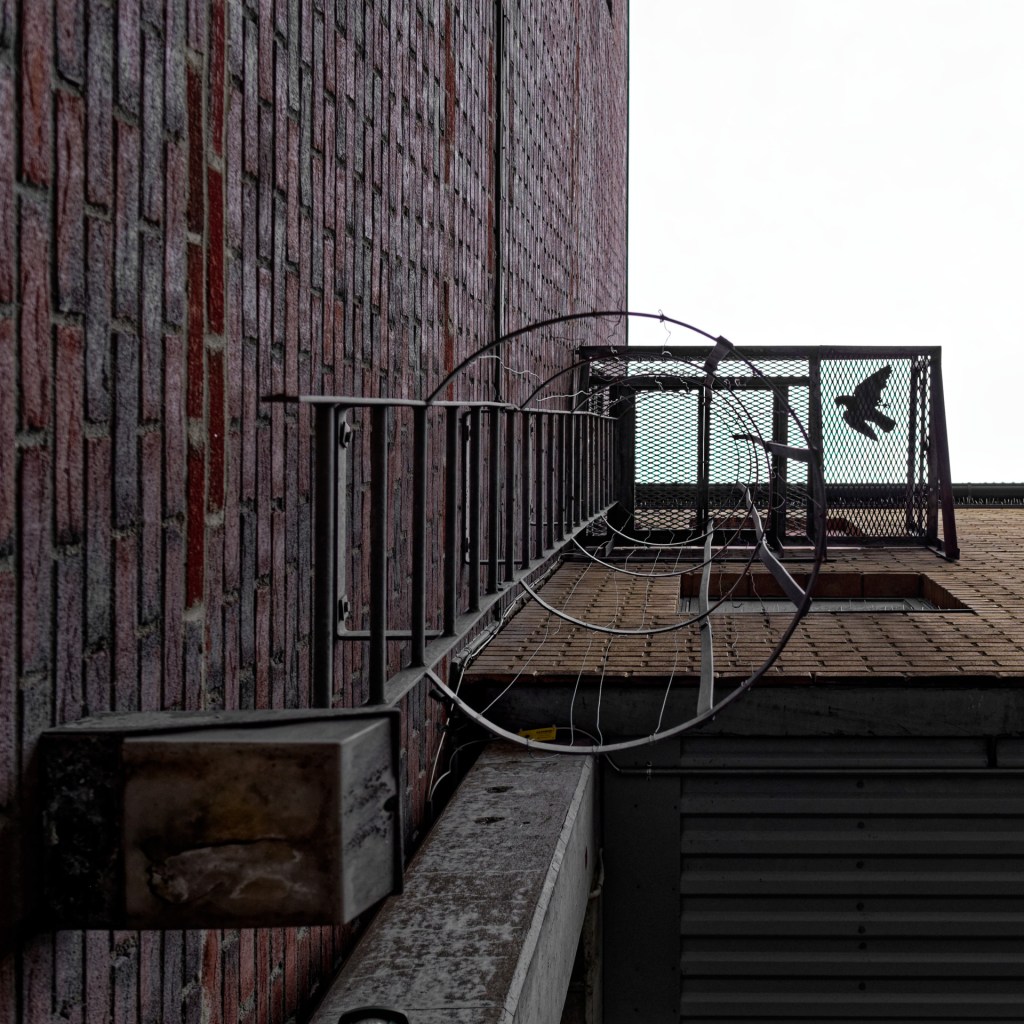
I think peace is resting
like a dove
spreading its wings in silence

Is it possible to ever let go? To untie yourself from yourself. To not think the way you always do. Turn a switch and change, even if only for a second or two.
Of course not. Every reaction has an action before it; change in your life does not happen in a vacuum and can not be commanded. It is impossible not to be yourself, and even if you take a leap, you will most certainly land on the other side as yourself again.
If you want to change, you could change your surroundings. Meeting new people is often an excellent way to confirm your choices or to get infected by new ones. And when you’re stuck in one place, alone, then read a book, one you wouldn’t usually choose, one recommended by someone you respect or who rubs you the wrong way.
Changing your mind takes work. When you are 16, you do it every week; when you are old, maybe just the second before you die. And if it is not your age that holds you from changing or changing too much, it might be your family, friends, the person sleeping next to you, or the country you live in.
But just moving to another country or divorcing is not the cure that brings you change. The things around you might change, but do they change enough? Do you fall in love again with that person you imagined you had met before? Do you wake up next to the same person because you see all of them like that? A thing.
Change is difficult, even if you want it. Not many people want to put in the effort, and we expect change to happen by demanding it from others or through shortcuts we want to believe. They say that we are formed for a large part in our early years. When you are three, change is happening all the time, and it just happened. You get moved around, presented with food you don’t know, and wear clothes you have never seen before. All this change was forced upon you and hopefully done with love, making you feel good. Now, you have to do it all alone, and you don’t know how and stick with what you know. Longing for someone who tells you, but most of the time, that is you; the choice is often between what you already know all too well.
It is like the free will problem. If we had it, we could all just change our minds and change. We are all stuck in a particular past and body, and these two determine for the most who we are. Making unexpected friends or reading a new book might notch you off, off your trajectory, but knowing that you encounter something new is the big challenge. You have to learn to recognize what is new, and the best way to do that is to keep it close and not at a distance.


And except on a certain kind of winter evening—six-thirty in the Seventies, say, already dark and bitter with a wind off the river, when I would be walking very fast toward a bus and would look in the bright windows of brownstones and see cooks working in clean kitchens and and imagine women lighting candles on the floor above and beautiful children being bathed on the floor above that—except on nights like those, I never felt poor; I had the feeling that if I needed money I could always get it.
Slouching Towards Bethlehem

118 If anything at all has been achieved, it is a more innocuous relation to the senses, a more joyous, benevolent, Goethean attitude toward sensuality; also a prouder feeling regarding the search for knowledge, so that the “pure fool” is not given much credit.
123 The unfinished problems I pose anew: the problem of civilization, the fight between Rousseau and Voltaire around 1760. Man becomes more profound, mistrustful, “immoral,” stronger, more confident of himself -and to this extent “more natural”: this is “progress.”- At the same time, in accordance with a kind of division of labor, the strata that have become more evil are separated from those that have become milder and tamer-so that the overall
fact is not noticed immediately.- It is characteristic of strength, of the self-control and fascination of strength, that these stronger strata possess the art of making others experience their progress in evil as something higher. It is characteristic of every “progress” that the strengthened elements are reinterpreted as “good.”
Translation: Kaufmann

Even though the door was open
I couldn’t help
staring at the mesmerizing wall
surrounding it

it’s not that it stopped me
but it did

I was riding a wave
high on adrenaline

it steered me away
I realized
from a reality

it was not the sea
that I floated on
but the concrete walls
of the world around me

The world shifted
the curtains were makeshift
for there was something to hide

an ugly truth
coming from the…
The metaphor of a door
the other one you could have opened

as far as I know
all unknown doors
lead to the same
darkness
till you open it
and start walking

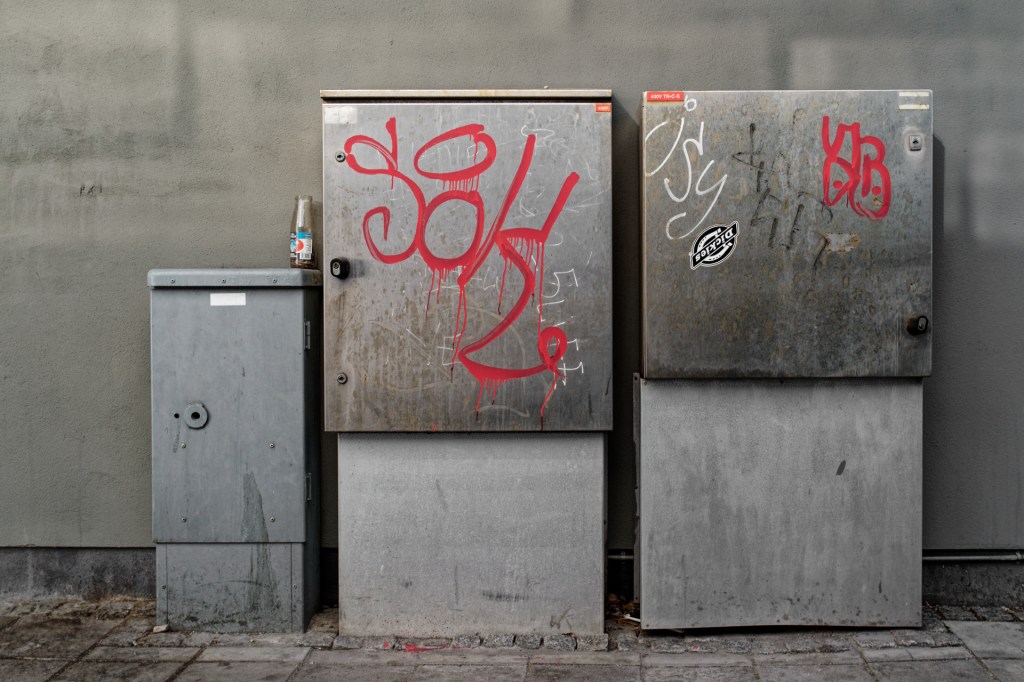
The small part of the wall
that was left
was huge

I couldn’t get around it

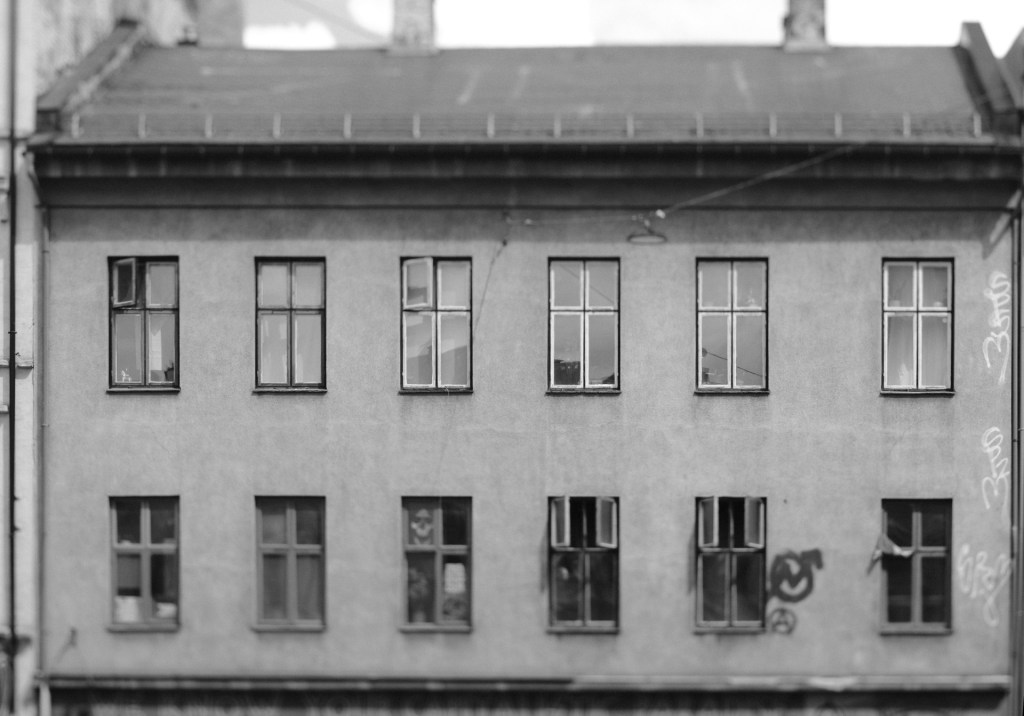
I still remember my first window
the view when I looked out

it was not much
but looking back

I wish I could do that now
from the other side
65 Whither honesty can lead. – Someone had the bad habit of occasionally examining the motives of his actions, which were as good and bad as the motives of everyone else, and honestly saying what they were. He excited at first revulsion, then suspicion, gradually became altogether proscribed and declared an outlaw in society, until finally the law took notice of this infamous being on occasions when usually it closed its eyes. Lack of ability to keep silent about the universal secret, and the irresponsible tendency to see what no one wants to see – himself – brought him to prison and a premature death.
It is difficult to see
if in the distance
where we seem to get closer
we really do
A part of me stares at me
in a mirror
but I don’t see
the problem
the other half
till I do
realize

Do we ever change our head
and what moves inside
 Nochrisis