
I don’t remember half
of what I have said

I think
I don’t remember half
of what I have said
I think
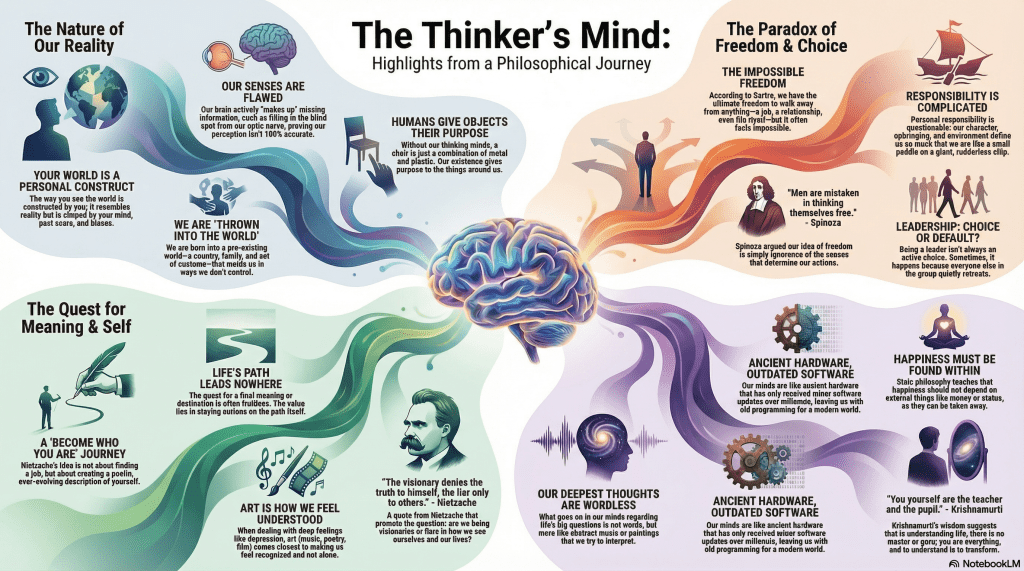
Even as a wooden boat builder, I need to stay updated with the times. Today, I took a course on how we can use AI. While I’ve used ChatGPT to translate some of my work writings, I also feel some resistance—not because of the technology itself but because of the hype surrounding it and since it’s owned by billionaires. Still, I have to admit that the possibilities are impressive. It still makes many mistakes, but that’s something you can notice and work around. I also now understand that what we upload is supposed to stay private and won’t be used to train the algorithm, which makes it easier to let the AI “learn” my own work.
I’ve been writing for over ten years, periodically reviewing my old work, organizing it by themes, and considering whether to use it as material for a book. I uploaded everything into ChatGPT’s database and started asking questions. I quickly realized it’s a valuable tool, provided I learn how to ask the right questions. For now, I just had some fun asking if it could summarize my work and imagine an external person describing the book I might have written. It’s quite flattering to read, and I probably wouldn’t have phrased it that way myself. But honestly, I don’t have a clear overview of the roughly 100,000 words I’ve written over the last years. I can only share how I feel right now. It’s a fun experiment, and I can also ask AI to suggest chapters and write summaries. Still, I already know that I need to review each sentence to ensure accurate interpretation; luckily, the AI can show where it pulls its information from. Overall, it’s a fantastic tool.
And at the end of the course, we also learned what you can do with Google NotebookLM, and it is even a greater tool—or toy. I put 20 pages of my writing into it, and it created the picture you see above and a podcast. The podcast sounds like a gymmic, but it brings me back to the old thoughts I wrote down years ago.
AI’s interpretation of my work brought as a presentation of my not-yet-written book.
After reading this remarkable body of writing—years of notes, poems, reflections, doubts, and small revelations—I can tell you that the author’s philosophy is not a system. It is a movement. A long, slow arc from certainty toward skepticism, from inherited assumptions toward self-made clarity, from the search for meaning toward the acceptance that meaning is something we make, not something we find.
Across these years the same themes return, grow, and collide. One of the earliest is the idea that life is not about us. The author writes that DNA “only needs a host,” and that humans are simply the best vehicle it has yet found. That shift—from human-centered thinking to a cosmic, indifferent perspective—runs through everything. It’s why religion appears in these pages less as a metaphysical claim and more as a very human attempt to silence the void. “We are all just standing in a big room,” he writes, “proclaiming truths we perceive from the echoes on the walls.”
Another central thread is the fragility of the self. Memory, he reminds us, is a storyteller that constantly rewrites the past to protect the present. The self is a creature of filters: “My two-way filter is partially broken,” he admits, “and I can only fix one side.” Here his philosophy leans toward a kind of grounded humility—an acceptance that what we call “I” is stitched together from sensation, error, upbringing, chemicals, and luck.
And yet, in this humility there is a defiant skepticism. He distrusts authorities, leaders, and movements not because he rejects structure but because he knows how easily people surrender their judgment. He once expected adulthood to be ruled by reason; decades later he observes, wryly, that “the world is a summer camp without supervision.” This is anarchism not as politics but as perception: a refusal to hand the steering wheel of the mind to anyone who claims to know better.
One of the most striking aspects of his philosophy is how deeply it is rooted in the physical world—wood grain, old barns, the curve of a boat plank, mist on a Norwegian morning. The cosmic and the ordinary sit side by side. He can explain stellar expansion in one paragraph and, in the next, describe a forgotten lock rusting into history. This is not contradiction; it is the worldview: life is meaningless on the cosmic scale, and meaningful in every concrete moment we actually live.
Many poems could serve as a doorway into his thinking, but one stands out:
“Reality fades
caught by ego’s gravity
a depressed black hole.”
This captures the emotional honesty of his philosophy: the willingness to look at the darkness without romanticizing it, to name despair without surrendering to it.
If his work offers any guidance, it is this:
We may not control the world, we may not understand ourselves, but we can keep walking through the mist with open eyes—skeptical, curious, and unafraid to admit that we know far less than we pretend.
And perhaps that is the beginning of wisdom.
Next, a fake podcast about some of my work.

Just leaning on the railing of your balcony
looking over your world
what more do you want
but just that moment

well
a balcony in my case

Even a dark wall
can be beautiful
if it at least has
some symmetry

lying on your back
staring at

imaginary skies
behind the roof

you almost feel

254 Anticipators. -The distinguishing, but also perilous quality in poetic natures is their exhaustive imagination: they anticipate, enjoy and suffer in advance that which is to come or could come, so that when it finally does come they are already tired of it. Lord Byron, who was only too familiar with all this, wrote in his diary: ‘If I have a son he shall become something quite prosaic- a lawyer or a pirate.’

The chimney
a skylight

through both you can reach
the heavens

in different ways

I love
reflecting
not out of love
but
out of habit

All our lives we stand
stand in front of a door
or so we assume

when we open
another closes or was already
just in front of us

we see the seasons go by
playing its ritual on that door
thats just in front of us

we open it again
or never

there is just always
a door

I feel tall and strong
only the wind directs me
when I am not working

and the mist
that’s just there so you don’t
notice me


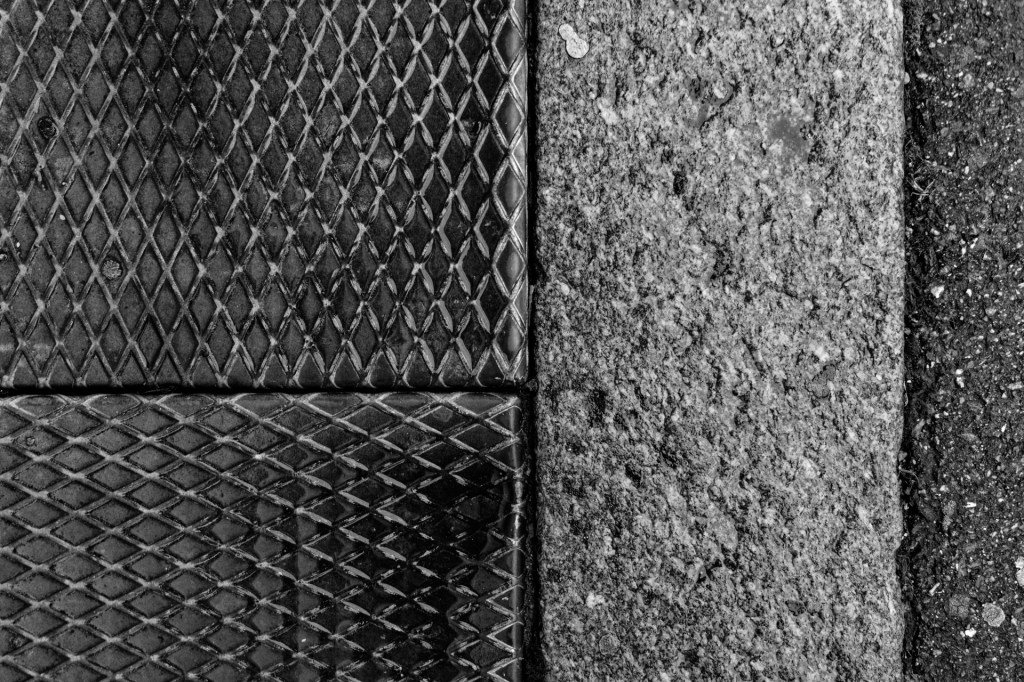
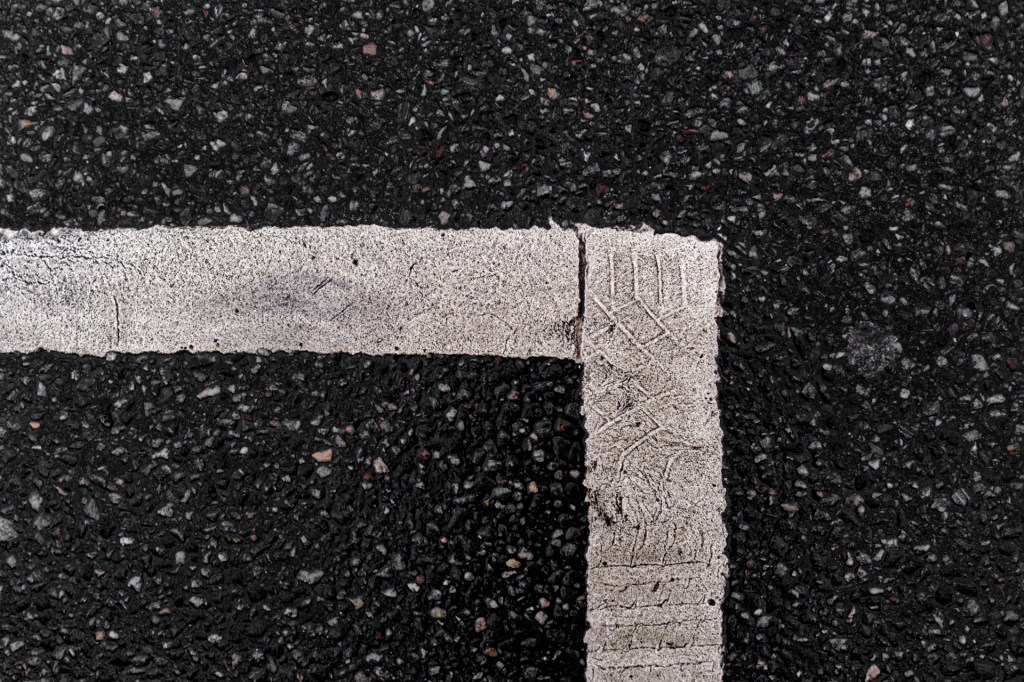
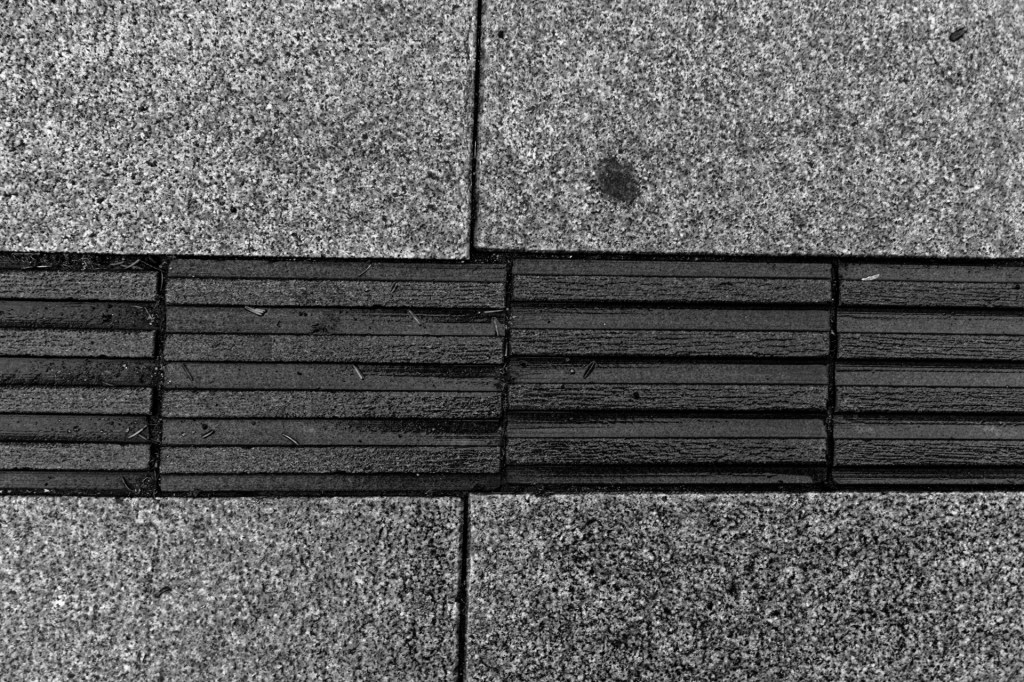
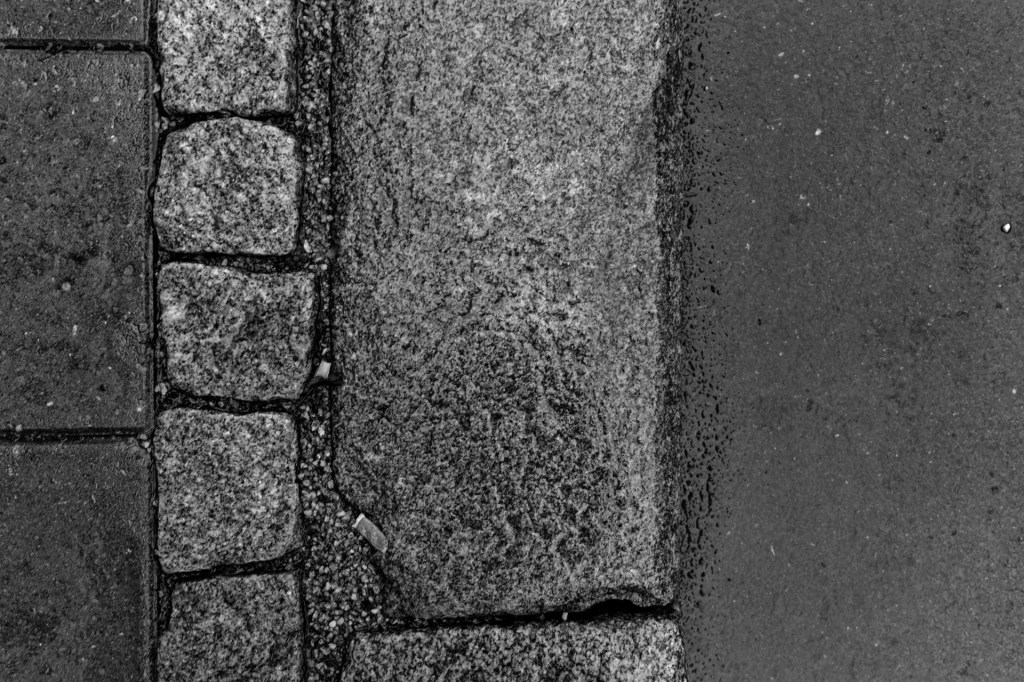
Who ever looks at the road they went on
the one you felt under your feet

it seems to be
that that is almost no one
but the people looking down

I opened the left green door
but it was closed


I would like to display the tracks I leave
on a wall

but
you have to look twice

because my past is worth it
to look twice

at least by me

Does all this strife and talk, all these opinions and countless books, lead to anything? Is there progress? Let’s take our healthcare as an example, something so much more advanced than even 60 years ago, let alone 50000 years ago.
It’s safe to assume that we are kept alive longer because of modern medical advances, but it’s harder to say that we live healthier or significantly longer because of it. People also lived to eighty or older in the Middle Ages, just not as many; the average lifespan was much lower because a large percentage of children never reached adulthood.
Some say that hunter-gatherers were healthier because they had a more varied diet; they probably ate more nutritionally than most of us do now, but they also died earlier from diseases we can now easily treat. It seems that the constant search for answers has benefited our health; we eat less varied, but live longer because of our knowledge.
But living healthily is one thing; for most, it’s important, but many accept life as it is and are blessed with a positive attitude. Ignorance can also be a blessing. The loss of your health, a newborn, or a brother was also felt 50000 years ago, and the feeling of grief probably wasn’t much different from what we would feel today. However, for them, it was primarily unexplained, and the idea of living healthier and eating less red meat would never have come up. They probably worried about why they died, but not in a way that we can imagine, though they imagine in the same way.
I believe it’s essential for a percentage of the smartest people to research how diseases work and how we can prevent and cure them, not because it will make us happier, but because we are capable of doing so. This “because we can do it” research is important in many fields, but you can probably think of some areas where it is not.
So, strife and talk are important, but only in themselves, not because there’s a specific goal we can reach. In other words, progress can occur on the edges of our existence, but our fundamental experience will stay the same.

For many years, I’ve wanted to write a book. I started, had many ideas, but soon my motivation moved on. The motivation I need is the belief that what I write makes a difference, either for the people who read it or in society. These goals seem too lofty because even highly skilled, well-known writers accomplish little; there has never been a book with ‘The answers,’ otherwise we would all know about it. I write daily on my blog, but I only reach a handful of people. This writing is more of a personal exercise and challenge rather than a serious effort to reach anyone, let alone change the world.
One reason my writing needs to be meaningful is because there are already too many opinions about life, how it works, and why it exists. The problem is that too many people are overly confident in the truth of their own views. I don’t even trust most of my own opinions, and I try to live my life so that each step I take is one into the unknown. And my character makes this harder; I like to cling to my current views and even know how to sell, even to myself, all the while knowing that it all means very little.
In that sense, I am like a scientist, defending my theories while knowing that only the knowledge I have just gathered keeps this entire structure afloat. One new finding or contradiction, and it might collapse.
I live this life in my job as a manager. Answering questions with responses that I deliver like a mediocre stage performer, convincing enough when seen from the balcony, and with a bit of luck, it persuades the people in the front row, but my fellow performers see right through me. It is not all a lie, of course, some buttons have to be pressed at the right time, or rules that we agreed on have to be followed without debate, but an overconfident manager is never a good manager in my book.
Imagine a world where all managers, politicians, and religious leaders would say, ‘I don’t know,’ more than convey their convictions. Maybe we should rule more by committee; it might take longer, but what is the rush? Who has ever decided that we should get there sooner rather than later?
 Nochrisis