That what is left
has something to do
with what still is

That what is left
has something to do
with what still is

I want to write about my past, and it makes sense to start at the beginning, simply because that’s where it began. The problem is that most of what I remember is a series of loose facts, such as living there, being with those people, having that job, and whether it was enjoyable or not, or something in between. I can remember what my old room looked like, mostly because I have seen that one picture of the room from time to time, it’s just the picture I remember holding in my hands if I’m honest. I actually don’t know what it is to remember in the sense of reliving it in my mind.
What I know of the time from before I moved out of my parents’ house is almost nothing. I can string together a story, I remember the story of my youth. I can point to the tree I climbed when I was 11, and looking down from that vantage point for the first time feels like it is etched in my memory, like what vertigo feels like whenever I experience it now. I remember feeling vertigo in that tree, and more than 30 years later, when standing on a 10-story-high balcony. I recall many strong emotions, and they are often associated with a specific place. However, the feelings are real, but I have no certainty that the locations are correct.
After I moved out, the story became richer, perhaps because I had finally started living my own life, and the vacation was over. The steps I took now, I did for the first time on my own; I paid attention to where I was going. However, as I mentioned earlier, I am a skeptic and don’t entirely trust my own memories, except for the basic facts that I have lived in different places, attended various schools, and held other jobs. Later experiences now taint most of the feelings that accompanied them, and my feelings about specific events have also evolved over the years. I also believe that if you are currently experiencing strong emotions, such as a breakup, you should recognize that you are the last one to have an objective assessment of what is happening. It often takes time to acknowledge that the strong feelings were, for the most part, an exaggeration and a reflection of how the world around you expects that you should react, how your background taught you what an appropriate memory should look like.

I want to write about my life, not for the three people who visit my blog, but because I have to fill time, and in the hope that piecing it together will bring back lost memories.
This last point is important to me because I often tire of the stories I tell myself and others about my adventures. They are all interesting, I believe, but I am also afraid that if I repeat them over and over, they will start living their own lives, one little exaggeration building upon another. I care if the stories I tell have some truth in them.
But why would I doubt my own memories? I’m a sceptic, and as long as I can remember, I have always asked “why” if confronted with statements. Because many answers to why questions contradicted each other, I turned to other sources, and books are a great one. You cannot only read about other people’s ideas in other regions, but also from other times. If you read the literature, it is clear that we humans have a terrible memory. The problem with memories that primarily revolve around our own experiences is that we must be our own judge, and even if others were present and collaborated on our story, we still need to be cautious. One article I read, as an example, was about an experiment conducted by a young psychology student. He interviewed a group of people just after 9/11 and wrote down their experience, where they were, and what they felt. More than a decade later, he interviewed these people again and asked them where they were during that critical time. Several participants in this experiment insisted that their recollections were accurate, despite clearly conflicting with what actually happened in reality and with what they wrote down immediately after the event. They misremembered, but they were also sure they were right.

370 Discharging ill humor.-Any person who fails at something prefers to attribute this failure to the ill will of someone else, rather than to chance. His stimulated sensibility is relieved by thinking of a person and not of a thing as the reason for his failure; for we can revenge ourselves on people, but we have to choke down the injuries of chance. Therefore, when a prince has failed at something, his circle tends to designate some individual as the ostensible cause and to sacrifice that person in the interest of all the courtiers; for otherwise, the ill humor of the
prince would be vented on all of them, since he cannot take any revenge on the goddess of fate herself.

I left my dreams behind
in some past past
not because I missed them
but because they disappeared
every time I thought
I arrived
You wake up from dreams.

I like to be alone
wandering
but I am always there
disturbing
my aloneness

There is not much to say
about today’s picture
besides the silence
I feel from it
it’s nature
at its best

Each day is a little different
the sun shines a little higher
or you sit a little lower
either way
you read the news
something that stays the same

You looked at me
and I just at you
leaving
or arriving
what’s in a moment

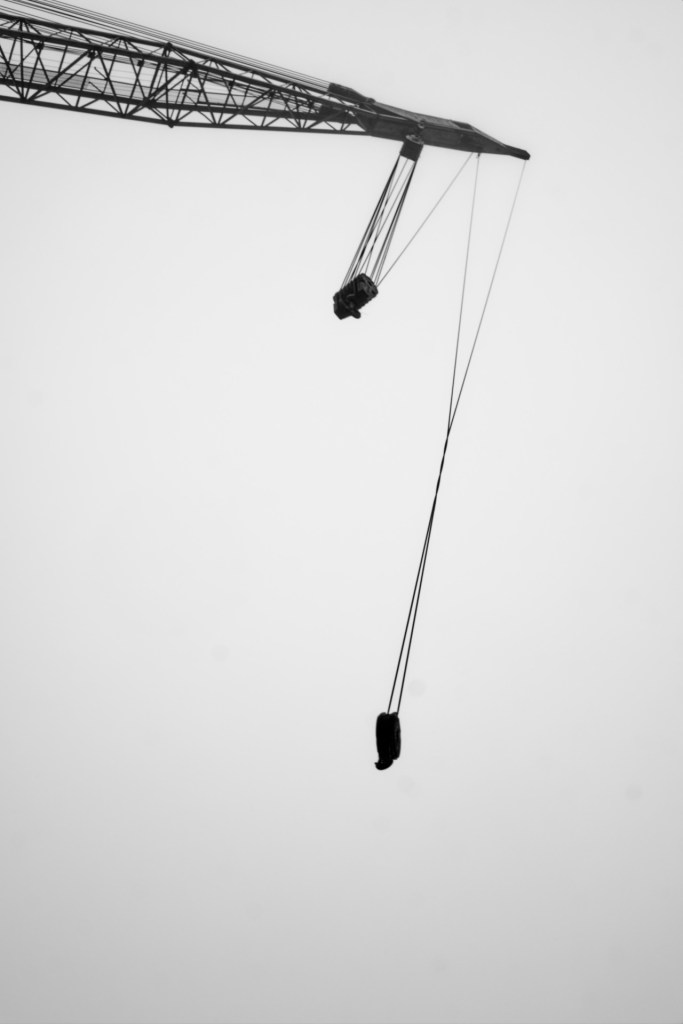
Some people sit so high
in their crane lifting the world
solving problems
and they still don’t understand
from high up there
that it is the wind
that directs their point
of view

351 Pangs of conscience after social gatherings. -Why do we have pangs of conscience after ordinary social gatherings? Because we have taken important things lightly, because in speaking of other people we have not spoken with complete truthfulness, or because we have kept silent where we ought to have said something, because we did not take an occasion to spring to our feet and run away, in short, because we have behaved in society as if we belonged to it.

I see what you do
but do you inhale
or vent
your thoughts

We don’t see you
so we are not to blame
for you demise
Who is?

Am I caught
in a net
or falling
is there a difference

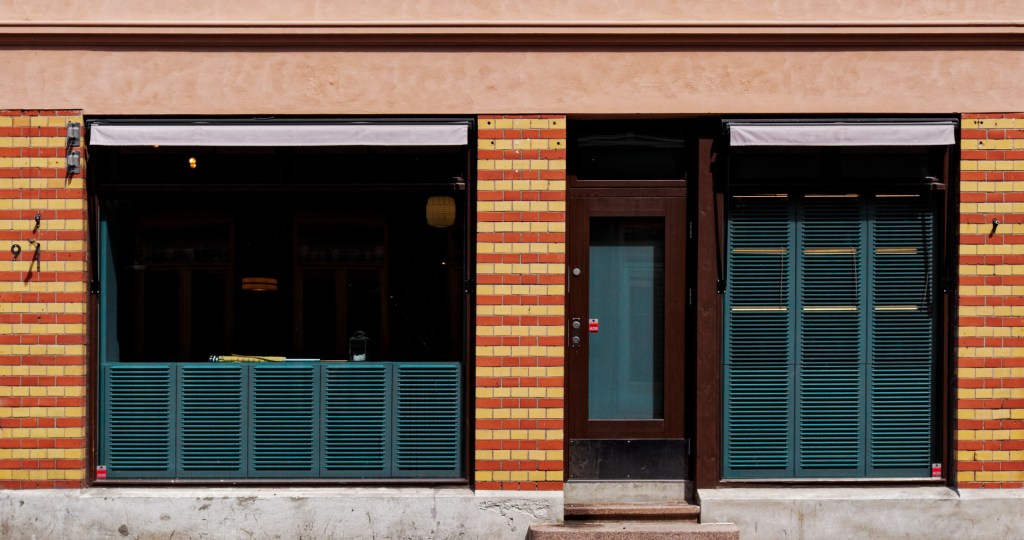
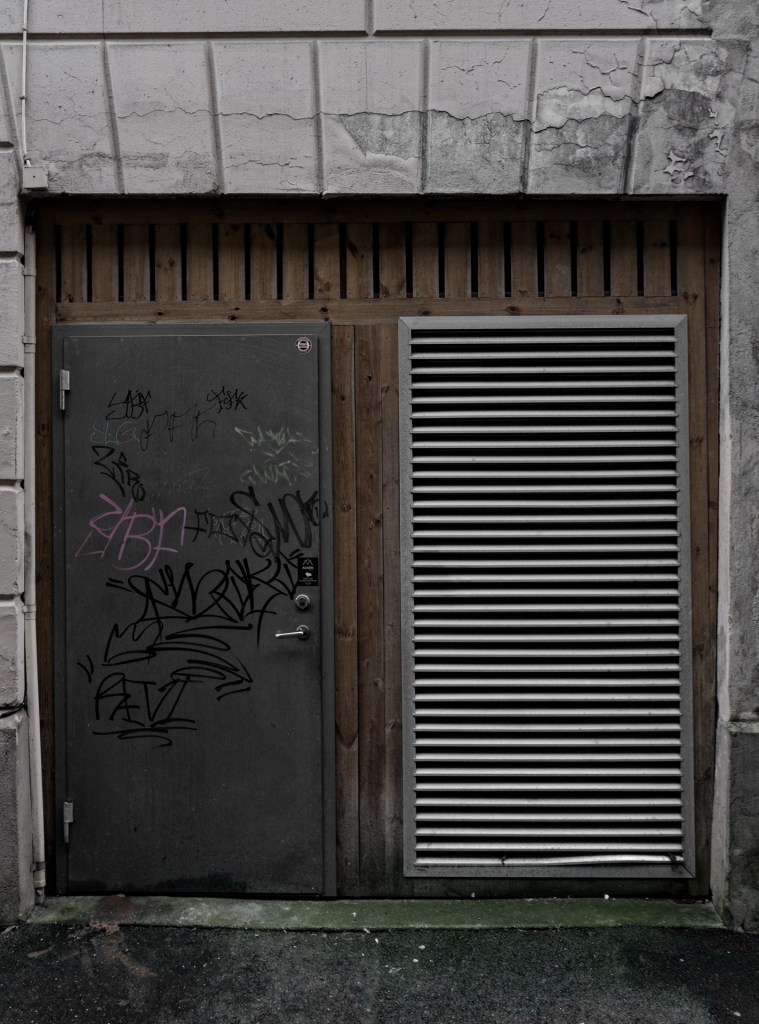
For some a door
is just a door
for others
the poetic type
a door is a portal
a portal
to another inside
life can be what it is
or what you fantasize
with other words
art

My three neighbors live
in the same house as I do
the only difference
is what you see in the window