
Where are you
going
I am standing here
drifting away

so you are
going
I am yes
I found myself

so it is the inside you are
going
I am
yes

I like
going
you say that
a lot
Where are you
going
I am standing here
drifting away
so you are
going
I am yes
I found myself
so it is the inside you are
going
I am
yes
I like
going
you say that
a lot

I grew up in a weathered yellow house
the skies were not always blue
except the one stone wall
it was always blue
I believe
or was it concrete
I am not sure
of what I remember
the door I do
it was the last thing
I closed
it was yellow

There is a line going through me
from one outside
to another
outside

It is not clear if something happens
in between
in me
between
these two...

events
“Modern man lives under the illusion that he knows ‘what he wants,’ while he actually wants what he is supposed to want. In order to accept this it is necessary to realize that to know what one really wants is not comparatively easy, as most people think, but one of the most difficult problems any human being has to solve. It is a task we frantically try to avoid by accepting ready-made goals as though they were our own.”
Escape from Freedom
We live on a mountain right at the top
There’s a beautiful view from the top of the mountain
Every morning I walk towards the edge
And throw little things off
Like car parts, bottles, and cutlery
Or whatever I find lying aroundIt’s become a habit
A way to start the day
I go through all this before you wake up
So I can feel happier to be safe up here with you
I go through all this before you wake up
So I can feel happier to be safe up here with you
It’s early morning, no one is awake
I’m back at my cliff, still throwing things off
I listen to the sounds they make on their way down
I follow with my eyes till they crash
I imagine what my body would sound like
Slamming against those rocks
And when it lands
Will my eyes be closed or open?
I go through all this before you wake up
So I can feel happier to be safe up here with you
I go through all this before you wake up
So I can feel happier to be safe up here with you
I go through all this before you wake up
So I can feel happier to be safe up here with you
Safe up here with you
Safe up here with you
Safe up here with you
Safe up here with you
Safe up here with you
Safe up here with you
Safe up here with you
Safe up here with you

I am in a conundrum. I don’t believe that we have free will. What I mean by this is that we are born into certain circumstances that determine who we are for the rest of our lives. If you are a curious toddler, you will probably be curious for the rest of your life, especially when it is encouraged. If you don’t like learning history at school because it didn’t interest you, you might never pick up a history book in your free time when you are an adult. We are all different but stay the same for most of our lives. Remember your old friend, the one you have not seen in 30 years, there’s not much changed underneath besides the clothes and 30 years of history they wear.
So, I don’t believe in free will and that it is possible to really change another person. We are all a certain way; we have a character and a personality that is recognizable and belongs exclusively to us. We don’t change easily, like our eating habits or how to quit smoking, though that last one borders on an addictive personality that you will never get rid of; you can only replace this bad habit with another in most cases.
There is no free will, so I am doomed to try to figure out through study how we function and find a method to change the other. I am unsure if I want to change the other; many philosophers study life for the sake of studying and acquiring knowledge. I tell myself that I do it just for fun, like an addiction; I know theoretically that I can’t change others because we are determined, and I also live a life. I have a girlfriend, colleagues, and family, and am a boss. None of these people listen to what I want them to do. They just oblige me sometimes till I am around the corner again.
I cannot tell someone to have some discipline because discipline helped me through some rough spots in life if these people I want to help have no discipline. I cannot tell a coworker to be more accurate when they have never been accurate; I can only find another job for them to do.
The funny thing is that these kinds of awareness were already there three or four thousand years ago. People have always tried to find ways to make all of us better by offering wise tips on how to live a good life. They did this through secular means, and some religions even try to improve society here on Earth through helpful tips and tricks. And we live better together now than three thousand years ago, not by much, but we do. But I don’t think it comes because of the so-called lessons we have learned from history through actively studying it, with conclusions that we can use to teach the next generations. I think we learned like we do when we live in a new house, when we go to the toilet at night in the dark and bump our toes and knees at random corners. After a while, we avoid the corners while we sleepwalk to where we can relieve ourselves.
Humanity learns to walk like a baby does, and what can you teach a baby? You can only encourage it with gestures and sounds because the rest has no meaning to them.
They say that hunter-gatherers lived a pretty healthy life. They walked a lot, saw a lot, ate many different kinds of food, and, most of all, they lived in small groups. They moved from one era to the next, leaving enough animals and plants behind so they could return a few seasons later or another tribe could move in. Even among hunter-gatherers, there were centers of worship and meeting places, but no one stayed long enough to claim a throne or dictate a need. You might say that we all should live like that now, in 2024, with no large-scale politics, wars, or large companies where you are not more than a replaceable drone.
I suspected a problem, and that is space. If I remember correctly, a group of roaming gatherers and hunters needs around 400 times more space for their food supply than an agricultural society.
I asked the AI and this was the answer it gave: “Estimating the number of hunter-gatherers that could live on Earth involves various factors, including available resources, land use, and population density. Historically, hunter-gatherer societies typically required large territories to sustain themselves, as they relied on wild plants and animals for food.
Research suggests that a sustainable hunter-gatherer population density might range from 1 to 10 people per square mile, depending on the environment and resources available. Given the Earth’s land area of about 57 million square miles, this could imply a potential population of anywhere from approximately 57 million to over 570 million hunter-gatherers, assuming all land is equally suitable for such a lifestyle. However, it’s important to note that this is a theoretical estimate and does not account for current land use, urbanization, and agricultural practices that dominate today’s world”.
So, even if this answer is not completely accurate, it makes sense that no more than half a billion people could live as hunter-gatherers. There is no way that we can go back, even if we wanted. It would be a cool movie if we tried it. Maybe the other 7 billion go into hibernation with a VR set on, and we take turns. The movie should play a thousand years after we started this experiment. Can you imagine the overgrown cities where only the libraries are lit and airconditioned so all the knowledge we once had is still there to cherish and ignore as we do now?
We've all been in a line
upwards
to a horizon
counting the steps we take
as if we count for something
Infinity was, for a long time, a philosophical concept. We now live our lives as if we live forever, having a handful of genuine experiences at the end, where the rest is just meaningless time between these events, meaningless like a single drop is in a stream going down, part of it all but also not. We live as if life has no value because we still cannot believe that this is it; you don’t wash away hundreds of generations of indoctrination in the big promise of an afterlife or reincarnation.

They say that democracy is the best of all the bad ways of governing a large group of people.
It is mainly known as a quote from Churchill, but in the full quote, he admits that the source is unknown to him: “Many forms of Government have been tried and will be tried in this world of sin and woe. No one pretends that democracy is perfect or all-wise. Indeed it has been said that democracy is the worst form of Government except for all those other forms that have been tried from time to time.…” (Churchill by himself)

139 Said to be higher! – You say that the morality of pity is a higher morality than that of stoicism? Prove it! but note that ‘higher’ and ‘ lower’ in morality is not to be measured by a moral yardstick: for there is no absolute morality. So take your yardstick from elsewhere and – watch out!

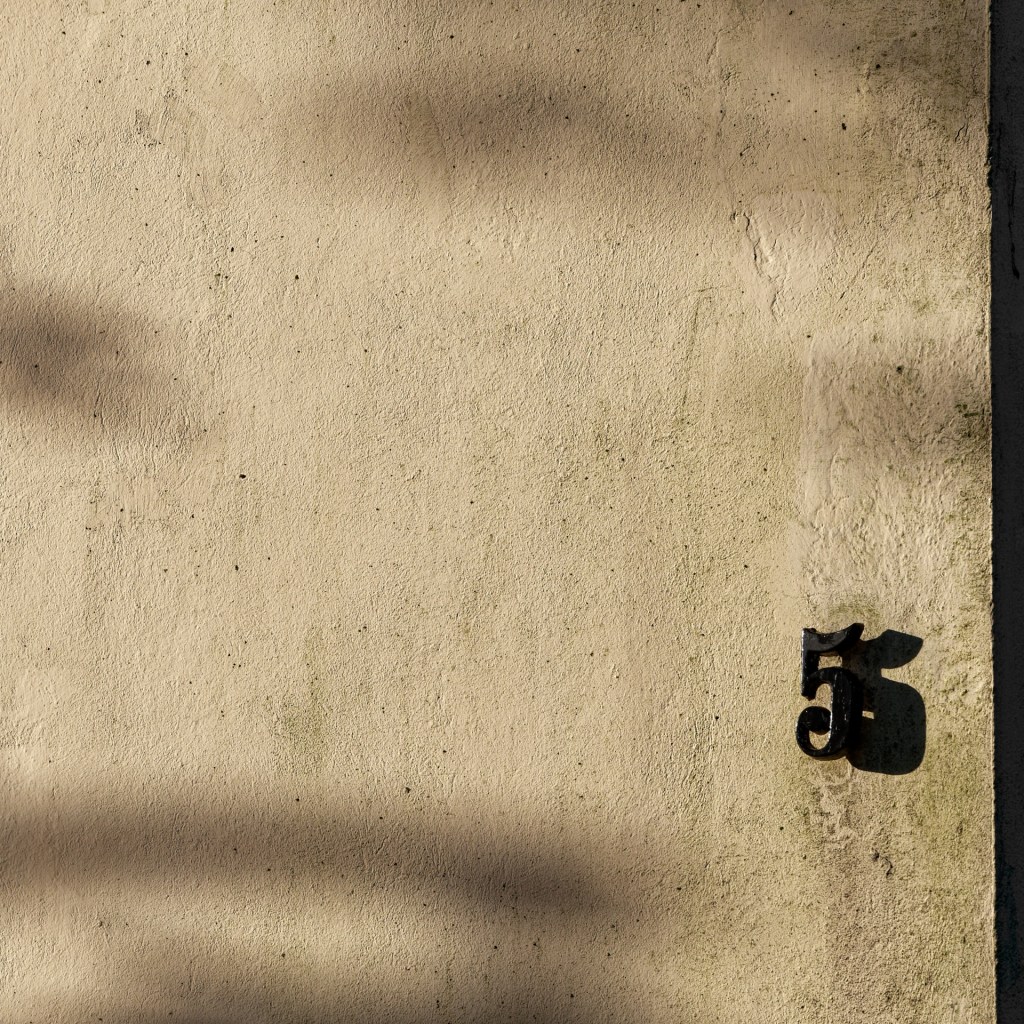
I look at your wall
till it fills my view

it's more of the same
only slightly interesting
from here
up close

it still does not explain
why it is there
not knowing
what is in there
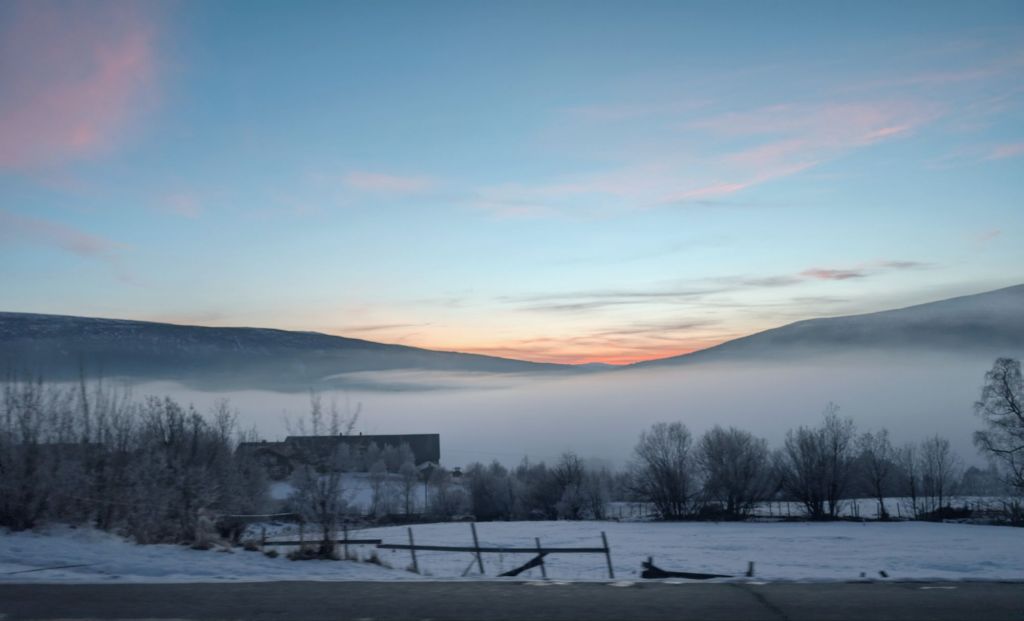
I hear rumbling going on
of a silent majority
being against

but for now
I only see the sun
going down
in a silent landscape

I like mountains
especially the parts
I can't reach
3 If ever one breath came to me of the creative breath and of that heavenly need that constrains even accidents to dance star-dances; if I ever laughed the laughter of creative lightning which is followed obediently but grumblingly by the long thunder of the deed; if I ever played dice with gods at the gods’ table, the earth, till the earth quaked and burst and snorted up floods of fire-for the earth is a table for gods and trembles with creative new words and gods’ throws: Oh, how should I not lust after eternity and after the nuptial ring of rings, the ring of recurrence? Never yet have I found the woman from whom I wanted children, unless it be this woman whom I love: for I love you, 0 eternity. For I love you, 0 eternity!
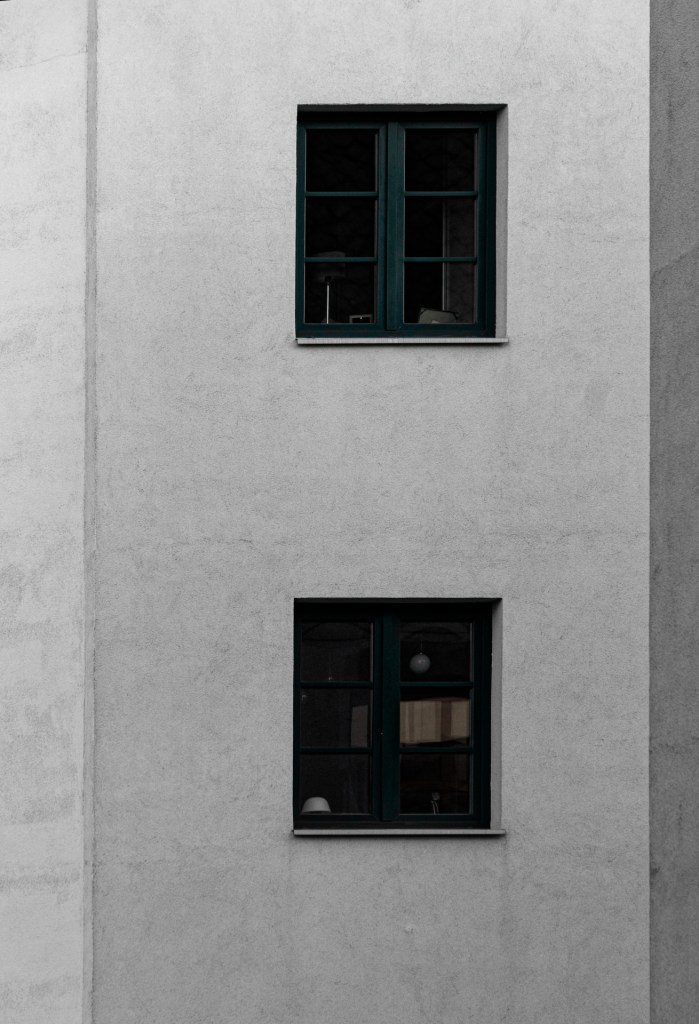
I like both windows in my house
I walk back and forth deciding
where I will sit
looking outside

it will be the staircase
I am afraid
I think
halfway
with my last breath

Blinds are what we all have
they might be open
and sometimes closed
but sooner or later
they all get stuck
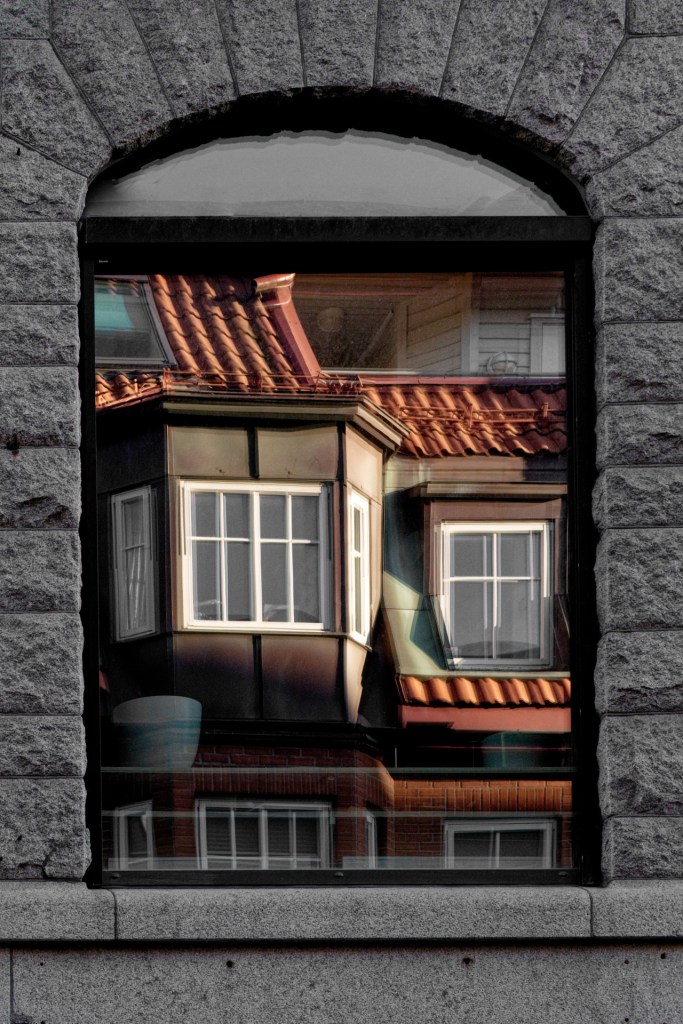
Your darkness reflects
the world you reject
 Nochrisis