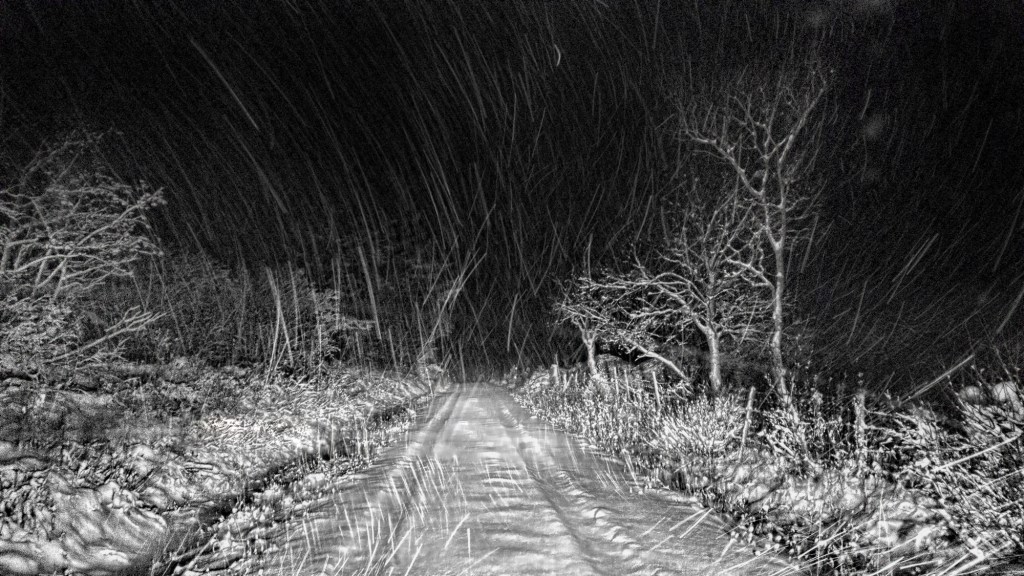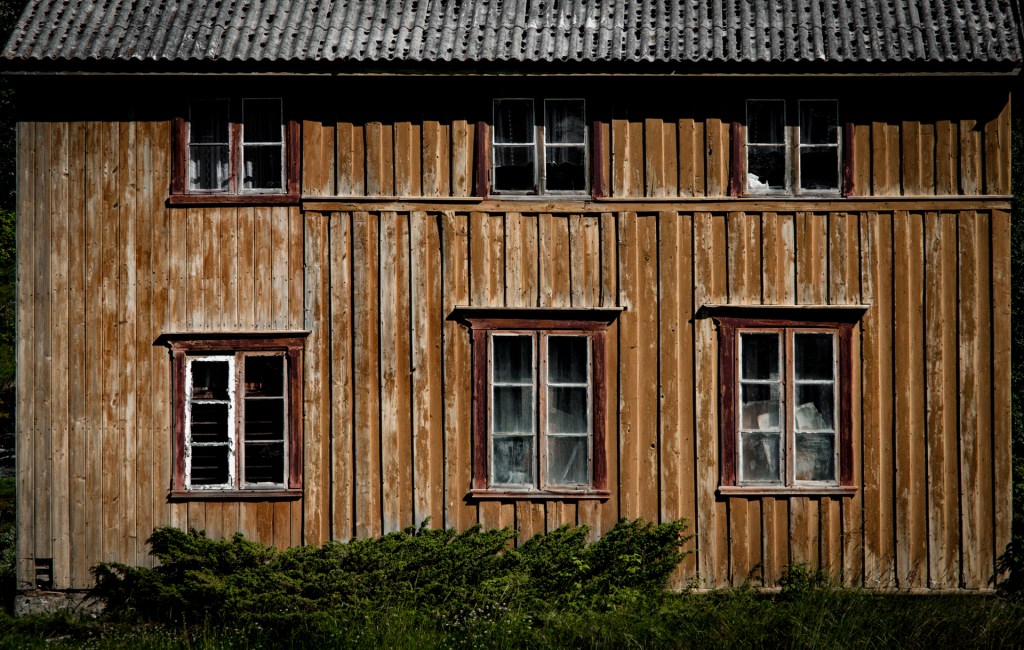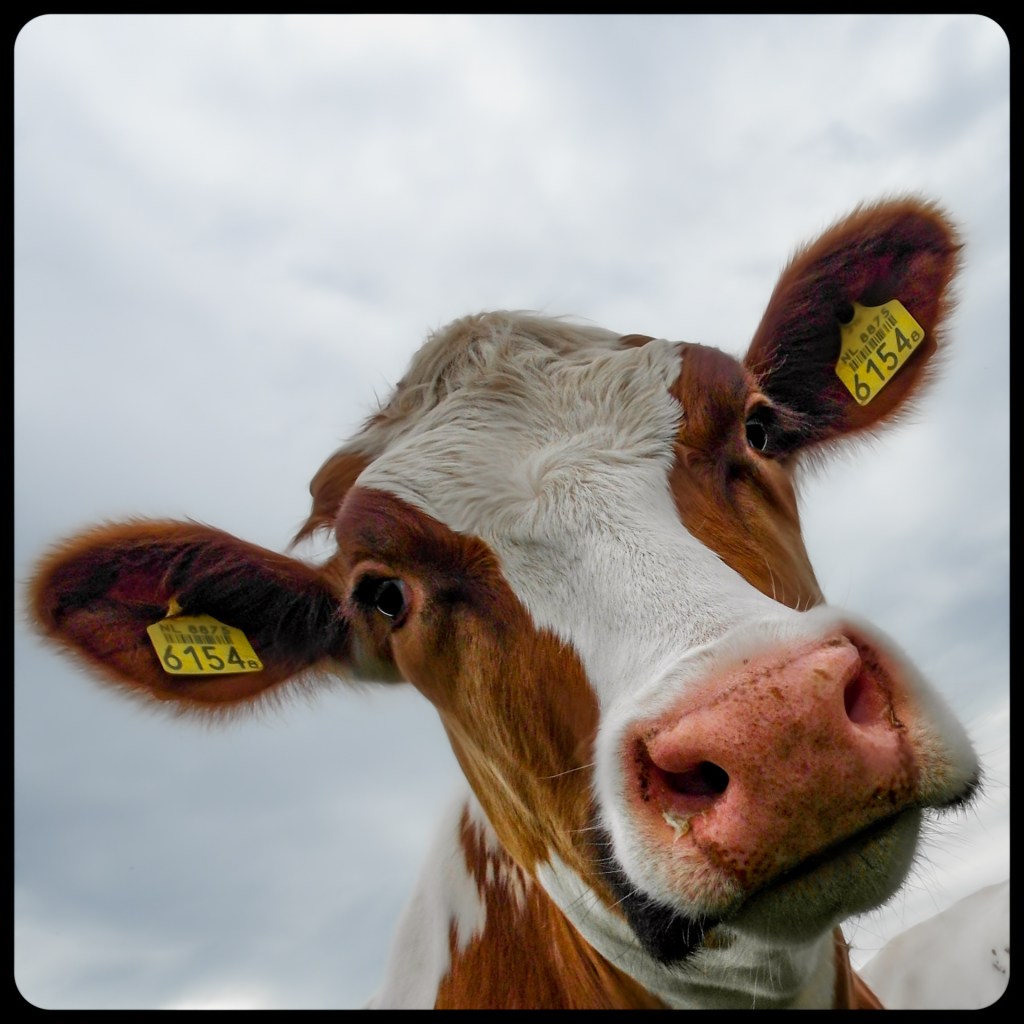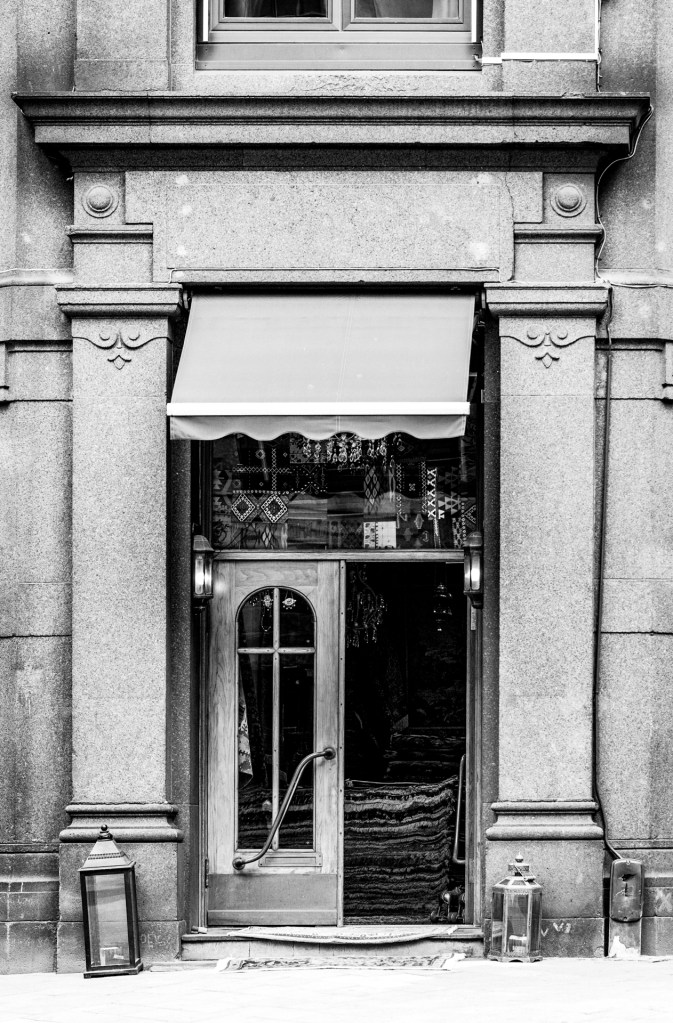
Day 3109, the sun.

Daily picture, Poetry

Friedrich Nietzsche

Daybreak
Book 1

3 Everything has its day.– When man gave all things a sex he thought, not that he was playing, but that he had gained a profound insight: – it was only very late that he confessed to himself what an enormous error this was, and perhaps even now he has not confessed it completely. – In the same way man has ascribed to all that exists a connection with morality and laid an ethical significance on the world’s back. One day this will have as much value, and no more, as the belief in the masculinity or femininity of the sun has today.

Day 2988, and goodwill.

Daily picture, Quotes

Friedrich Nietzsche

Daybreak
Book I

13 Towards the re-education of the human race. – Men of application and goodwill assist in this one work: to take the concept of punishment which has overrun the whole world and root it out! There exists no more noxious weed! Not only has it been implanted into the consequences of our actions- and how dreadful and repugnant to reason even this is, to conceive cause and effect as cause and punishment! – but they have gone further and, through this infamous mode of interpretation with the aid of the concept of punishment, robbed of its innocence the whole purely chance character of events. Indeed, they have gone so far in their madness as to demand that we feel our very existence to be a punishment- it is as though the education of the human race had hitherto been directed by the fantasies of jailers and hangmen!

Day 2940, pseudosciences.

Daily picture, Quotes

Friedrich Nietzsche

Daybreak
Book 1

11 Popular morality and popular medicine. – The morality which prevails in a community is constantly being worked at by everybody: most people produce example after example of the alleged relationship between cause and effect, between guilt and punishment, confirm it as well founded and strengthen their faith: some observe actions and their consequences afresh and draw conclusions and laws from their observations: a very few take exception here and there and thus diminish faith on these points. – All, however, are at one in the wholly crude, unscientific character of their activity; whether it is a matter of producing examples, making observations or taking exception, whether it is a matter of proving, confirming, expressing or refuting a law – both material and form are worthless, as are the material and form of all popular medicine. Popular medicine and popular morality belong together and ought not to be evaluated so differently as they still are: both are the most dangerous pseudosciences.

Day 2801, purpose.

Daily picture, Quotes

Friedrich Nietzsche

Daybreak
Book 2

1 22 Purposes in nature. – The impartial investigator who pursues the history of the eye and the forms it has assumed among the lowest creatures, who demonstrates the whole step-by- step evolution of the eye, must arrive at the great conclusion that vision was not the intention behind the creation of the eye, but that vision appeared, rather, after chance had put the apparatus together. A single instance of this kind – and ‘ purposes’ fall away like scales from the eyes!

Day 2583, feelings.

aphorism, Daily picture

Friedrich Nietzsche

Daybreak
Book I

35 Feelings and their origination in judgments. – ‘Trust your feelings!’ – But feelings are nothing final or original; behind feelings there stand judgments and evaluations which we inherit in the form of feelings (inclinations, aversions). The inspiration born of a feeling is the grandchild of a judgment – and often of a false judgment! – and in any event not a child of your own! To trust one’s feelings – means to give more obedience to one’s grandfather and grandmother and their grandparents than to the gods which are in us: our reason and our experience.
Day 2576, nature.

Daily picture, Quotes

Friedrich Nietzsche

Daybreak

Book I

 17 Nature, good and evil – At first, men imagined themselves into nature: they saw everywhere themselves and their kind, especially their evil and capricious qualities, as it were hidden among the clouds, storms, beasts of prey, trees and plants: it was then they invented ‘ evil nature’. Then there came along an age when they again imagined themselves out of nature, the age of Rousseau: they were so fed up with one another they absolutely had to have a corner of the world into which man and his torments could not enter: they invented ‘ good nature’.

Day 2521, charm.

Daily picture, Quotes

Friedrich Nietzsche

Daybreak
BOOK IV

238 The striving for charm. – If a strong nature is not inclined to cruelty and is not always occupied with itself, it involuntarily strives after charm – this is its characteristic sign. Weak characters, on the other hand, love harsh judgments-they ally themselves with the heroes of misanthropy, with the religious or philosophical blackeners of existence, or withdraw behind stern customs and demanding ‘life-tasks’: thus they try to create for themselves a character and a kind of strength. And this they likewise do involuntarily.

Day 2507, an error.

Daily picture, Quotes

Friedrich Nietzsche

Daybreak
Book I

32 The brake.- To suffer for the sake of morality and then to be told that this kind of suffering is founded on an error: this arouses indignation. For there is a unique consolation in affirming through one’s suffering a ‘profounder world of truth’ than any other world is, and one would much rather suffer and thereby feel oneself exalted above reality (through consciousness of having thus approached this ‘profounder world of truth’) than be without suffering but also without this feeling that one is exalted. It is thus pride, and the customary manner in which pride is gratified, which stands in the way of a new understanding of morality. What force, therefore, will have to be employed if this brake is to be removed? More pride? A new pride?

Day 2425, neighbor.

Daily picture, Quotes

Friedrich Nietzsche

Daybreak

118 What is our neighbor! – What do we understand to be the boundaries of our neighbor: I mean that with which he as it were engraves and impresses himself into and upon us? We understand nothing of him except the change in us of which he is the cause – our knowledge of him is like hollow space which has been shaped. We attribute to him the sensations his actions evoke in us, and thus bestow upon him a false, inverted positivity. According to our knowledge of ourselves we make of him a satellite of our own system: and when he shines for us or grows dark and we are the ultimate cause in both cases – we nonetheless believe the opposite! World of phantoms in which we live! Inverted, upside-down, empty world, yet dreamed of as full and upright!

Day 2410, on the stage.

Daily picture

Friedrich Nietzsche

Daybreak

Book III

177 Learning solitude. – 0 you poor devils in the great cities of world politics, you gifted young men tormented by ambition who consider it your duty to pass some comment on everything that happens- and there is always something happening! Who when they raise the dust in this way think they are the chariot of history! Who, because they are always on the alert, always on the lookout for the moment when they can put their word in, lose all genuine productivity! However much they may desire to do great work, the profound speechlessness of pregnancy never comes to them! The event of the day drives them before it like chaff, while they think they are driving the event – poor devils! – If one wants to represent a hero on the stage one must not think of making one of the chorus, indeed one must not even know how to make one of the chorus.

Day 2347, opening doors.

Day's pictures, Philosophy

Friedrich Nietzsche

Daybreak

Thoughts on the prejudices of morality

Book I

19 Morality makes stupid. – Custom represents the experiences of men of earlier times as to what they supposed useful and harmful – but the sense for custom (morality) applies, not to these experiences as such, but to the age, the sanctity, the indiscussability of the custom. And so this feeling is a hindrance to the acquisition of new experiences and the correction of customs: that is to say, morality is a hindrance to the creation of new and better customs: it makes stupid.

35 Feelings and their origination in judgments. – ‘Trust your feelings!’ – But feelings are nothing final or original; behind feelings there stand judgments and evaluations which we inherit in the form of feelings (inclinations, aversions). The inspiration born of a feeling is the grandchild of a judgment – and often of a false judgment! – and in any event not a child of your own! To trust one’s feelings – means to give more obedience to one’s grandfather and grandmother and their grandparents than to the gods which are in us: our reason and our experience.
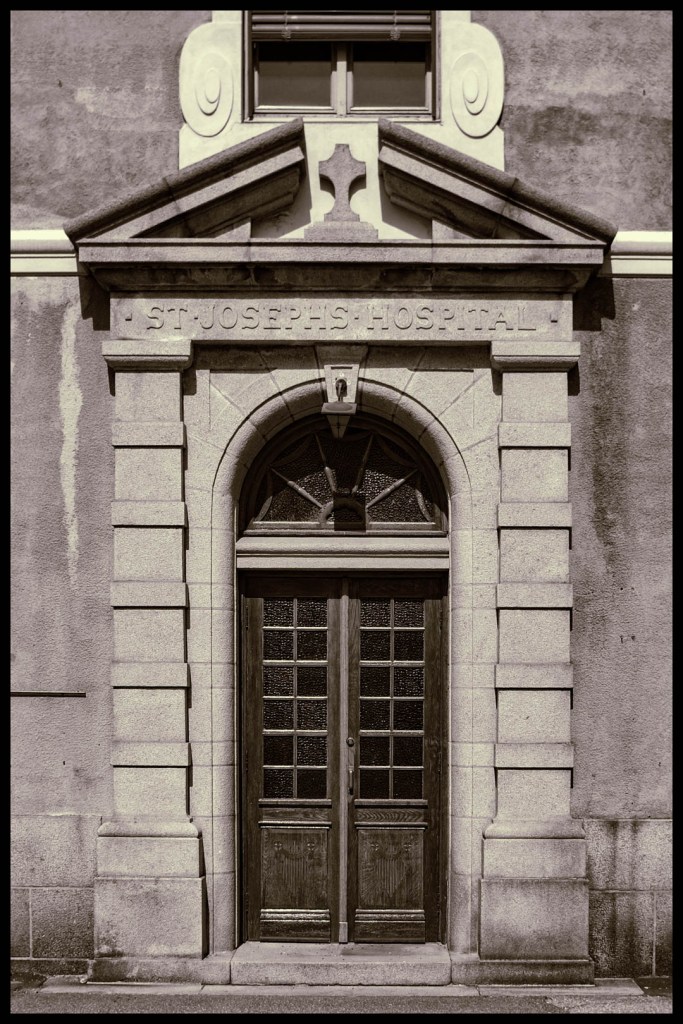
55 ‘Ways’. – The supposed ‘shorter ways’ have always put mankind into great danger; at the glad tidings that such a shorter way has been found, they always desert their way – and lose their way.

Day 2058, small

Day's pictures
Slide film, 1992, Rotterdam – the Netherlands

7 Learning to feel differently about space. – Is it the real things or the imaginary things which have contributed most to human happiness? What is certain is that the extent of the space between the highest happiness and the deepest unhappiness has been produced only with the aid of the imaginary things. This kind of feeling of space is, consequently, being continually reduced under the influence of science: just as science has taught us, and continues to teach us, to feel that the eanh is small and the solar-system itself no more than a point.

Friedrich Nietzsche, Daybreak – book 1

Day 1824, Daybreak VIII.

Daily picture

Morgenröthe aka Daybreak

Book III

186. BUSINESS MEN. —Your business is your greatest prejudice, it binds you to your locality, your society and your tastes. Diligent in business but lazy in thought, satisfied with your paltriness and with the cloak of duty concealing this contentment: thus you live, and thus you like your children to be.

Friedrich Nietzsche

Day 1823, Daybreak VII.

Daily picture

Morgenröthe aka Daybreak

Book III

182. ROUGH AND READY CONSISTENCY.—People say of a man with great respect, ” He is a character “—that is, when he exhibits a rough and ready consistency, when it is evident even to the dullest eye. But, whenever a more subtle and profound intellect sets itself up and shows consistency in a higher manner, the spectators deny the existence of any character. That is why cunning statesmen usually act their comedy under the cloak of a kind of rough and ready consistency.

Friedrich Nietzsche

Day 1822, Daybreak VI.

Daily picture

Morgenröthe aka Daybreak

Book II

141. MORE BEAUTIFUL BUT LESS VALUABLE.— Picturesque morality: such is the morality of those passions characterised by sudden outbursts, abrupt transitions;

pathetic, impressive, dreadful, and solemn attitudes and gestures. It is the semi-savage stage of morality : never let us be tempted to set it on a higher plane merely on account of its aesthetic charms.

Friedrich Nietzsche