230 Esprit fort. – Compared with him who has tradition on his side and requires no reasons for his actions, the free spirit is always weak, especially in actions; for he is aware of too many motives and points of view and therefore possesses an uncertain and unpractised hand. What means are there of nonetheless rendering him relatively strong, so that he shall at least make his way and not ineffectually perish? How does the strong spirit (esprit fort) come into being? This is in the individual case the question how genius is produced. Whence comes the energy, the inflexible strength, the endurance with which the individual thinks, in opposition to tradition, to attain to a wholly individual perception of the world?
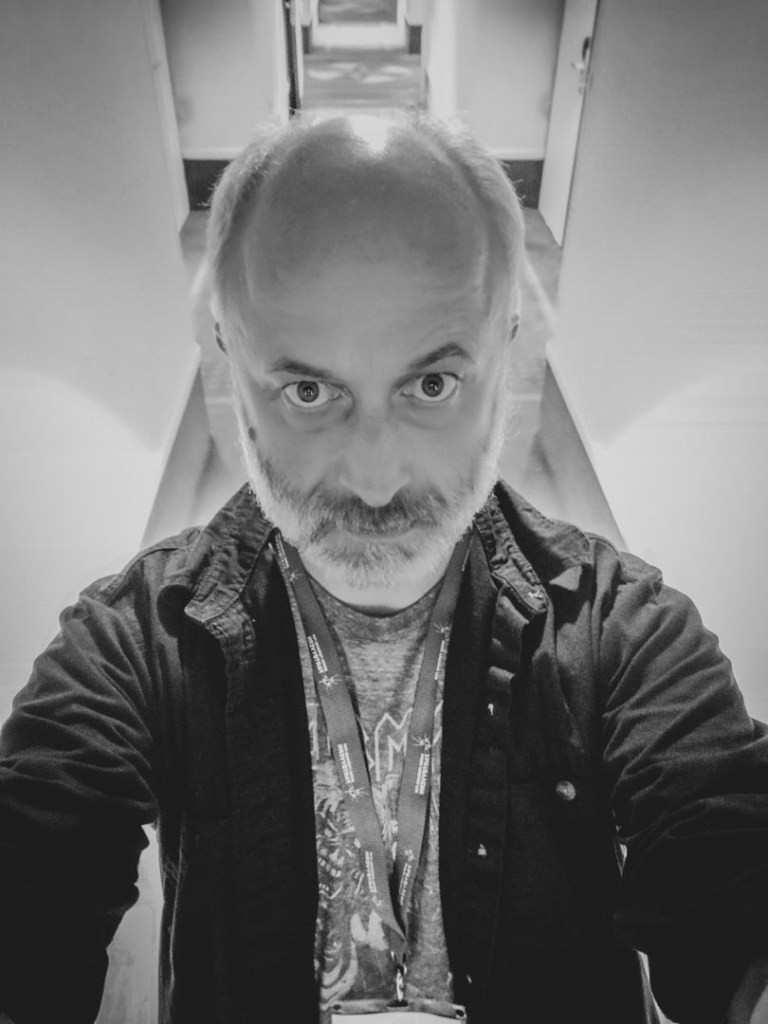
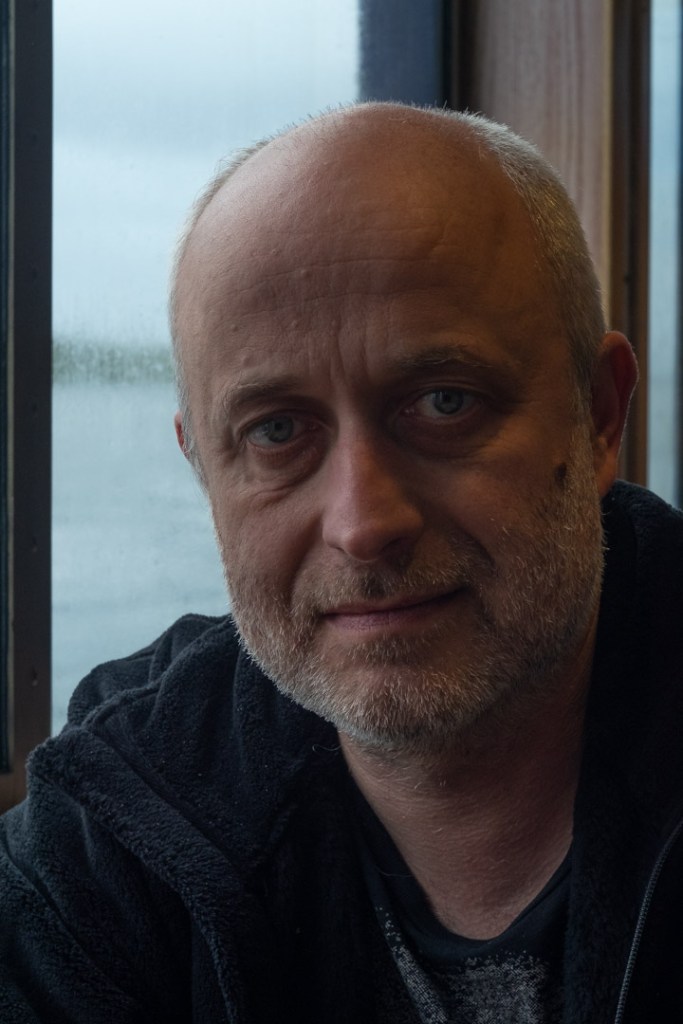
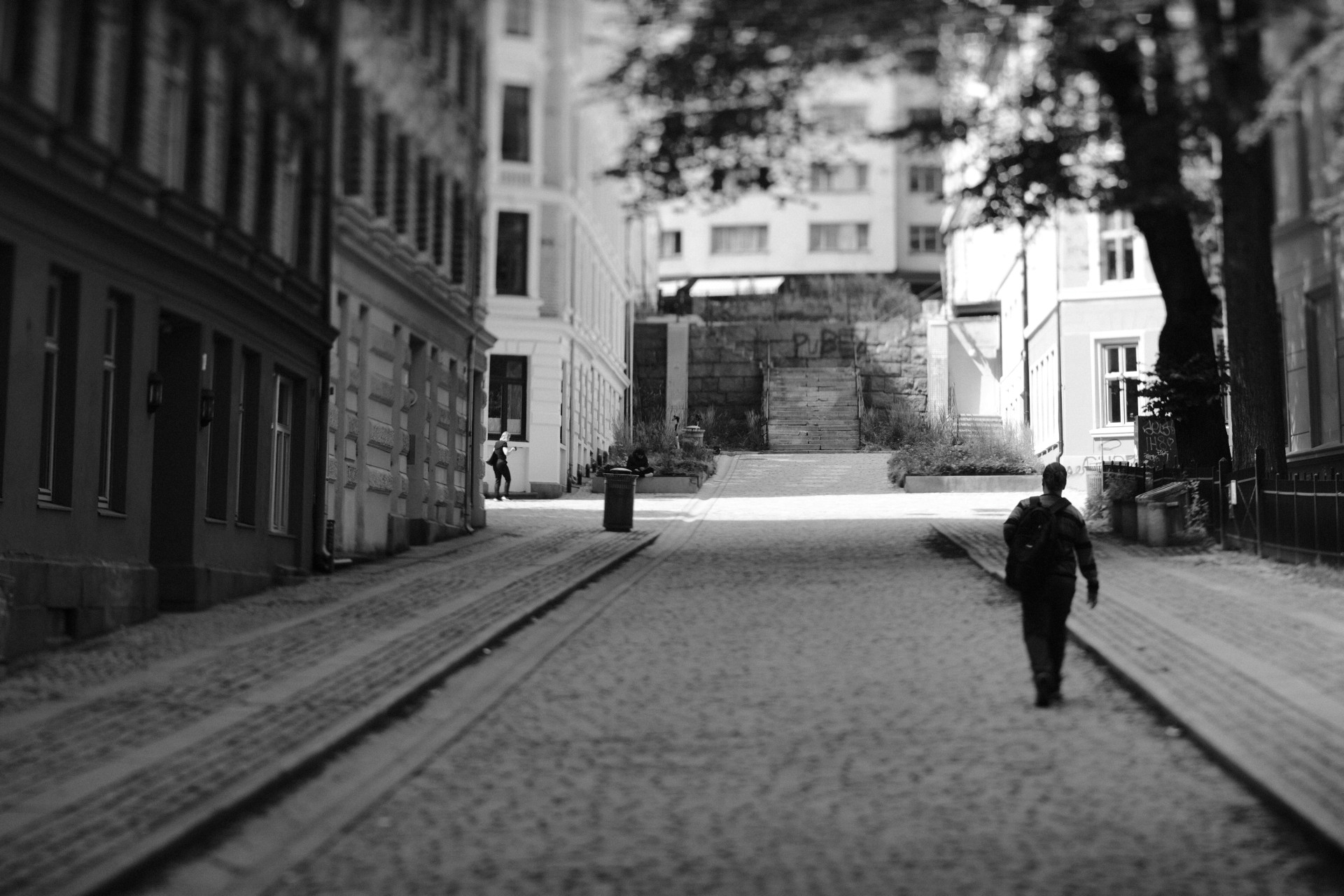
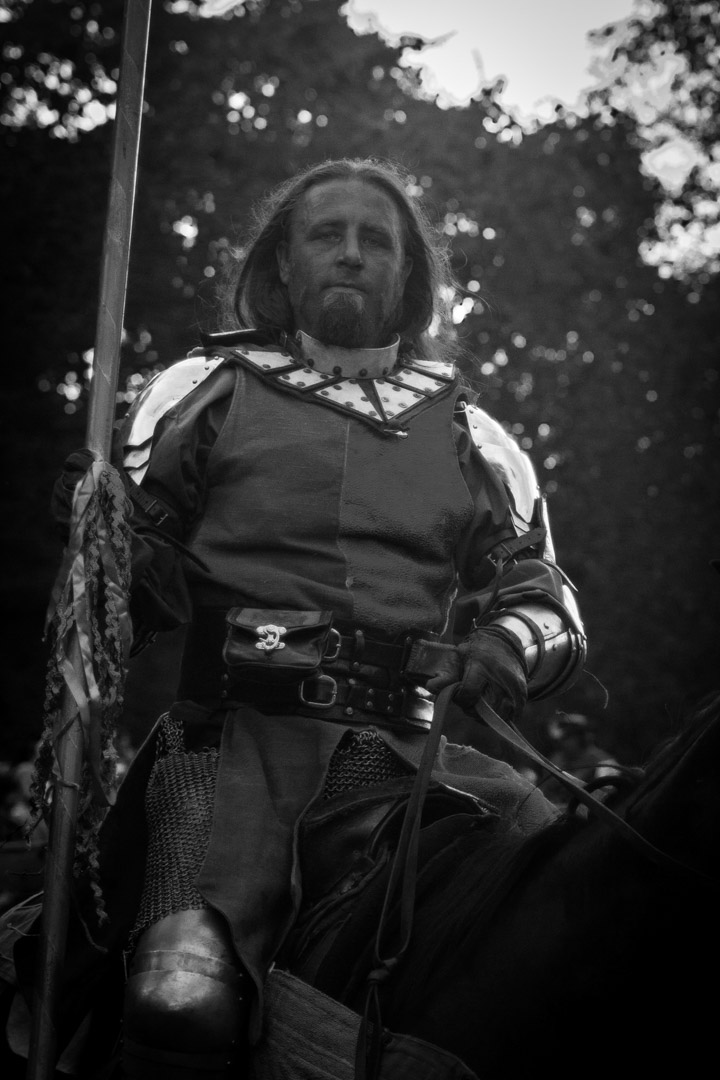
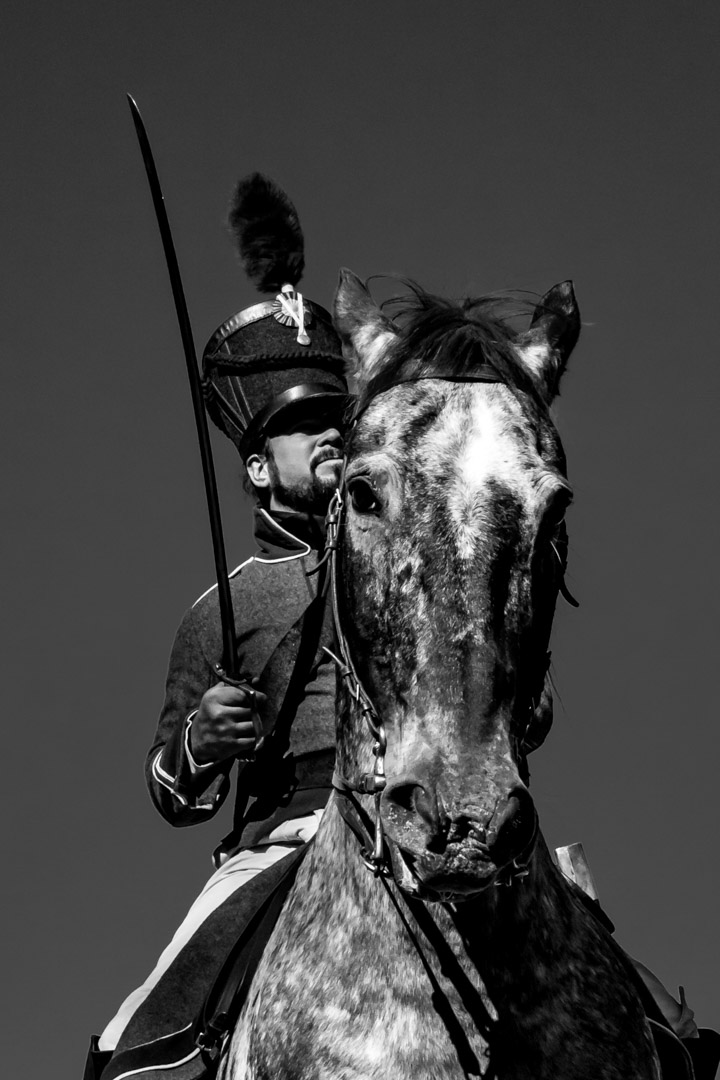
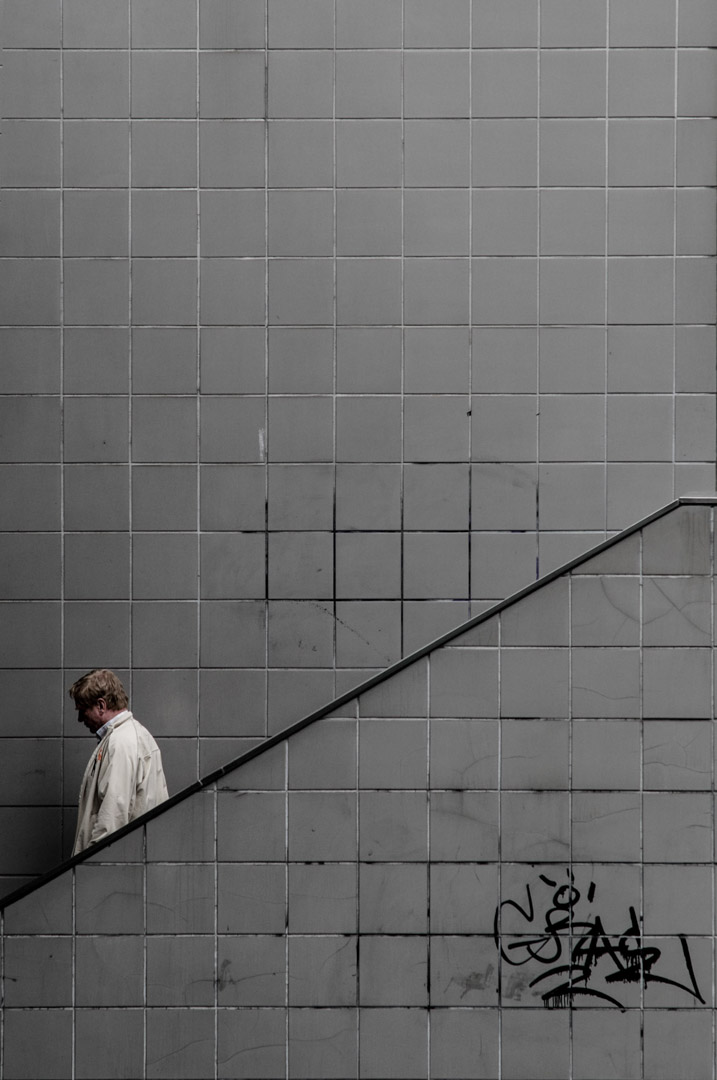
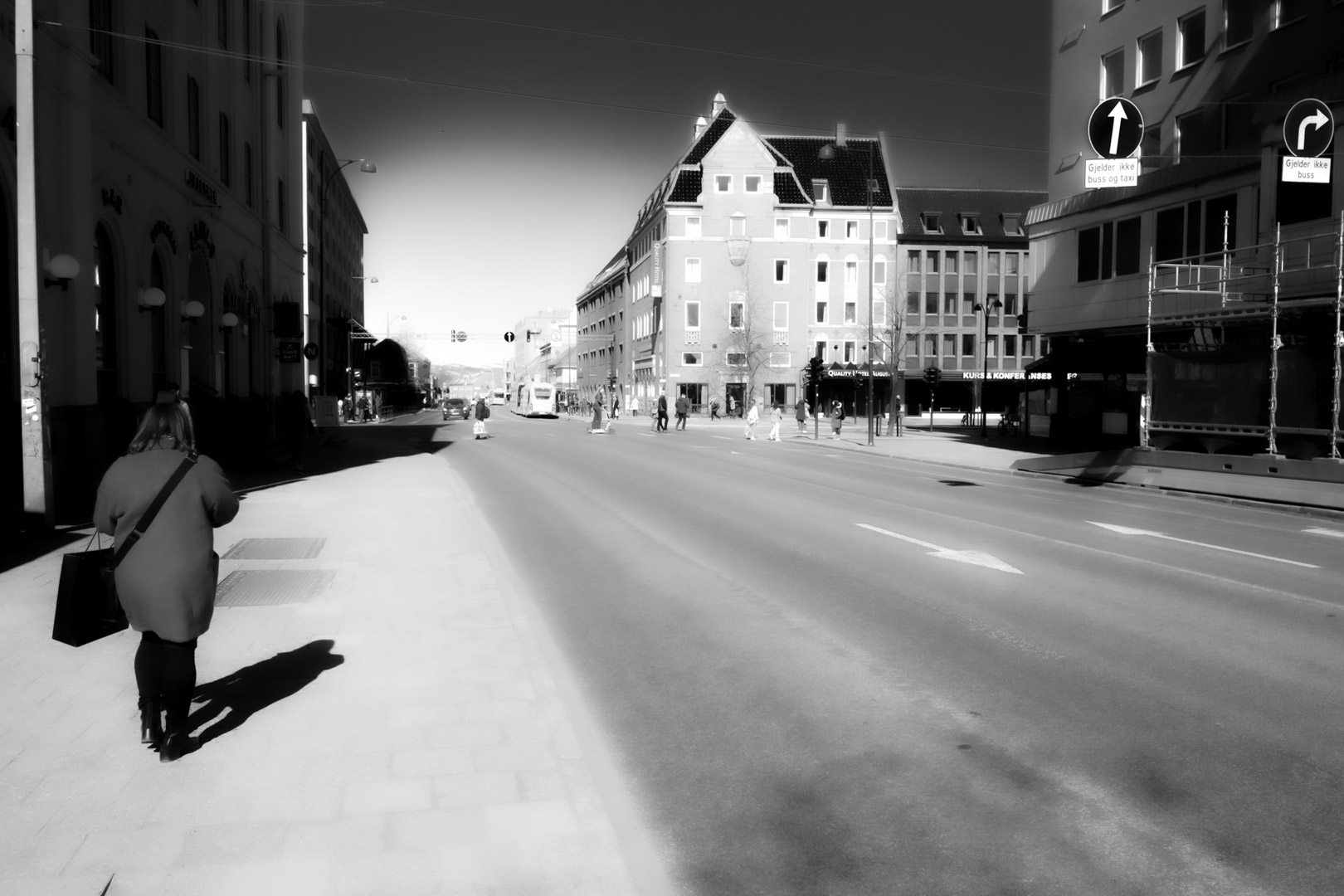
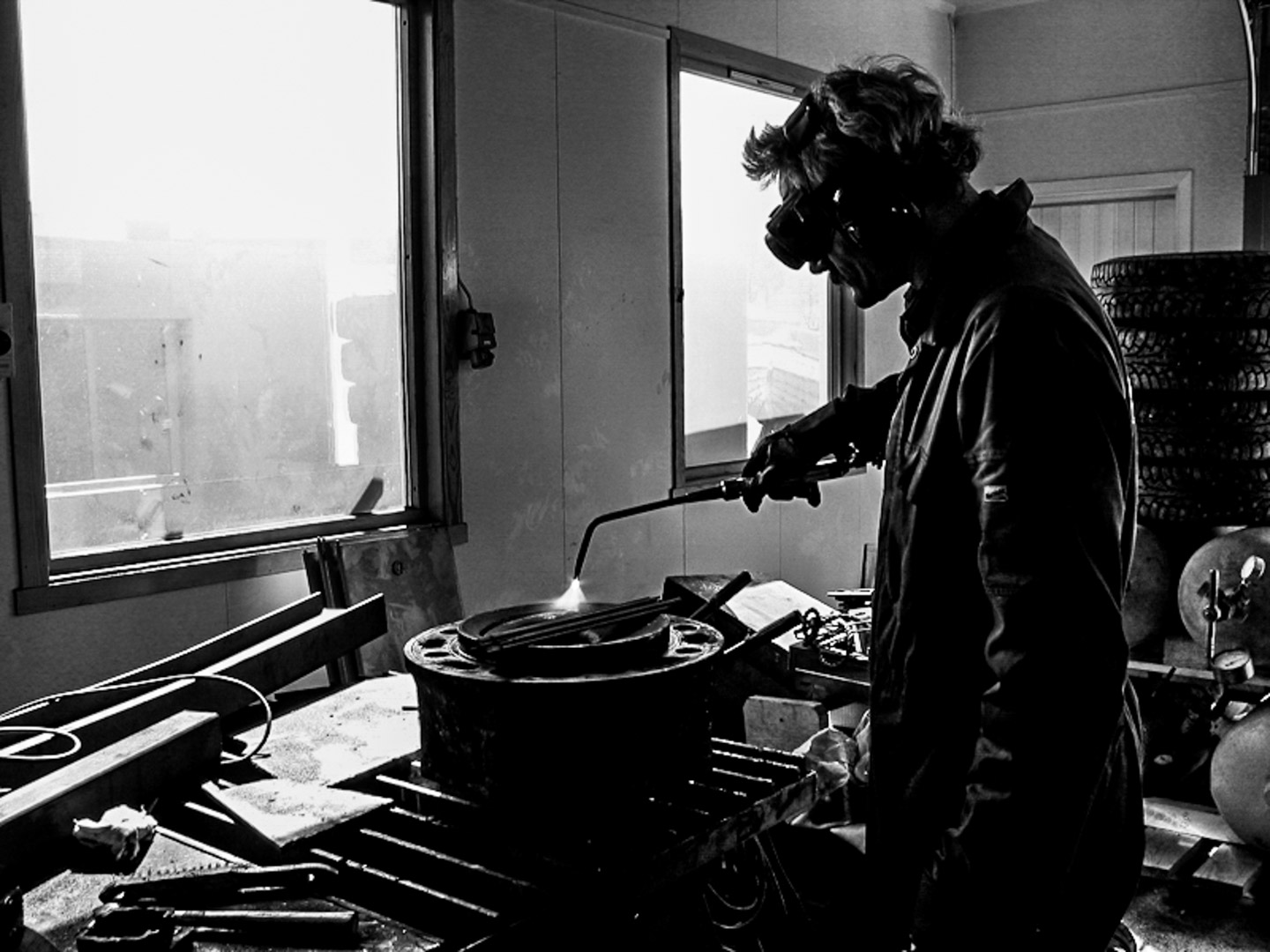
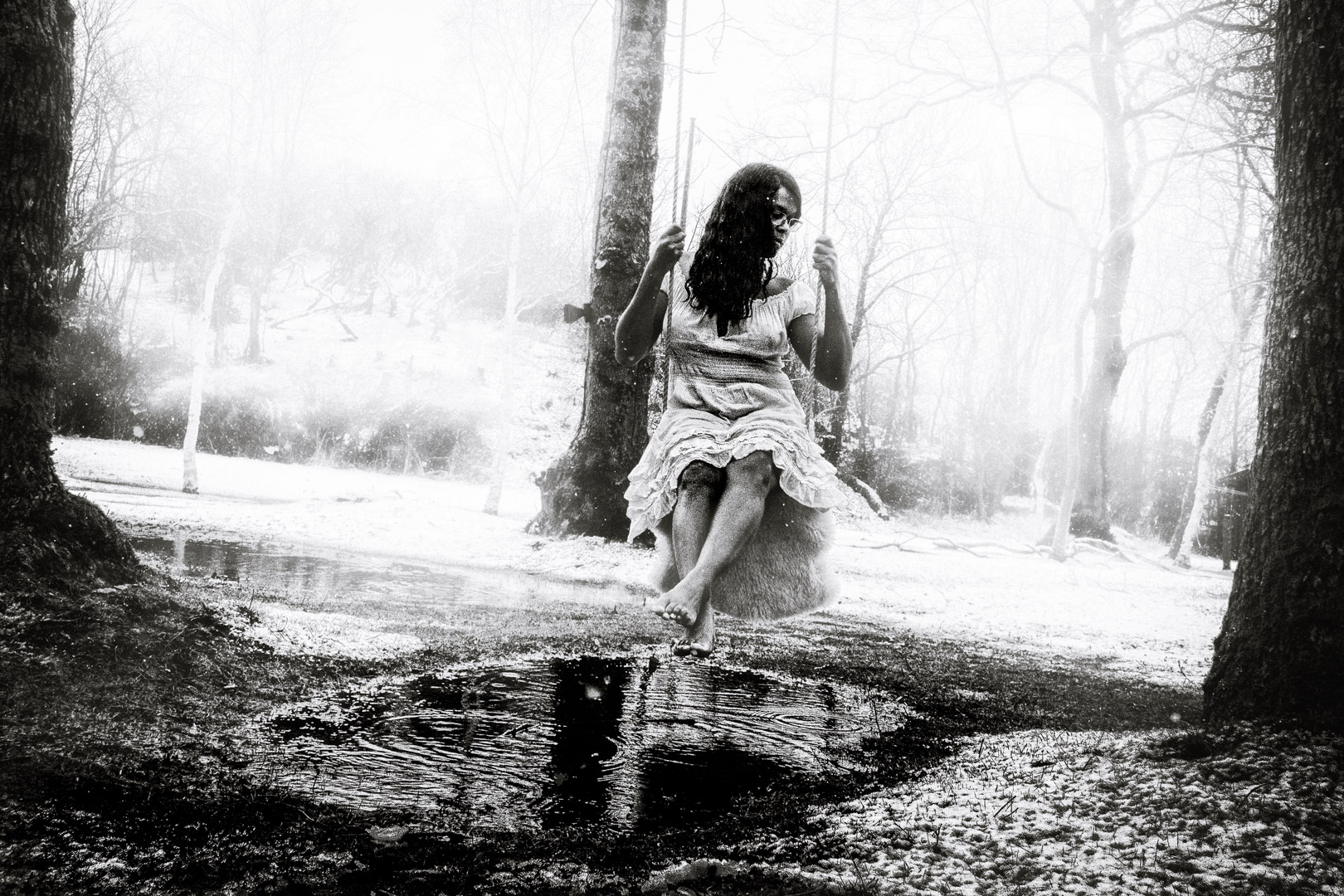
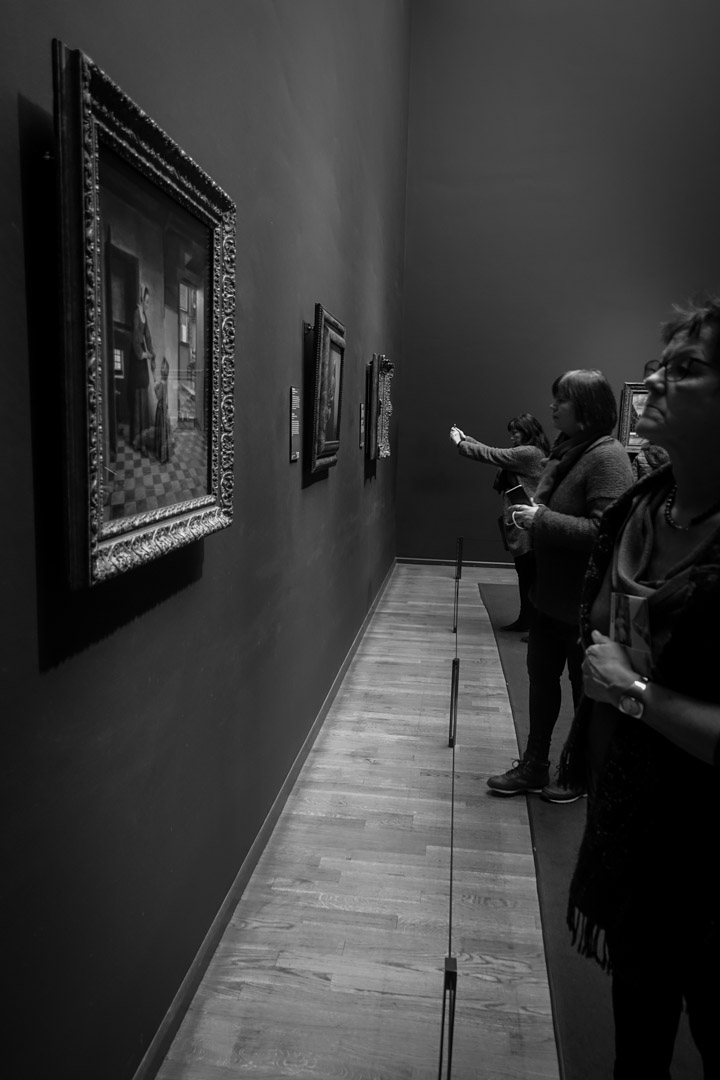
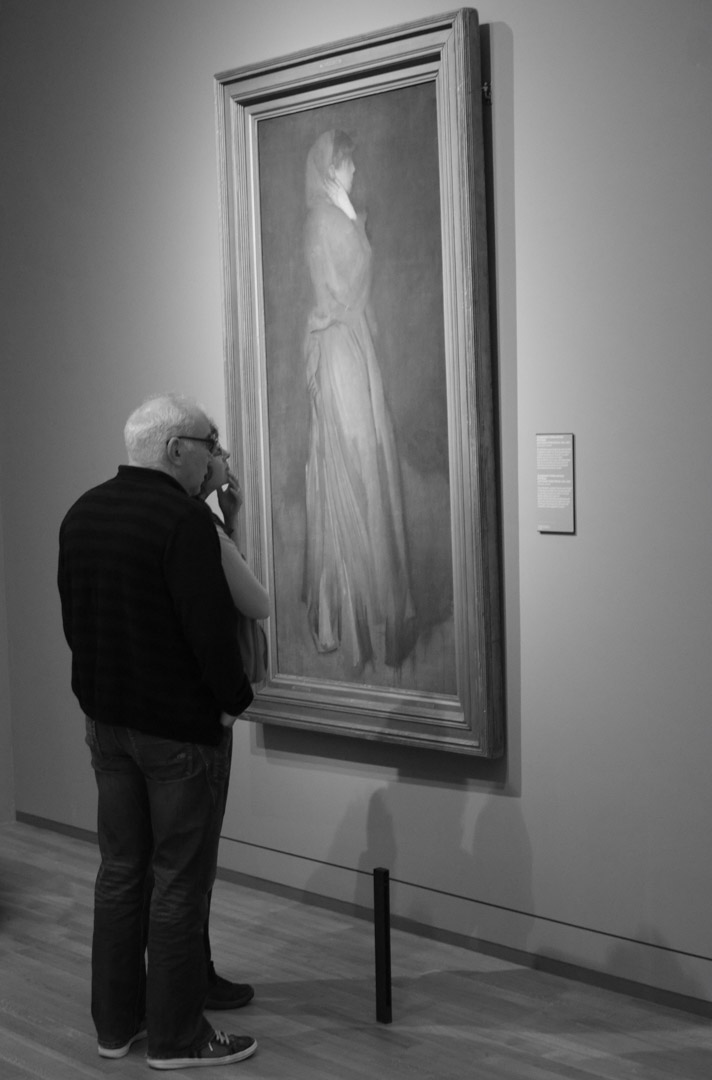
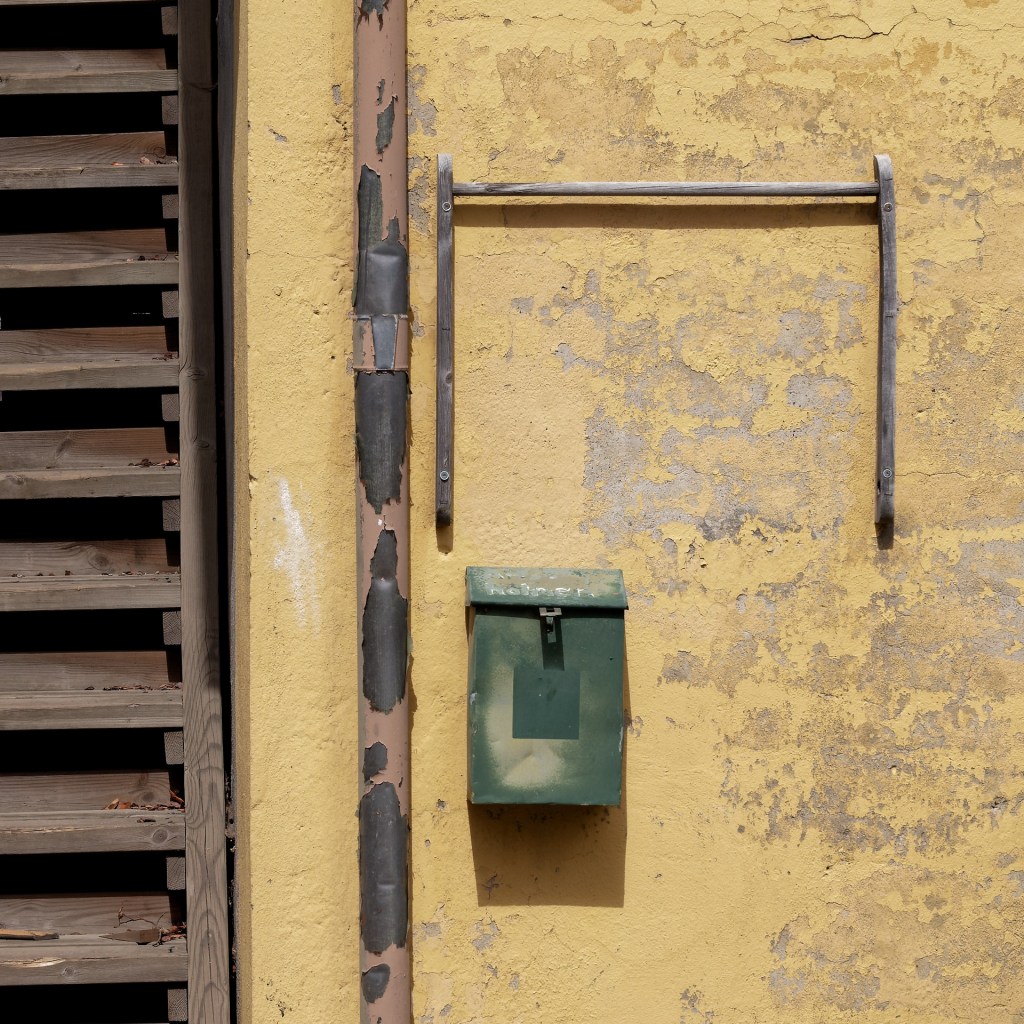
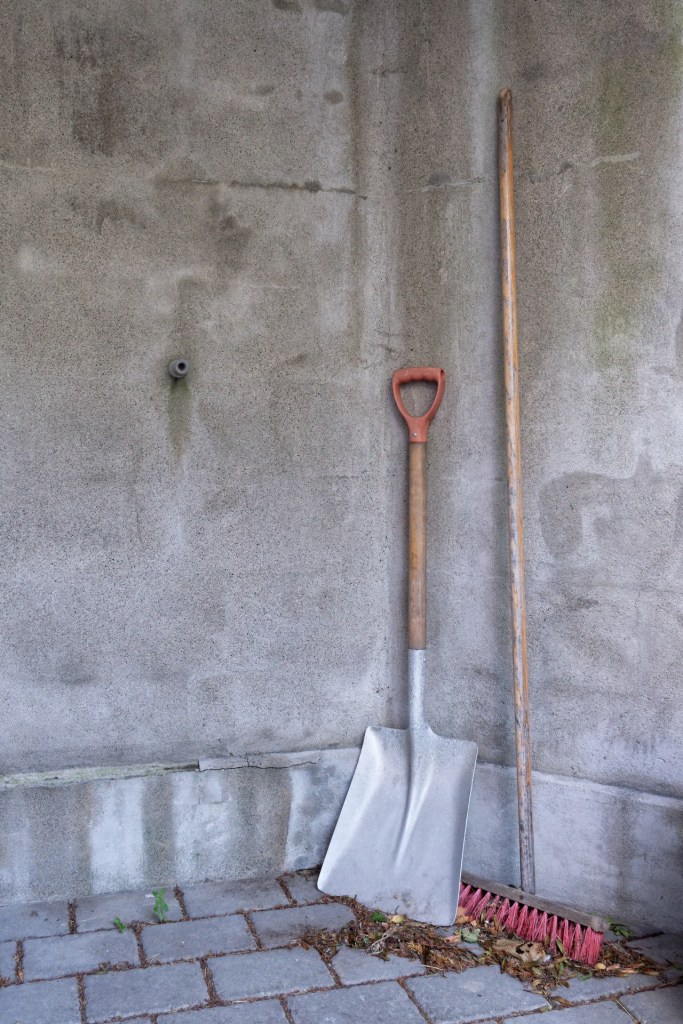
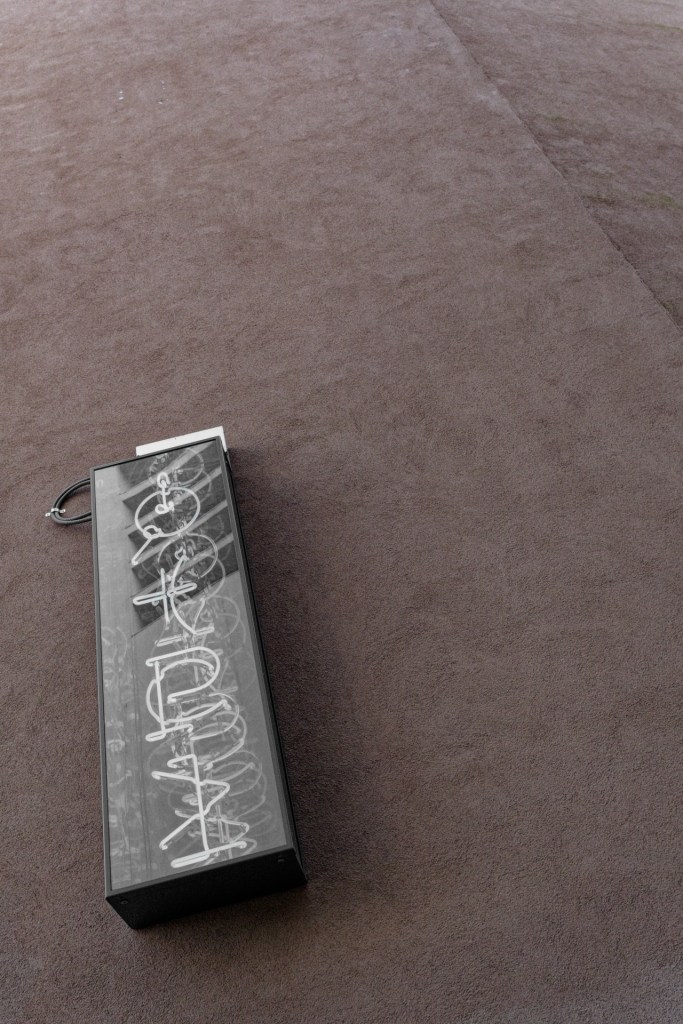
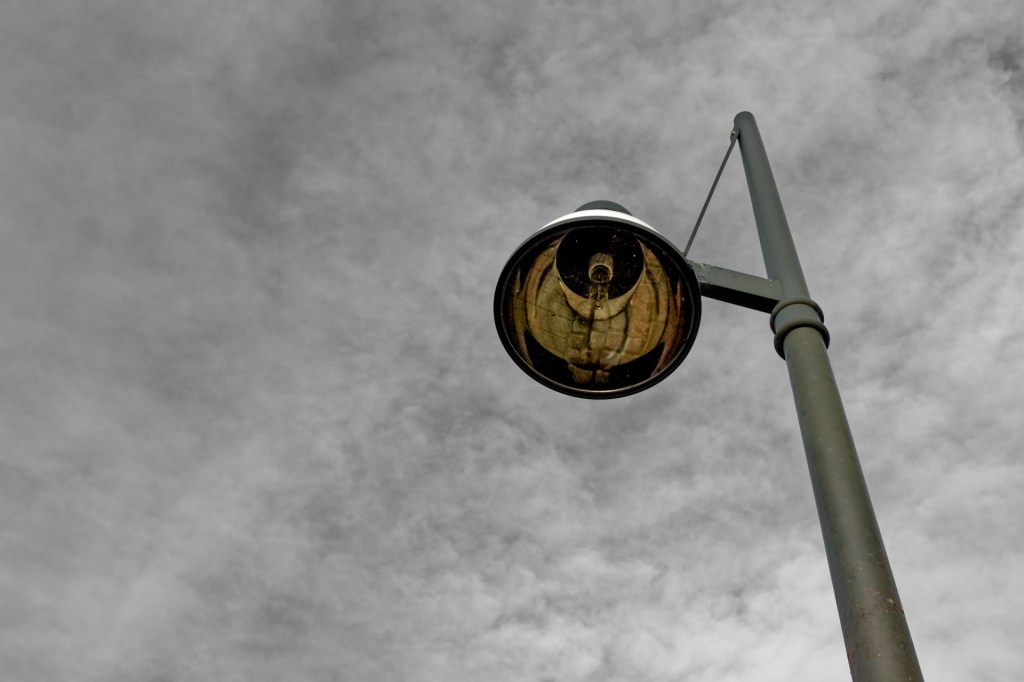
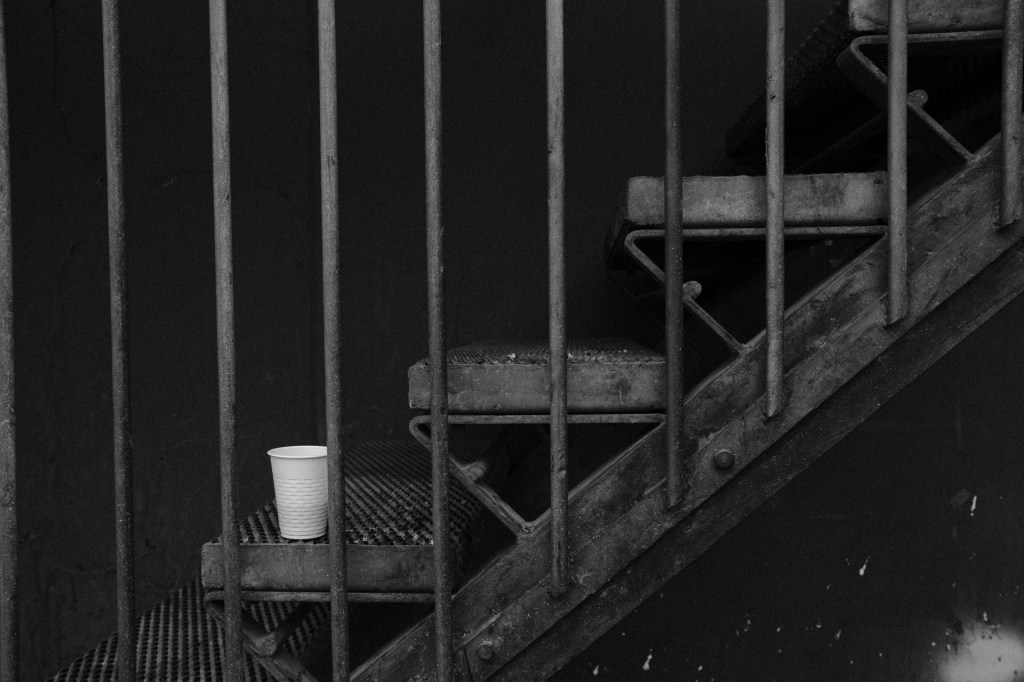
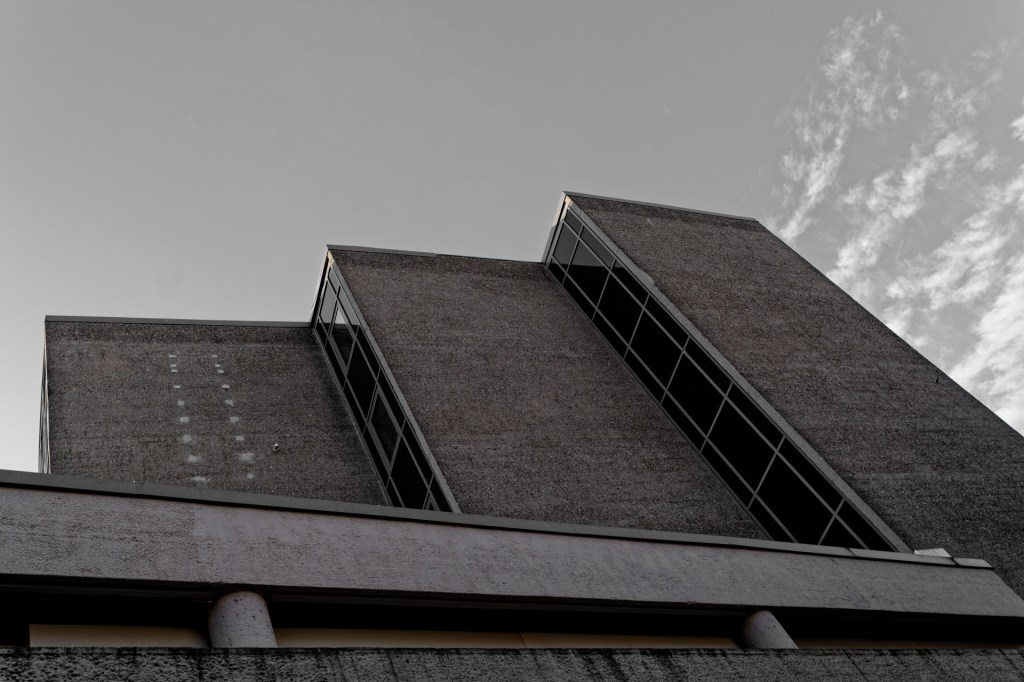
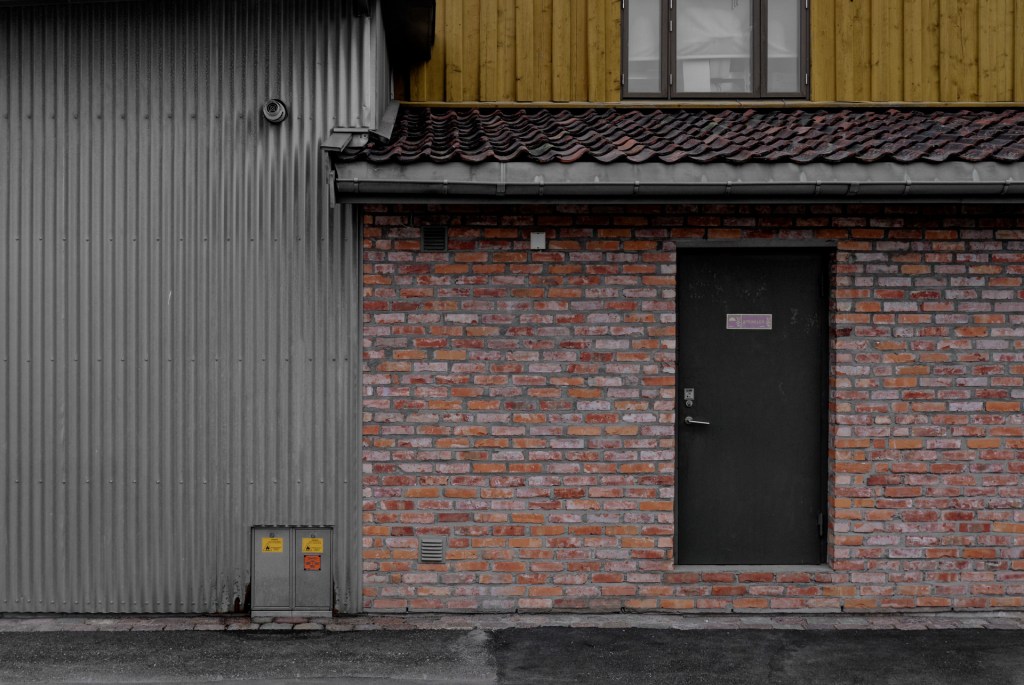
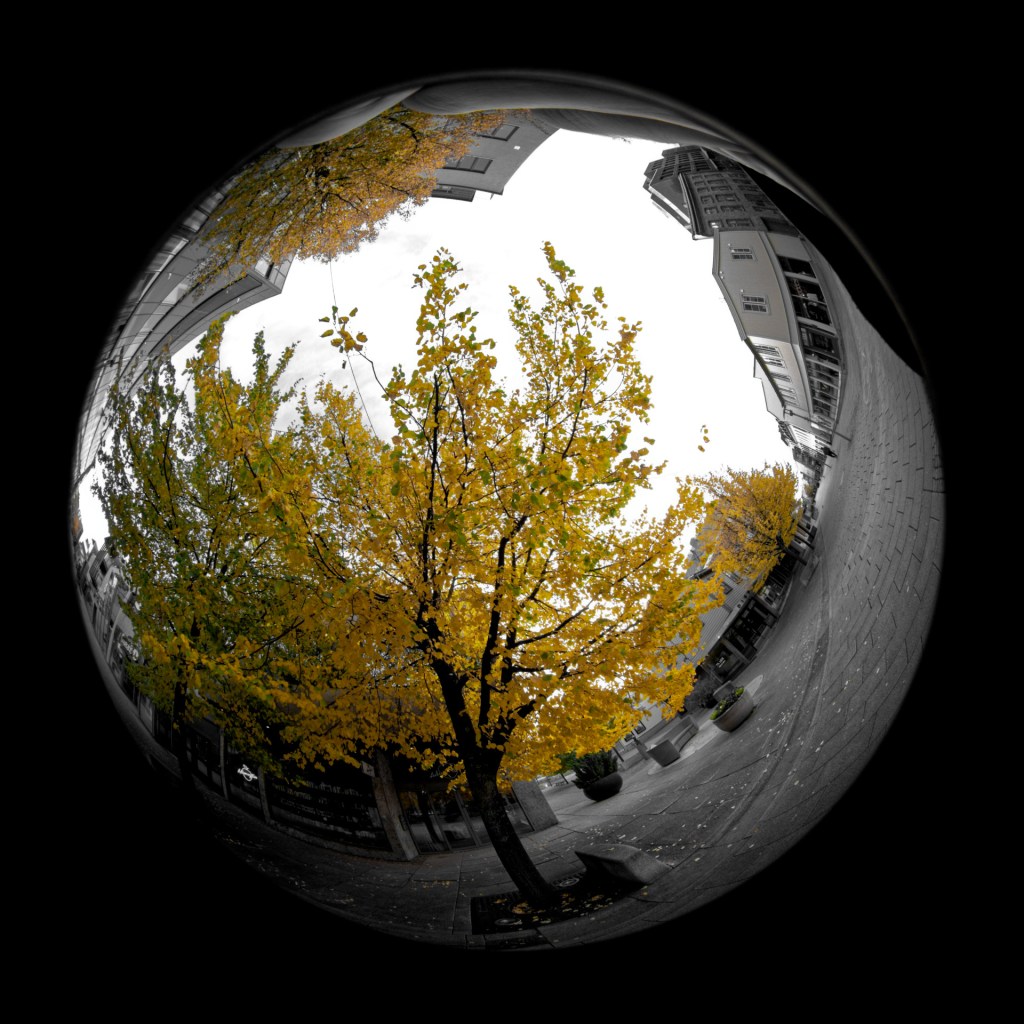
Over the 3500 days I have been posting a picture each day, only 1% have humans in them. I am not exactly sure what that says about me, but I do think that the buildings around us and the nature we walk through are so much more unique and interesting than the people I meet walking where I walk. If you’ve seen one, you have seen them all.
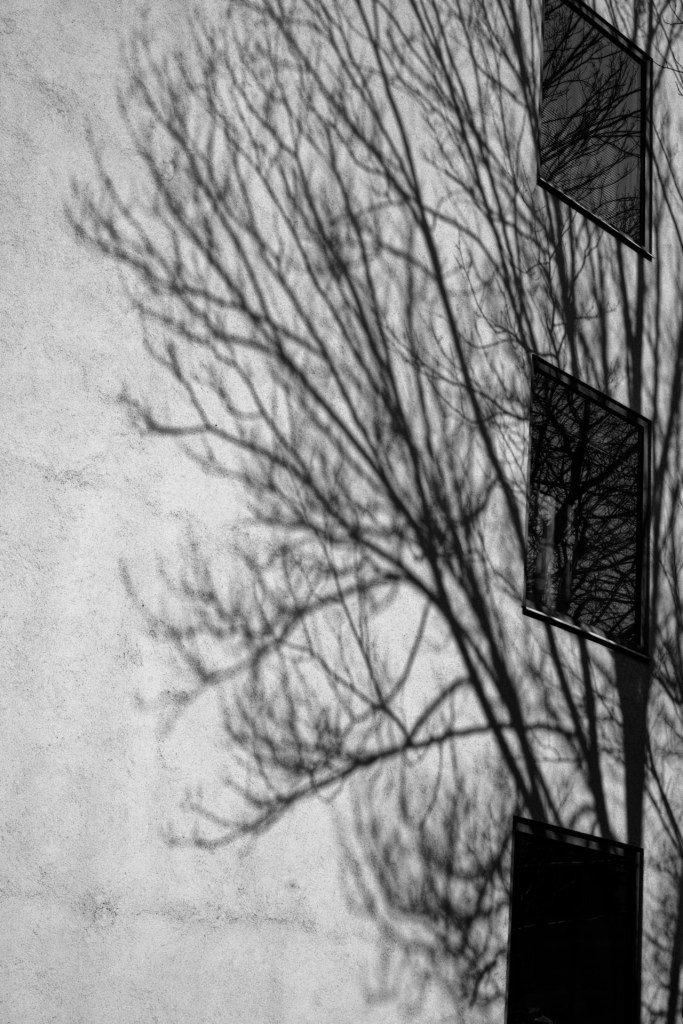
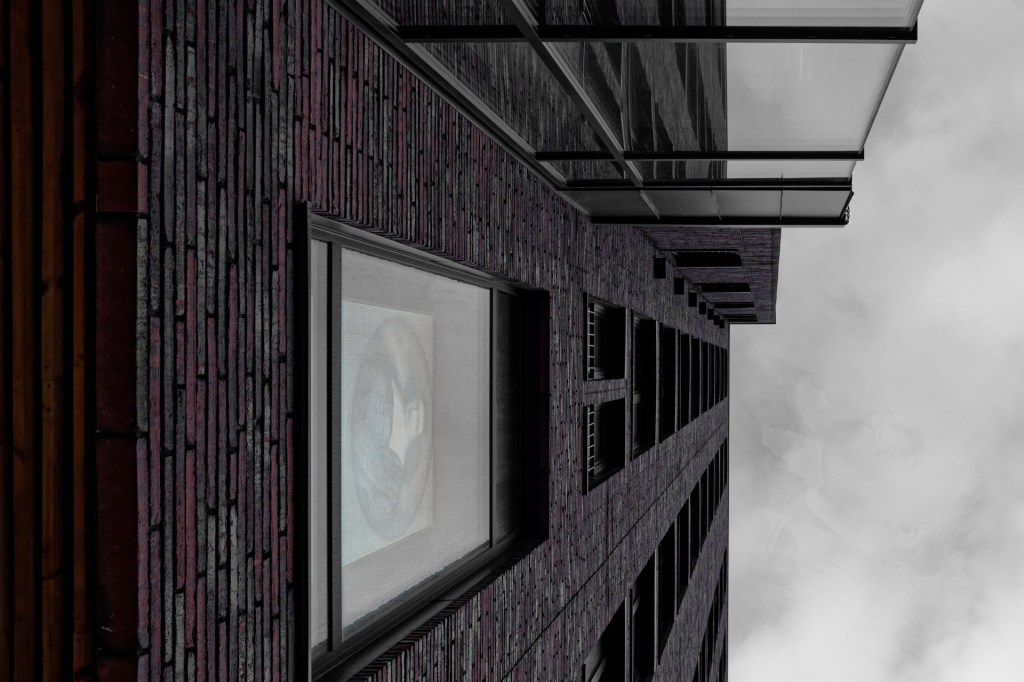
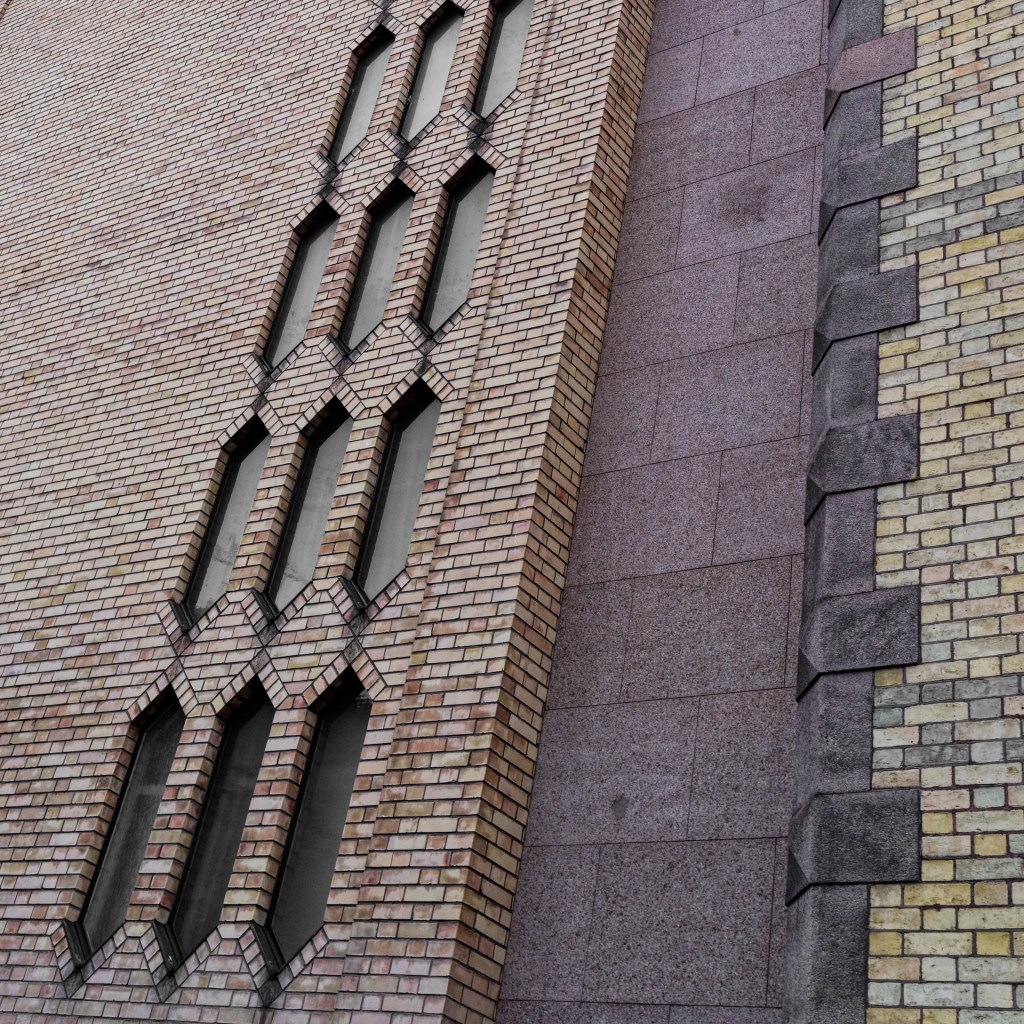
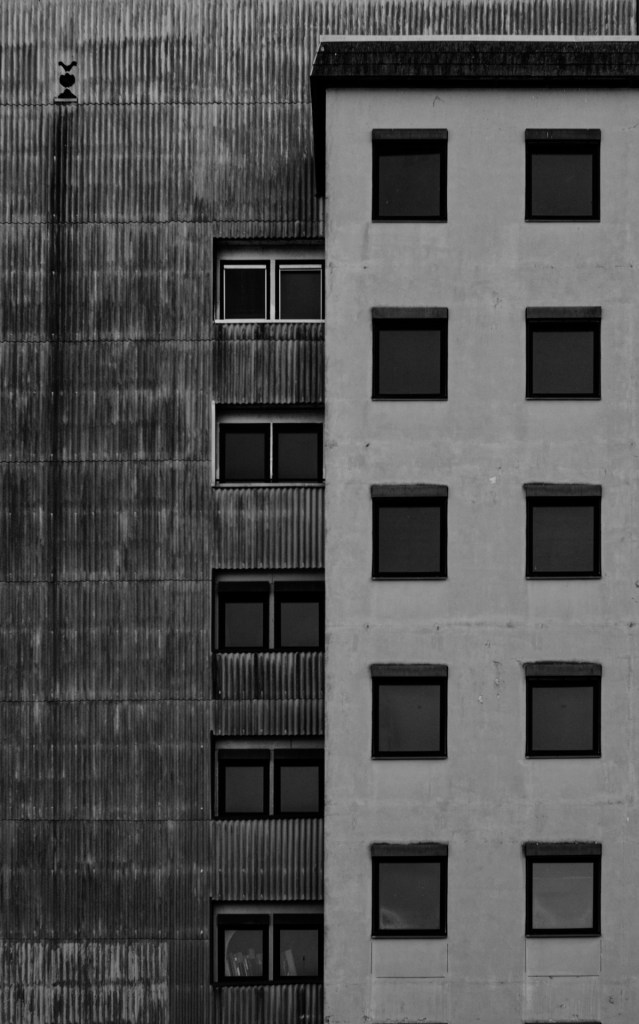
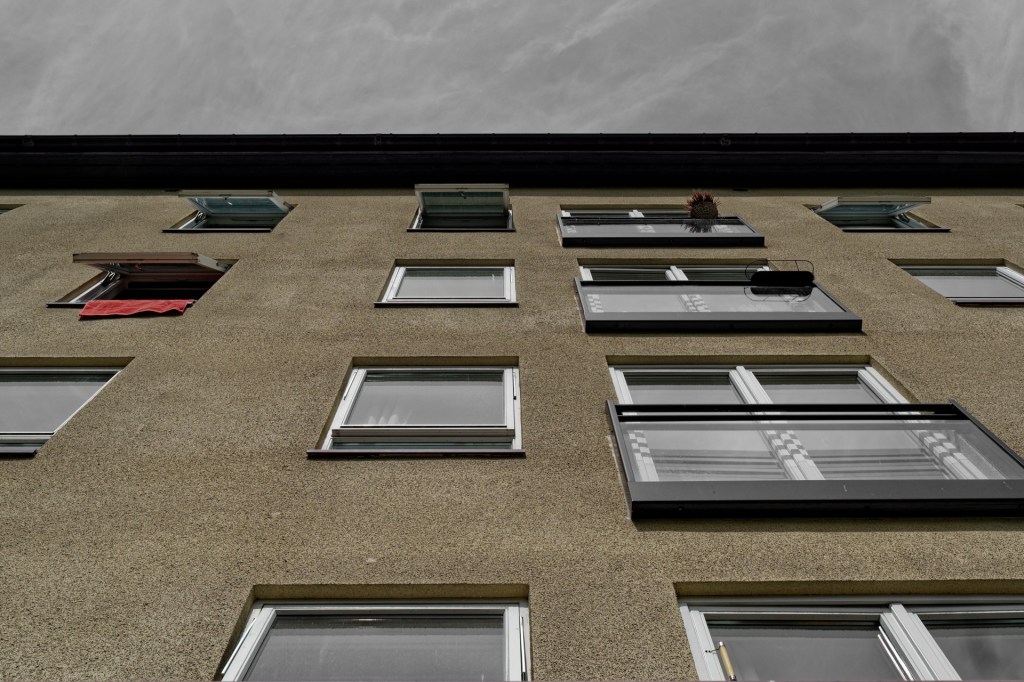
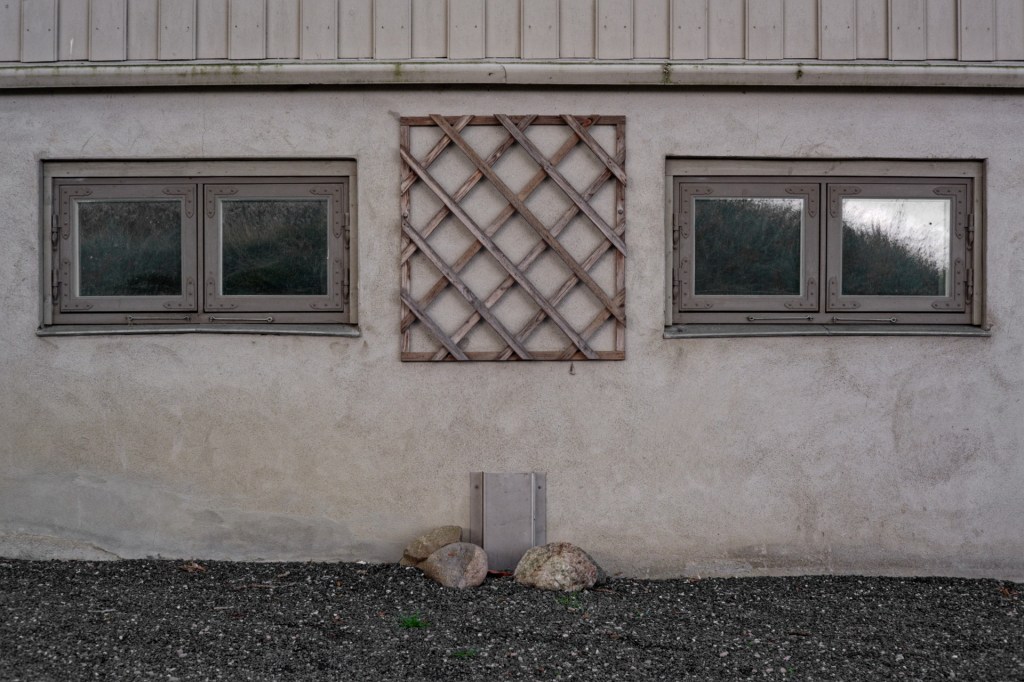
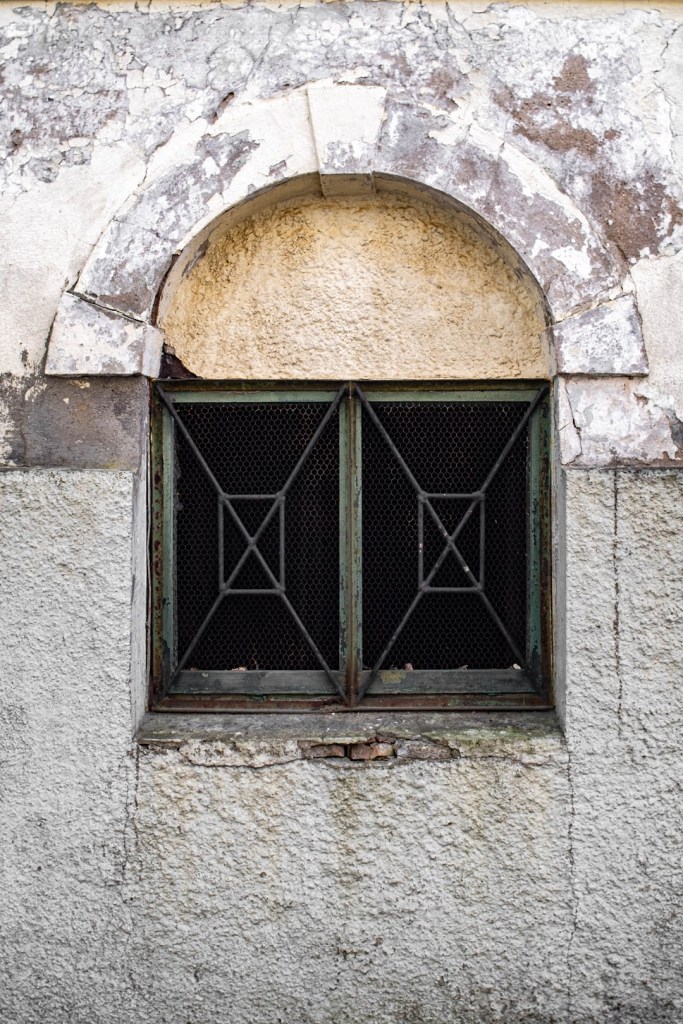
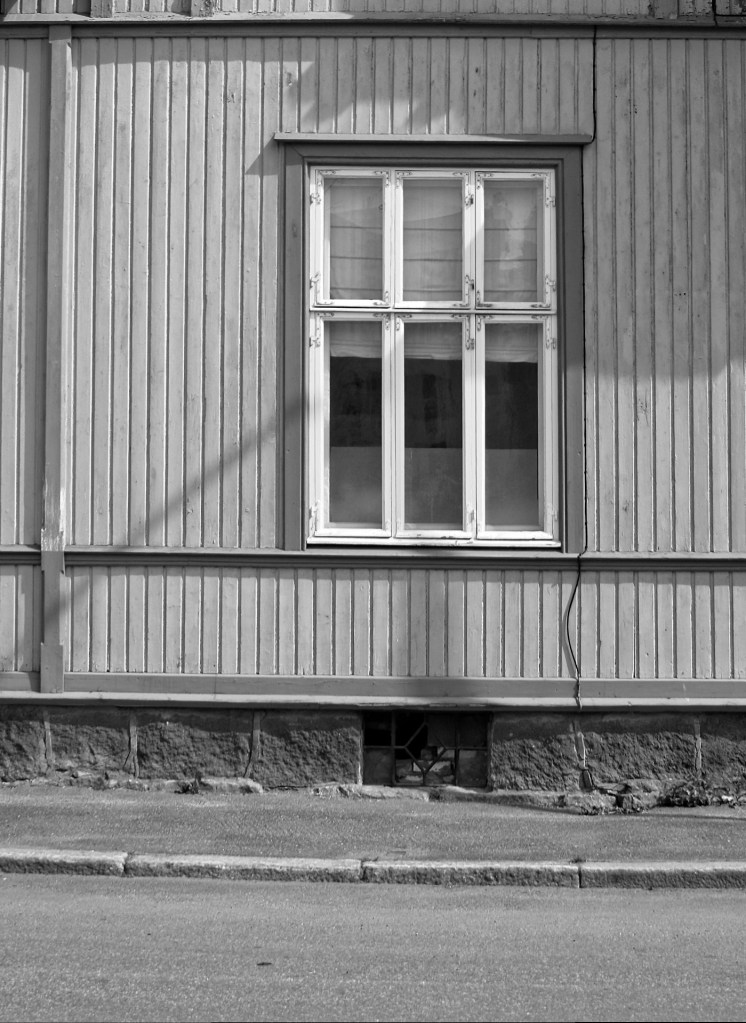
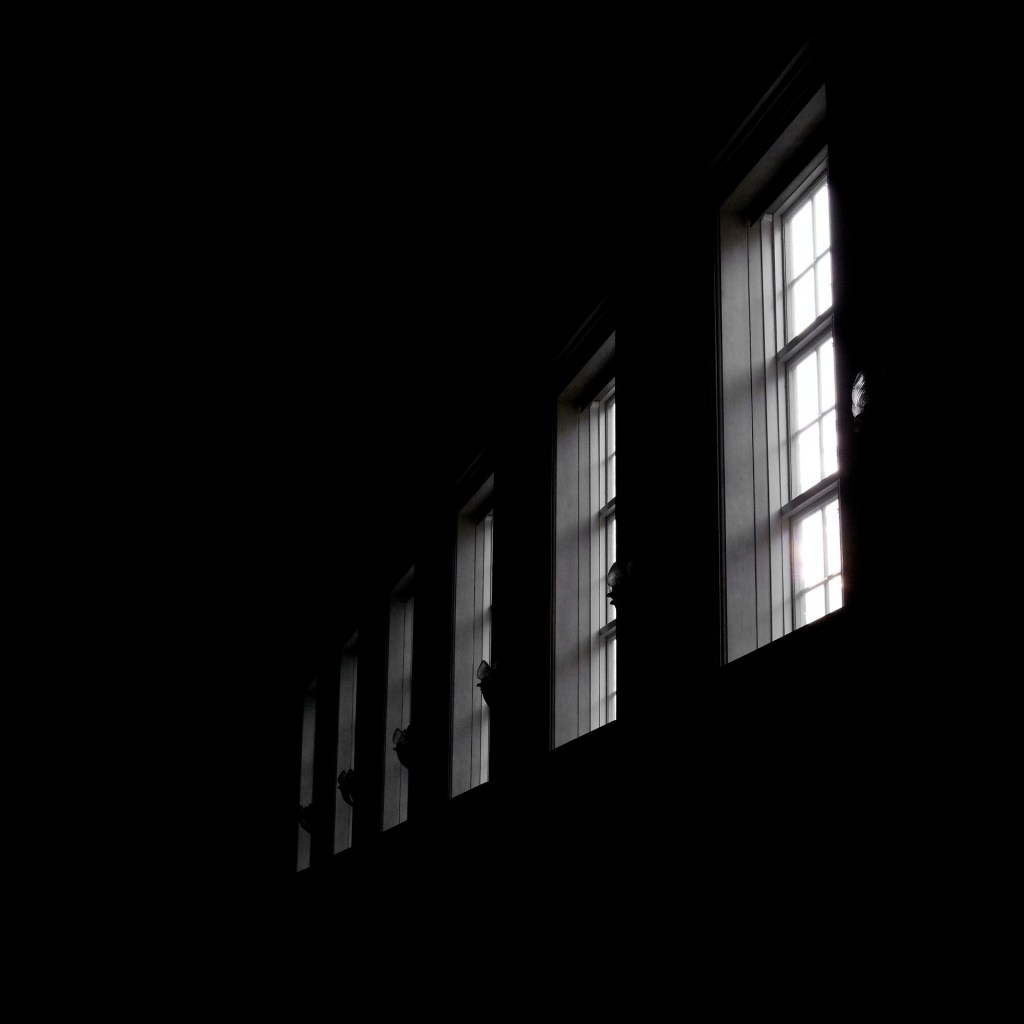
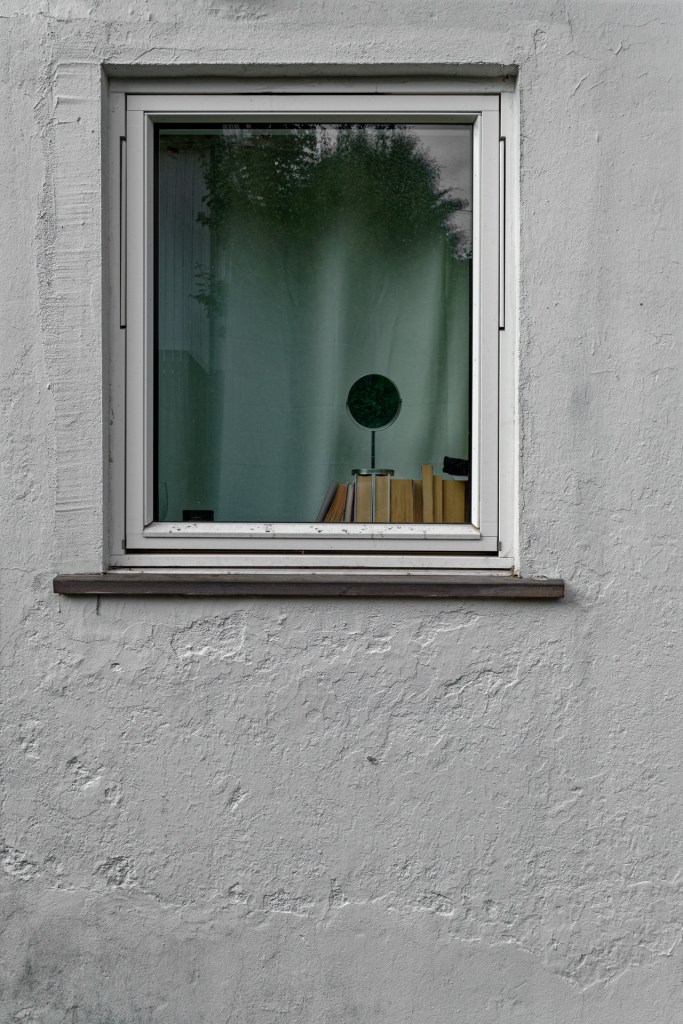
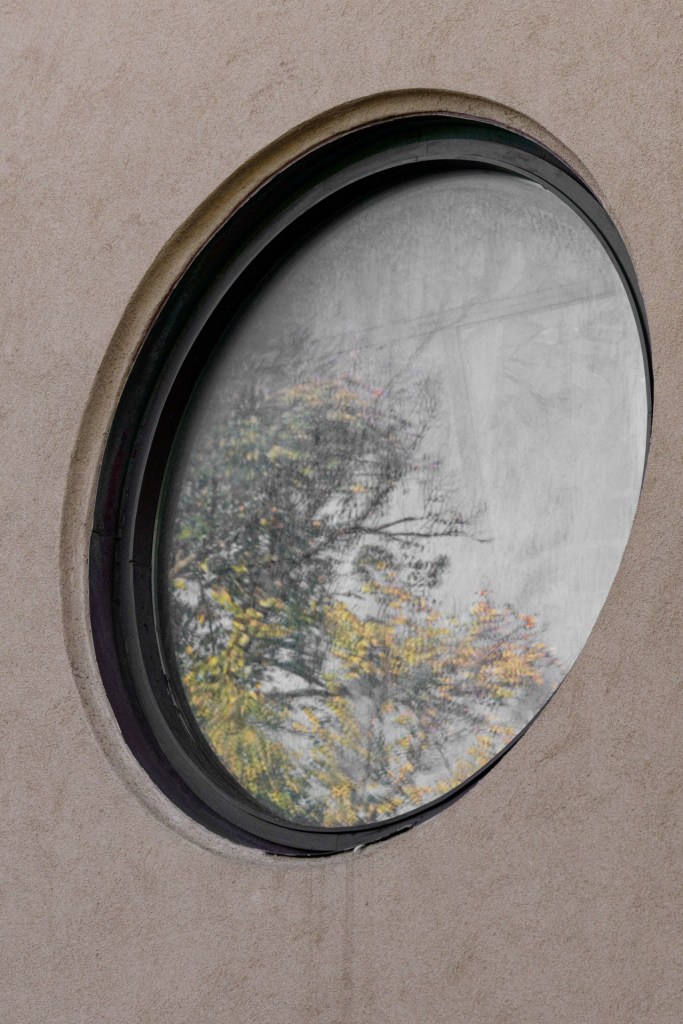
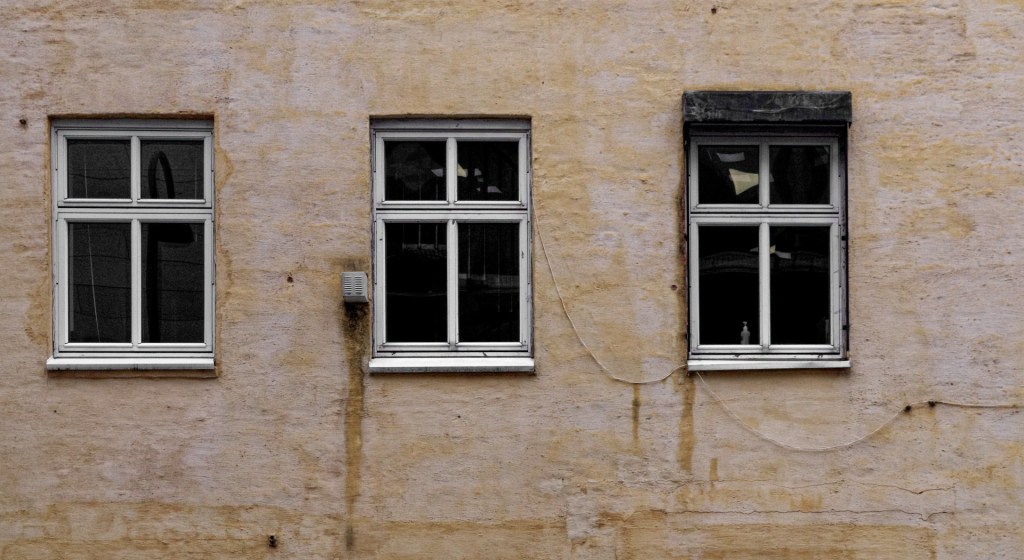
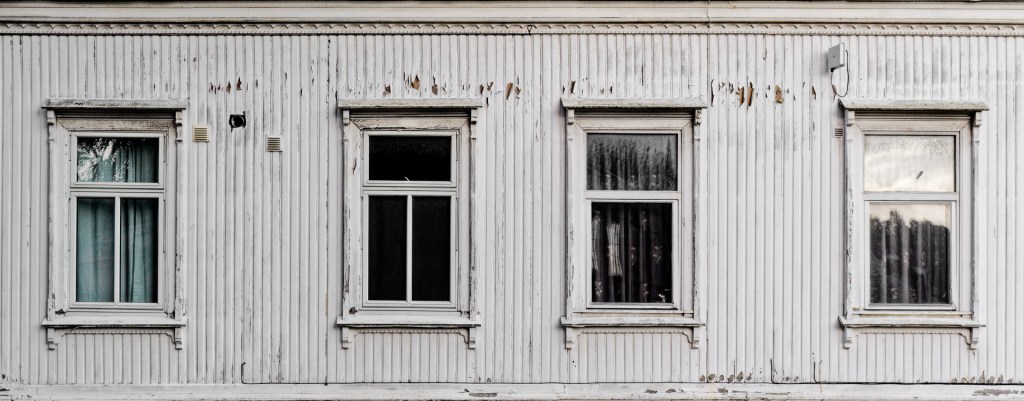
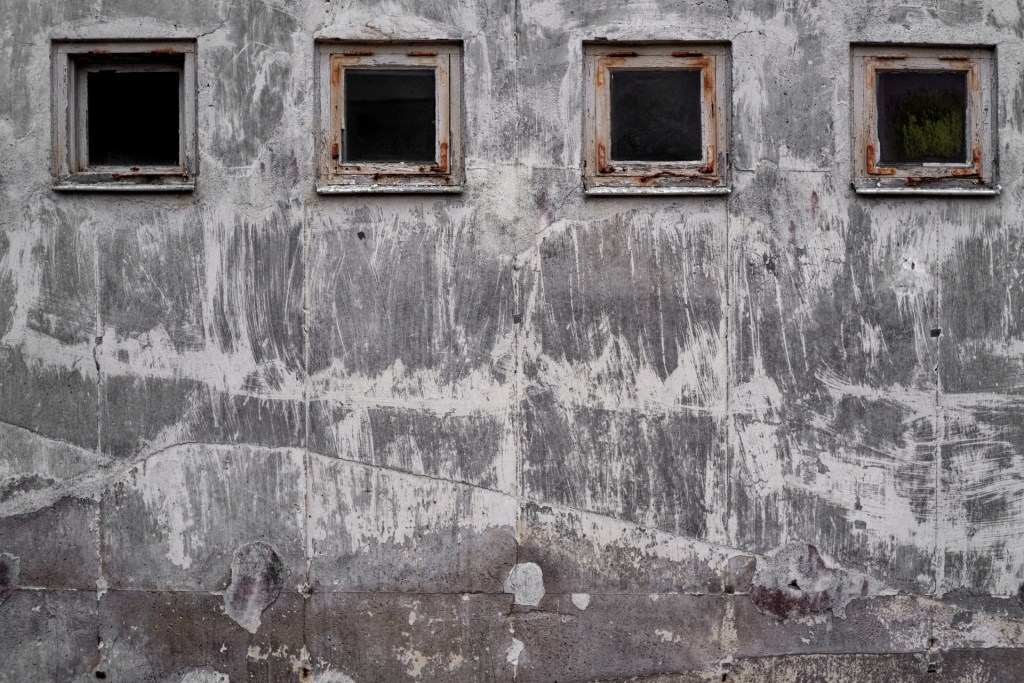
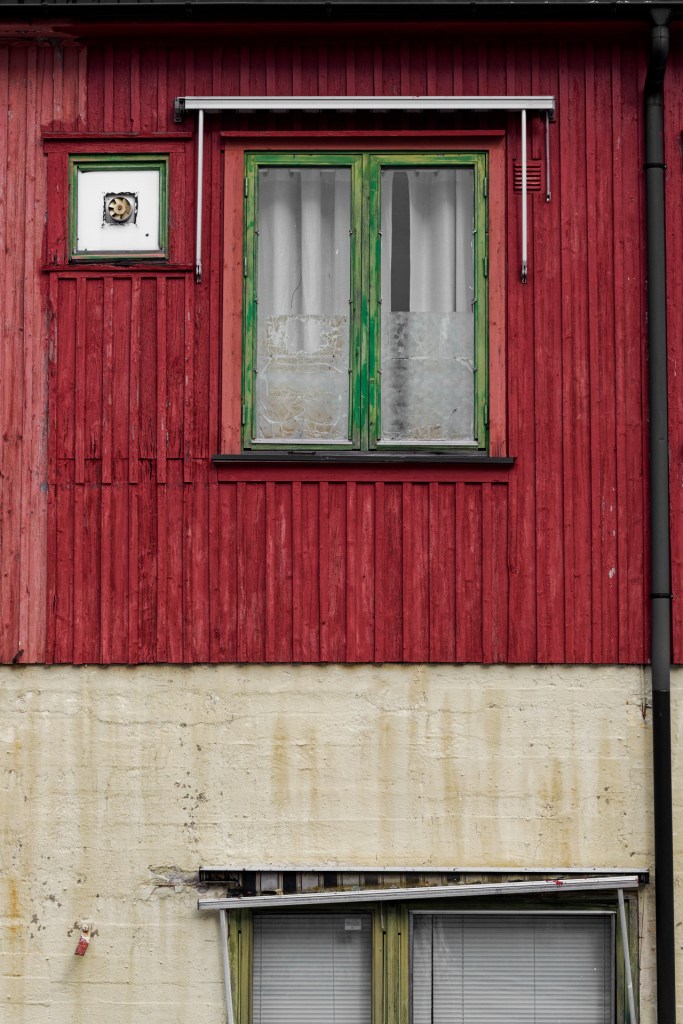
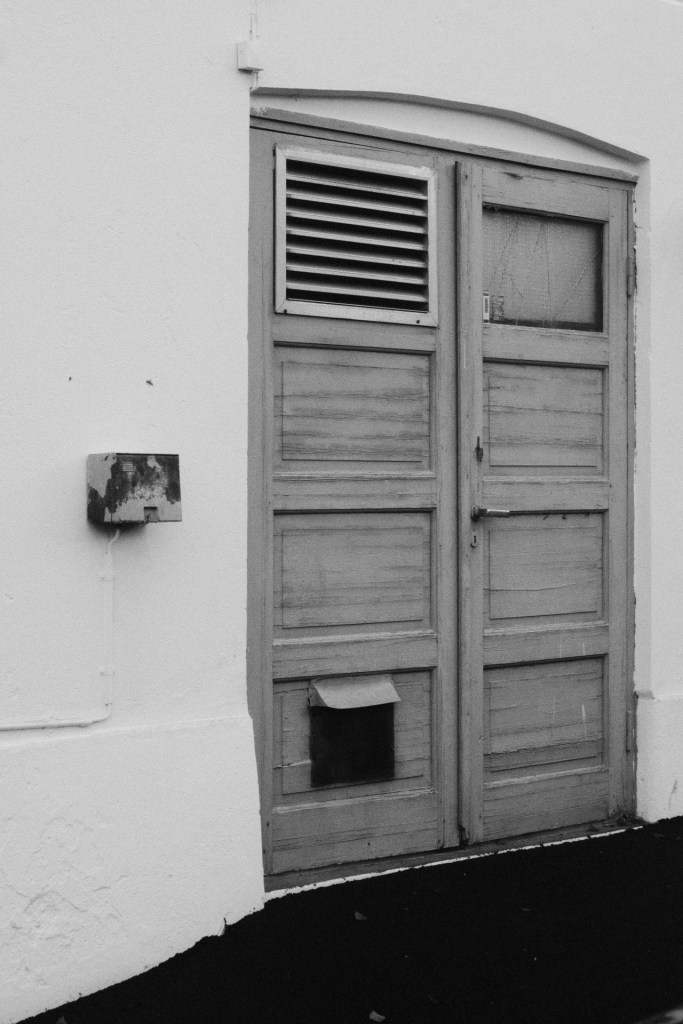
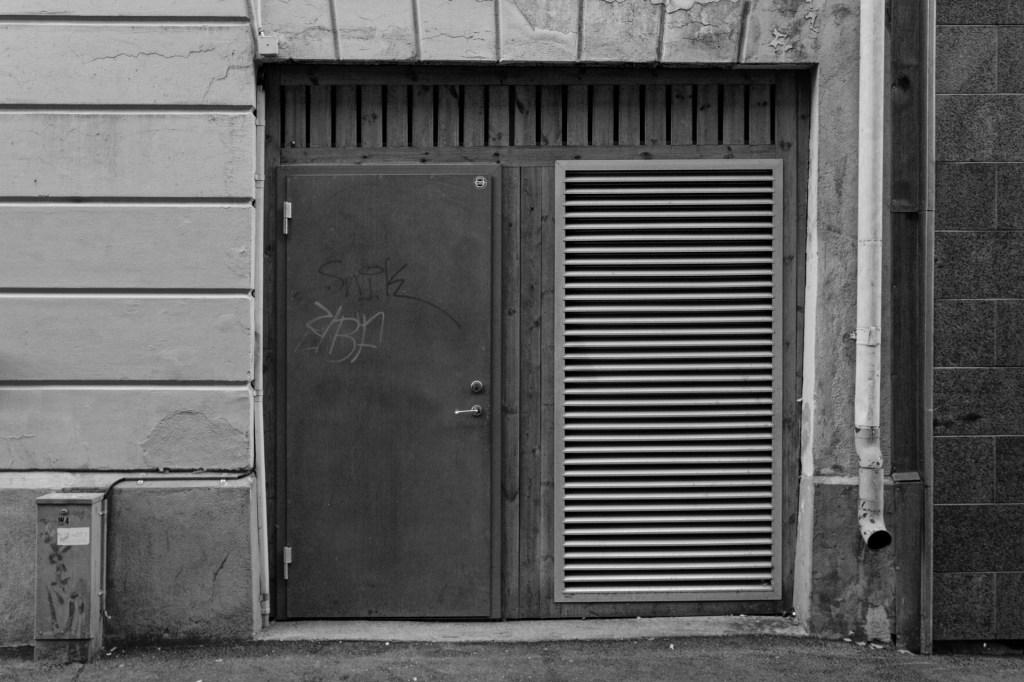
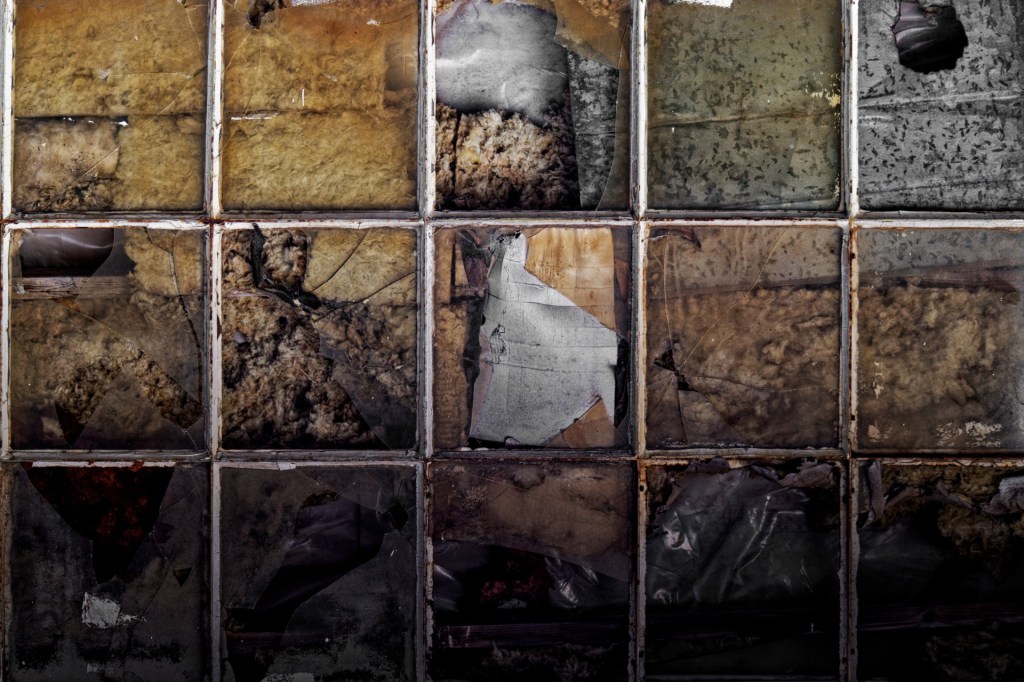
A collection of windows that may or may not open, but it’s unlikely I’ll be the one to open them as I simply walk by. However, if I turn around, here outside, it’s easy to imagine what one might see when looking through them from the inside. All of these were made in roughly the past 12 months, mostly in Fredrikstad.
Advice? I don’t have advice. Stop aspiring and start writing. If you’re writing, you’re a writer. Write like you’re a goddamn death row inmate and the governor is out of the country and there’s no chance for a pardon. Write like you’re clinging to the edge of a cliff, white knuckles, on your last breath, and you’ve got just one last thing to say, like you’re a bird flying over us and you can see everything, and please, for God’s sake, tell us something that will save us from ourselves. Take a deep breath and tell us your deepest, darkest secret, so we can wipe our brow and know that we’re not alone. Write like you have a message from the king. Or don’t. Who knows, maybe you’re one of the lucky ones who doesn’t have to.
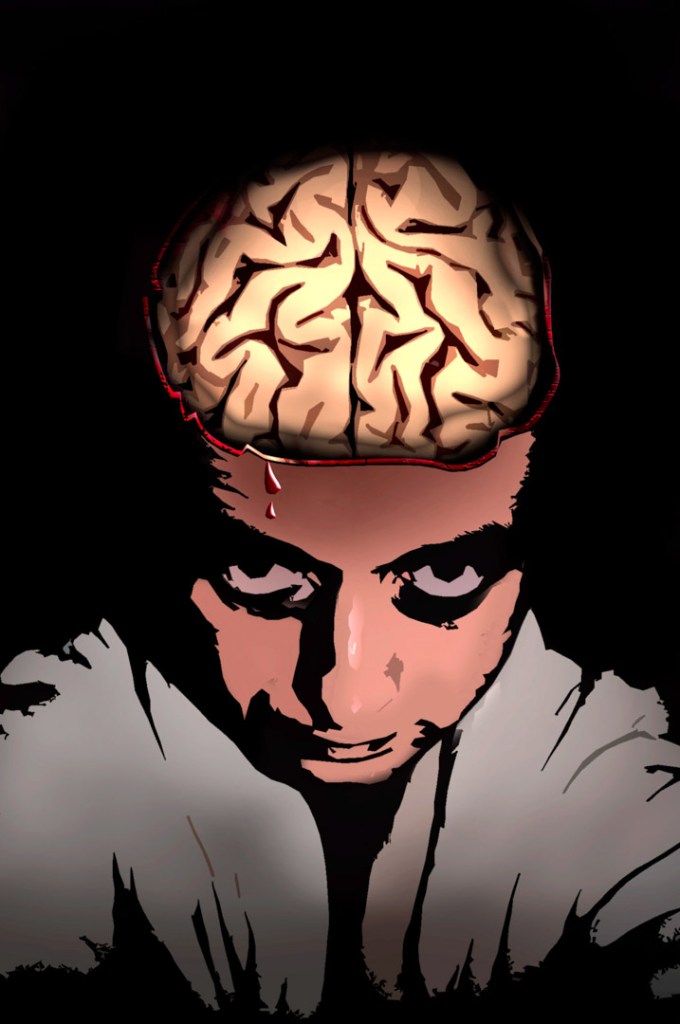
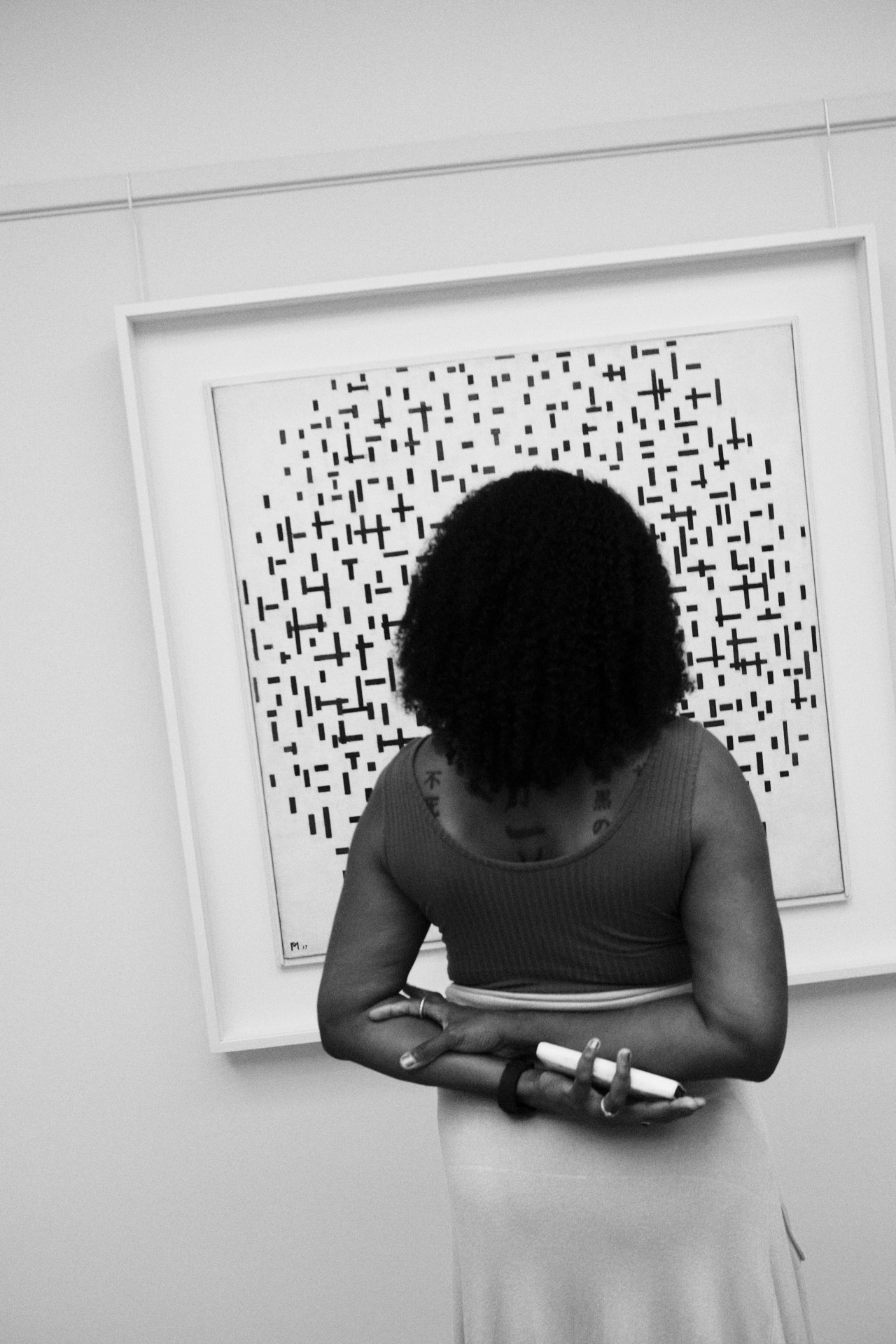
We don’t know much about ourselves, besides the story we have to tell. One thing in my life that stuck, and is not only remembered by me, is the idea that I thought, when I turned eighteen, that I would arrive in a world where finally rationality would rule. 35 years later, and I know by now that that was an illusion. I probably knew that already when I picked the candles of the cake, but now I am at a stage where I see rationality as a trade. It’s almost like something we do when it suits us. We can be rational, but we are not rational. The table underneath is a nice illustration of how we often feel as adults, but also how we often really are as adults. Look at the “leaders” who are in the news most often right now. They are not the strong figures we imagine they should be; they are little children who want what they cannot get, don’t care about the others, and feel themselves to be the centre of the world. I always had some sort of respect for people who enter the last quarter of their lives, but from what I see now, and maybe I will learn something new before I join that club that changes my mind, but till that happens, I will have no respect for age and so-called wisdom.
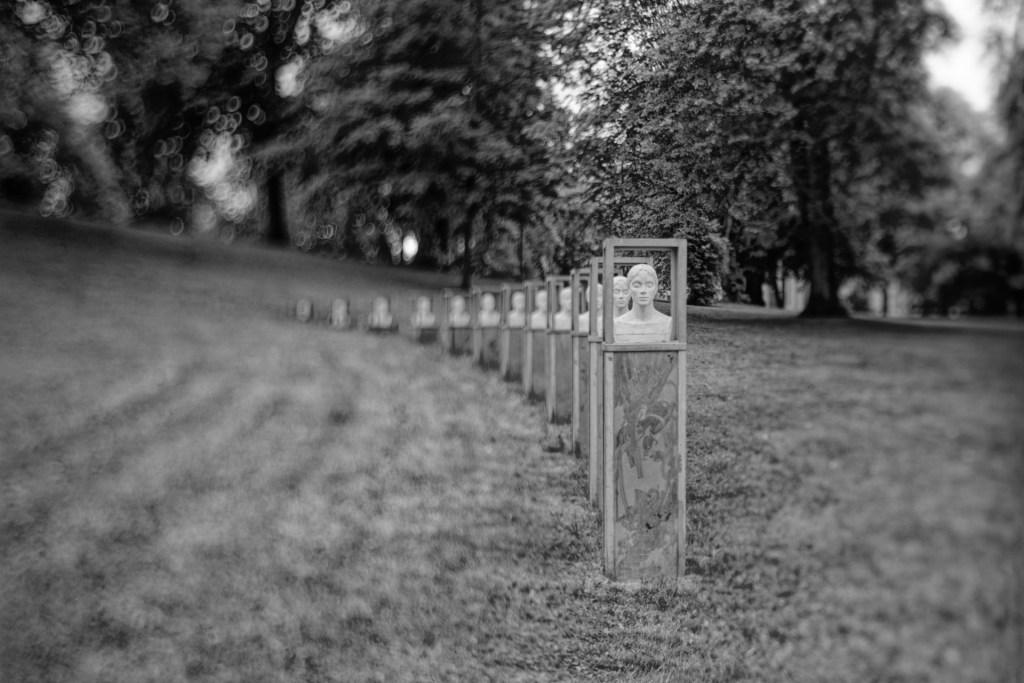
I predict that in 100,000 years, the historians will write about the period of the Sumerians til now only in a small note for the chapter about homo stupitites. I have to say that that idea gives me hope, that we all one day will be forgotten. I also wish I could have a sneak peek into that future society. I hope they’ve addressed the issue of the pressure we all feel to conform to “invisible” social norms, as most people are friendly and helpful when they’re not part of a group. Imagine if we ignored the world leaders we have today; they’d likely end up walking alone in a forest, shouting at squirrels.
422 Tragedy of childhood. -Not infrequently, it may happen that noble-minded and ambitious people have to undergo their hardest struggle during childhood: perhaps by having to maintain their convictions against a low-minded father given over to pretense and deceit or, like Lord Byron, by living in a continual struggle with a childish and wrathful mother. Anyone who has experienced something like this will never in his life get over knowing who has really been his greatest, most dangerous enemy.






















































































































































 Nochrisis