
I held power inside me
but they didn’t treat me
left the door open
and now I stand here

dirty
left behind
with only my head high
I held power inside me
but they didn’t treat me
left the door open
and now I stand here
dirty
left behind
with only my head high

From a distance I see a door
an opening to something new
a backdoor from where I stand
or maybe too small for a me

do I take the time that I have
to feel from up close this door
or turn away for a now
on the road I go
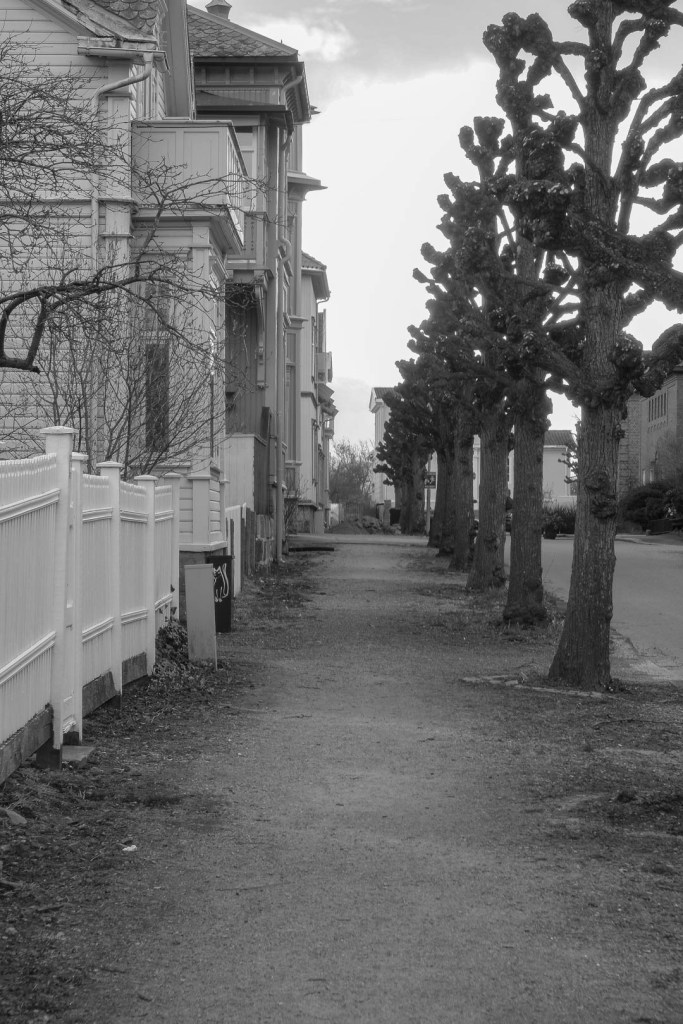
I walked through the old street
it brought me closer
but to what
16 There are still harmless self-observers who believe in the existence of “immediate certainties,” such as “I think,” or the “I will” that was Schopenhauer’s superstition: just as if knowledge had been given an object here to seize, stark naked, as a “thing-in-itself,” and no falsification took place from either the side of the subject or the side of the object. But I will say this a hundred times: “immediate certainty,” like “absolute knowledge” and the “thing in itself ” contains a contradictio in adjecto. For once and for all, we should free ourselves from the seduction of words! Let the people believe that knowing means knowing to the very end; the philosopher has to say: “When I dissect the process expressed in the proposition ‘I think,’ I get a whole set of bold claims that are difficult, perhaps impossible, to establish, – for instance, that I am the one who is thinking, that there must be something that is thinking in the first place, that thinking is an activity and the effect of a being who is considered the cause, that there is an ‘I,’ and finally, that it has already been determined what is meant by thinking, – that I know what thinking is. Because if I had not already made up my mind what thinking is, how could I tell whether what had just happened was not perhaps ‘willing’ or ‘feeling’? Enough: this ‘I think’ presupposes that I compare my present state with other states that I have seen in myself, in order to determine what it is: and because of this retrospective comparison with other types of ‘knowing,’ this present state has absolutely no ‘immediate certainty’ for me.” – In place of that “immediate certainty” which may, in this case, win the faith of the people, the philosopher gets handed a whole assortment of metaphysical questions, genuinely probing intellectual questions of conscience, such as: “Where do I get the concept of thinking from? Why do I believe in causes and effects? What gives me the right to speak about an I, and, for that matter, about an I as cause, and, finally, about an I as the cause of thoughts?” Whoever dares to answer these metaphysical questions right away with an appeal to a sort of intuitive knowledge, like the person who says: “I think and know that at least this is true, real, certain” – he will find the philosopher of today ready with a smile and two question-marks. “My dear sir,” the philosopher will perhaps give him to understand, “it is improbable that you are not mistaken: but why insist on the truth?”

You tell me your name
but I don’t see you

you are around
but not yet where I am

I know you now
and soon we meet
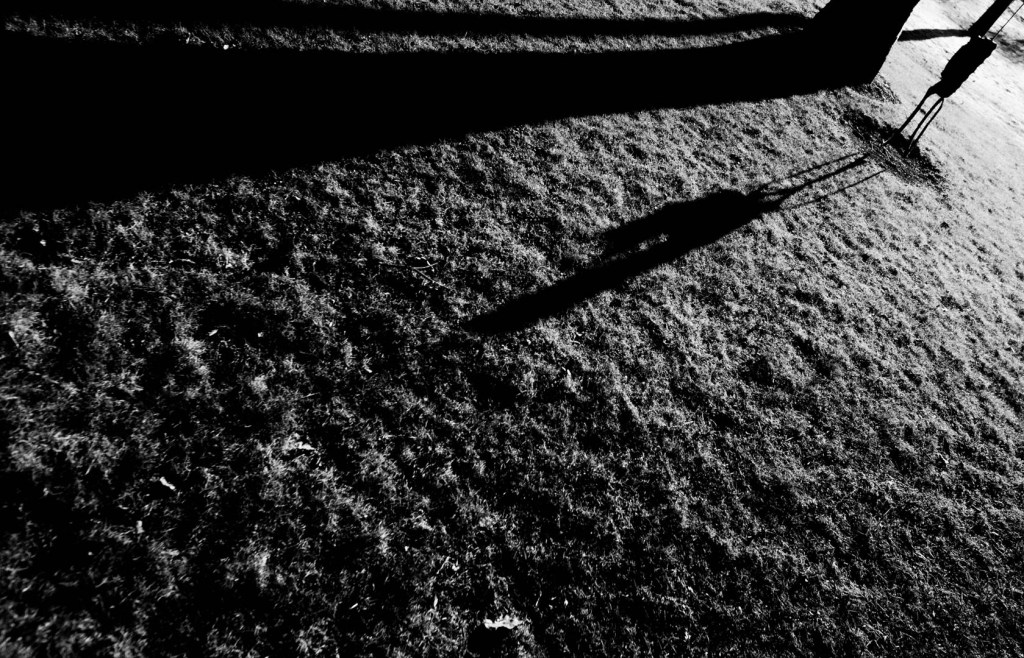
I see a distorted
stretched depiction
of a you hanging

standing

It's my own darkness
that defines

Sometimes
you have to start at the beginning
somewhere
halfway
1 We are unknown to ourselves, we men of knowledge and with good reason. We have never sought ourselves, how could it happen that we should ever find ourselves? It has rightly been said: “Where your treasure is, there will your heart be also”; our treasure is where the beehives of our knowledge are. We are constantly making for them, being by nature winged creatures and honeygatherers of the spirit; there is one thing alone we really care about from the heart “bringing something home.” Whatever else there is in life, so-called experiences”-which of us has sufficient earnestness for them? Or sufficient time? Present experience has, I am afraid, always found us “absent-minded”: we cannot give our hearts to it-not even our ears! Rather, as one divinely preoccupied and immersed in himself into hose ear the bell has just boomed with all its strength the twelve beats of noon suddenly starts up and asks himself: “what really was that which just struck?” so we sometimes rub our ears afterward and ask, utterly surprised and disconcerted, “what really was that which we have just experienced?” and moreover: “who are we really?” and, afterward as aforesaid, count the twelve trembling bell-strokes of our experience, our life, our being-and alas! miscount them. So we are necessarily strangers to ourselves, we do not comprehend ourselves, we have to misunderstand ourselves, for us the law “Each is furthest from himself · applies to aur eternity-we are not “men of knowledge” with respect to ourselves.
My monster lies silent
in my imagination

it doesn’t wake
but pretends to

when I see it
looking at me
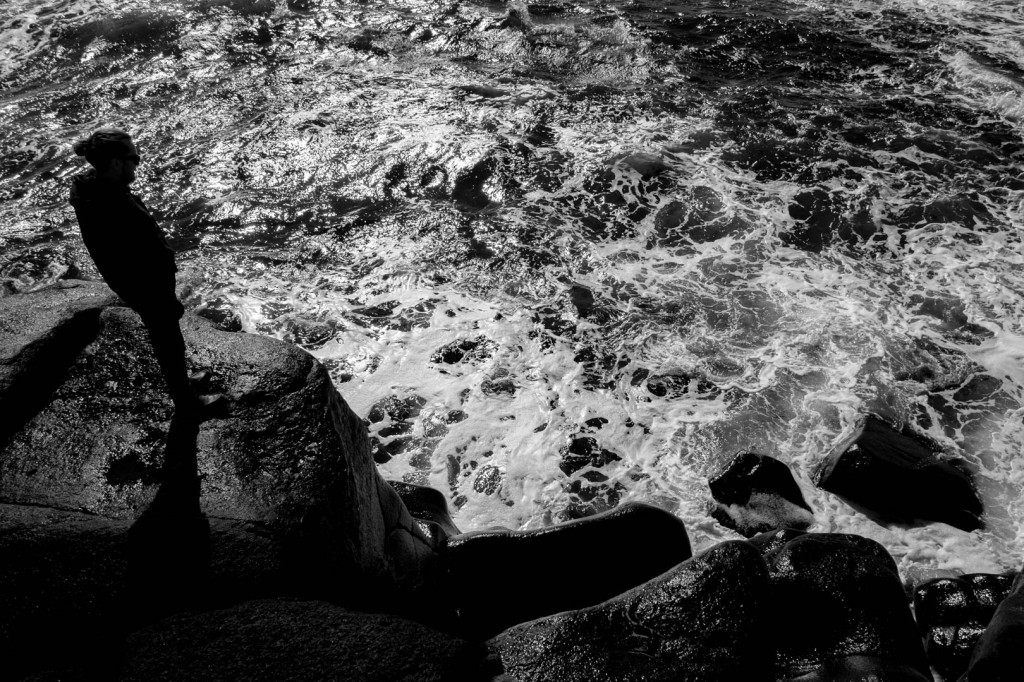
I can stare
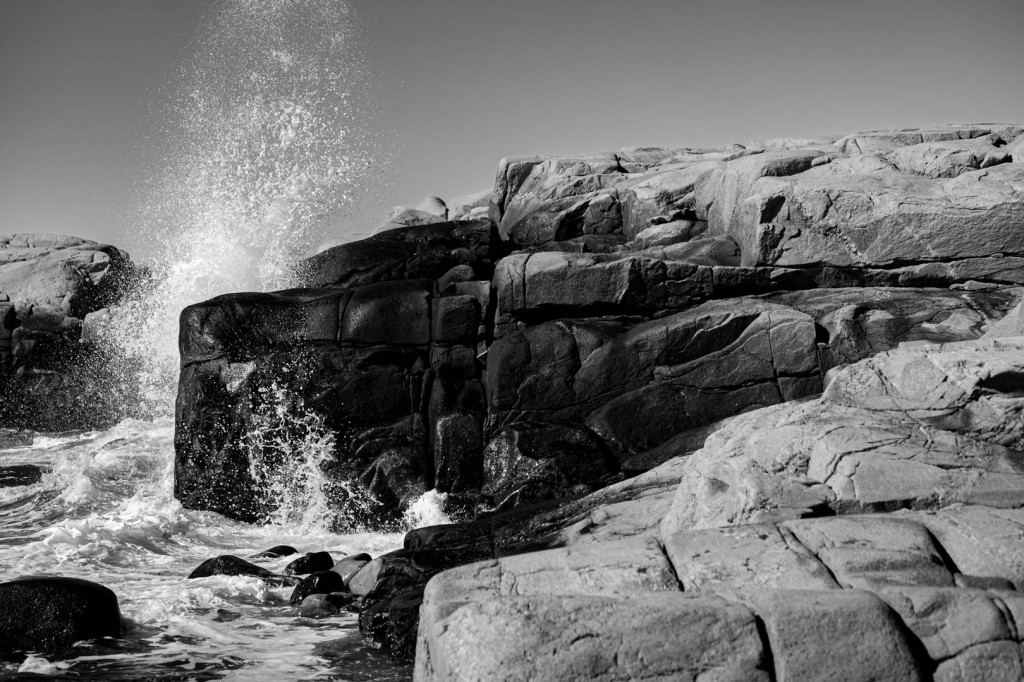
at the power of the waves
crashing forever

I don’t know what it is
maybe it is a reminder
of where we all come from

what more
is millions of years old
within us
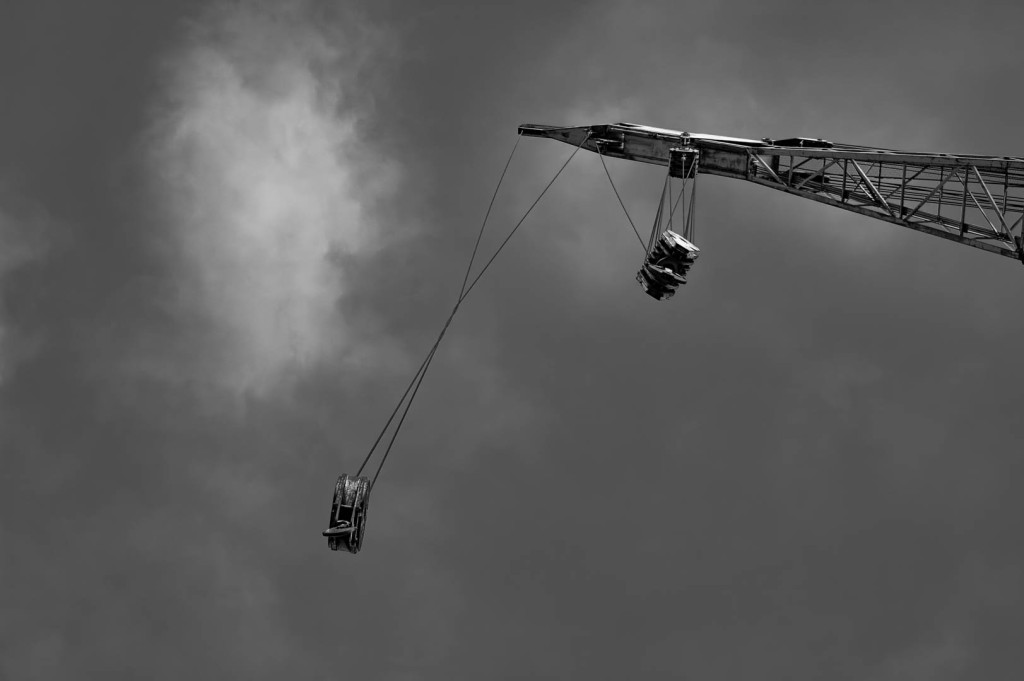
I want to get up there
I try to reach the hook
from the crane that is not tall enough.

Is that just hope
stupidity
or both

11 Popular morality and popular medicine. – The morality which prevails in a community is constantly being worked at by everybody: most people produce example after example of the alleged relationship between cause and effect, between guilt and punishment, confirm it as well founded and strengthen their faith: some observe actions and their consequences afresh and draw conclusions and laws from their observations: a very few take exception here and there and thus diminish faith on these points. – All, however, are at one in the wholly crude, unscientific character of their activity; whether it is a matter of producing examples, making observations or taking exception, whether it is a matter of proving, confirming, expressing or refuting a law – both material and form are worthless, as are the material and form of all popular medicine. Popular medicine and popular morality belong together and ought not to be evaluated so differently as they still are: both are the most dangerous pseudosciences.

I lost all of my gauges
but it seems
you don’t need them
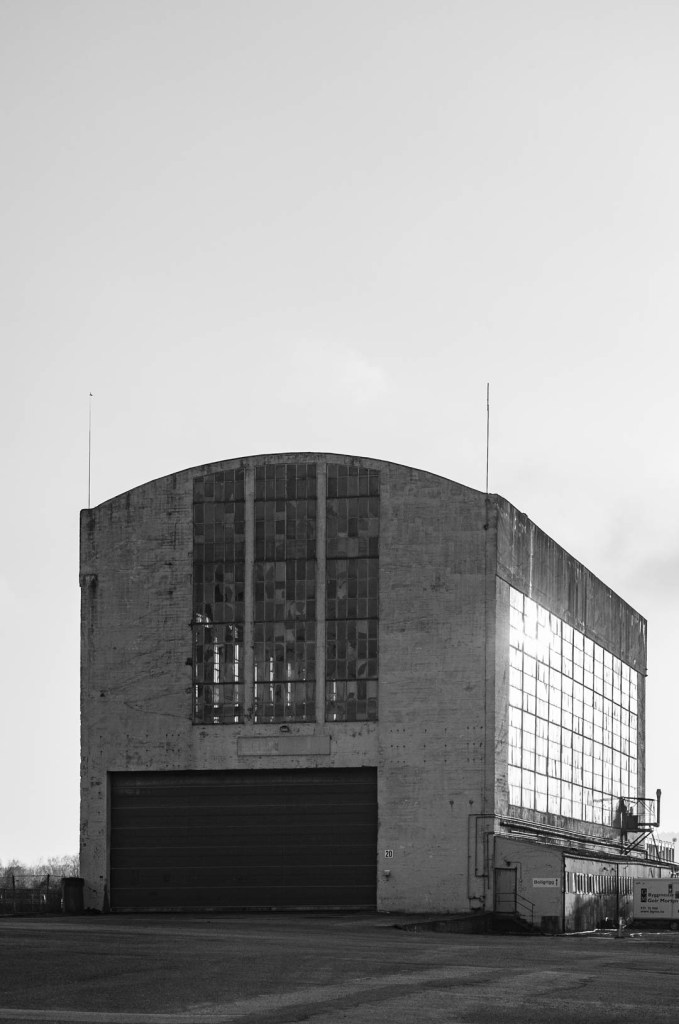
Losing a belief in free will has not made me fatalistic, in fact, it has increased my feelings of freedom. My hopes, fears, and neuroses seem less personal and indelible. There is no telling how much I might change in the future. Just as one wouldn’t draw a lasting conclusion about oneself on the basis of a brief experience of indigestion, one needn’t do so on the basis of how one has thought or behaved for vast stretches of time in the past. A creative change of inputs to the system—learning new skills, forming new relationships, adopting new habits of attention—may radically transform one’s life.

I wonder the doors
where they are in me
if I could open
if I am already been
in the other room

Do I even have a key
or a choice
If I hadn’t spent so much time studying Earthlings,” said the Tralfamadorian, “I wouldn’t have any idea what was meant by ‘free will.’ I’ve visited thirty-one inhabited planets in the universe, and I have studied reports on one hundred more. Only on Earth is there any talk of free will. Kurt Vonnegut, Slaughterhouse-Five

I open the door
because it is a door

the world is simple
and hard
to understand
Every singular thing, or anything which is finite and has a determinate existence, can neither exist nor be determined to produce an effect unless it is determined to exist and produce an effect by another cause, which is also finite and has a determinate existence; and again, this cause can neither exist nor be determined to produce an effect unless it is determined to exist and produce an effect by another, which is also finite and has a determinate existence, and so on, to infinity. Spinoza

I am determined
to throw this rock
through those windows
The great paradox of determinism and free will, which has held the attention of the wisest of philosophers and psychologists for generations, can be phrased in more biological terms as follows: If our genes are inherited, and our environment is a train of physical events set in motion before we were born, how can there be a truly independent agent within the brain? The agent itself is created by the interaction of the genes and the environment. It would appear that our freedom is only a self delusion. E.O. Wilson
https://en.wikipedia.org/wiki/E._O._Wilson
 Nochrisis