
Friedrich Nietzsche
The Gay Science
Even the most beautiful scenery is no longer assured of our love after we have lived in it for three months, and some distant coast attracts our avarice: possessions are generally diminished by possession…
Even the most beautiful scenery is no longer assured of our love after we have lived in it for three months, and some distant coast attracts our avarice: possessions are generally diminished by possession…

On this picture you see
something you have used
without knowing

this is probably
one of the many things you have used
without knowing
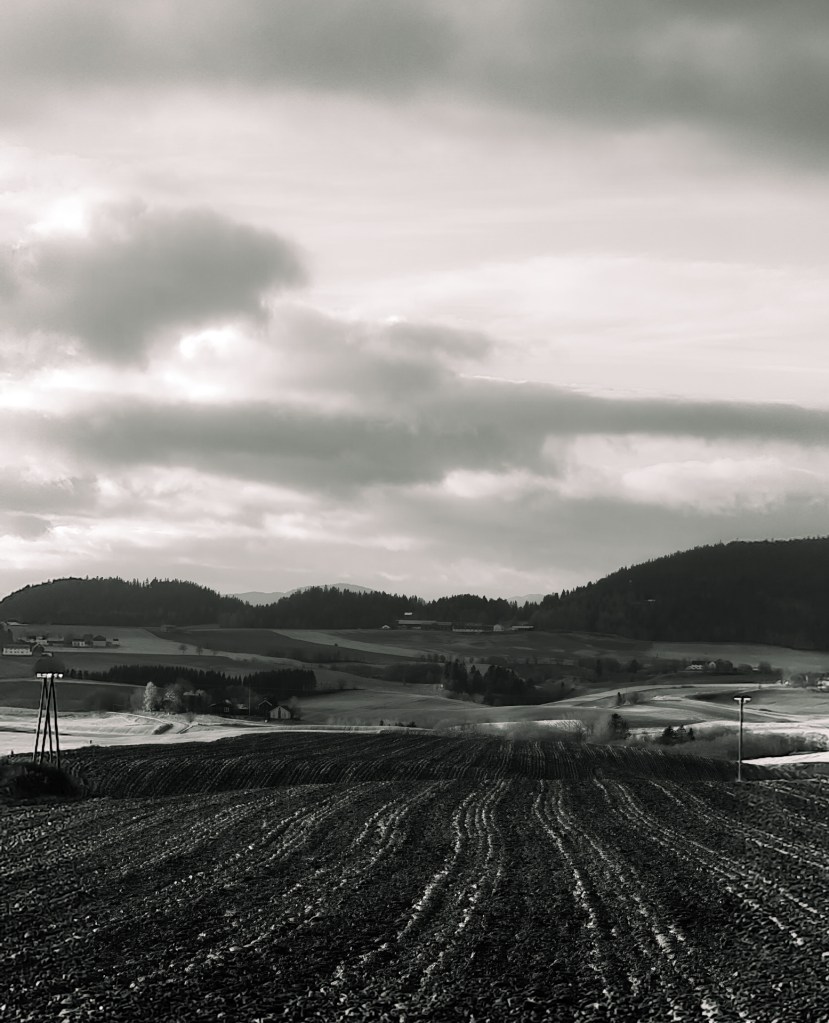
You would think that a straight line is the best
to get from here to there

but once you make a mistake
a slight distraction
a deviation

you will always
pass that place again
on your return
or next year
slightly distracted
the same

Don't forget
ones you're opened up
and enjoy the view
to look inside

I see different cages
from the inside or outside
every year

every year they change
and also stay the same
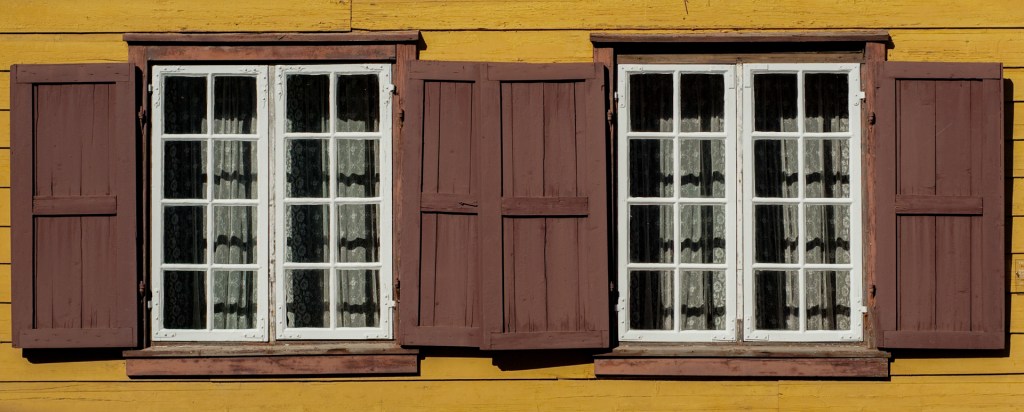
I attended a lecture about how we, as humans and groups, make choices. Part of the discussion afterward was about the different ways we make decisions.
Because I didn’t want to spend too much time on my post, I looked for a fitting quote by my favorite philosopher. The funny thing is that I found two versions of the quote that I wanted to use, and they translated the German word empfindungen into sensations and feelings. Feelings are sensations, but a sensation is not always a feeling… I don’t know if that makes sense.
For me, as a non-English speaker, they seemed to be slightly different. You can decide for yourself, but the quote’s meaning changes quite a bit for me, depending on what translation I use. I guess that the translators used their knowledge of what Nietzsche might mean because you can use both words to translate it according to the dictionary. It depends on the sentence which one you use. In the Dutch translation, they used the word ervaringen, which is usually translated to English as experiences, I guess that covers both the other translations.
I just wanted to share this experience of finding a quote about how we come to our thoughts and stumble on different thoughts about translating the text.
The quote is from:
-Thoughts are the shadows of our sensations – always darker, emptier, simpler. Translated by Jesefine Nauckhoff, 1974
-Thoughts are the shadows of our feelings always darker, emptier and simpler. Translated by Walter Kaufman, 2001
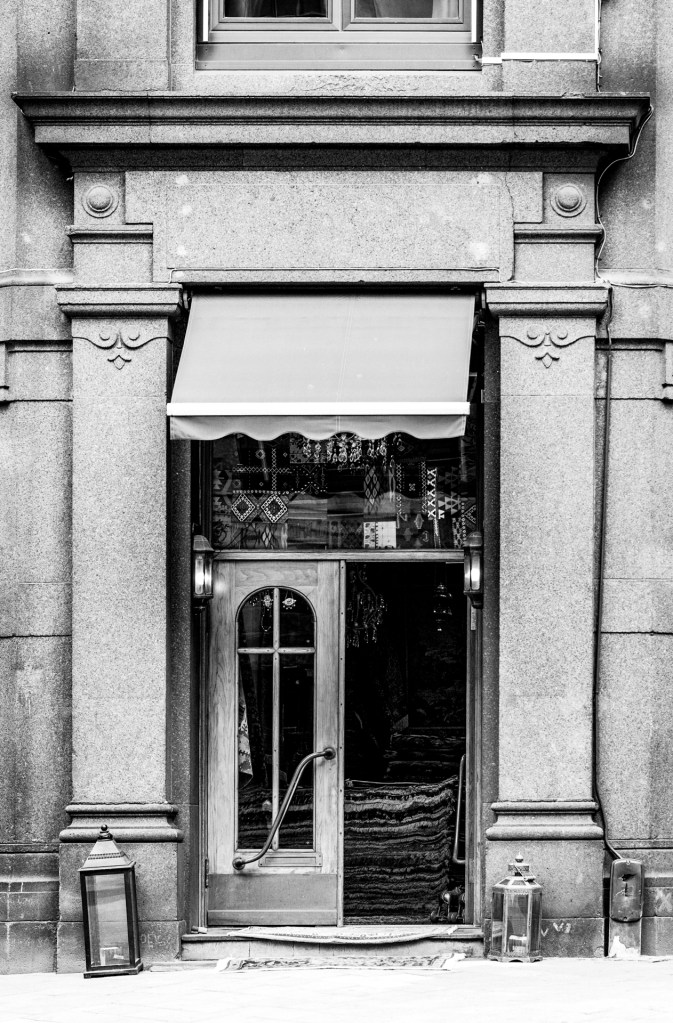
Today I was working on the door in the local library. It’s an old door, and my poetic mind liked the idea of me restoring the entrance to a lot of knowledge, being an amateur philosopher and all. In front of the library were some evangelicals selling god to people passing by; better get them before they learn something, you might say. While watching this scene of knowledge and ignorance, I was listening to a BBC documentary where an ex-prostitute talked about her life. At one point, she said that a young girl trafficked into prostitution is factually raped 20 (twenty) times in an evening… for several years… every evening… After realizing what I had just heard, I refrained from complaining about a tooth that hurts and from asking these lovely God-loving people why their boss agreed with these pimps or at least hands them all kinds of excuses and ways to ignore this kind of injustice.
Ones home I did go into my library to find some comfort. To read something, from someone much wiser than me to comfort me. The downside of philosophy as a hobby is that all your playmates are long dead or unreachable; only through reading their books can you come close.
Bertrand Russell
Why I Am Not a Christian and Other Essays on Religion and Related Subjects
“That is the idea — that we should all be wicked if we did not hold to the Christian religion. It seems to me that the people who have held to it have been for the most part extremely wicked. You find this curious fact, that the more intense has been the religion of any period and the more profound has been the dogmatic belief, the greater has been the cruelty and the worse has been the state of affairs. In the so-called ages of faith, when men really did believe the Christian religion in all its completeness, there was the Inquisition, with all its tortures; there were millions of unfortunate women burned as witches; and there was every kind of cruelty practiced upon all sorts of people in the name of religion.

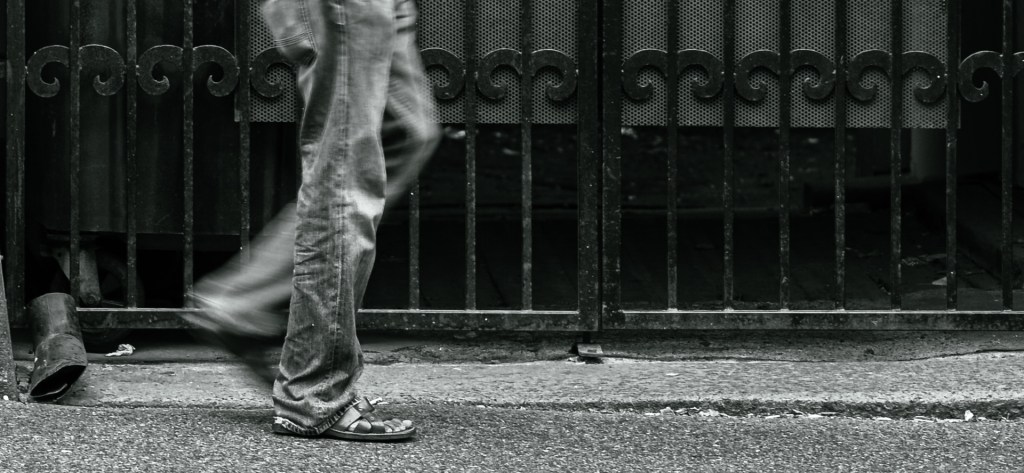
The miracle of a lonely street in a busy city

There was only one thing
that I wanted from up there

but I got dizzy looking up
towards that structure
and declined
to climb it
177 Learning solitude. – 0 you poor devils in the great cities of world politics, you gifted young men tormented by ambition who consider it your duty to pass some comment on everything that happens- and there is always something happening! Who when they raise the dust in this way think they are the chariot of history! Who, because they are always on the alert, always on the lookout for the moment when they can put their word in, lose all genuine productivity! However much they may desire to do great work, the profound speechlessness of pregnancy never comes to them! The event of the day drives them before it like chaff, while they think they are driving the event – poor devils! – If one wants to represent a hero on the stage one must not think of making one of the chorus, indeed one must not even know how to make one of the chorus.

Standing alone
we can feel out of place
but looking back or from a distance
we can see that we fit right in
with our surrounding

or

when too close to reality
one can not see where it starts or ends

The stranger I work with questioned me after discovering that life, according to me, has no purpose. “So life has no meaning, you say. And you come to this conclusion through philosophy? So if you look for meaning in life, it is better not to do philosophy?”
I replied. “Well, I said that life has no purpose in the sense that there is no goal where we have to work to like a heaven or an endpoint in our evolution. In general, life also has no meaning, but it is easier to give your life or a period of your life a meaning. A good meaning for you might be razing a family, it’s something that comes naturally and doesn’t need much debating, but it is harder to find the purpose for raising a family. And indeed, philosophy has helped me reach this insight. It did not tell me literally what to think; it more or less made the thoughts I already had more explicit. Doing philosophy is like doing a sport or playing an instrument. The more you do it, the better you can get at it, even if you have little talent. Everybody can do philosophy in the way we can all play football or the piano, but if you practice it, you will get better at it.
The stranger asked, “so you think you understand life better than me because you read a couple of books?”
Me, “ I don’t know if I understand it better, and I think the most significant difference between you and me is that I can probably talk more elaborately about what I believe. Maybe you have a better gut feeling, but you said earlier that what you think hasn’t changed for years, and most of it comes from your upbringing. You have been standing still and haven’t played, so to say”
The stranger asked, “but what is wrong with that?”
To be continued…

What disturbs and depresses young people is the hunt for happiness on the firm assumption that it must be met with in life. From this arises constantly deluded hope and so also dissatisfaction. Deceptive images of a vague happiness hover before us in our dreams, and we search in vain for their original. Much would have been gained if, through timely advice and instruction, young people could have had eradicated from their minds the erroneous notion that the world has a great deal to offer them.
Arthur Schopenhauer
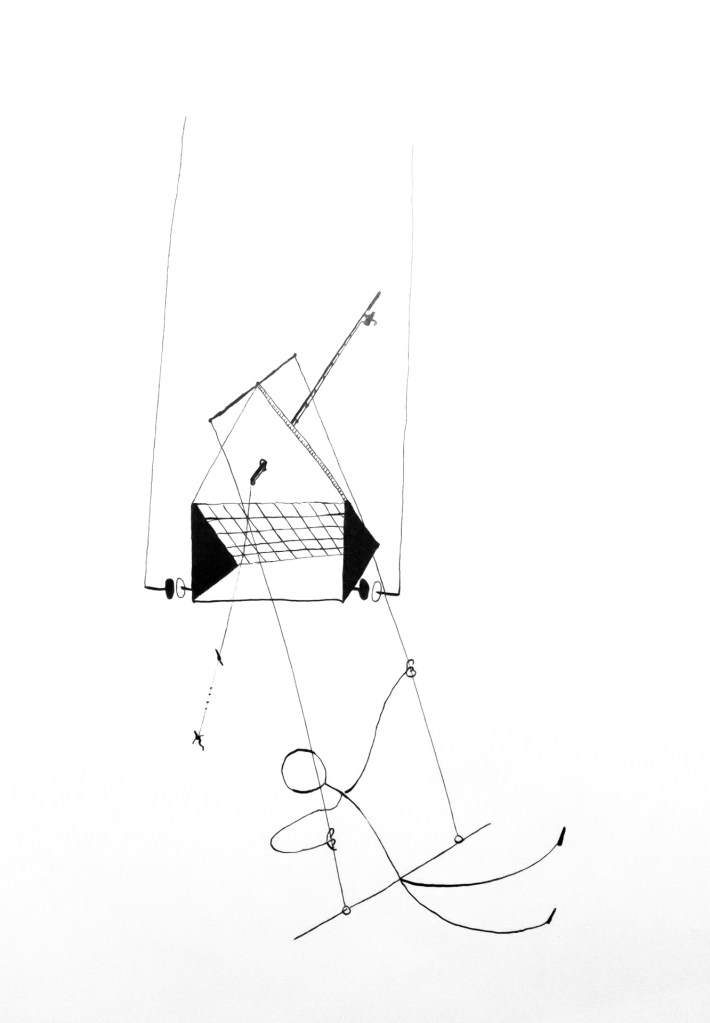
From day
today I swing
back and forth
myself and movement
hand in hand

the wind in our hair distracts
so pleasant
but still
we don’t know
from what


Drawing 1998
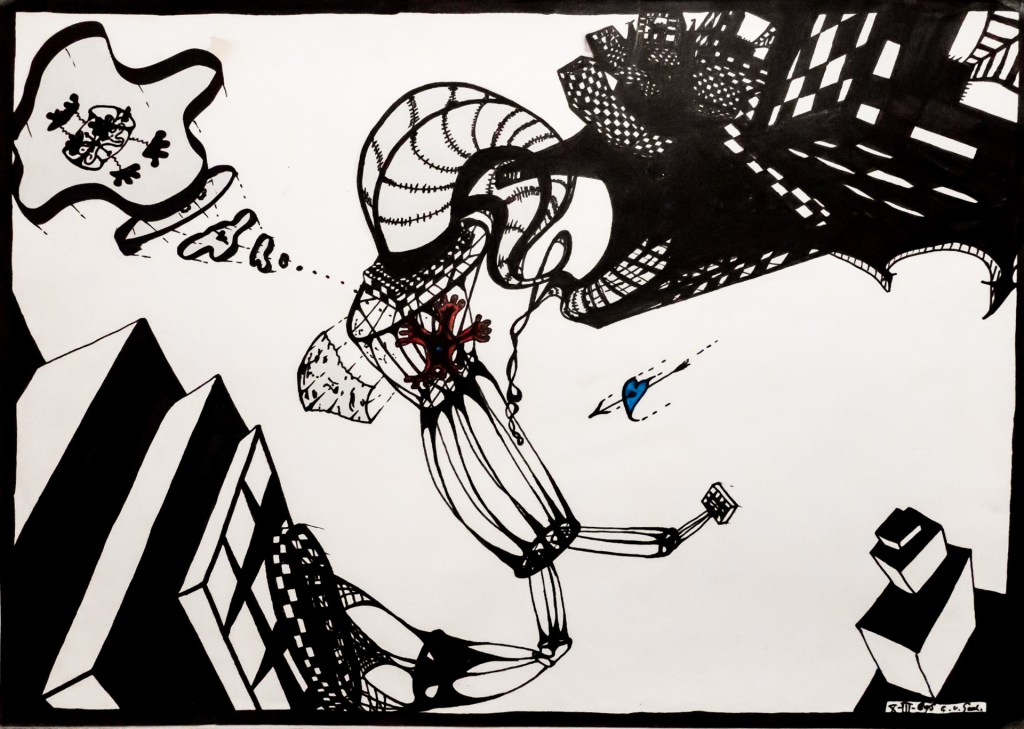
An enormous mindbuilding
dragging behind your cage

your face lost
your heart arriving

the jump far
the landing there


Drawing by me, 1998
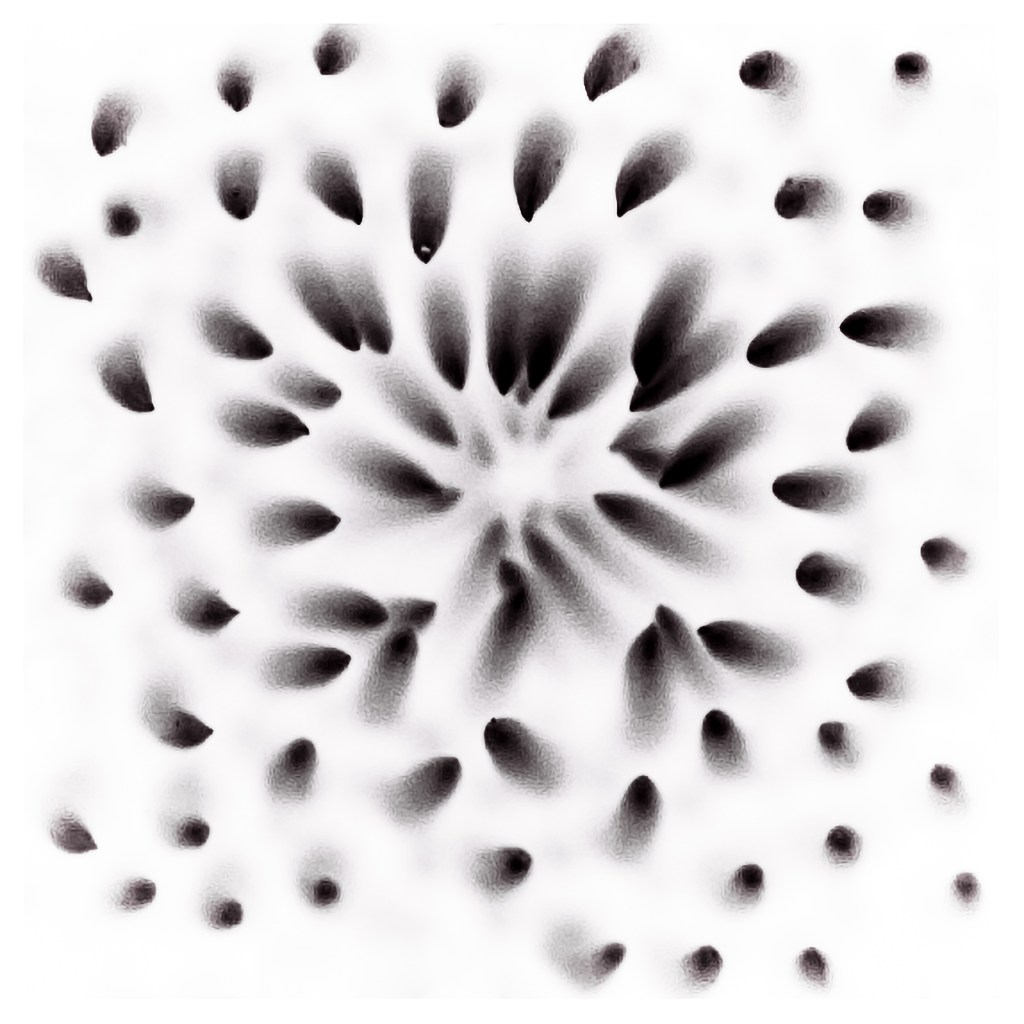
In nature we see a pattern without order
not only because our nature sees patterns
but also
we have little order
 Nochrisis