
Symmetry
natures neuroses
Symmetry
natures neuroses
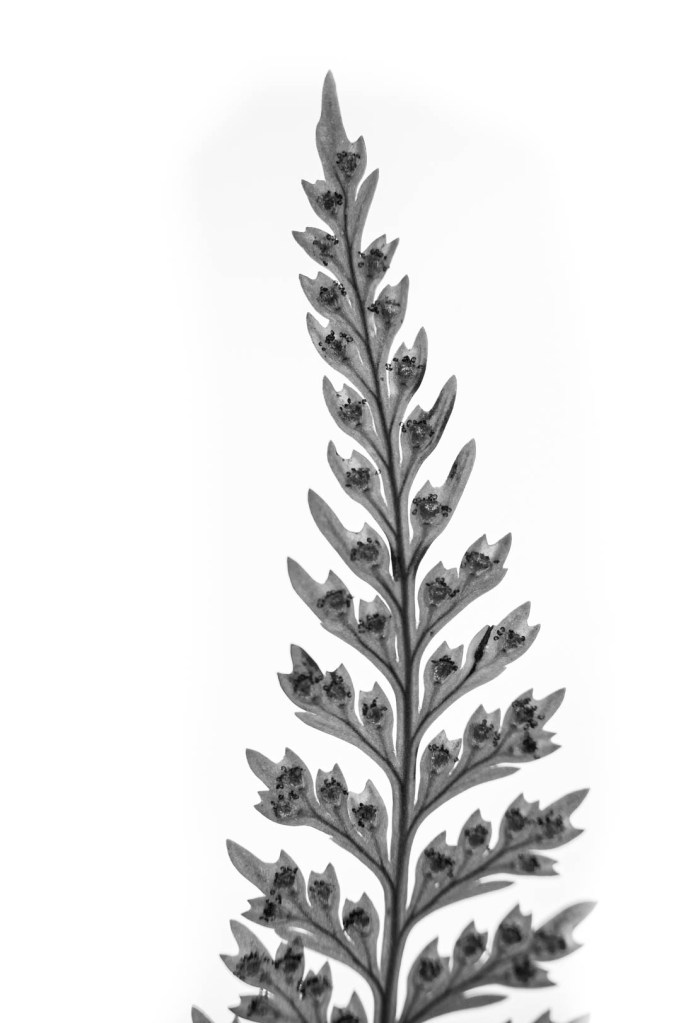
Religious people are abnormal. As a normal person, I don’t understand how you can believe in a certain version of a religion and maintain that you know better which religion is true than the other believers in their particular religion. Why would these religious people think that they have more right to the claim of what is true? Why don’t the others not have that right? Why are religious people so arrogant? Is arrogance not the ultimate abnormality in a world filled with interpretations? Is religion the last convulsion of a humanity moving out of childhood? Is religion that cozy blanket that has kept you safe for so long?
But religion is not the only safety blanket, of course; many behaviors in “adulthood” function as safety blankets. Most of our lives, even the normal ones, are a constant longing for and use of childhood carelessness. Growing up is an art that no one has mastered fully yet. Maybe I am wrong, but I have never met or read about a person who did not have some kind of safety blanket, a belief that is not grounded in reality but just a belief.

75 An able craftsman or scholar cuts a fine figure when he takes pride in his art and looks on life content and satisfied. But nothing looks more wretched than when a shoemaker or schoolmaster gives us to understand with a suffering mind that he was really born for something better. There is nothing better than what is good, and good is having some ability and using that to create Tuchtigkeit or virtu in the Italian Renaissance sense. Today, in our time when the state has an absurdly fat stomach, there are in all fields and departments, in addition to the real workers, also “representatives”; e.g., besides the scholars also scribblers, besides the suffering classes also garrulous, boastful ne’er-do-wells who “represent” this suffering, not to speak of the professional politicians who are well off while “representing” distress with powerful lungs before a parliament. Our modern life is extremely expensive owing to the large number of intermediaries; in an ancient city, on the other hand, and, echoing that, also in many cities in Spain and Italy, one appeared oneself and would have given a hoot to such modern representatives and intermediaries-or a kick!

Words are symbols we can disagree on

but not the meaning behind them
I have lived among people who don’t speak my language for a long time. I understand them well enough, but not when they speak their own dialects. But still… I learn who they are by the abundance of other signals. Language is overrated as one of the tools that helps us communicate with each other.
We might speak to ourselves every now and then, but most of the time, these words are afterthoughts thrown at our actions and feelings, a clumsy way to rationalize or order our inner world. In some sense, we also do this when we communicate with others outside ourselves. We don’t need to talk to the people we really know.

The strange thing about us humans is that we sometimes learn to see something we hold as truth in a new light. We learned something new, and looking back, we find it hard to understand how we could ever have been so foolish. But then, we keep on living and believing many of our other and sometimes older beliefs. Are we so hardwired to believe what is in us despite the knowledge that we have been wrong many times? Intelligence might be just a trick we dumb animals are only good at when we play.

It all looks so perfect
the moments before you flower

it is not even a dream
at that moment
but a reality
caught in time

caught in your time

1. Consider the cattle, grazing as they pass you by: they do not know what is meant by yesterday or today, they leap about, eat, rest, digest, leap about again, and so from morn till night and from day to day, fettered to the moment and its pleasure or displeasure, and thus neither melancholy nor bored. This is a hard sight for man to see; for, though he thinks himself better than the animals because he is human, he cannot help envying them their happiness – what they have, a life neither bored nor painful, is precisely what he wants, yet he cannot have it because he refuses to be like an animal. A human being may well ask an animal: ‘Why do you not speak to me of your happiness but only stand and gaze at me?’ The animal would like to answer, and say: ‘The reason is I always forget what I was going to say’ -but then he forgot this answer too, and stayed silent: so that the human being was left wondering.

I stare at the handrail
I hold it
I feel it

to much

Arriving at a corner
standing still
backed into
almost

two walls

but a choice
to go
or not

3 Because of a doubt peculiar to my own nature, which I am reluctant to confess—for it concerns itself with morality, with everything which up to the present has been celebrated on earth as morality—a doubt which came into my life so early, so uninvited, so irresistibly, in such contradiction to my surroundings, my age, the examples around me, and my origin, that I would almost have the right to call it my “a priori” [before experience]—because of this, my curiosity as well as my suspicions had to pause early on at the question about where our good and evil really originated. In fact, as a thirteen-yearold lad, my mind was already occupying itself with the problem of the origin of evil. At an age when one has “half childish play, half God in one’s heart,” I devoted my first childish literary trifle, my first written philosophical exercise, to this problem—and so far as my “solution” to it at that time is

I held power inside me
but they didn’t treat me
left the door open
and now I stand here

dirty
left behind
with only my head high
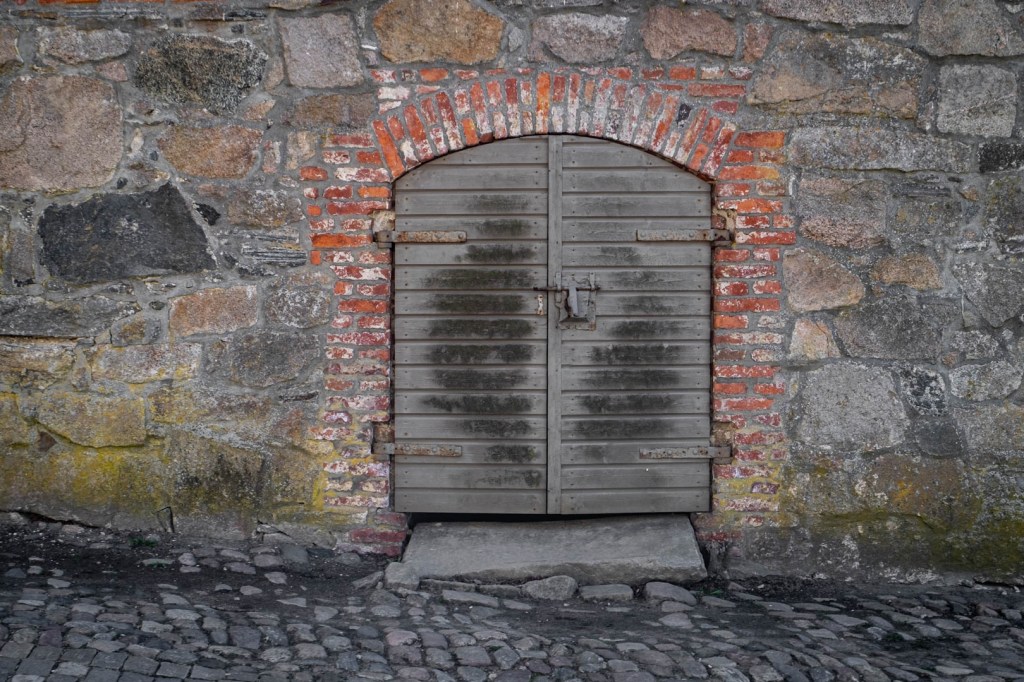
From a distance I see a door
an opening to something new
a backdoor from where I stand
or maybe too small for a me

do I take the time that I have
to feel from up close this door
or turn away for a now
on the road I go
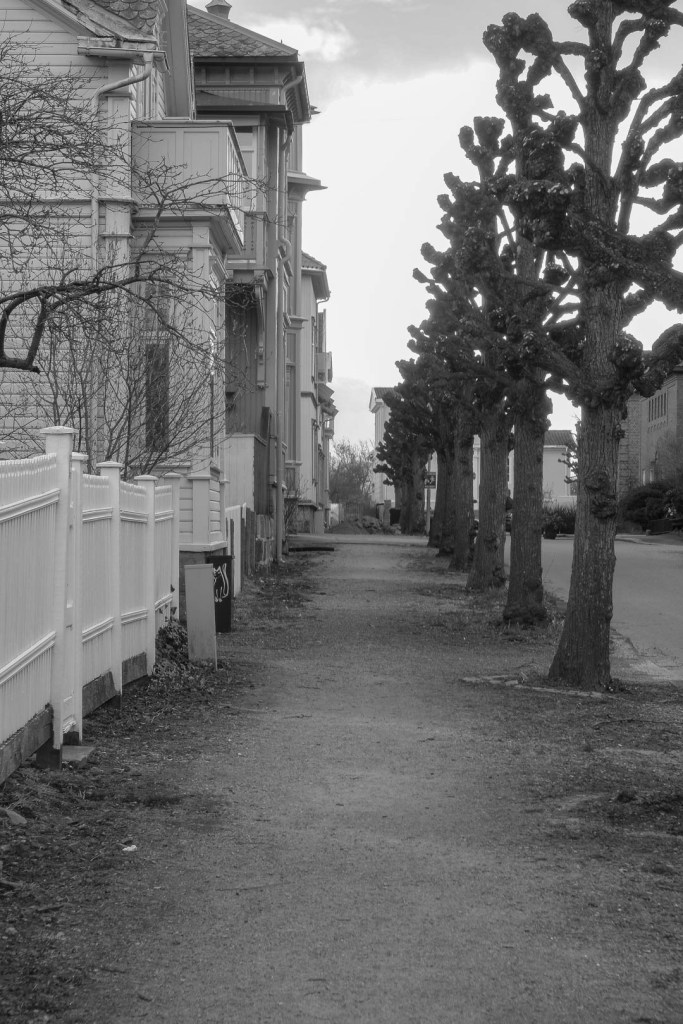
I walked through the old street
it brought me closer
but to what
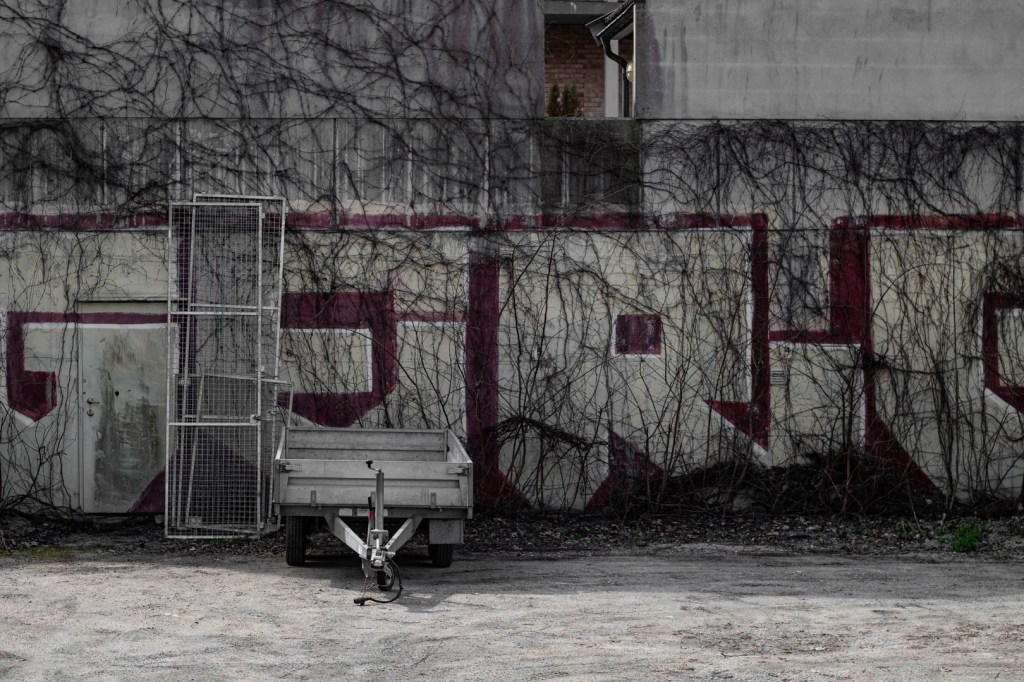
16 There are still harmless self-observers who believe in the existence of “immediate certainties,” such as “I think,” or the “I will” that was Schopenhauer’s superstition: just as if knowledge had been given an object here to seize, stark naked, as a “thing-in-itself,” and no falsification took place from either the side of the subject or the side of the object. But I will say this a hundred times: “immediate certainty,” like “absolute knowledge” and the “thing in itself ” contains a contradictio in adjecto. For once and for all, we should free ourselves from the seduction of words! Let the people believe that knowing means knowing to the very end; the philosopher has to say: “When I dissect the process expressed in the proposition ‘I think,’ I get a whole set of bold claims that are difficult, perhaps impossible, to establish, – for instance, that I am the one who is thinking, that there must be something that is thinking in the first place, that thinking is an activity and the effect of a being who is considered the cause, that there is an ‘I,’ and finally, that it has already been determined what is meant by thinking, – that I know what thinking is. Because if I had not already made up my mind what thinking is, how could I tell whether what had just happened was not perhaps ‘willing’ or ‘feeling’? Enough: this ‘I think’ presupposes that I compare my present state with other states that I have seen in myself, in order to determine what it is: and because of this retrospective comparison with other types of ‘knowing,’ this present state has absolutely no ‘immediate certainty’ for me.” – In place of that “immediate certainty” which may, in this case, win the faith of the people, the philosopher gets handed a whole assortment of metaphysical questions, genuinely probing intellectual questions of conscience, such as: “Where do I get the concept of thinking from? Why do I believe in causes and effects? What gives me the right to speak about an I, and, for that matter, about an I as cause, and, finally, about an I as the cause of thoughts?” Whoever dares to answer these metaphysical questions right away with an appeal to a sort of intuitive knowledge, like the person who says: “I think and know that at least this is true, real, certain” – he will find the philosopher of today ready with a smile and two question-marks. “My dear sir,” the philosopher will perhaps give him to understand, “it is improbable that you are not mistaken: but why insist on the truth?”
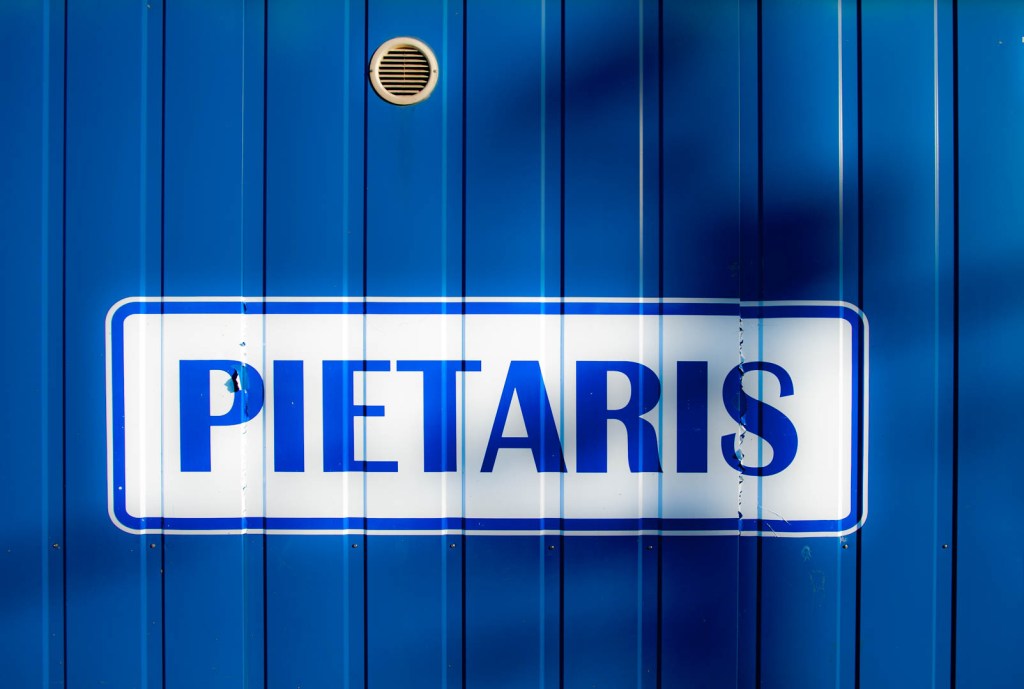
You tell me your name
but I don’t see you

you are around
but not yet where I am

I know you now
and soon we meet
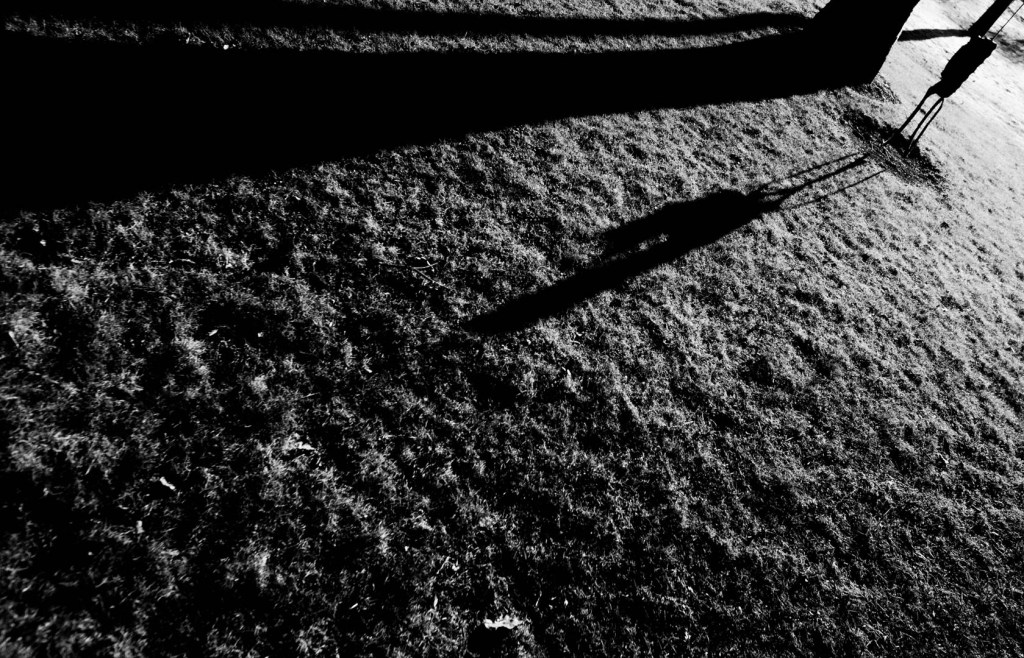
I see a distorted
stretched depiction
of a you hanging

standing

It's my own darkness
that defines
 Nochrisis