Day 1964, upon.
Daily picture, Haiku, Poetry


Kingdom: Animalia or animals (also called Metazoa) are multicellular, eukaryotic organisms in the biological kingdom Animalia. With few exceptions, animals consume organic material, breathe oxygen, are able to move, can reproduce sexually, and go through an ontogenetic stage in which their body consists of a hollow sphere of cells, the blastula, during embryonic development.
Phylum: Arthropoda. Arthropods are invertebrate animals having an exoskeleton, a segmented body, and paired jointed appendages. it includes insects, arachnids, myriapods, and crustaceans.

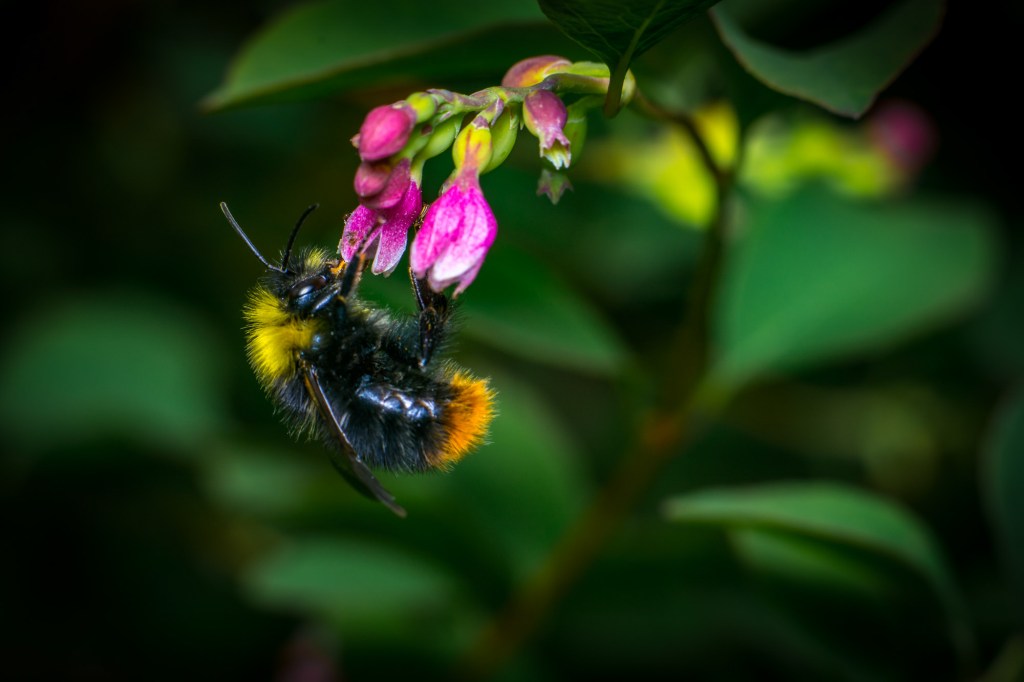
I wanted to find out what the name was of the bee on this picture, I know the name in Dutch is Hommel and in English Bumblebee but I wanted to know the Latin name. I found it on Wikipedia and these different names and classes and I was intrigued.
Kingdom: Animalia or animals (also called Metazoa) are multicellular, eukaryotic organisms in the biological kingdom Animalia. With few exceptions, animals consume organic material, breathe oxygen, are able to move, can reproduce sexually, and go through an ontogenetic stage in which their body consists of a hollow sphere of cells, the blastula, during embryonic development.
Phylum: Arthropoda. Arthropods are invertebrate animals having an exoskeleton, a segmented body, and paired jointed appendages. it includes insects, arachnids, myriapods, and crustaceans.



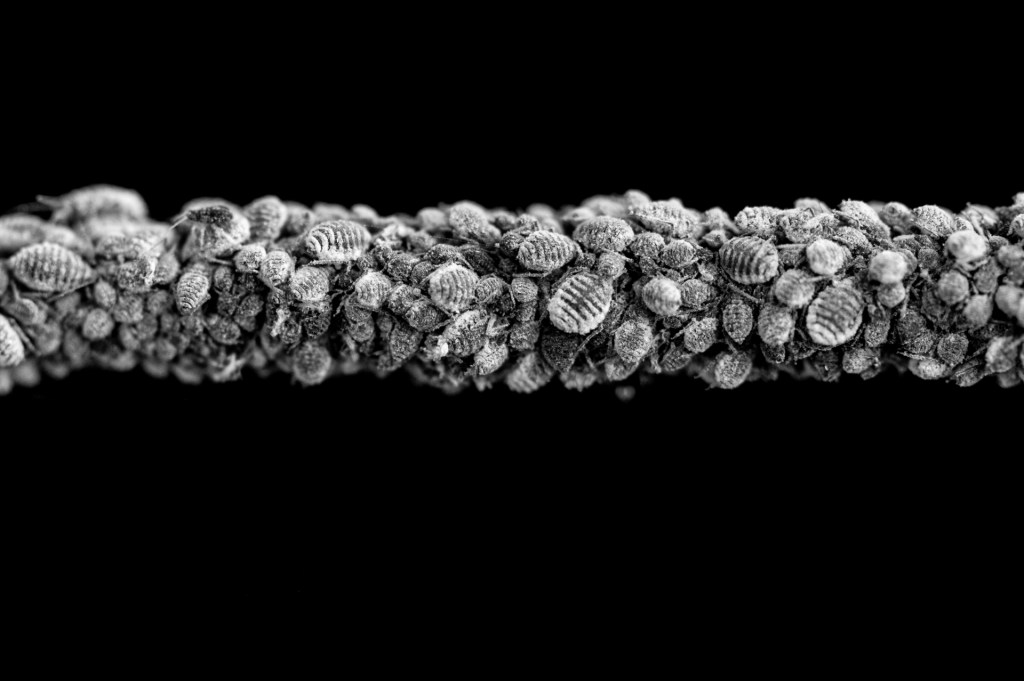
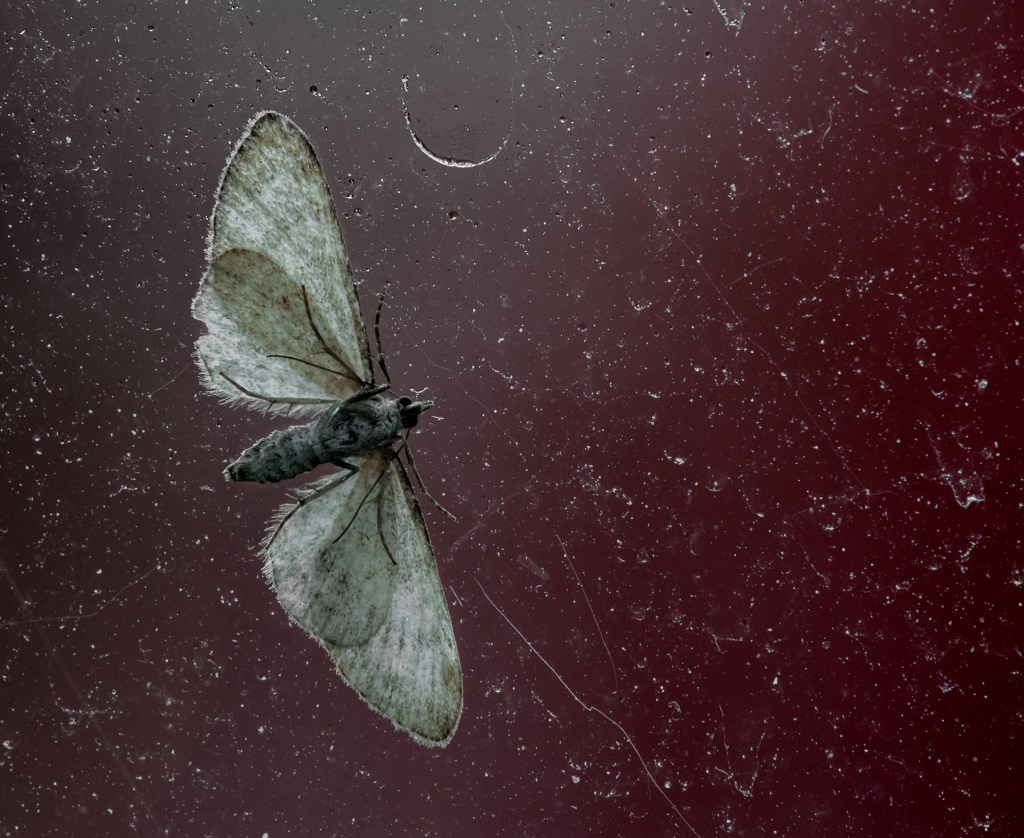


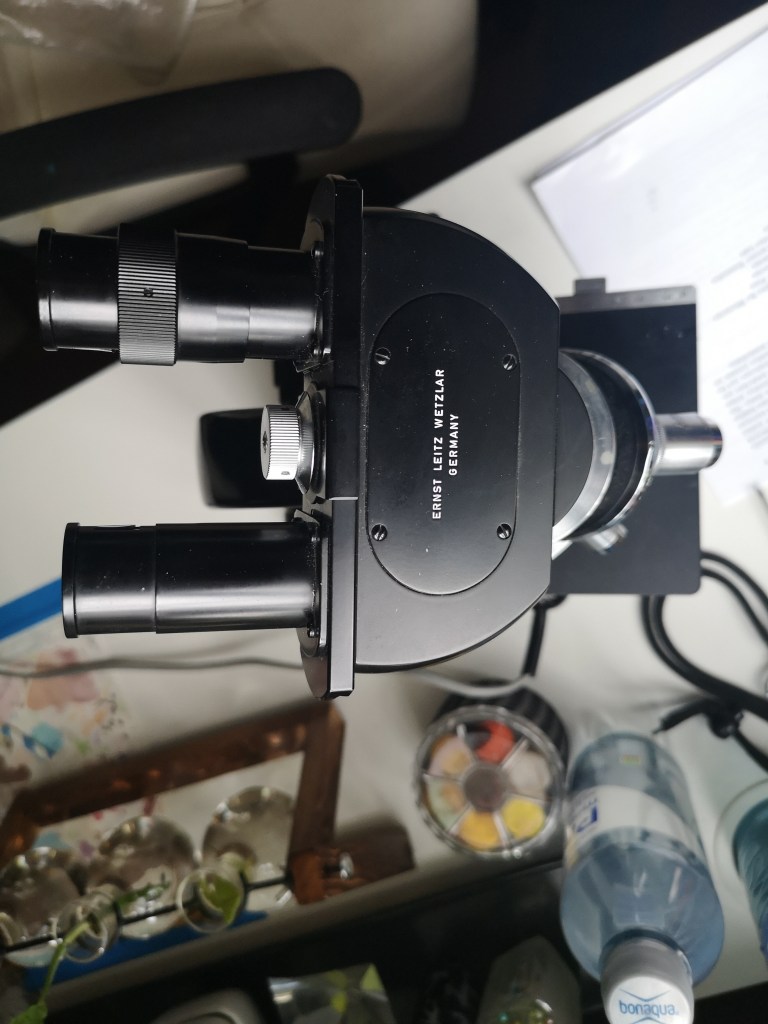


My girlfriend bought a microscope at the thrift store this weekend, something we both always wanted. It’s not some kind of toy either, it is from the 1960’s but it was used professionally. We still have to learn some things but we already looked at water from the creek a 1000 times magnified and that was really cool. All kinds of things were moving around there squeezed between those two glass plates as if nothing was hindering them. In this picture you see a leg of the tiniest fly I could peel of the flytrap, it’s magnified a 100 times, I took the picture with my phone’s lens pressed against one of the oculars.

I grew up in the country side. When I biked to school in the next town or walked besides the river, I saw all the farmers working. I saw what they were doing when they let the cows on the fields or plowed the soil, but I never really understood why they were doing all these things.
I started reading a book today called: The knowledge illusion written by Steven Sloman and Philip Fernbach. In short, the book goes about our knowledge, how we think that we know a lot but in reality, we know very little. The gave the example of a toilet and asked people how it works. Most people are confident that they know how it works but after questioning they realize that they only know about the button you have to push and that there are some leavers. Most of us don’t know how you calculate the length of the different parts to make the mechanism work or the rubber quality of the seals, we know how a toilet works, but also not.
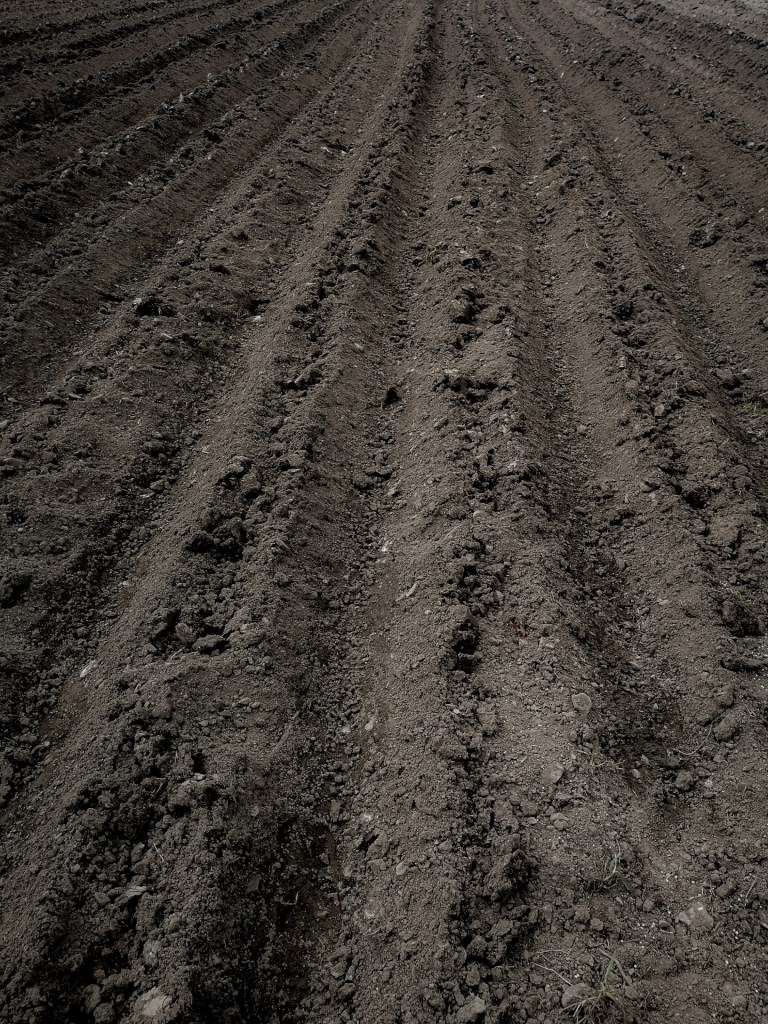
That is what I have with the work the farmers do, I see all their work and enjoy the products of their labor but I have honestly no clue how they do it. But this weekend I helped my landlord planting potatoes. She told me about the crop rotation, how she has 4 plots and only uses one at a time so the soil can “rest” for 3 years. She plowed the ground once and flattened it later. After that she had to make sure she planted the potatoes before it started raining again otherwise, she has to plow again. Then we use a machine from the 50s that she pulled along with a tractor that opened the soil again and buries the potatoes automatically…To make a long story short, I know now a little bit more about the whole process and gained some appreciation for all the work that you have to put into it.
As some kind of thank you to nature I decided to use the field with the newly planted potatoes as a photo…model…canvas…for the summer. I will try to go out there every day and take pictures of all that is happening on that small piece of land. Today it is just sand but I sat down and after a few minutes a sow movement and started taking pictures of the insects that are also exploring the newly turned soil.
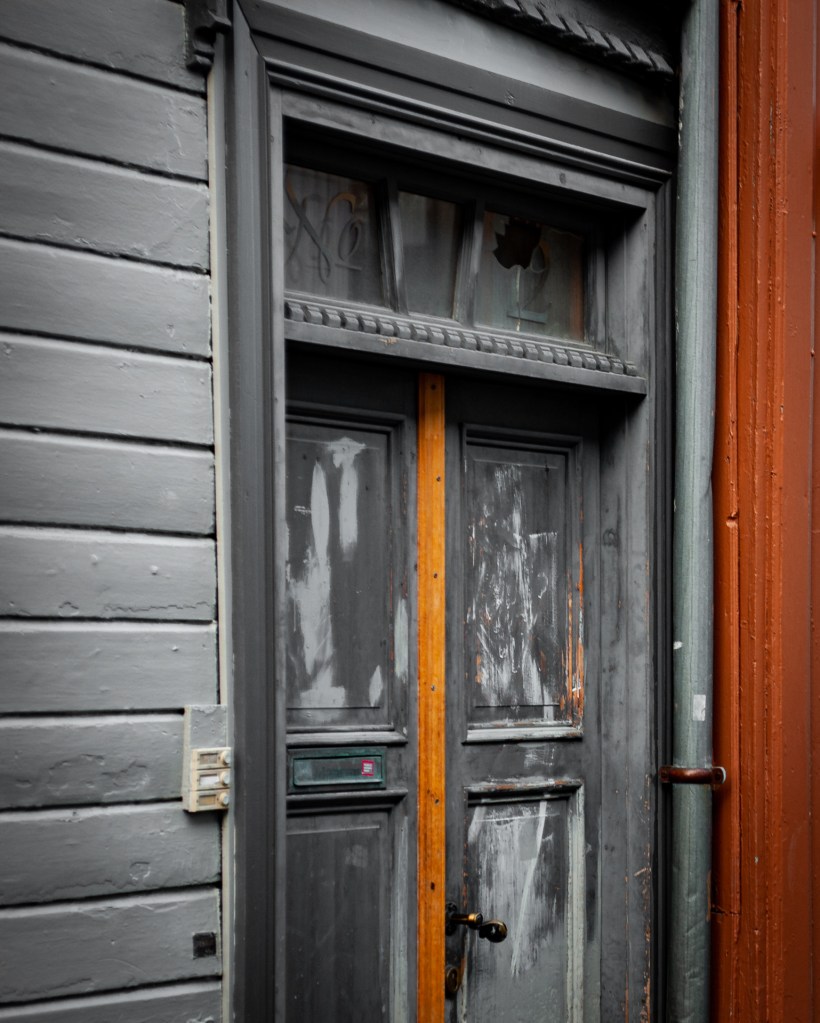
I have been reading around 800 of my old poems by now. A lot of them make no sense to me without the picture that it belongs to. The one I chose for today is from Day 1576.
This one I personally like, even without the picture and meaning. The knowledge that what you like at the moment of creation might be disliked a few moments, hours, day’s, weeks or months later is…sobering. With my writing I have little pretensions, I can’t really judge it so this makes it easier to accept that I might dislike it the next day. I still have a lot to learn and as soon as the money allows it I will hire some online teacher that can give me some pointers.
With my picture taking it is similar, the difference is that I don’t dislike my old pictures, they are just out of fashion. What I mean with that is that I go thru phases, I have periods that I like saturated colors, and other times more muted or black and white. This changes all the time and I always love the faze I am in.
With photography I also don’t mind what others might think of it, with my poetry I would mind. But like photography, poetry is also subjective. There are some rules in photography, but a good photographer can brake those rules and still make it look good. I guess that’s also possible in poetry, but I am still in a phase that I enjoy the process, smile about my own ingenuity, and don’t understand what I was righting about three weeks later.
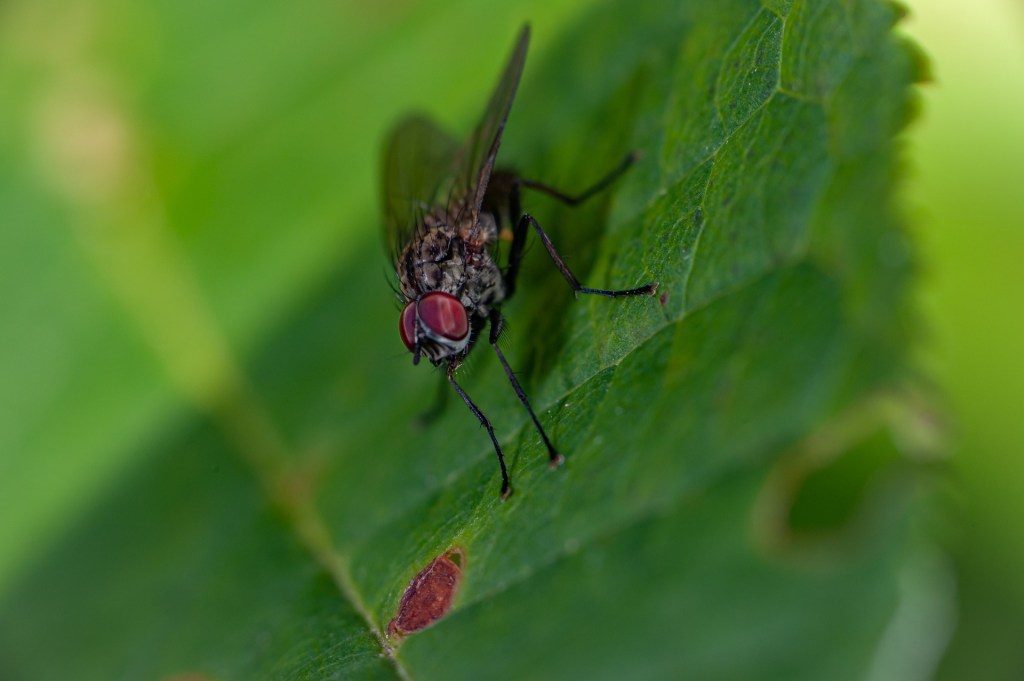
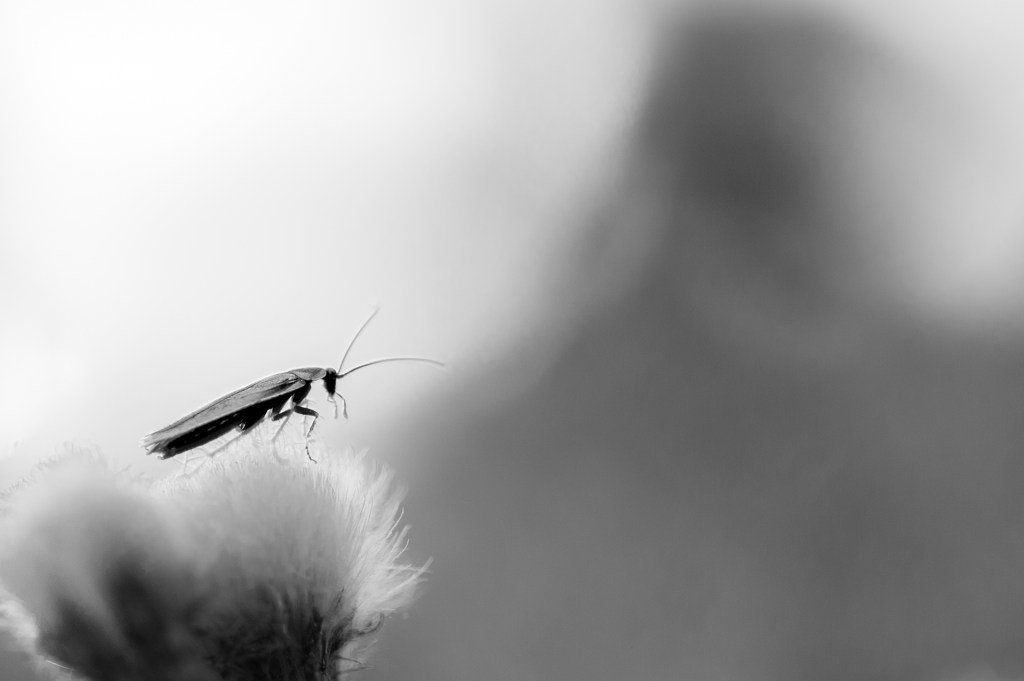
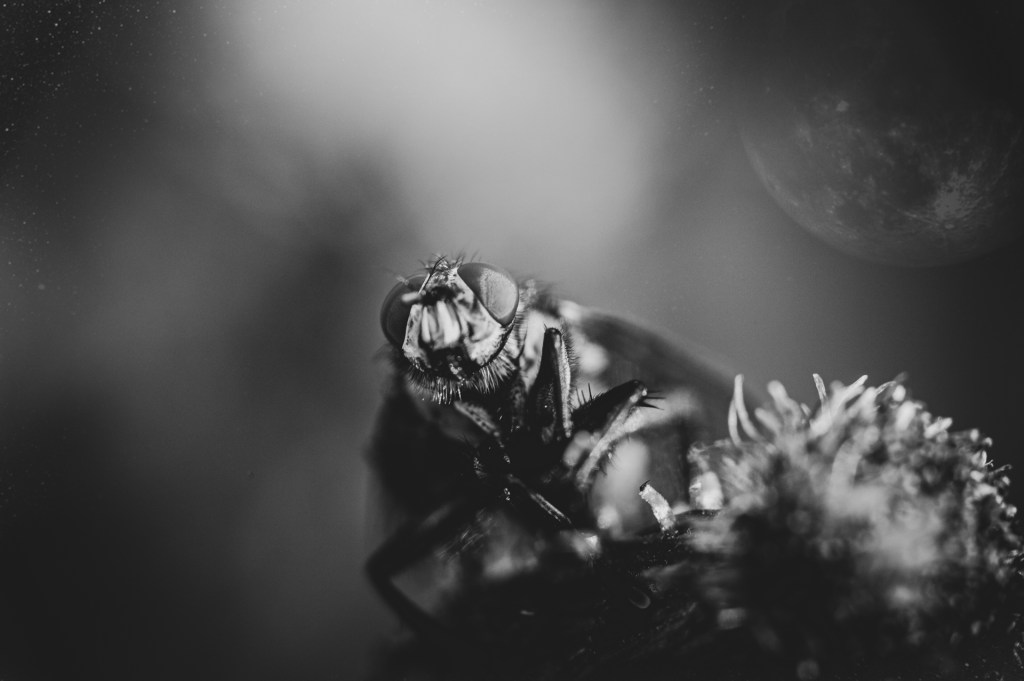
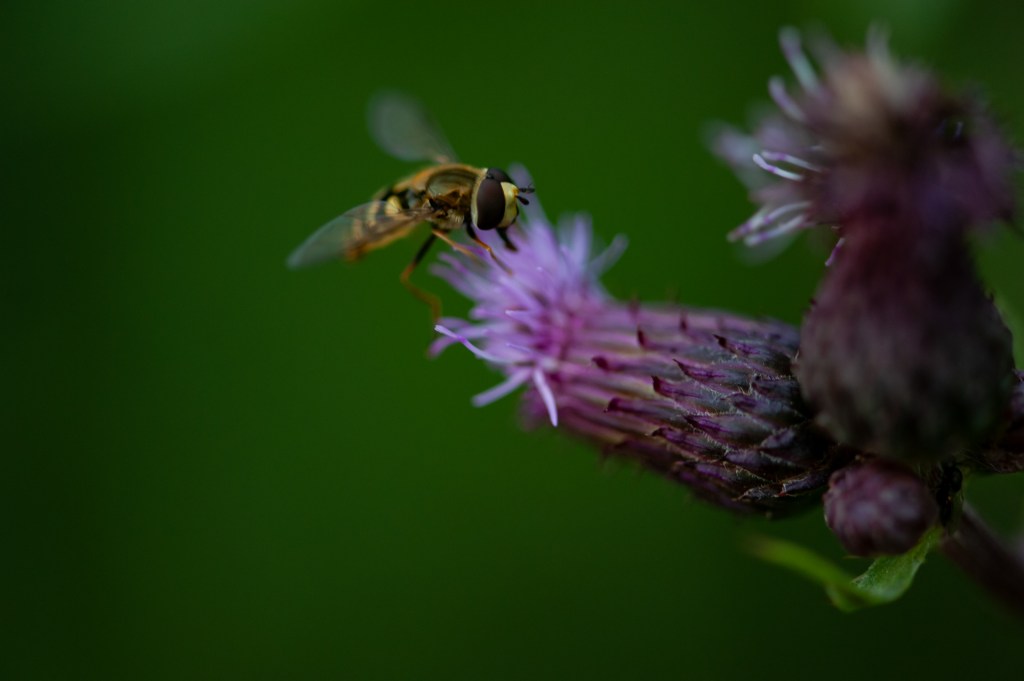
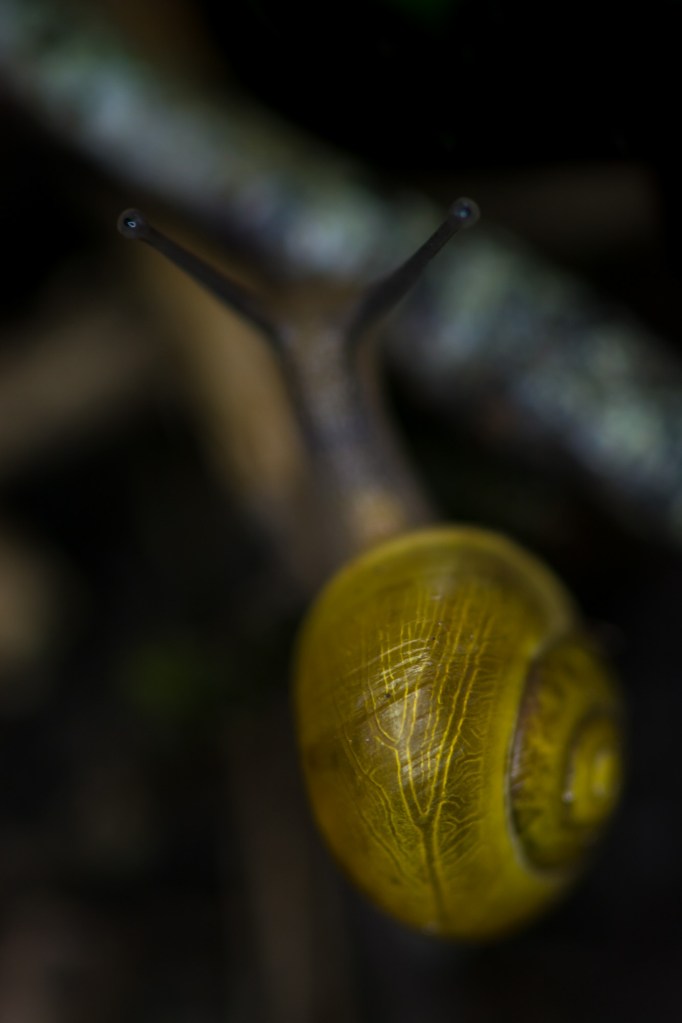
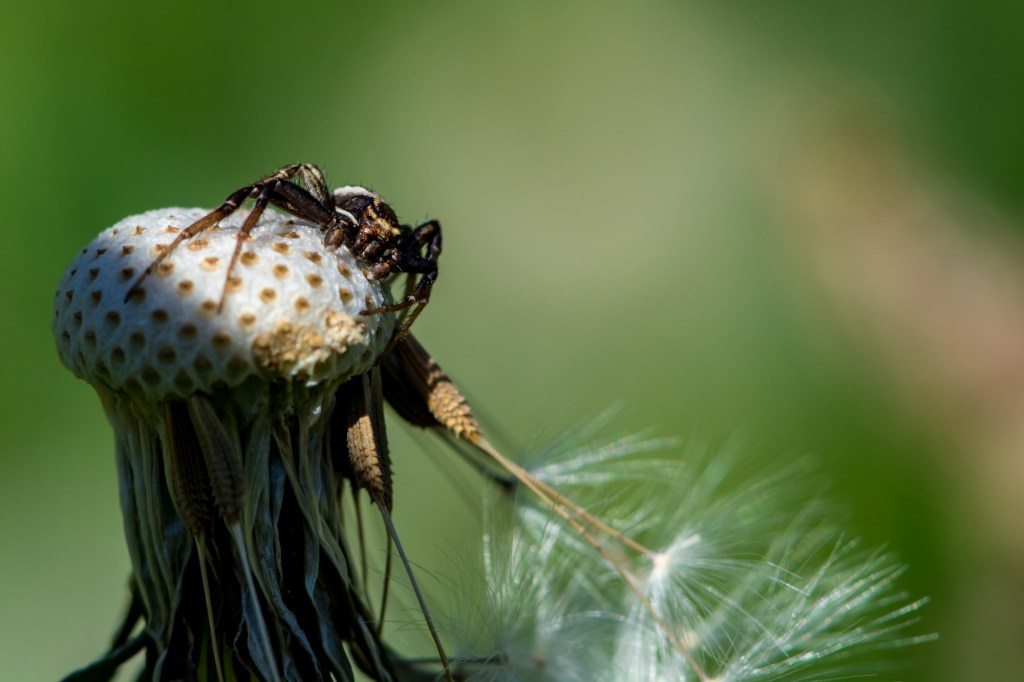
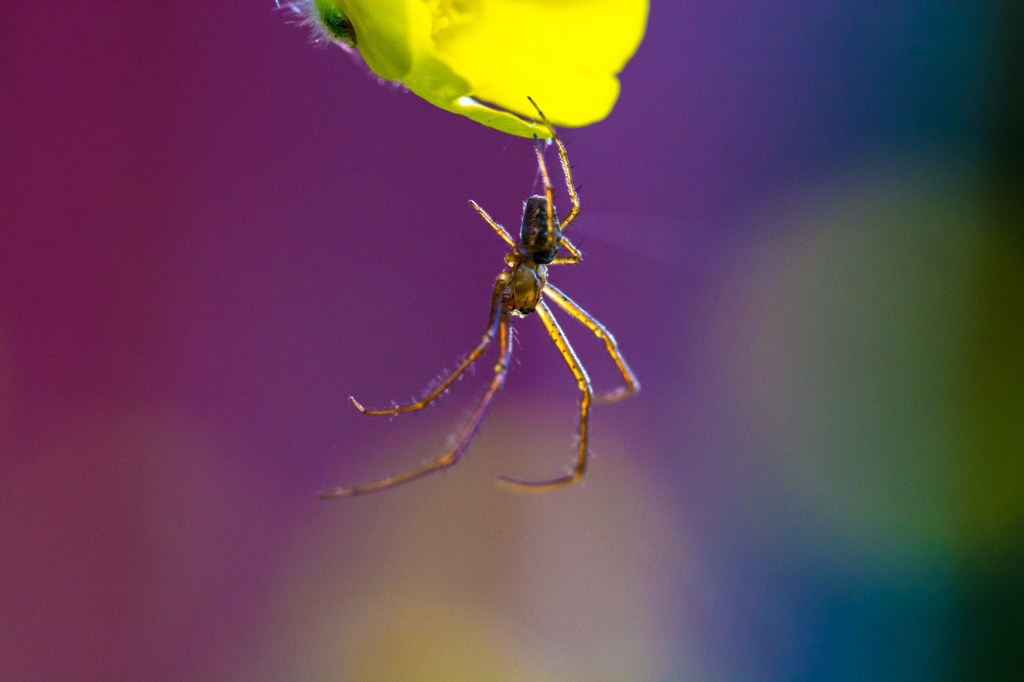
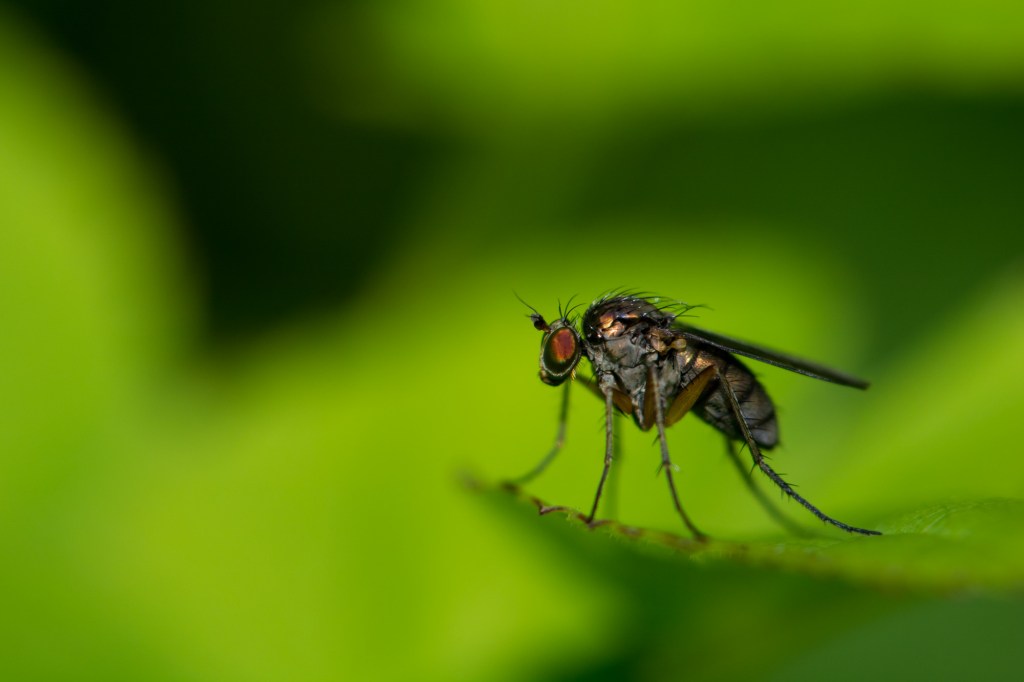
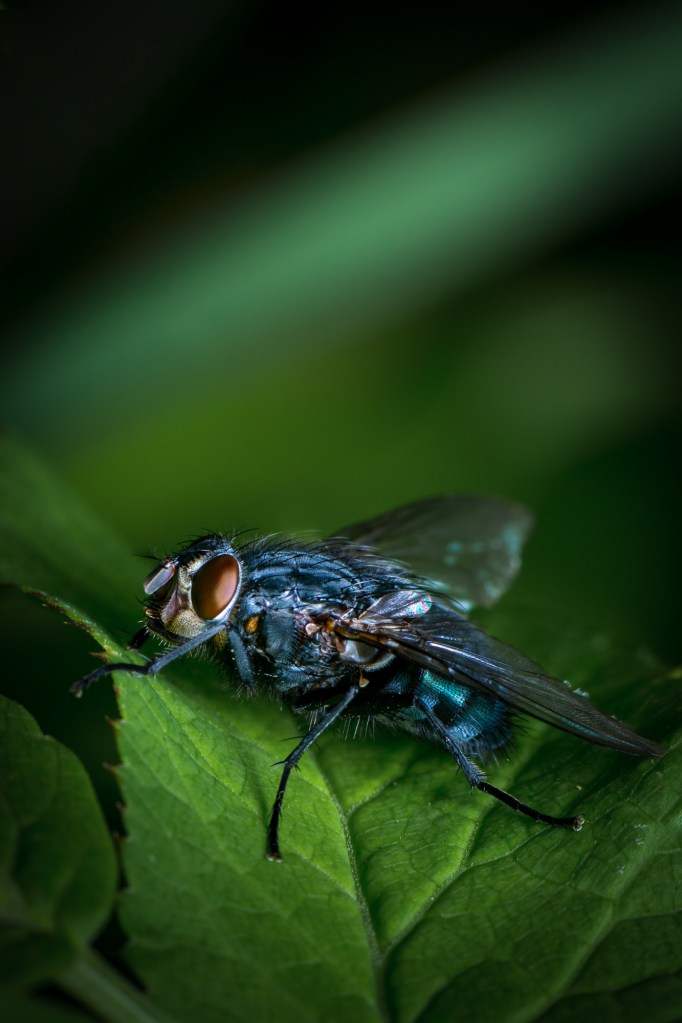
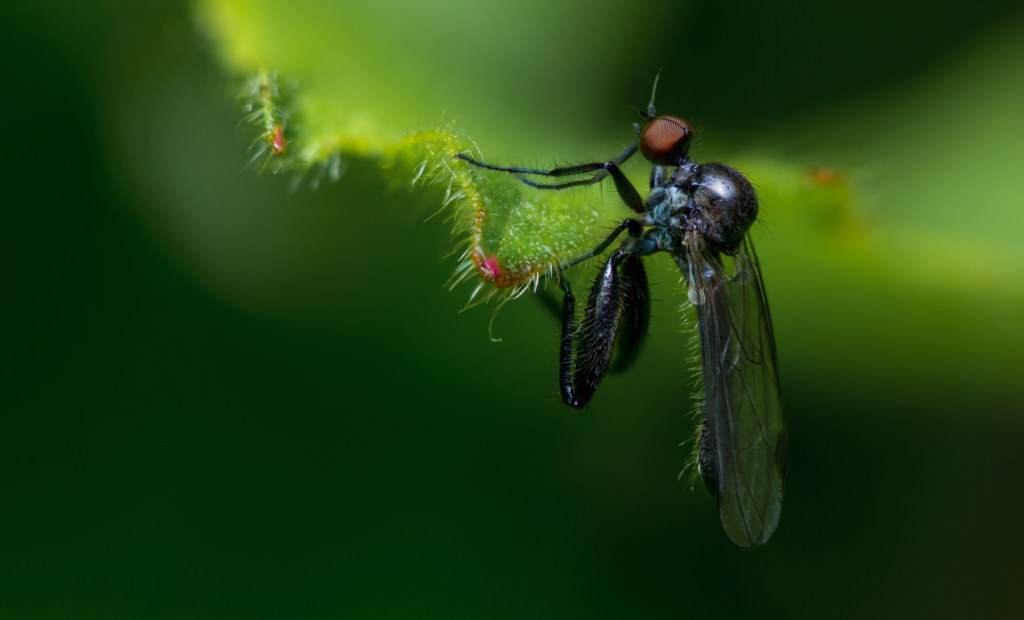
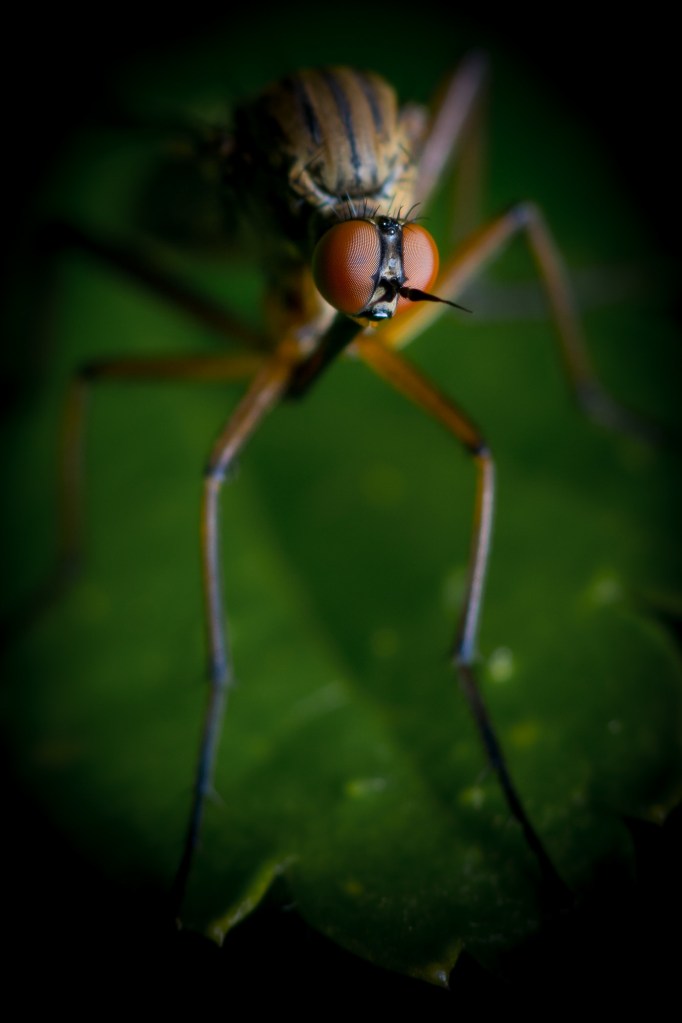
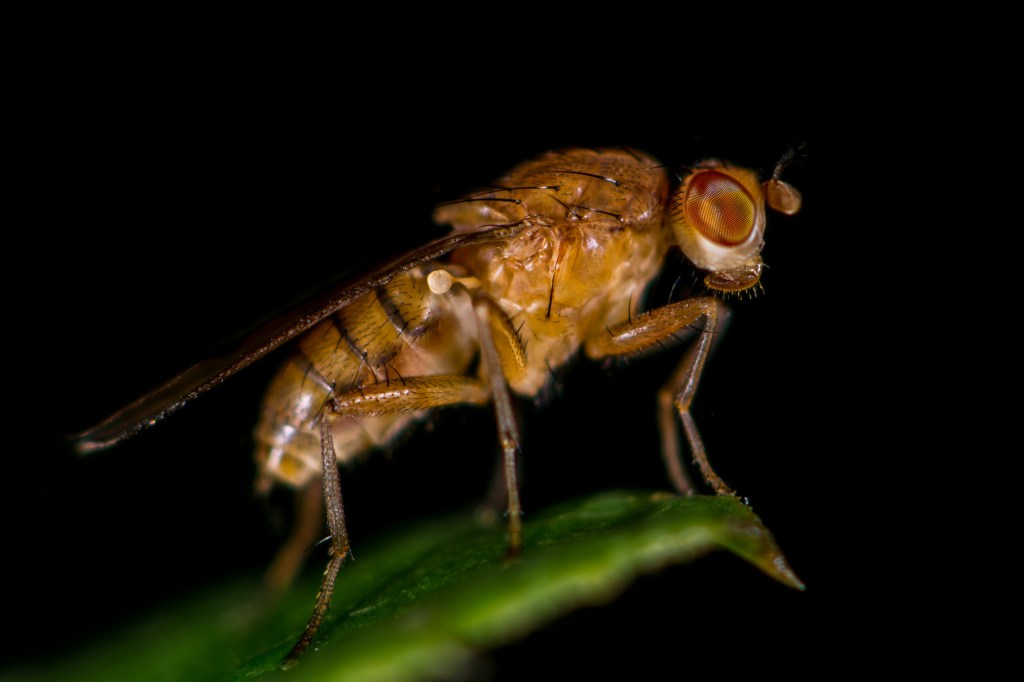
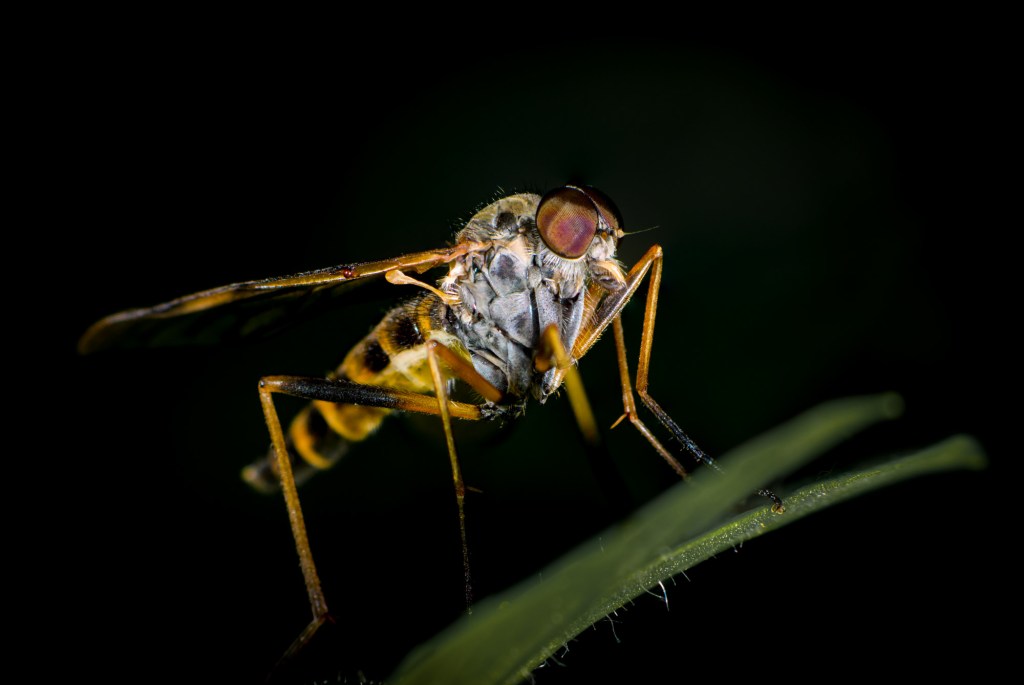
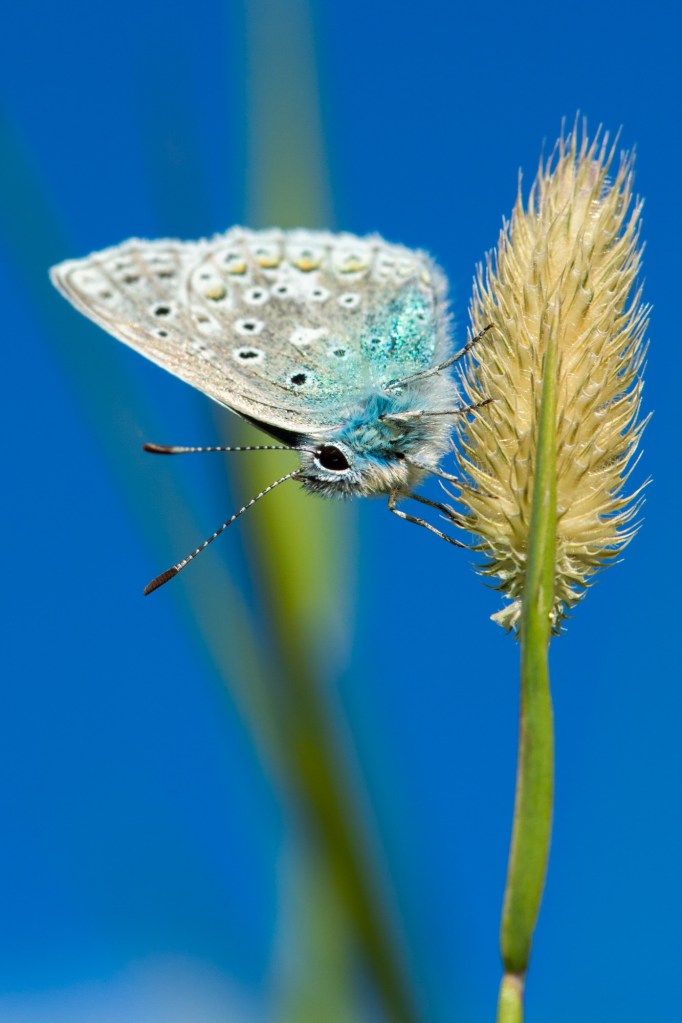
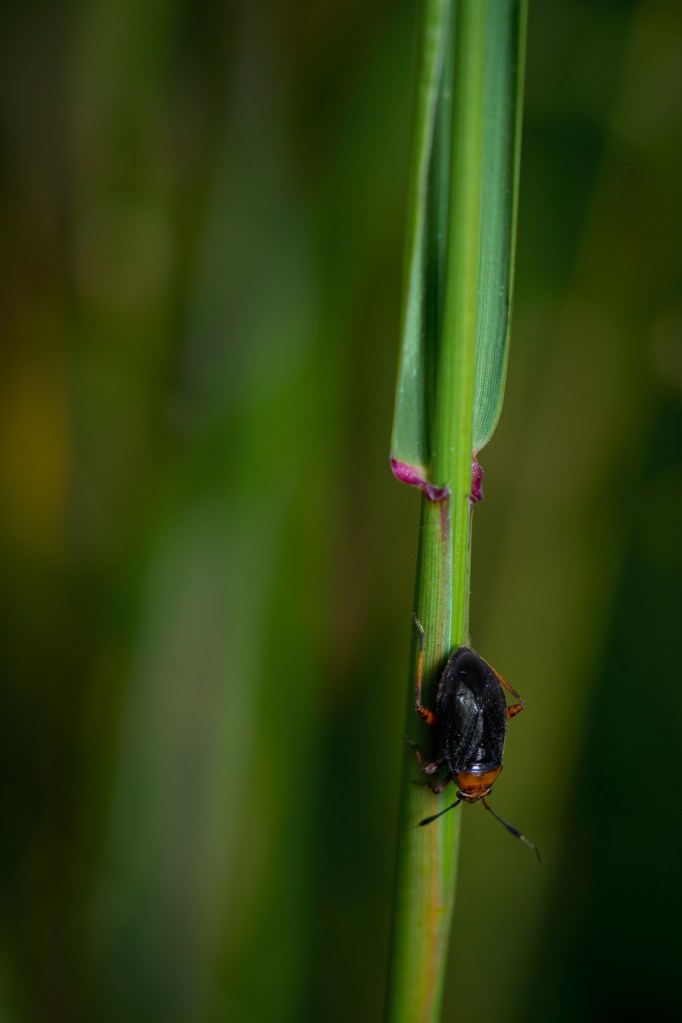
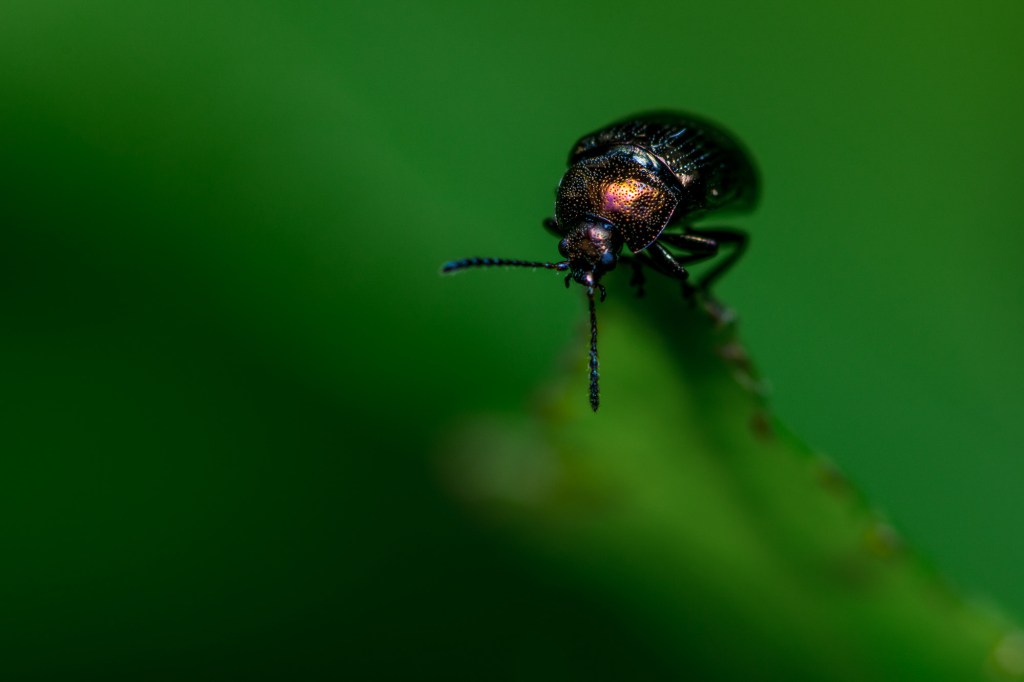
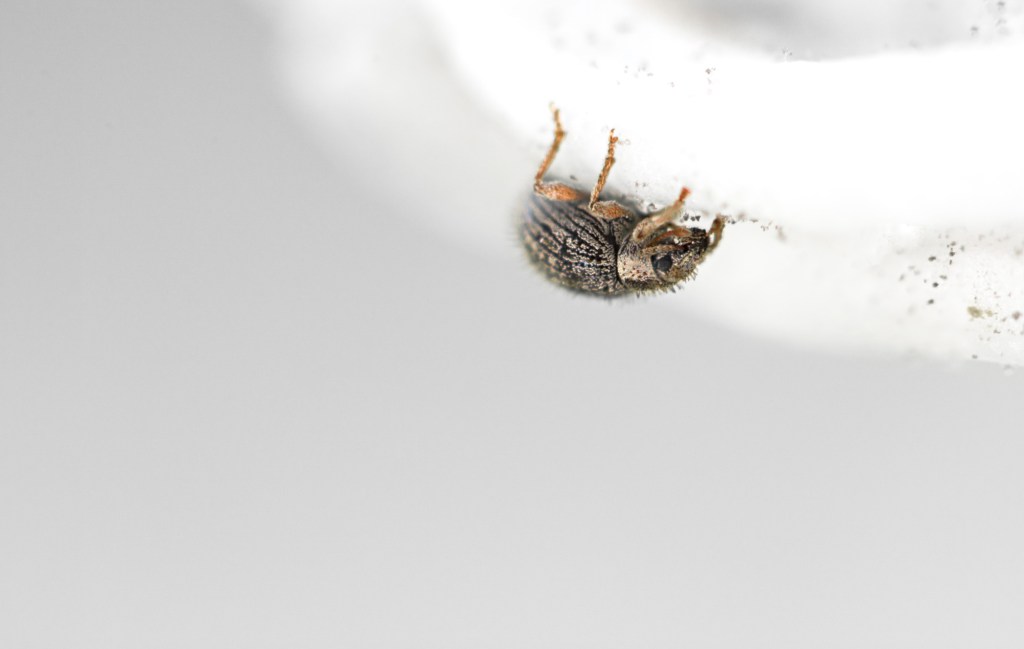
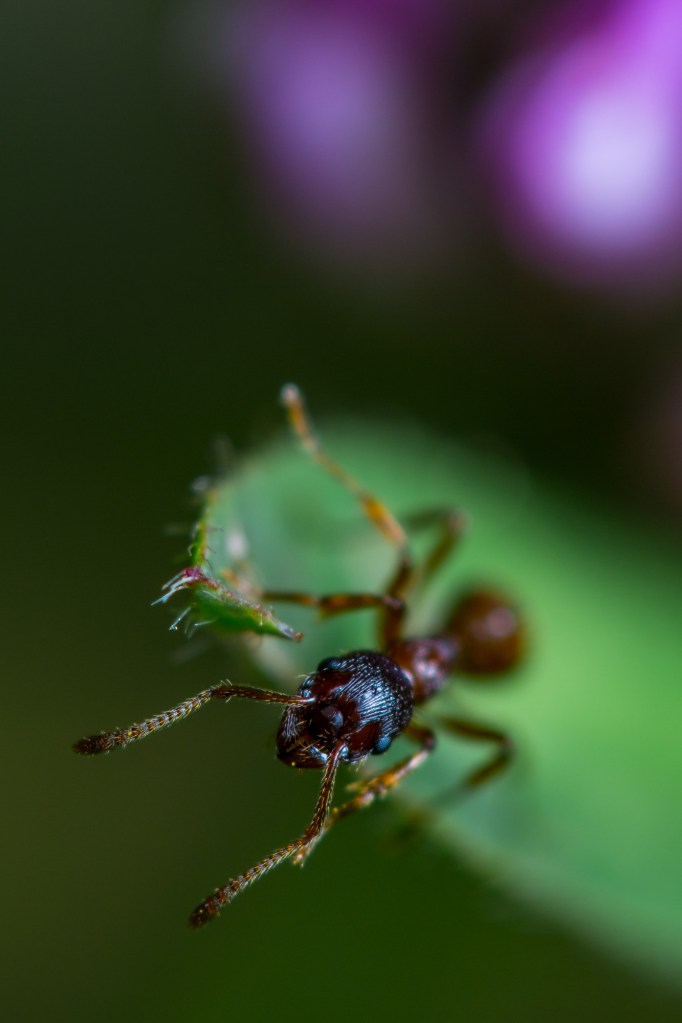
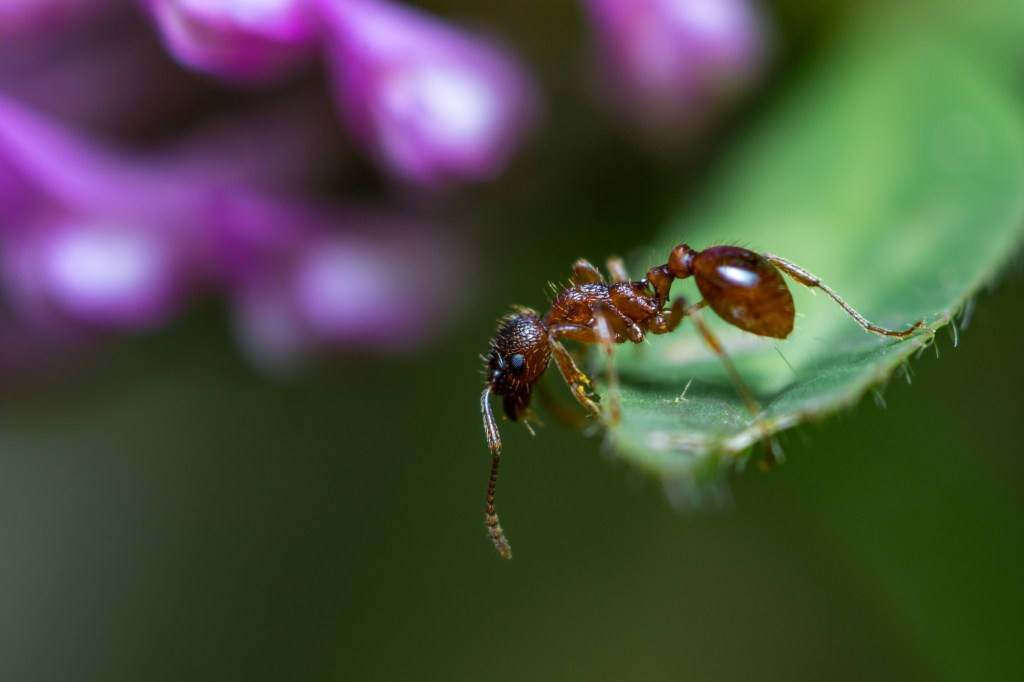
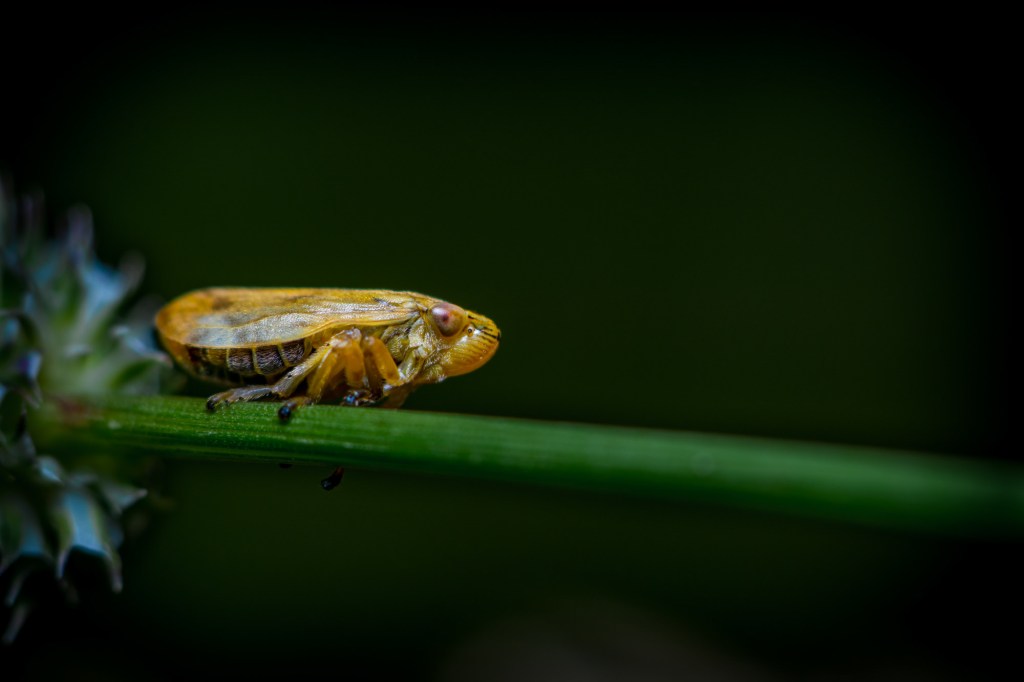
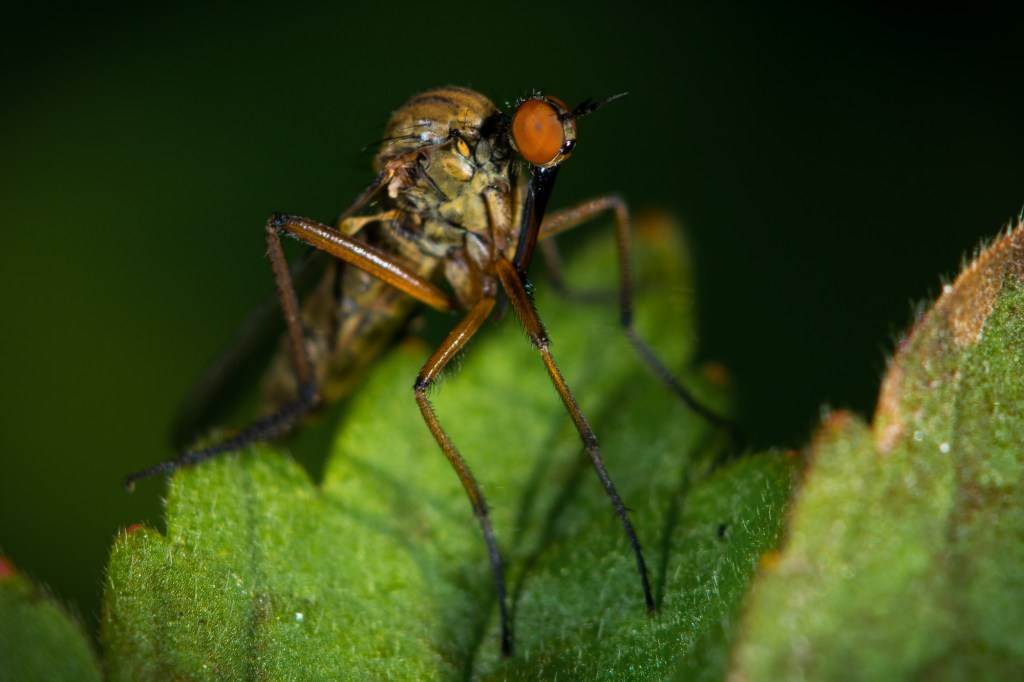
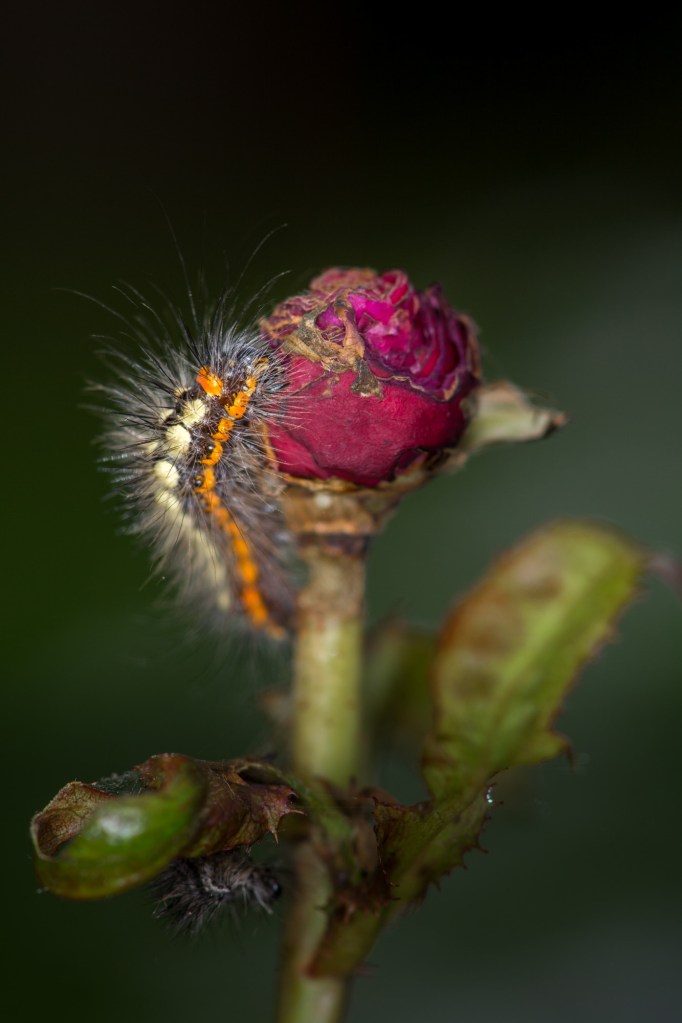
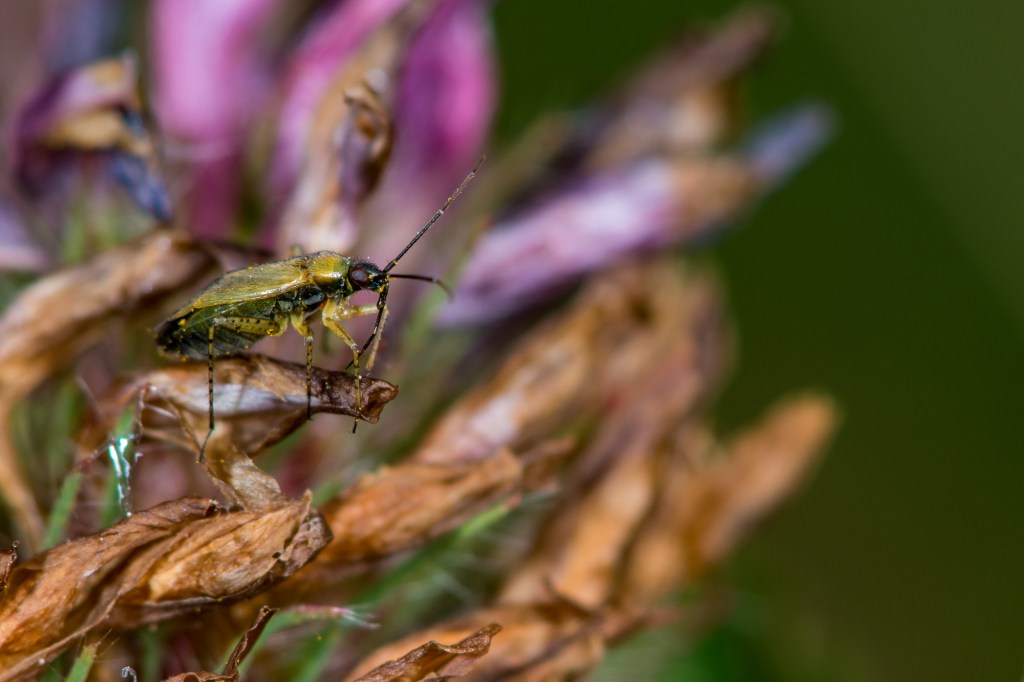
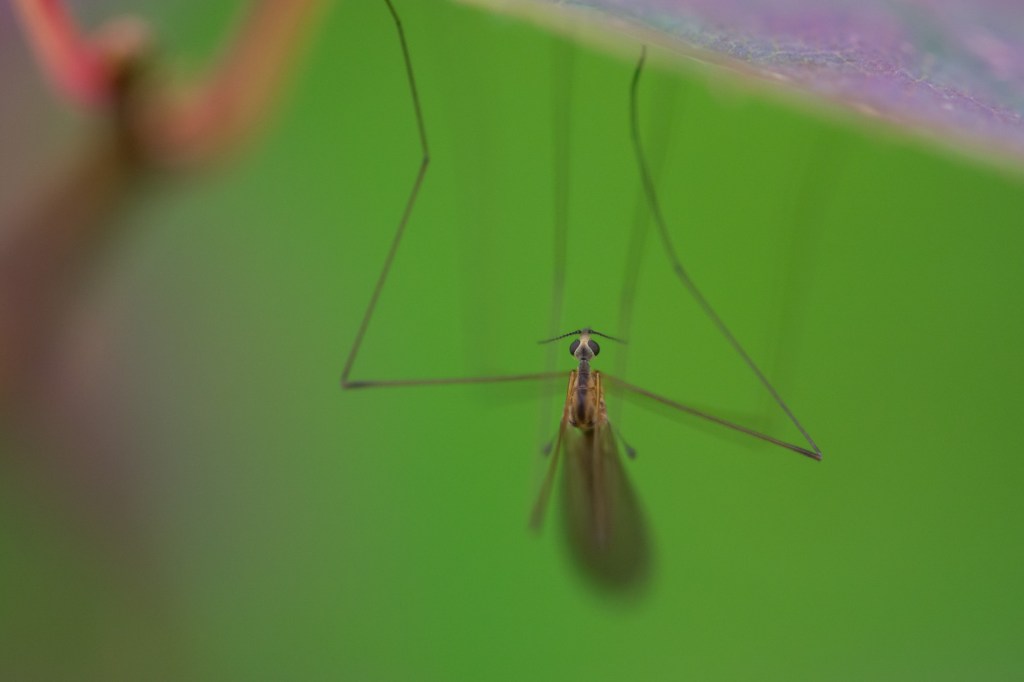
In the pictures below you can see that i like to get close to the things that are interesting, and hardly ever get seen.











 Nochrisis