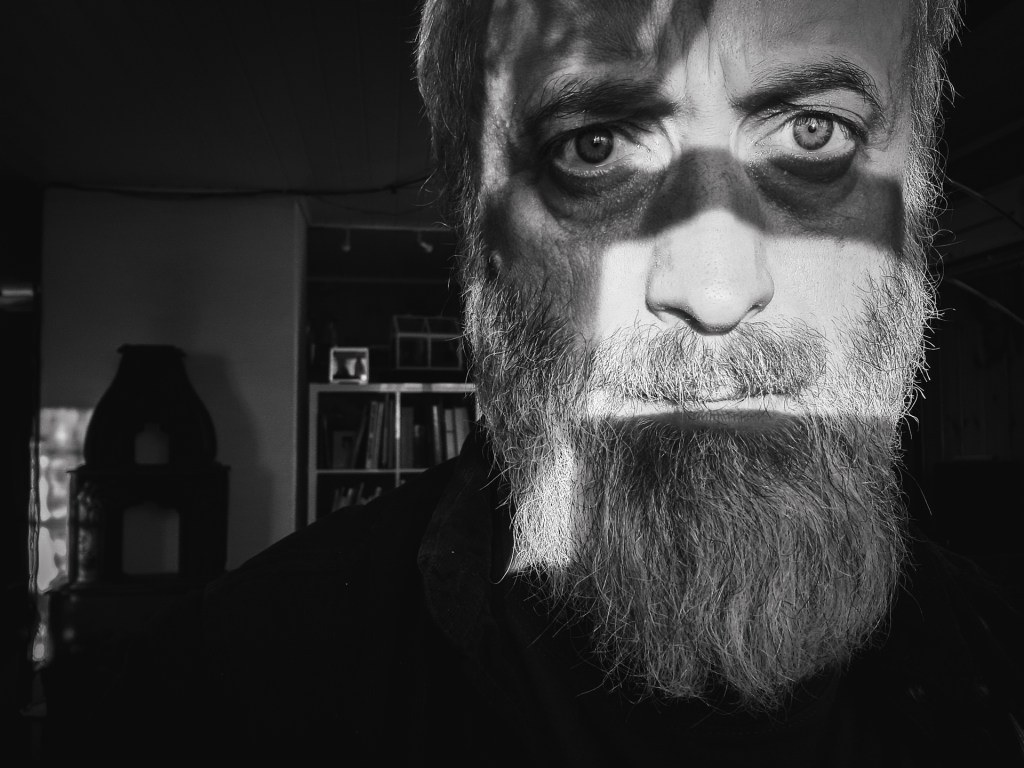
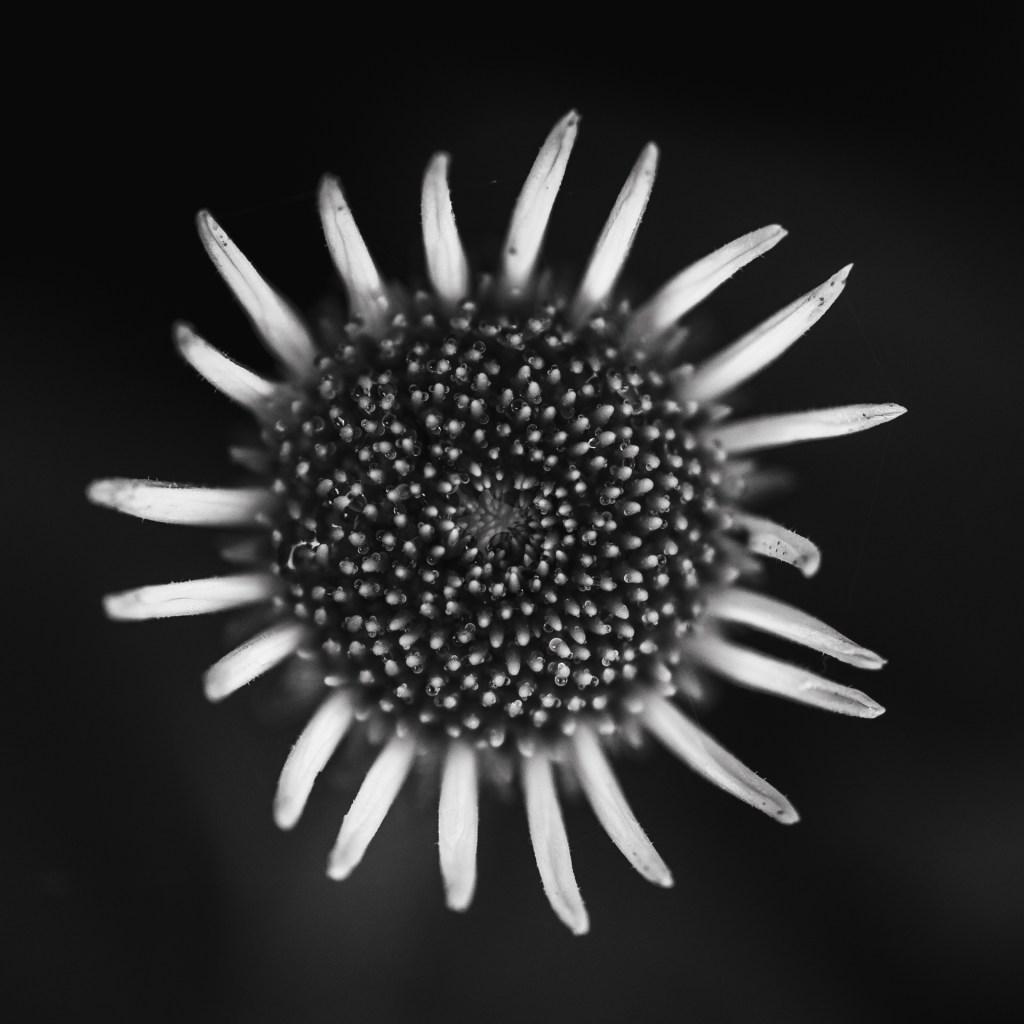
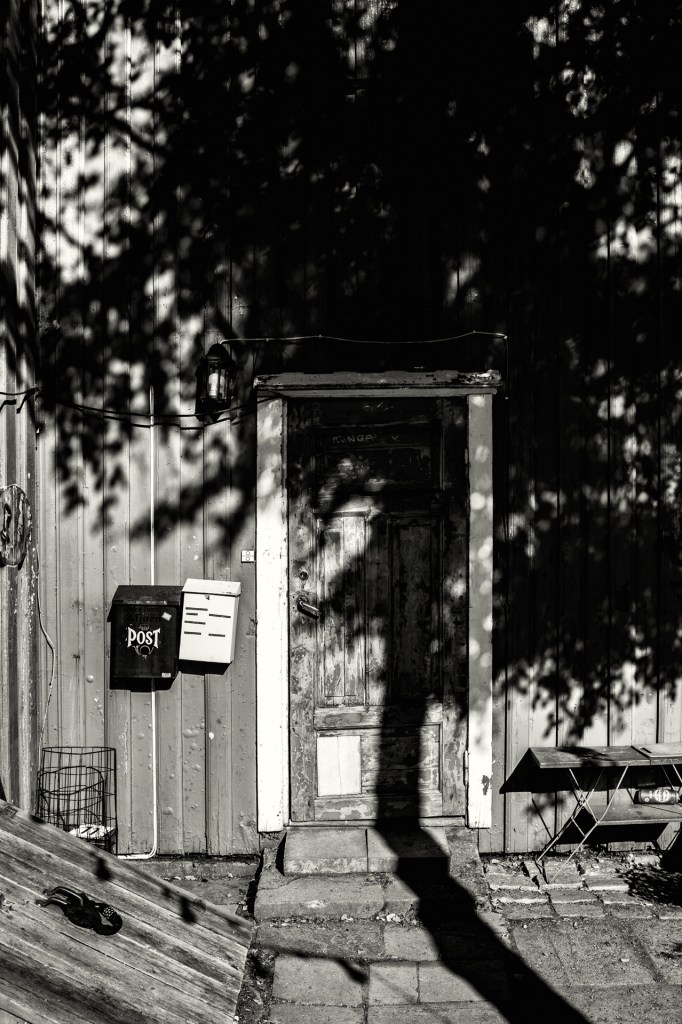
Day 2398, dying thoughts.

Daily picture, Haiku, Poetry

A kernel of truth
at the end of dying thoughts
a prolongation 
Nochrisis

Friedrich Nietzsche

Daybreak

Book 1

66 Capacity for visions. –Throughout the whole Middle Ages, the actual and decisive sign of the highest humanity was that one was capable of visions – that is to say, of a profound mental disturbance! And the objective of medieval prescriptions for the life of all higher natures (thereligiosi) was at bottom to make one capable of visions! It is thus no wonder that an over-estimation of the half-mad, the fantastic, the fanatical- of so-called men of genius- should have spilled over into our time; ‘they have seen things that others do not see’ – precisely! and this should make us cautious towards them, not credulous!

Read more here: https://nochrisis.blog/morgenrote/

Day 2386, confusing insights.

Daily picture, Poetry

Today
It felt like
I changed my perspective
of my perspective
and decided against my interpretation of reality 
compared to the reality I assumed

and I stared at what I felt 
again
and again

like the realization 
we all have
with no end in sight 
but you can clearly see it

its meaning

at least it feels like that 
and you keep staring

Day 2385, eight billion.

Daily picture, Poetry

Have you ever stood still while having the thought that there are eight billion people on this earth with eight billion ways of looking at the same world as you do and live in? 

Eight billion ways to process all of this information and at least eight billion ways of believing what is processed. 
Eight billion people that, by design, have to experience themselves as the center of their world. 

Eight billion people conversating with themselves and finding words to decipher their beliefs. 

Eight billion people who believe that they are alone in the world but still cling to the hope that there is another that will understand...them.  

Eight billion people that close their eyes every night, helpless like we all are in our sleep.

Eight billion people who are only equal in their silence.

Day 2375, Simone de Beauvoir.

Daily picture, Poetry

The door is still closed
to keep the fresh air in

Nochrisis

Simone de Beauvoir

The second sex

When she does not find love, she may find poetry. Because she does not act, she observes, she feels, she records; a color, a smile awakens profound echoes within her; her destiny is outside her, scattered in cities already built, on the faces of men already marked by life, she makes contact, she relishes with passion and yet in a manner more detached, more free, than that of a young man. Being poorly integrated in the universe of humanity and hardly able to adapt herself therein, she, like the child, is able to see it objectively; instead of being interested solely in her grasp on things, she looks for their significance; she catches their special outlines, their unexpected metamorphoses. She rarely feels a bold creativeness, and usually she lacks the technique of self-expression; but in her conversation, her letters, her literary essays, her sketches, she manifests an original sensitivity. The young girl throws herself into things with ardor, because she is not yet deprived of her transcendence; and the fact that she accomplishes nothing, that she is nothing, will make her impulses only the more passionate. Empty and unlimited, she seeks from within her nothingness to attain All.

Day 2370, Poetics

Daily picture, Poetry

Aristotle

Poetics

IV. Poetry in general seems to have sprung from two causes, each of them lying deep in our nature. First, the instinct of imitation is implanted in man from childhood, one difference between him and other animals being that he is the most imitative of living creatures, and through imitation learns his earliest lessons; and no less universal is the pleasure felt in things imitated. We have evidence of this in the facts of experience. Objects which in themselves we view with pain, we delight to contemplate when reproduced with minute fidelity: such as the forms of the most ignoble animals and of dead bodies. The cause of this again is, that to learn gives the liveliest pleasure, not only to philosophers but to men in general; whose capacity, however, of learning is more limited. Thus the reason why men enjoy seeing a likeness is, that in contemplating it they find themselves learning or inferring, and saying perhaps, ‘Ah, that is he.’ For if you happen not to have seen the original, the pleasure will be due not to the imitation as such, but to the execution, the coloring, or some such other cause.