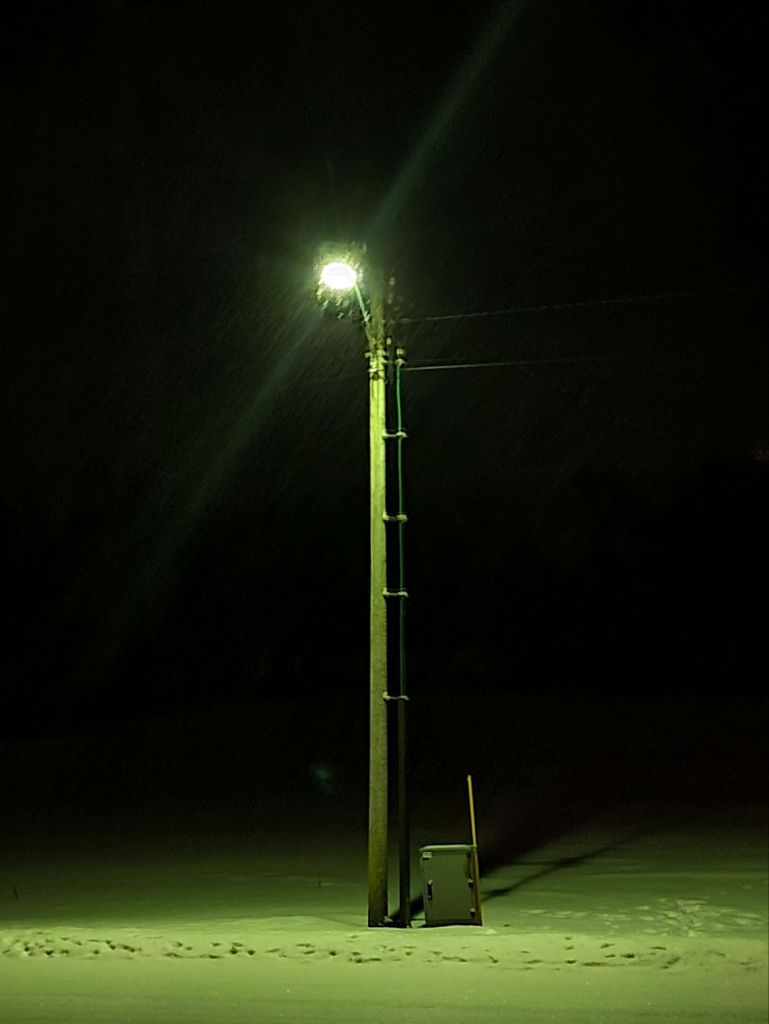
I remember your light
because I don't want to remember
reality
I remember your light
because I don't want to remember
reality

302 (Nov. 1887-March 1888)
If only human values would be put back once and for all into the places in which alone they belong: as loafers’ values. Many species of animals have already vanished; if man too should vanish nothing would be lacking in the world. One must be sufficient of a philosopher to admire this nothing, too (-Nil admirari)*
303 (Spring 1888)
Man a little, eccentric species of animal, which-fortunately -has its day; all on earth a mere moment, an incident, an exception without consequences, something of no importance to the general character of the earth; the earth itself, like every star, a hiatus between two nothingnesses, an event without plan, reason, will, self-consciousness, the worst kind of necessity, stupid necessity- Something in us rebels against this view; the serpent vanity says to us: “all that must be false, for it arouses indignation could all that not be merely appearance? And man, in spite of all, as Kant says-“
*Admire nothing-usually quoted in the sense of “wonder at nothing (from Horace, Epistles, I.6.1.).
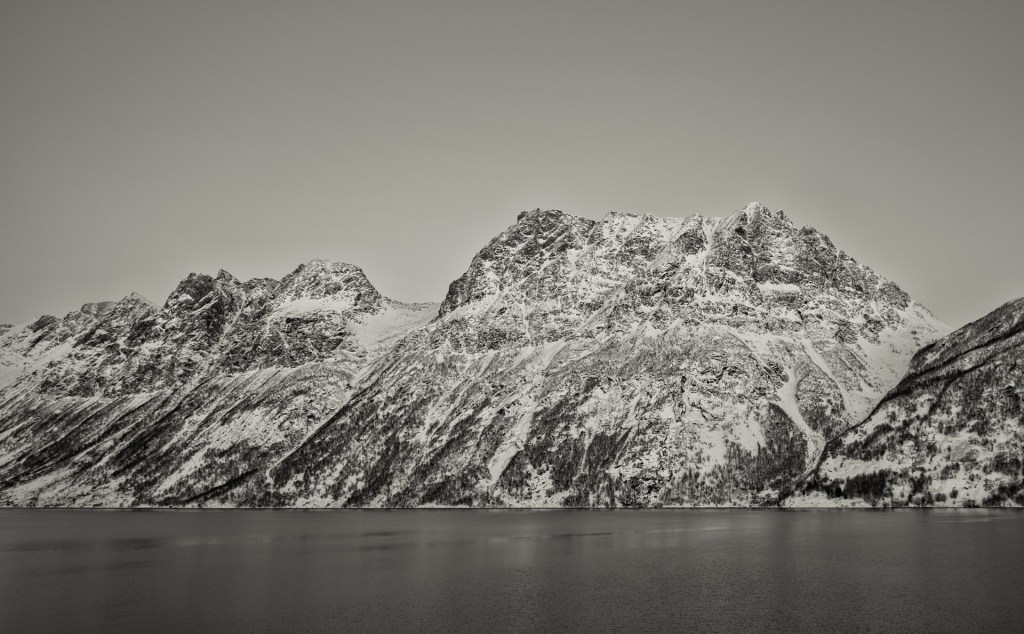
These mountains are standing there

like they did 400 million years ago


change means nothing to them
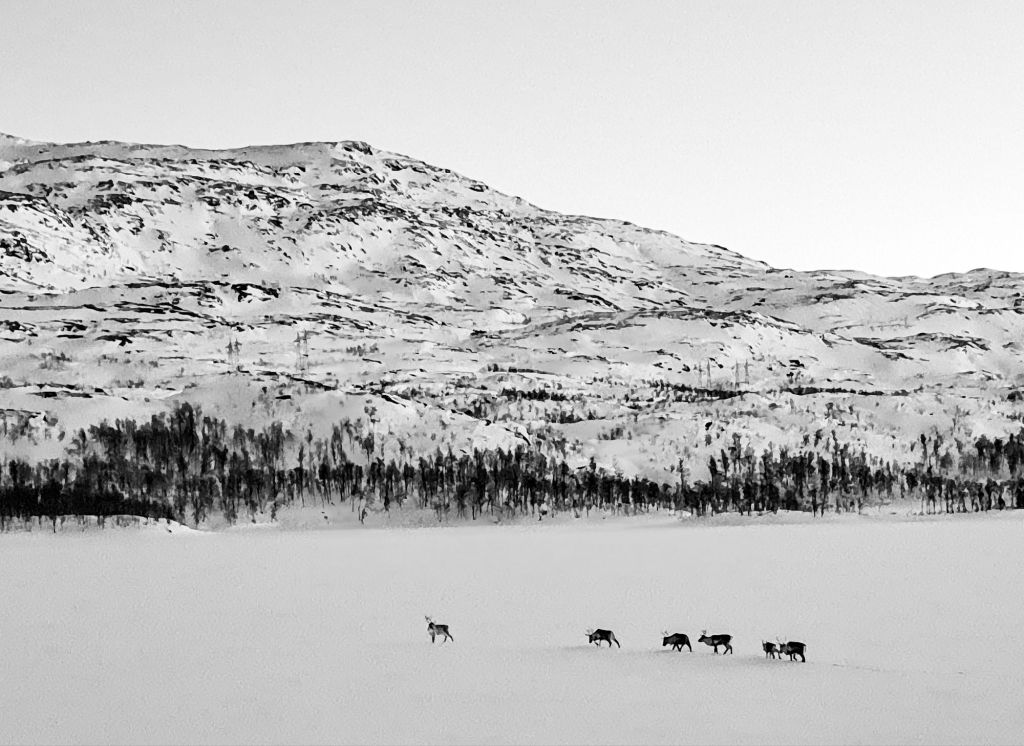
Who do you follow
when you're hungry and cold.

Is it just your stomach?

Don't look at me
when you open me up under pressure.
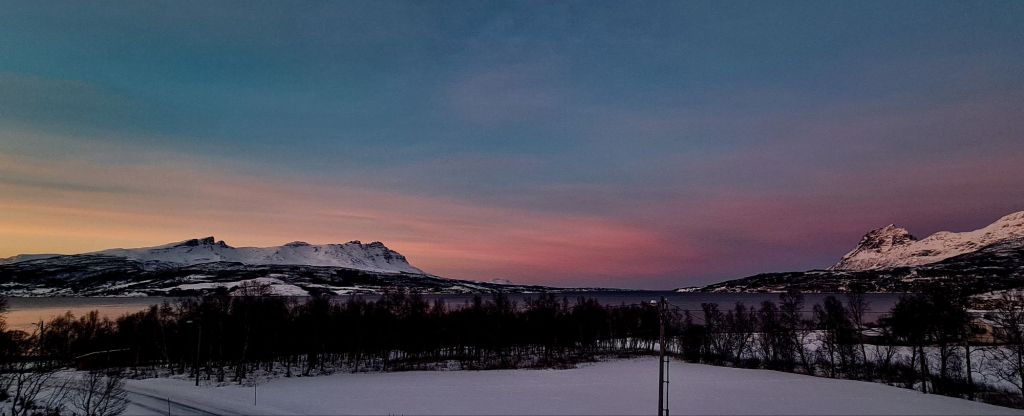
Today the day started beautiful late
and ended soon in darknes

That’s what you get if you live high

A new year
already blossomed
like last years
expectations

Preface (Nov. 1887-March 1888)
1 Of what is great one must either be silent or speak with greatness. With greatness, that means cynically and with innocence.
2 What I relate is the history of the next two centuries. I describe what is coming, what can no longer come differently: the advent of nihilism. This history can be related even now; for necessity itself is at work here. This future speaks even now in a hundred signs, this destiny announces itself everywhere; for this music of the future all ears are cocked even now. For some time now, our whole European culture has been moving as toward a catastrophe, with a tortured tension that is growing from decade to decade: restlessly, violently, headlong, like a river that wants to reach the end, that no longer reflects, that is afraid to reflect.
3 He that speaks here, conversely, has done nothing so far but reflect: a philosopher and solitary by instinct, who has found his advantage in standing aside and outside, in patience, in procrastination, in staying behind; as a spirit of daring and experiment that has already lost its way once in every labyrinth of the future; as a soothsayer-bird spirit who looks back when relating what will come; as the first perfect nihilist of Europe who, however, has even now lived through the whole of nihilism, to the end, leaving it behind, outside himself.
Editie translated by Walter Kaufmann and R.J. Hollingdale
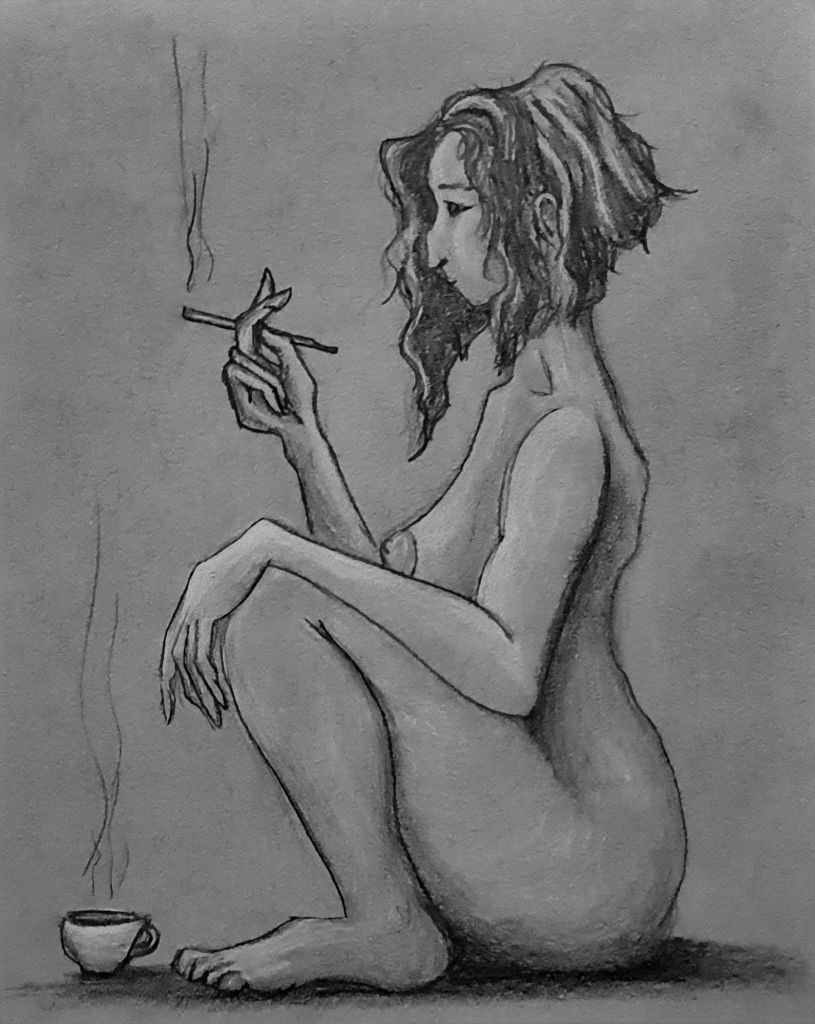
A mind that is not concerned with itself, that is free of ambition, a mind that is not caught up in its own desires or driven by its own pursuit of success – such a mind is not shallow and it flowers in goodness. Krishnamurti
We wake up in the morning of our life

naked, and you don’t mean anything to me; you are not there.

There is only me and an endless world inside

and out there somewhere.


Then they take you, they tell you without words

there are lines that divide.

You can’t even choose; your life is determined

like falling asleep.


You sometimes, while you are standing, see these lines in the corner of your mind

of the puppeteer pulling on the loose hanging strings.

You almost started to forget your why.


We all long to before those lines

to the other side.

To nowhere land, where we can play again

the puppeteer

and sit down

naked.
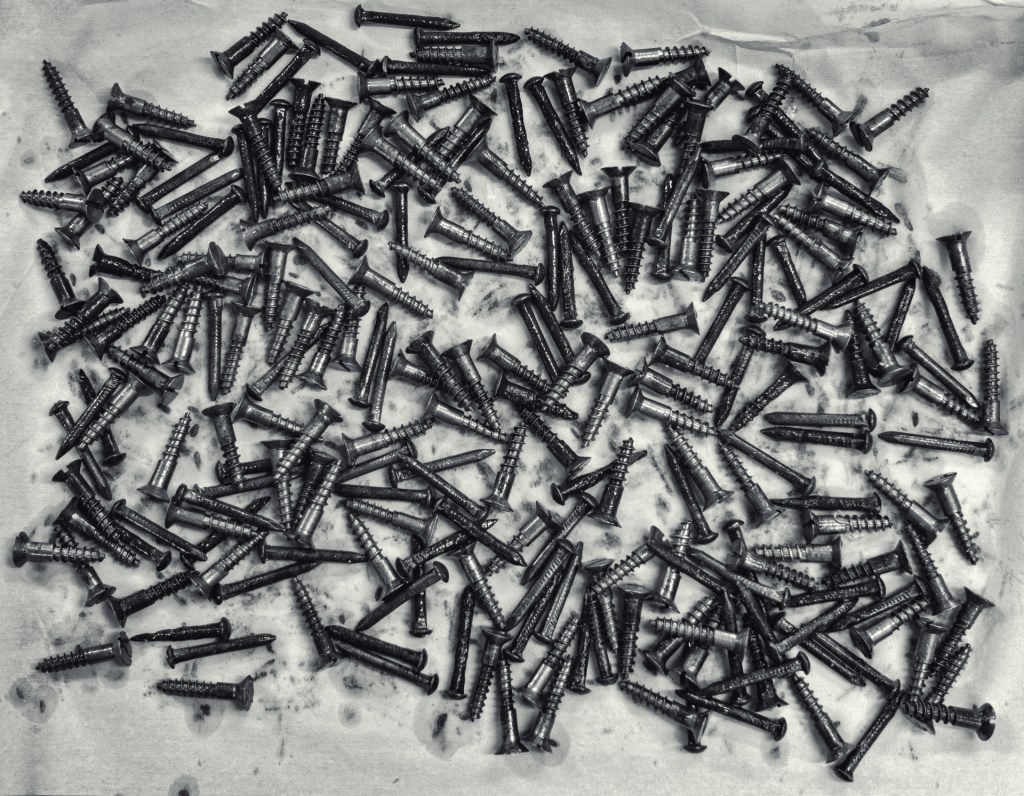
Try to count the nails you see in this picture. You know it is possible, but without help, it is mere impossible. These randomly placed nails are, for me, a metaphor for the society we live in. We all try to count the few nails around us and succeed, giving some of us the hubris to think that if we continue counting, we will eventually count them all and find an answer.
Do we dare to admit that we never find the answer to our problems? The irritating thing is that we know there is an answer, but one we never will know because of the lack of an arbiter. We are all alone.

I maintain that truth is a pathless land, and you cannot approach it by any path whatsoever, by any religion, by any sect. That is my point of view, and I adhere to that absolutely and unconditionally. Truth, being limitless, unconditioned, unapproachable by any path whatsoever, cannot be organized; nor should any organization be formed to lead or to coerce people along any particular path. If you first understand that, then you will see how impossible it is to organize a belief. A belief is purely an individual matter, and you cannot and must not organize it. If you do, it becomes dead, crystallized; it becomes a creed, a sect, a religion, to be imposed on others”

116 The everyday Christian. – If the Christian dogmas of a revengeful God, universal sinfulness, election by divine grace and the danger of everlasting damnation were true, it would be a sign of weakmindedness and lack of character not to become a priest, apostle or hermit and, in fear and trembling, to work solely on one’s own salvation; it would be senseless to lose sight of one’s eternal advantage for the sake of temporal comfort. If we may assume that these things are at any rate believed true, then the everyday Christian cuts a miserable figure; he is a man who really cannot count to three, and who precisely on account of his spiritual imbecility does not deserve to be punished so harshly as Christianity promises to punish him.

The fields follow no one

formed by forces already gone

like the first ones here

already saw


we cross them like we do

all in the same direction

and we only notice what stands out

when the mist subsides


like a tree with no leaves
all alone
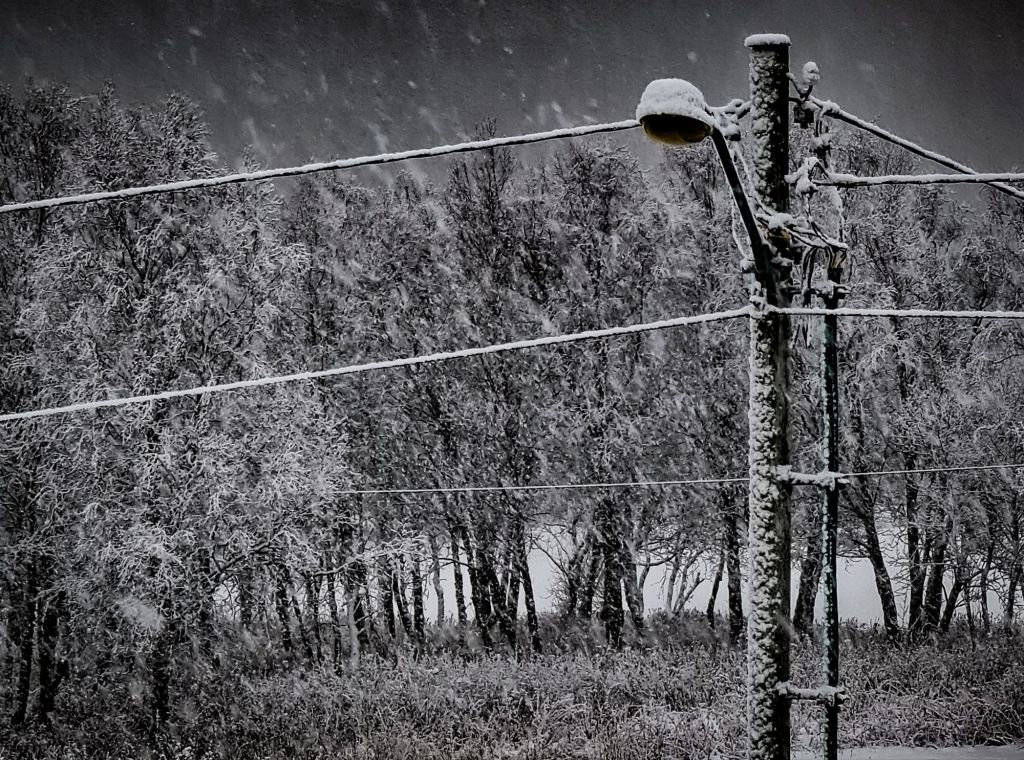
The light appears out
in the darkness

or is it the white
of the cold snow
that contradicts

137 The worst readers. -The worst readers are those who behave like plundering soldiers: they take the few things they can use, leave the rest dirty and disordered, and slander the whole.

 Nochrisis