
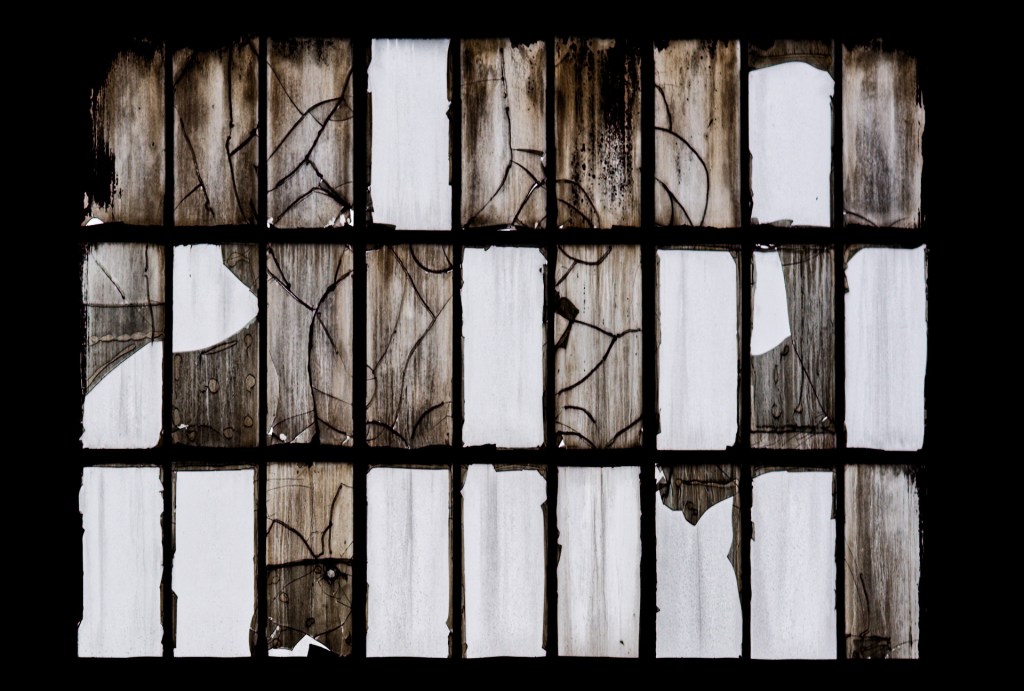
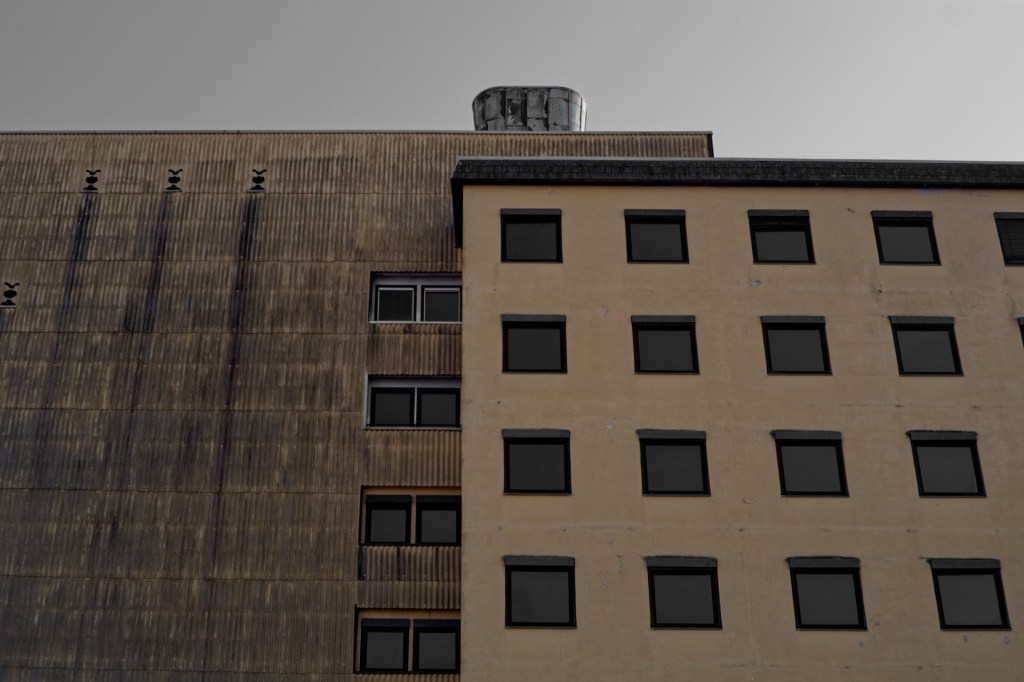
I don’t dare to get close to the window
it’s for what I don’t see inside
what makes me afraid

I keep staring
but now just at the window
a substitute
fascinating on its own
and I imagine
representing you
inside

Do I even have to come closer?
I don’t dare to get close to the window
it’s for what I don’t see inside
what makes me afraid
I keep staring
but now just at the window
a substitute
fascinating on its own
and I imagine
representing you
inside
Do I even have to come closer?

They say that the earth is not doing well, or, to narrow it down, the people living on this rock are not working together well.
First, the Earth. I am no expert, but even if we all wanted to, we could not destroy the Earth. I doubt that in 500 million years, there will be any trace left of us, and we could not even imagine what will see the sunset by then, but I am pretty sure it is not reminiscing about us while enjoying the colours.
On working together. If you read history in a certain way and combine that with some unattached observations made during your own life, you will know that two or more people working together is more often than not a challenge. Even if you live with the same person in the same house for many years, you will still encounter odd miscommunications that result in late arrivals or worse.
Most of us have also worked in groups, whether at work, in a sports club, or organizing a family event. If you work together enough, a certain rhythm will take over, but I can’t imagine someone who has never felt a slight chaos while achieving a goal. Sometimes you see this happening right in front of you, as someone who is led around, but also when you have been in charge, the feeling of a loss of control will not be unknown to you.
Now extend it to the country you live in. There are good leaders, and the bigger the pool, the larger the chance one of these exemplary leaders will be in charge. But even if this is happening, these people’s organizing skills have to be delegated downwards, and the first layers in this bureaucracy might be staffed by competent people, but soon the first administrators are directly recruited out of the cultural habits of that particular country, and acting accordingly. From a few people to the largest countries, they all had and have their goals, they started in the direction they wanted, and sometimes reached them. However, they all share a low efficiency, a high amount of wasted resources through mismanagement, and incompetence.

2 I set apart with high reverence the name of Heraclitus . When the rest of the philosopher crowd rejected the evidence of the senses because these showed plurality and change, he rejected their evidence because they showed things as if they possessed duration and unity. Heraclitus too was unjust to the senses, which lie neither in the way the Eleatics * believe nor as he believed – they do not lie at all. It is what we make of their evidence that first introduces a lie into it, for example the lie of unity, the lie of materiality, of substance, of duration.… ‘Reason’ is the cause of our falsification of the evidence of the senses. In so far as the senses show becoming, passing away, change, they do not lie.… But Heraclitus will always be right in this, that being is an empty fiction. The ‘apparent’ world is the only one: the ‘real’ world has only been lyingly added …
494 It is improbable that our “knowledge” should extend further than is strictly necessary for the preservation of life. Morphology shows us how the senses and the nerves, as well as the brain, develop in proportion to the difficulty of finding nourishment.

It was left behind
an unfinished story
you walked away from

and now
in your hindsight
you still don’t understand
where it was going

It gets left behind
an unfinished story
you walked away from

and now
…
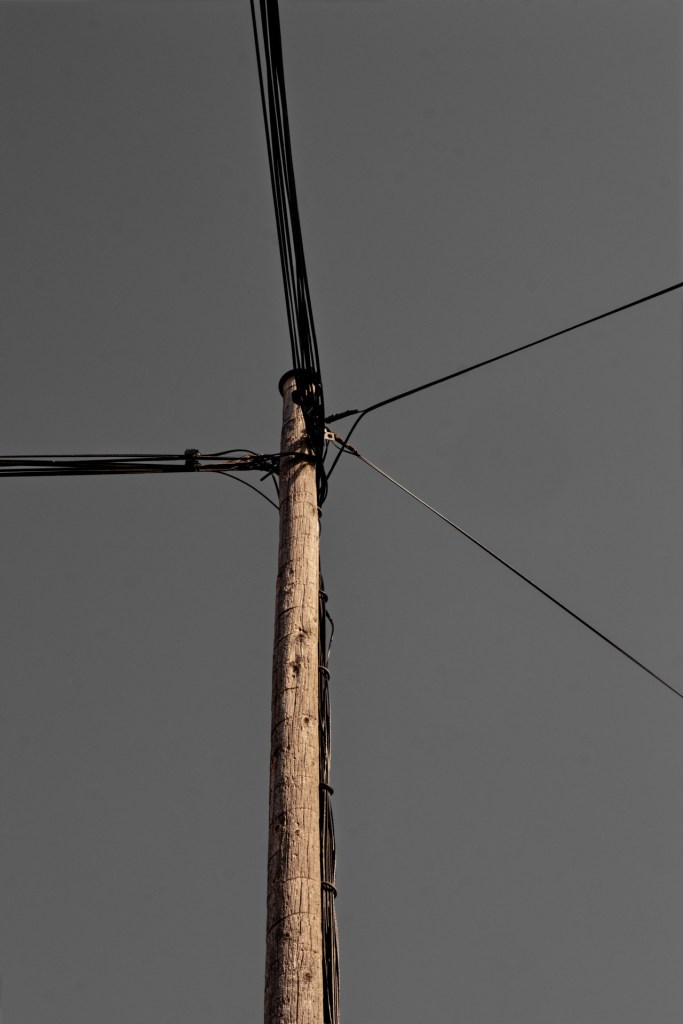
I don’t know if I support you all
or that you support me

ether way
we are all where we are
supposed to be
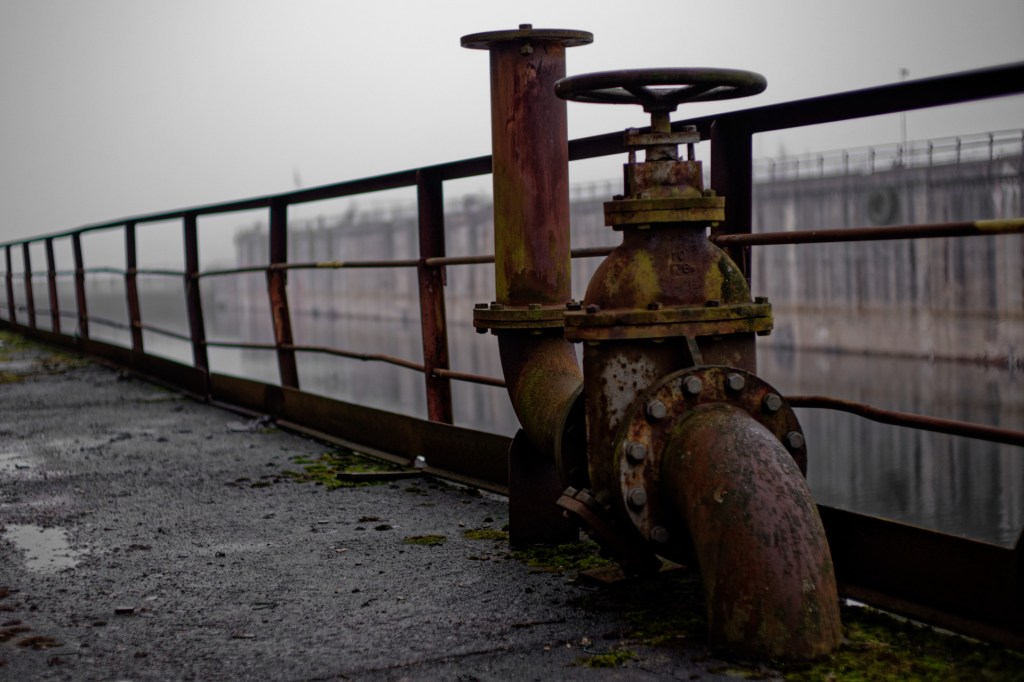
Sometimes I get the urge
to turn it
and see what happens
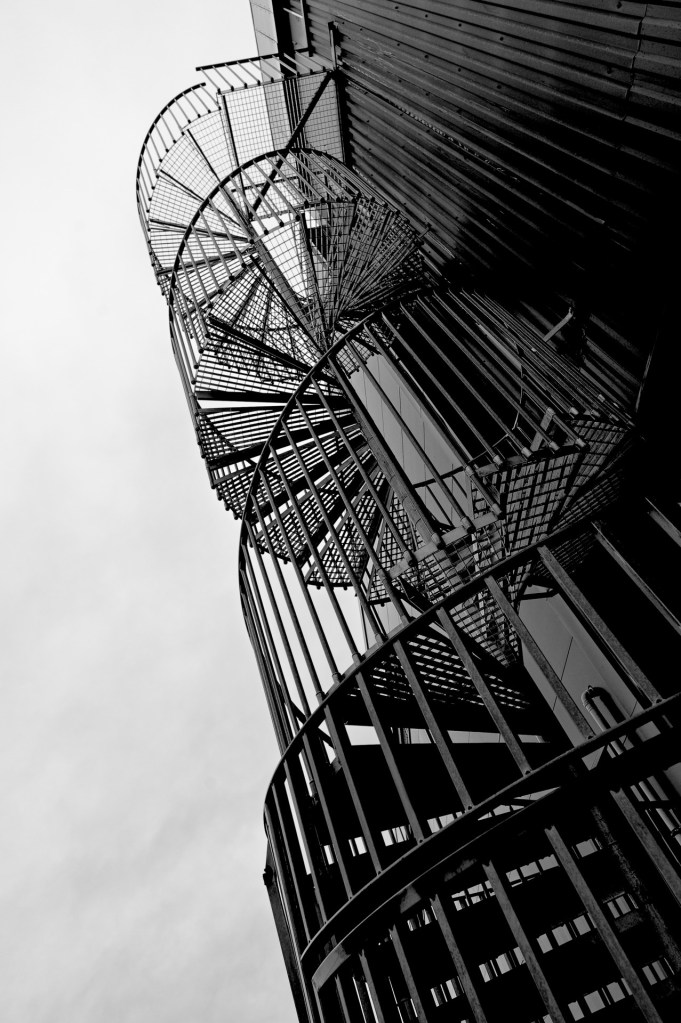
The spiral stairs you take
up or down
is made of a thousand
individual pieces

and though you put it there
you haven’t made a single piece
of it
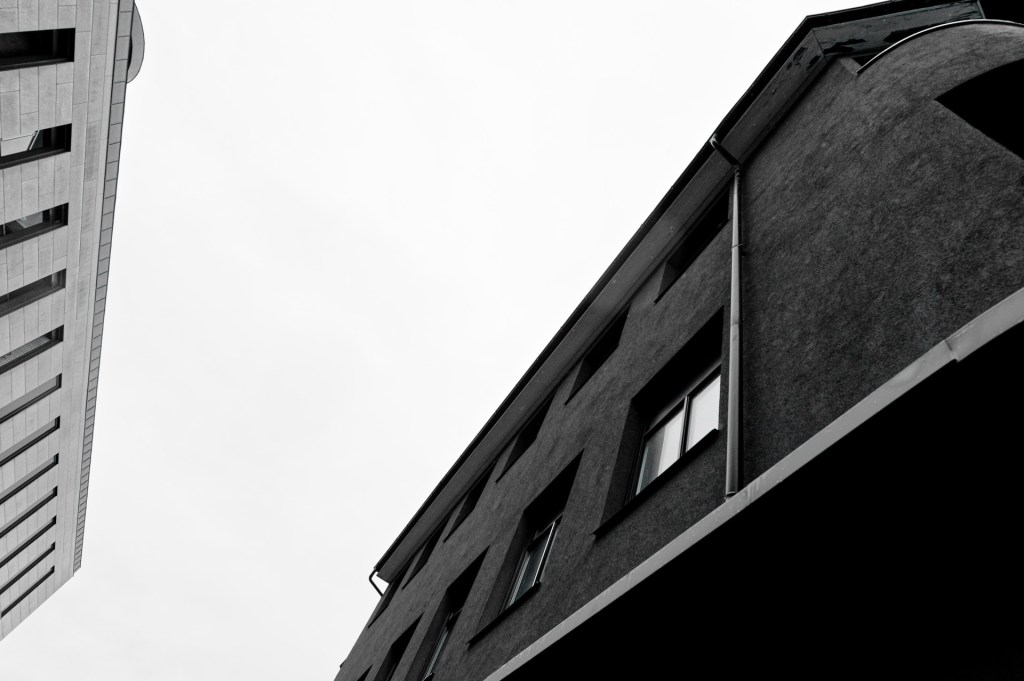
I have the feeling that between the light side
and the dark side
there is more light

but maybe I am wrong
I just don’t remember
that it was dark in between
and that is something you normally do remember

38 Are you genuine, or just an actor? A representative? Or the very thing that’s represented? In the end you may simply be an imitation of an actor . . . Second question of conscience.

My whole house started tilting
but I didn’t roll out of bed

it wasn’t a dream
my eyes were open
staring at a ceiling
disorientated
the tilt went on
the other way

the remedy I knew
if this needed healing
was to get up
and so I did

Out of necessity our houses are square boxes
it reflects the corners where our thoughts stop

if only we had round houses
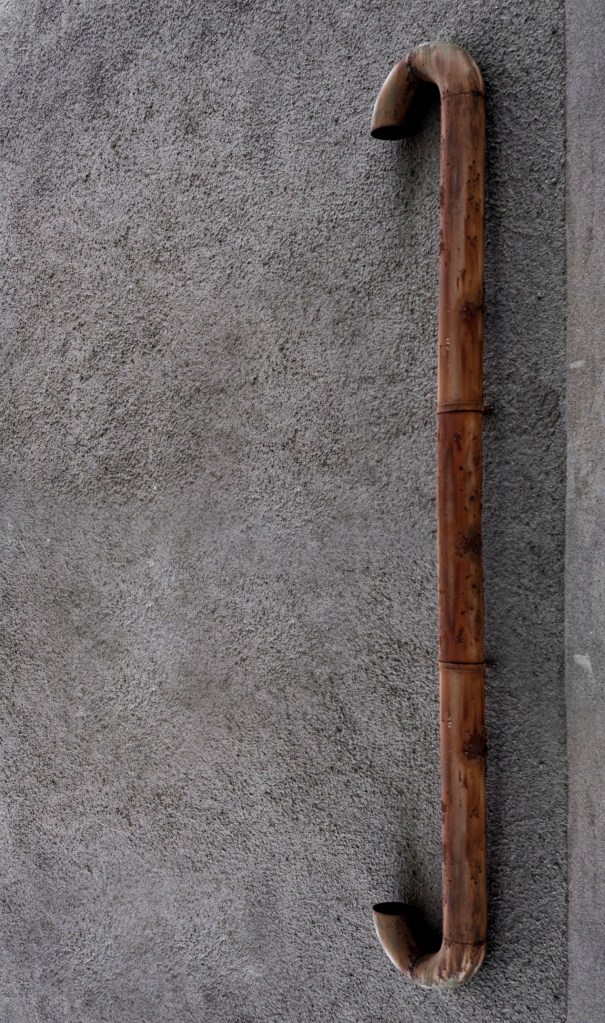
They say fresh air is good for the mind
it removes the dust settled on your thoughts
you can see again how it once shone
and recognize
where you once were

but do make sure
you know your fresh air
that it is not coming from another
inside
but an open mind

Even though the door you stand for
is held up by heavy hinges

you are afraid
you can’t open it

if only the door had a window
so you know
your first steps can be taken
safely
so your choice
can slowly surround you

Your roots grow into your crown
the life you wear so proudly
or not

but when you reflect
the shadows on a white wall
all the roads you have traveled
the dead ends with their views

you can only hope
there are no windows
from dark rooms
reflecting angles
you forgot
Consciousness
one of those words that gets a meaning
when spoken in a sentence

I am conscious of that

Is there only consciousness
when in relation to something else?
 Nochrisis