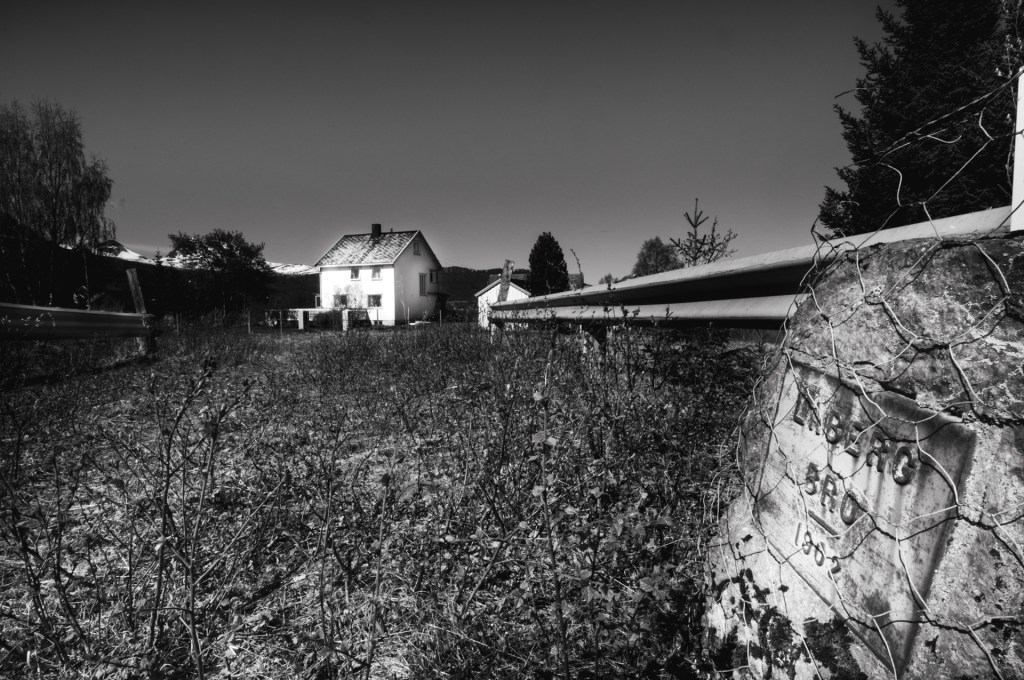
From the bridge that I am crossing
I look forwards
not realizing
that I look back
From the bridge that I am crossing I look forwards not realizing that I look back

We are good in measuring things
but bad in remembering
what we have measured

278 – Wanderer, who are you? I watch you go on your way, without scorn, without love, with impenetrable eyes – damp and downhearted, like a plumb line that returns unsatisfied from every depth back into the light (what was it looking for down there?), with a breast that does not sigh, with lips that hide their disgust,with a hand that only grips slowly:who are you? What have you done? Take a rest here, this spot is hospitable to everyone, – relax! And whoever you may be: what would you like now? What do you find relaxing? Just name it: I’ll give you whatever I have! – “Relaxing? Relaxing? How inquisitive you are! What are you saying! But please, give me – –” What? What? Just say it! – “Another mask! A second mask!” …

If you are lucky
you might stand still

and look at the world
for a long time
after your summer
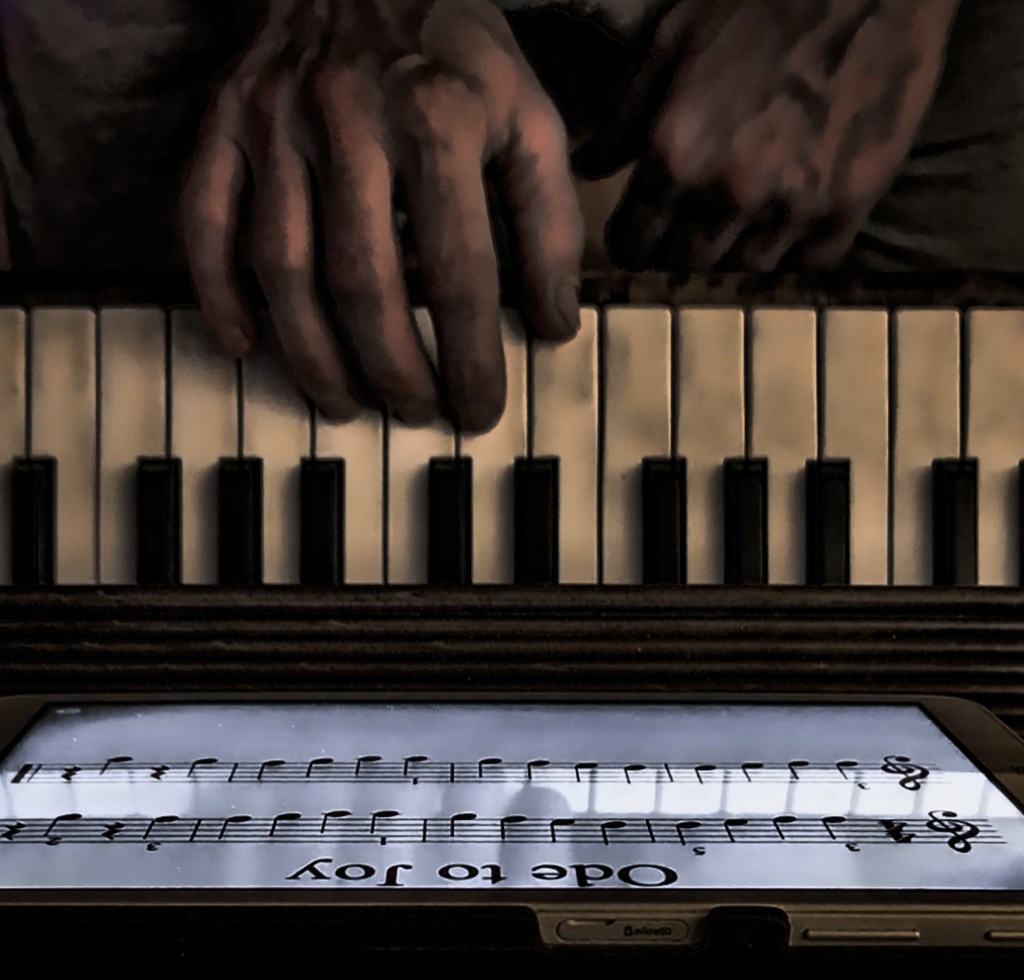
Each part of you tells me
how you feel

except your mind
Do you remember all the windows
you looked through
in your life?
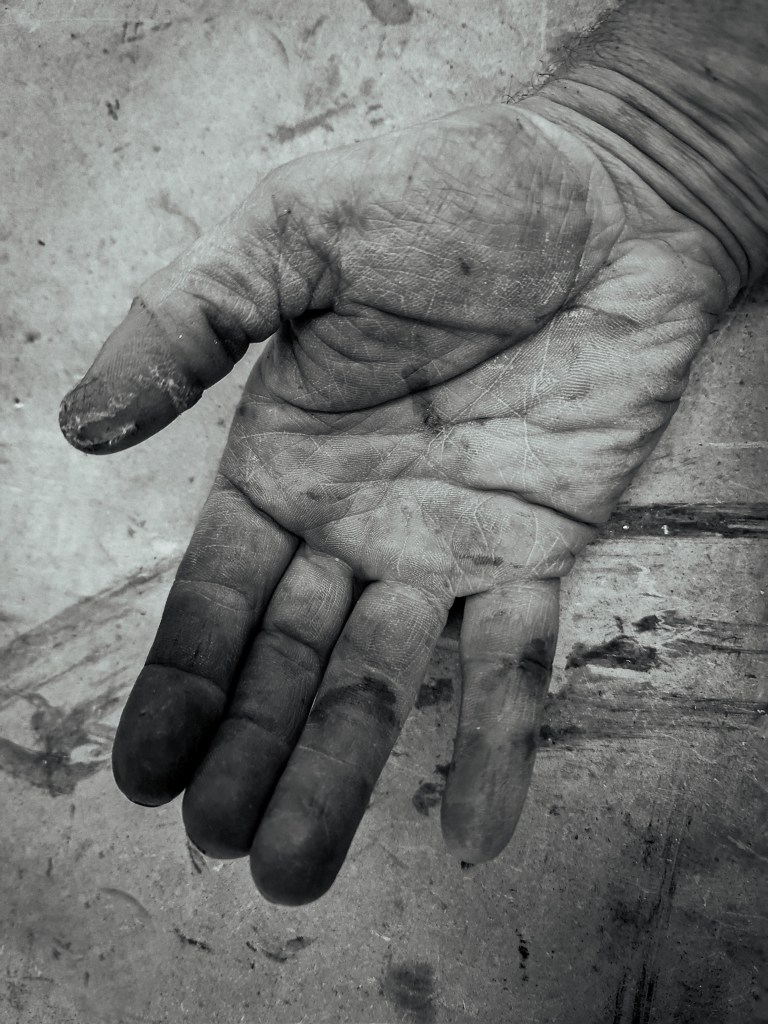
Maybe my other hand
is not the dirty hand I deal
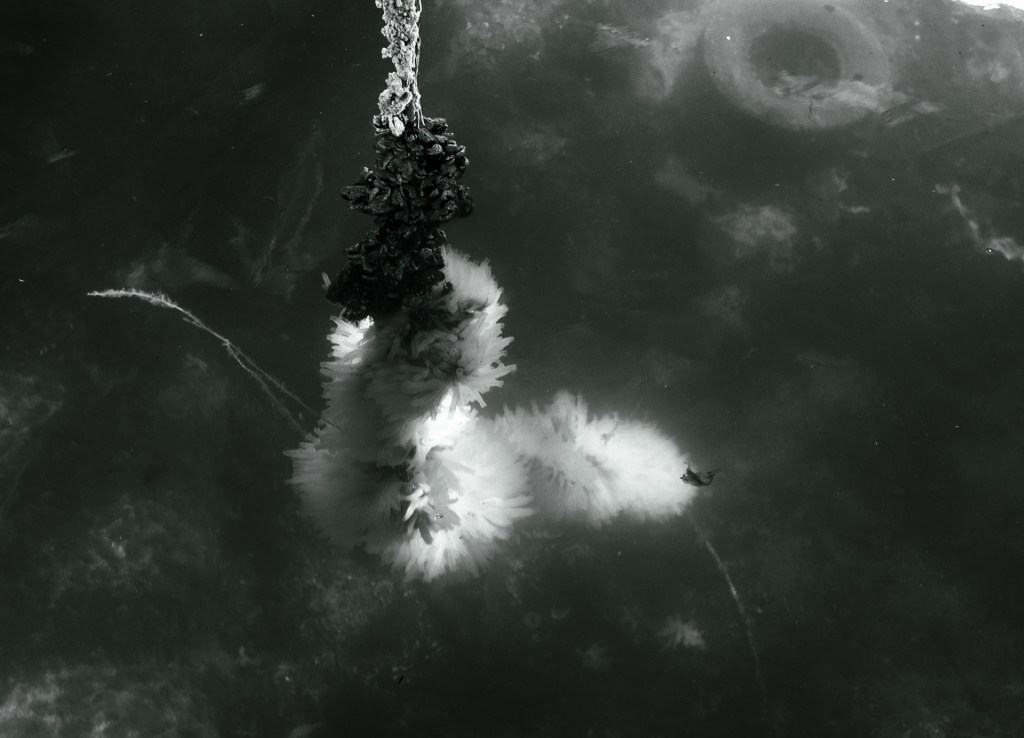
At night in my dream
I glow underwater
feeling the world
an adventure

but all along
the morning holds me tight
waking me up
in a sudden
pull

I only remember
the goodbye

32 The brake.- To suffer for the sake of morality and then to be told that this kind of suffering is founded on an error: this arouses indignation. For there is a unique consolation in affirming through one’s suffering a ‘profounder world of truth’ than any other world is, and one would much rather suffer and thereby feel oneself exalted above reality (through consciousness of having thus approached this ‘profounder world of truth’) than be without suffering but also without this feeling that one is exalted. It is thus pride, and the customary manner in which pride is gratified, which stands in the way of a new understanding of morality. What force, therefore, will have to be employed if this brake is to be removed? More pride? A new pride?

We opened our eyes to the world
from where we crashed
with clipped wings
staring at the chasm
we try to scale
in vain
Thrownness (German: Geworfenheit) is a concept introduced by German philosopher Martin Heidegger (1889–1976) to describe humans’ individual existences as being ‘thrown’ (geworfen) into the world in the sense of its having been born into a specific family in a particular culture at a given moment of human history. See: https://en.wikipedia.org/wiki/Thrownness

Your barbwire
handmade
wound by wound

keeps me out
you in

a leftover
from when the animals
grazed on your fields
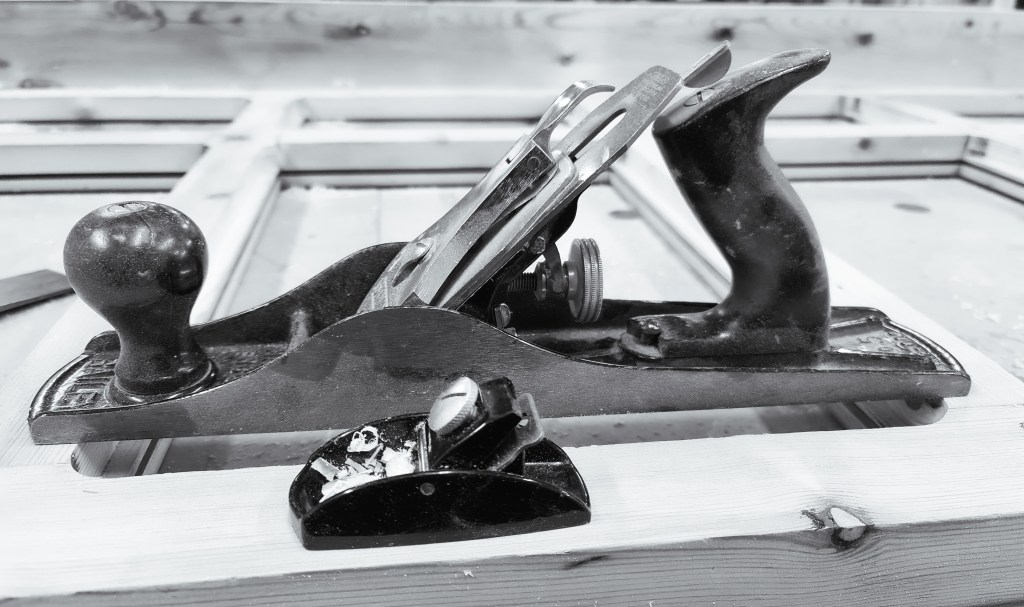
Sometimes you are pregnant of an idea
and than
a smaller version of you comes out
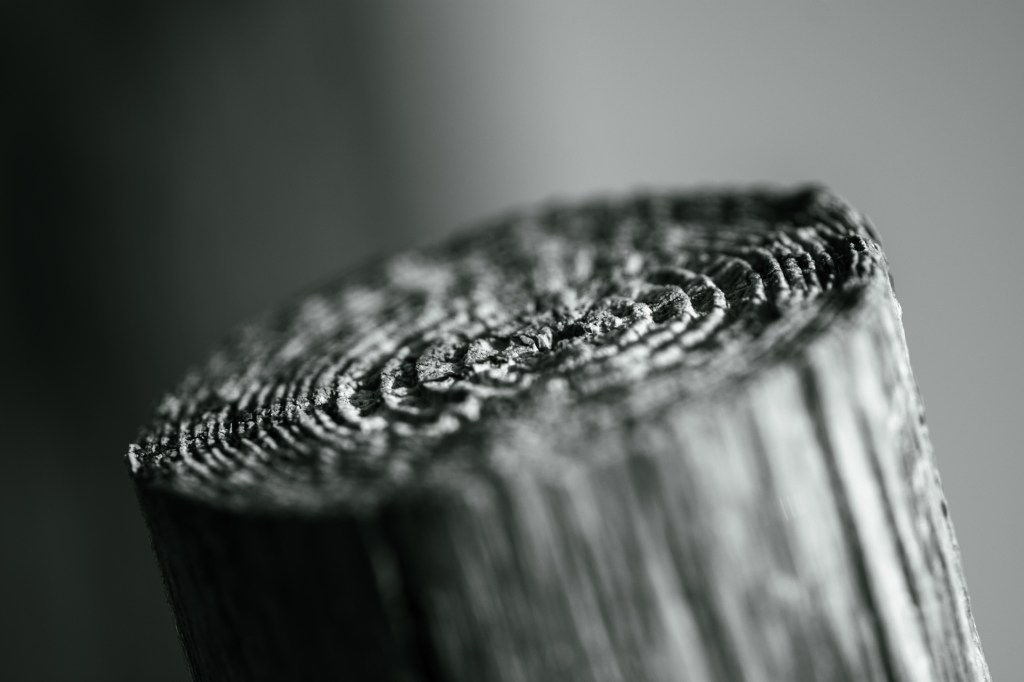
Life from start to end
is complete
like a circle with no end
or beginning

but for us
looking
at only parts of what we see
the sliver that makes sense
the blur we somehow
embrace

that life is a mystery
but only
because we can say it is

Some people are so focused on the lock
that they don’t realize that the door is open
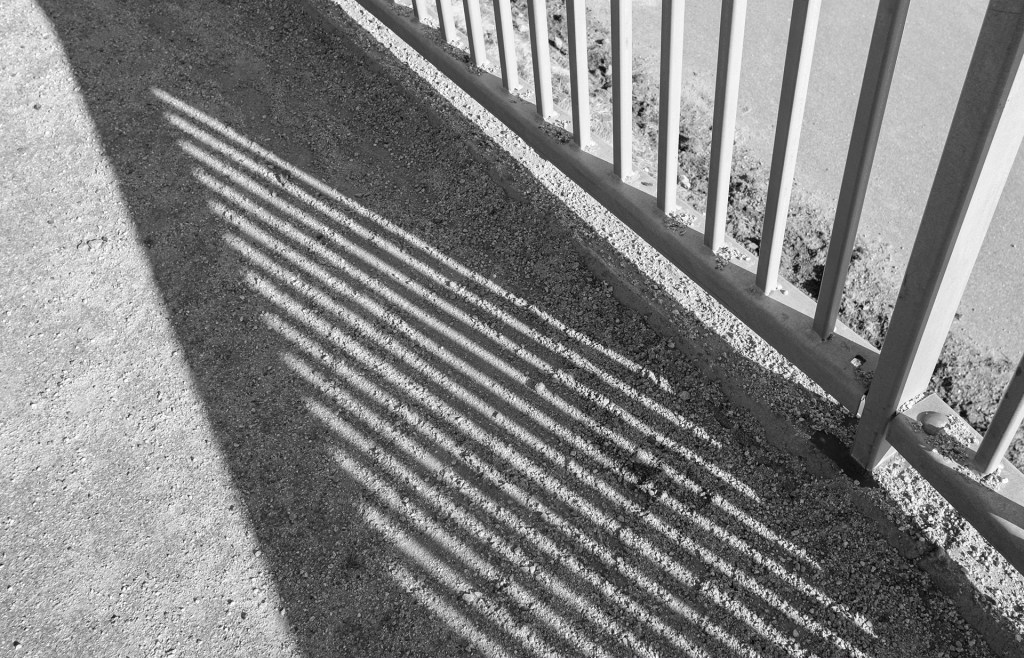
The bars that I see in the shadow
though fleeting in the dark
have kept me inside
for as long as I know

I try to grab them
like the ones I am holding now
but they are not there
to grab

they are not there
and that’s why I can’t brake them
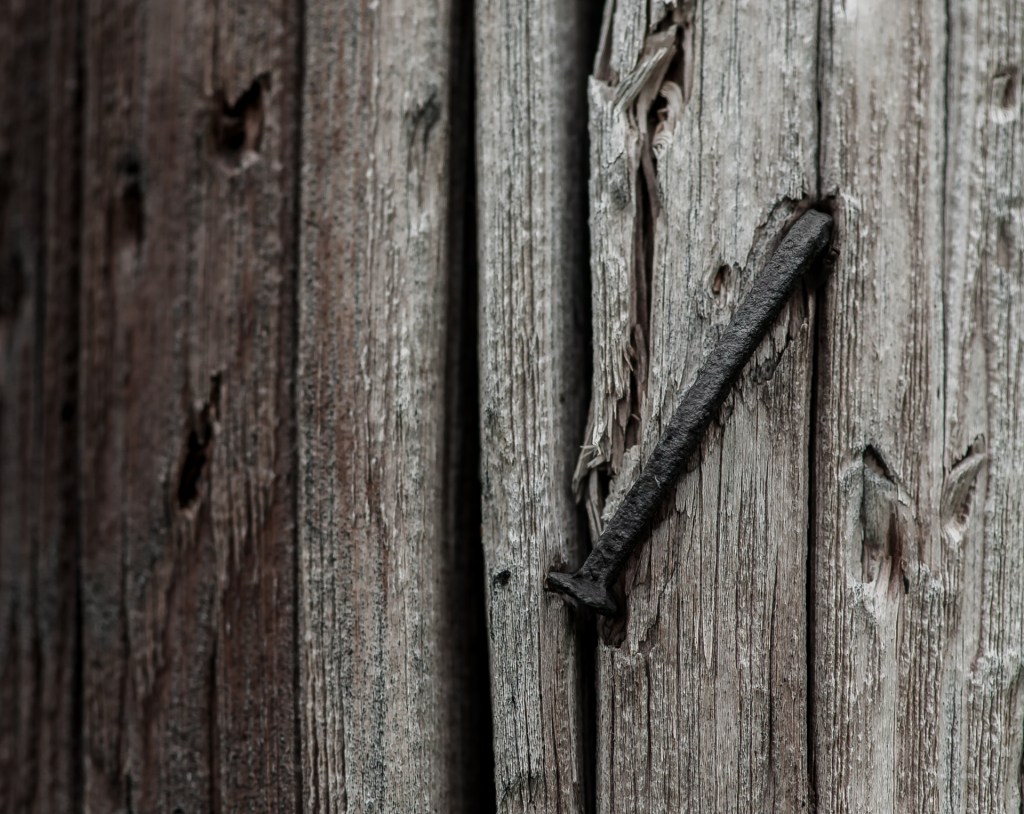
When you hit it wrong
but keep on going
you will eventually bend
the point
you were making
 Nochrisis