
In the future
or further away

the once sharp lines you now draw
begin to show another kind of pattern

one that hypnotizes
In the future
or further away
the once sharp lines you now draw
begin to show another kind of pattern
one that hypnotizes
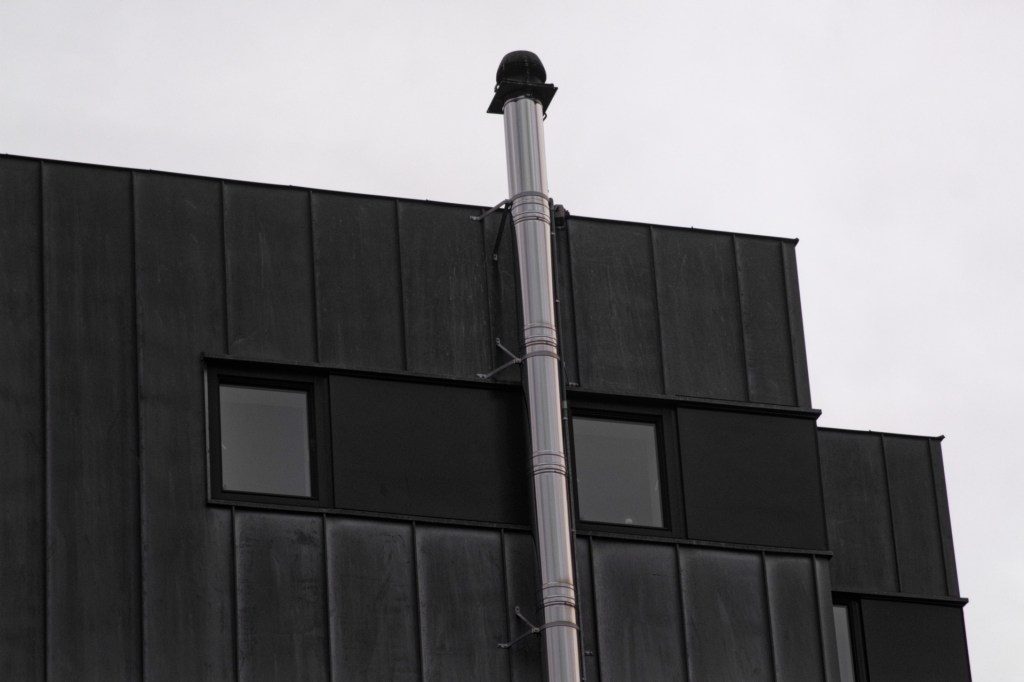
There is enough to see
amongst the dead buildings
sprung from dreams and nightmares

it’s just a matter of perspective
contrast
some lines
and an eager eye
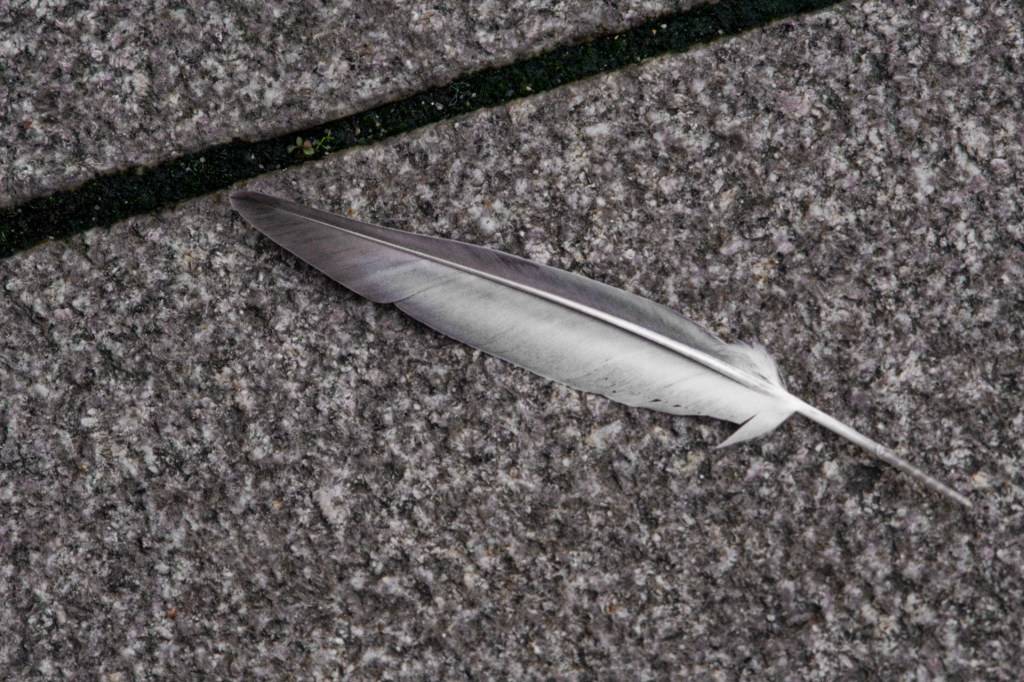
My wings are not clipped
but I lost some feathers
landing hard

hopefully I still have enough
next time I drive off a cliff
again

Underneath we all know
but live in bliss
till the day we know
the days we have left

I like buildings
they say nothing
while I let them say everything
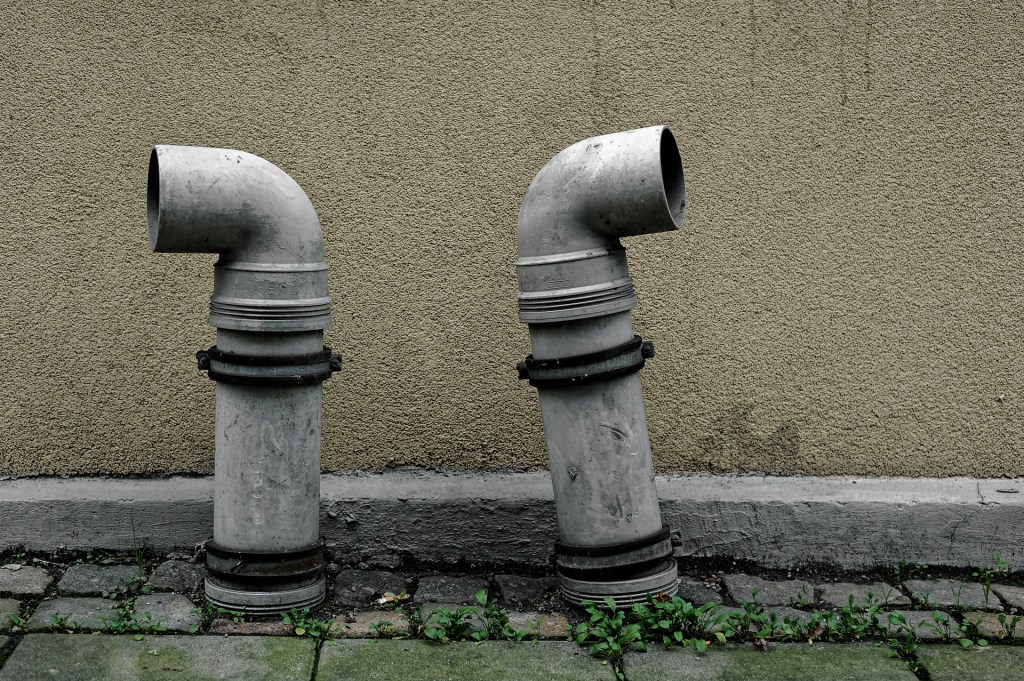
232 From a disputation. – A: Friend, you have talked yourself hoarse! – B: Then I am refuted. Let us speak of it no more!

I did not carve that line in concrete
but it sure does
forces me
to choose a side

I see tree branches reflecting
in two windows close to each other

they seem to be from the same tree
maybe I should turn around
and see for myself

David Hume wrote in his famous book, “An Enquiry Concerning Human Understanding,” that our thoughts are based on what we have seen before. Like imagining the golden mountain, it’s made of gold and the mountain we’ve seen before. The book goes much deeper and is considered a key work in philosophy. I don’t do it justice by highlighting this idea out of context, but still, I do.
Have you ever wondered where your thoughts come from? Do they just pop up out of nowhere? Is there something inside you that creates these thoughts from nothing? Where were your current thoughts when you were 5 years old? Do we piece our thoughts together over time? Are we just combining bits of what we’ve collected into our thoughts? Are we like the modern AI, stringing words together because they have fitted together before in our memories?
I think it’s not easy to be an original thinker. No matter what we do, we must use what we’ve learned to develop our own ideas, and only exceptional people can combine their knowledge into something truly original. It’s no coincidence that thinkers like Plato or Aristotle are still studied. They drew such deep conclusions from their experiences that hardly anyone since has matched them; we can at best follow their path and see if we can reach similar conclusions.
Imagine browsing a bookstore or social media. It seems everyone has an opinion, often equating it with that of someone who has dedicated their life to developing their views—someone who has faced all the dead ends and moved on. Climate change is a good example of an issue where many seem to have a clear understanding, even though experts struggle to fully grasp it and find solutions. As if they, the modern opinionated citizen, know the answer without the necessary experience.
We can’t imagine a golden mountain without first having seen a mountain and gold. The opinionated person can dismiss climate change without studying biogeochemical cycles, ecological and agricultural systems, or human-environment interactions. Do they question their dentist or mechanic with the same confidence?
It’s humility we need. I don’t know much about climate change, so I trust the experts—just like I listen to my doctor or trust Hume more than myself when he talks about our mind.
What a peculiar privilege has this little agitation of the brain which we call ‘thought’.
David Hume

When you are inside
you can see the reflection of yourself
when you're looking outside

The sky
turned gold tonight
when I looked
outside
to wonder
Day 1654
Early morning light
is framed by a closed window
reflecting my mind.
Day 964
We feel protected
by the symbols we live in
it’s quiet in there
Day 2789

The only outcome you get
when you measure it all
is a result
that is the same at the end
when you start over.

As human beings, we can easily feel overwhelmed. For example, you might go on a date with someone, and everything seems to click, making it feel as though you’ve known each other for a long time. Then, suddenly, they snap at the waiter. Or consider that new phone you’ve wanted for ages; after setting it up and trying it out, the excitement fades away in just three days, leaving you with just another phone.
Our expectations act like the bright sun, illuminating certain things while casting everything else into shadow, making the good seem overwhelming. That person or item feels so alluring that we desire them so badly, which can cloud our judgment and make it hard to think clearly. This realization can hit us quickly, as it does with the rude date, or it may take a few days, like with the phone.
We all understand this phenomenon; there are plenty of sayings that illustrate it, such as “blinded by love.” This isn’t necessarily a bad thing. Approaching any date with the mindset that they are likely flawed, which is often true, isn’t conducive to a pleasant date, a fulfilling love life, or even the potential for building a family—the cornerstone of our existence. In a way, evolution has wired us to be less skeptical when choosing a mate. This skepticism often arises only after time has passed, when good memories are replaced by reality.
While a bit of drama can make life more interesting, the downside of our impulsive behaviors is evident in the unnecessary purchases we make—like the telephone I just bought, which I didn’t even need. This irrational tendency within us fuels our lifestyle and the capitalist system we live in. If we all acted as responsible consumers, our economic system would come to a halt, which poses a problem for those who appreciate it. Personally, I wouldn’t mind finding a more responsible alternative.
The primary concern is the potential destruction of our environment. The excessive production of goods, the energy consumed in that process, and the waste generated. However, for now, we seem blinded by our desires and are unable to see the consequences lurking beneath the surface.

So many lines are drawn
between all these beginnings
and ends

and that is not
what is confusing
It is the togetherness that disturbs the eye
and mind

When I use the wrong lens
to capture what I see
the distortion is clear
to see

but where is the distortion
when I don’t see it
while using the same
optics

If you look down
and see these interesting
reflections
you have to be careful
not to step into them

because the ripple
will go further than you
expect
 Nochrisis