
Today
my thoughts were trapt
inside me

I had to live with them
Today
my thoughts were trapt
inside me
I had to live with them

I saw you hiding
in yourself

I saw no lock
from the outside
or handle
to try


maybe your open
or locked from the inside

I will never know
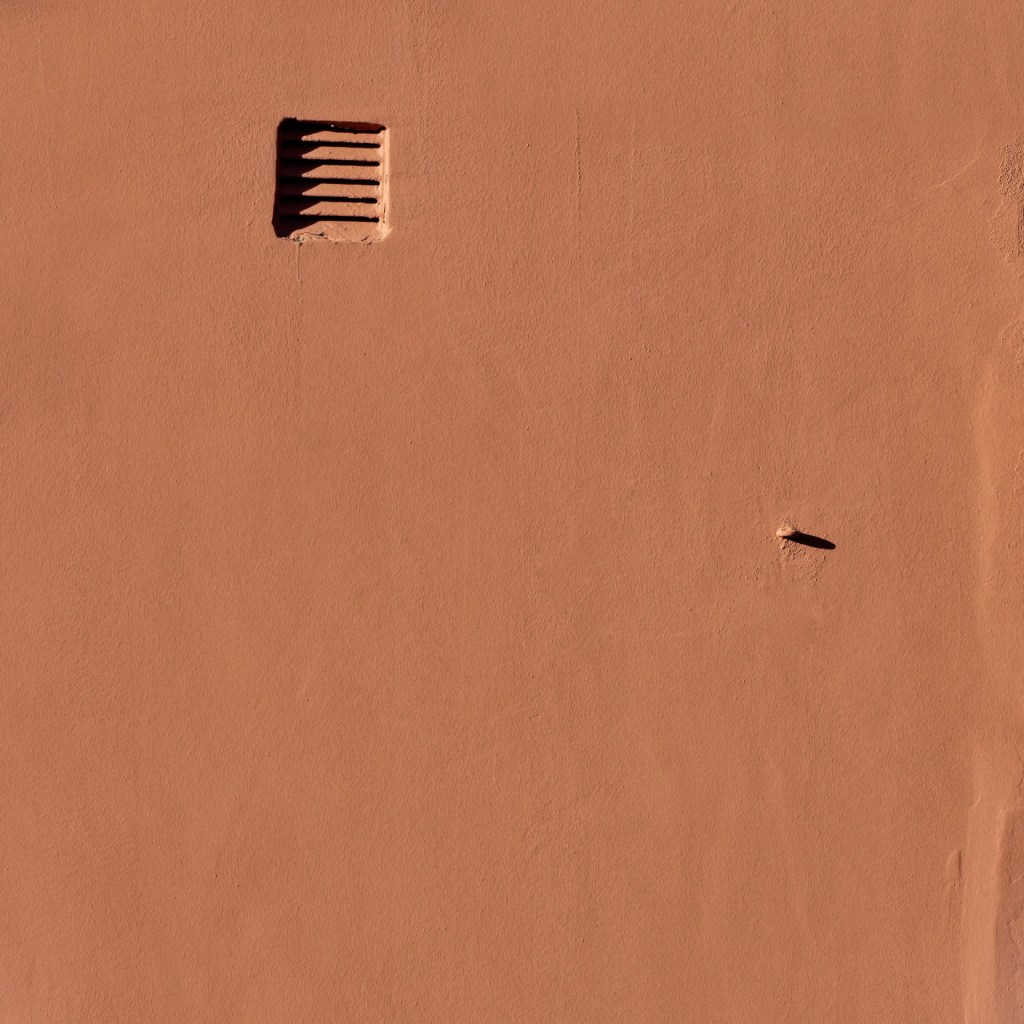
There is so much color in the city
but in my mind
looking back
I see grey

except
when I met you
my wall
standing still in front of you

I do remember
your color

I watched a documentary about organized warfare’s origins the other day. There was not much news, but it got me thinking about it again. We have a cat, and when she meets another cat, she would often sit down and observe, or the other cat would act aggressively and she run away, or when she felt she had a chance, she would act aggressively back. It is a wordless, instinctive reaction from an animal to a situation, something we often also do. The documentary distinguished between organized warfare or a fight between two groups of people who don’t know each other but meet on contested land and organized warfare. For this last one, you need a more sophisticated language to organize a clearer hierarchy and streamline these aggressive feelings towards the other (who you don’t know and just met) in a better way. The first, much older group lived thousands of years before a recognizable language existed. These early humans communicated more sophisticatedly than other animals, but no one had yet written a thesis on the art of war. It was only around 5 thousand years ago that we see the first thoughts about life and war written down; since then, some people have spent their lives thinking about it. But we are all still animals, and it is hard to deny that most people don’t read a book about philosophy or are otherwise critical of what we are capable of as humans and never wonder why and how we can think. I suspect that most people are like our cat; we are not aggressive per se but also are not in control of our reactions when meeting another cat or, in our case, another human. We are also conditioned by nature, like the cat. The only difference is that we can think about it after the fact…of our reaction.
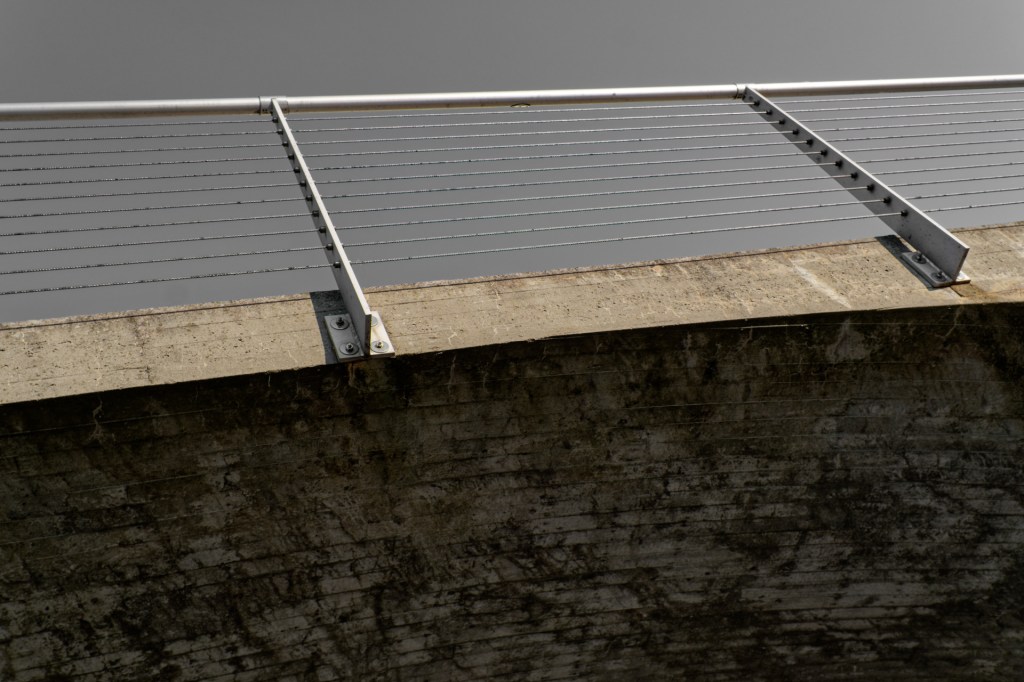
From down here
those guardrails look nice

luckily
down here
I can't fall far
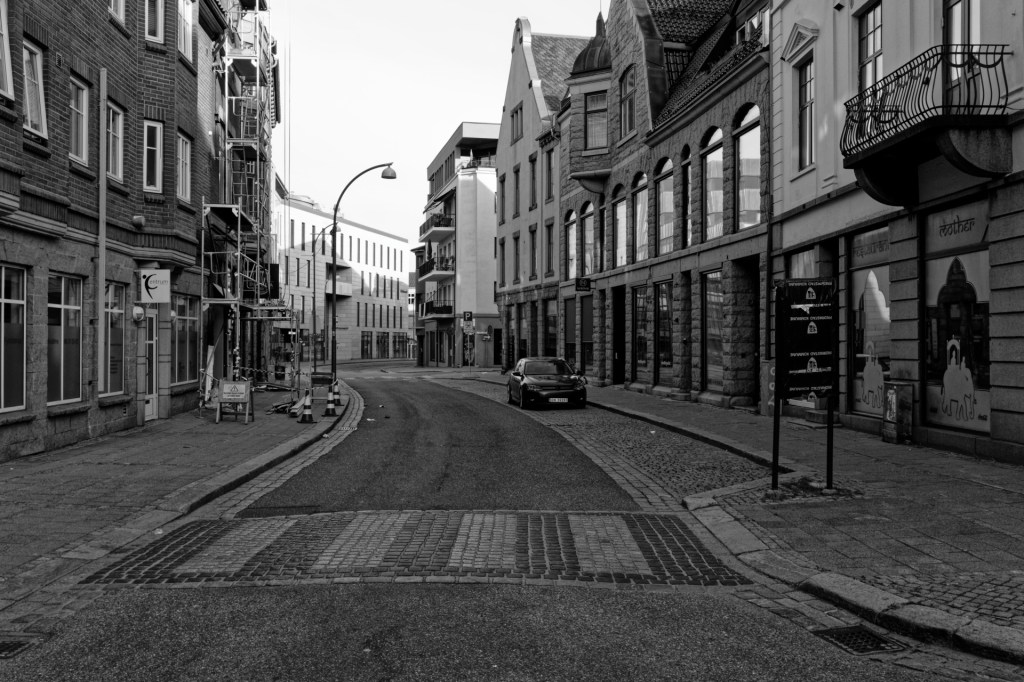
I love standing in the middle of a crossroad
when it is quiet
5 Psychological Explanation for This. – Tracing something unknown back to something known gives relief, soothes, satisfies, and furthermore gives a feeling of power. The unknown brings with it danger, disquiet, worry – one’s first instinct is to get rid of these awkward conditions. First principle: any explanation is better than none. Because it is basically just a question of wanting to get rid of oppressive ideas, we are not exactly strict with the means we employ to get rid of them: the first idea which can explain the unknown as known feels so good that it is ‘held to be true’. Proof of pleasure (‘strength’) as criterion of truth. – The causal drive is therefore determined and stimulated by the feeling of fear. The ‘why?’ is intended, if at all possible, not so much to yield the cause in its own right as rather a kind of cause-a soothing, liberating, relief-giving cause. The fact that something already known, experienced, inscribed in the memory is established as a cause, is the first consequence of this need. The new, the unexperienced, the alien is ruled out as a cause. So it is not just a kind of explanation which is sought as cause, but a select and privileged kind of explanation, the kind which has allowed the feeling of the alien, new, unexperienced to be dispelled most quickly and most often – the most usual explanations.-Result: one way of positing causes becomes increasingly prevalent, is concentrated into a system and ultimately emerges as dominant, i.e. simply ruling out other causes and explanations.-The banker’s first thoughts are of ‘business’, the Christian’s of ‘sin’, the girl’s of her love.
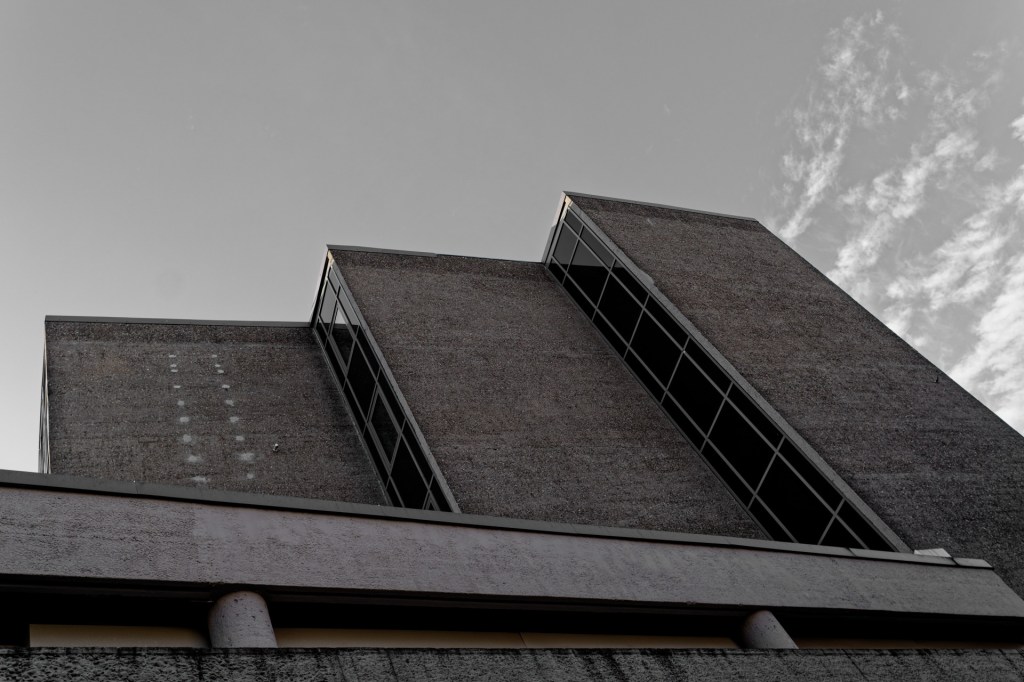
In life you sometimes feel like
falling

with no ground
underneath

you don’t tumble
just endlessly

it always seems
you pick up
where it ended

somewhere in thin air
some last time
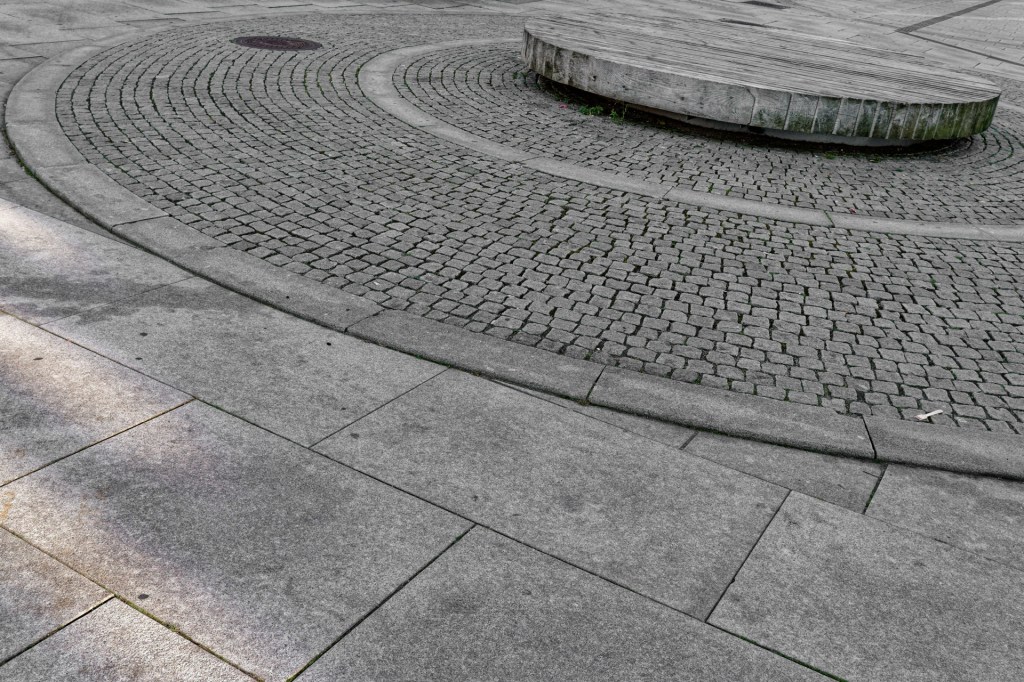
We move in particular ways
just so we can ignore
what is just
out of the frame
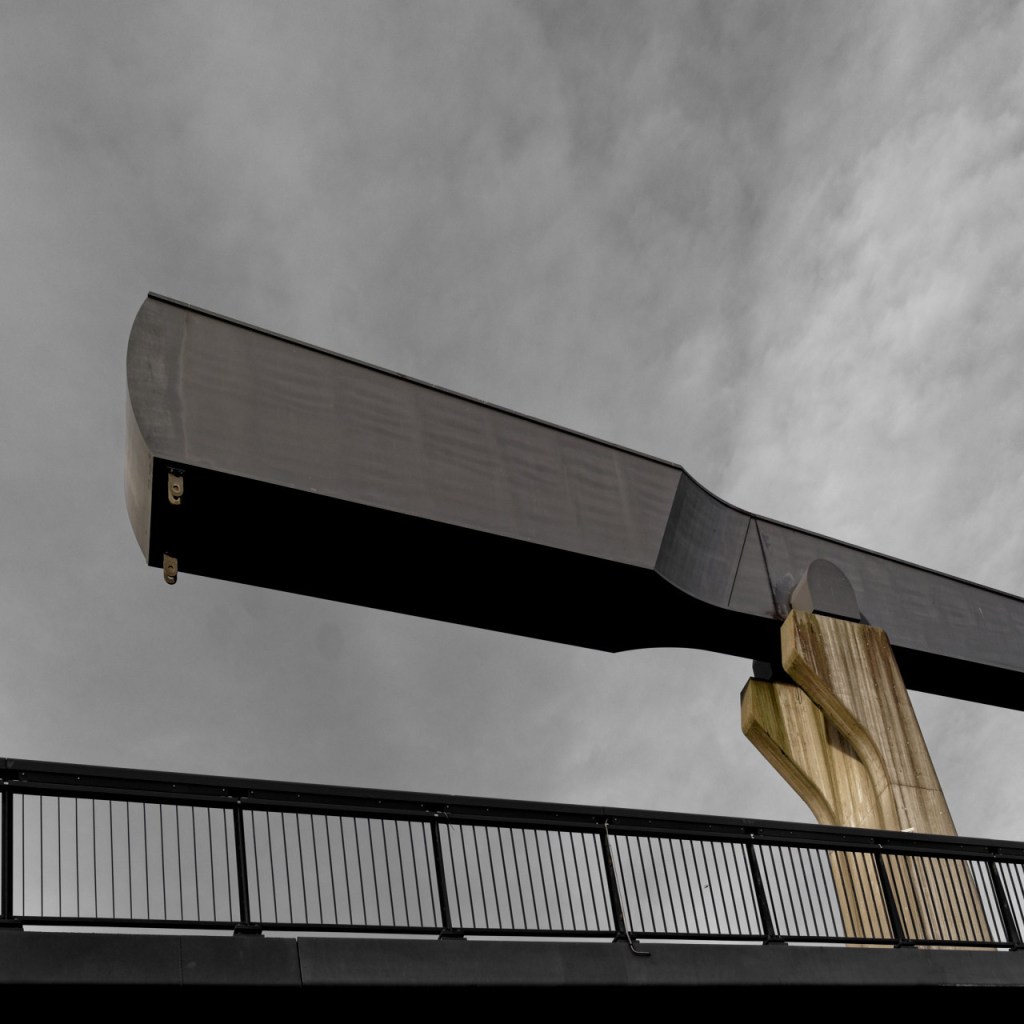
Sometimes you don’t know what lifts you up
other times you don’t know who you lift up
most of the time we lift nothing
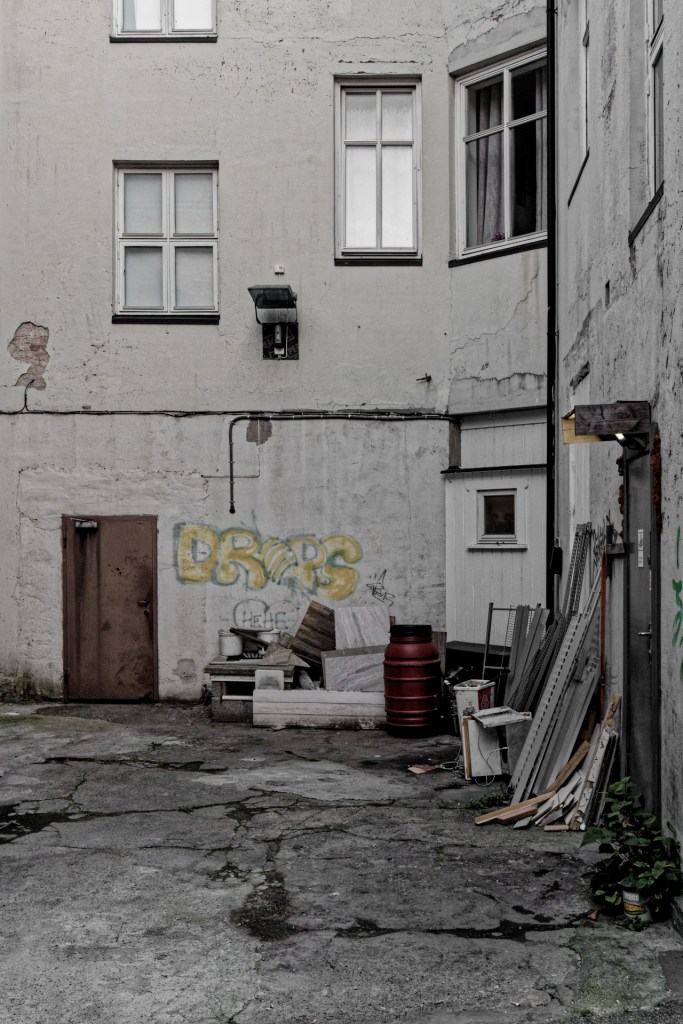
When I feel
looking back
I open a window
to inside
where memories linger
to let some fresh air in
hoping to be at least
reused
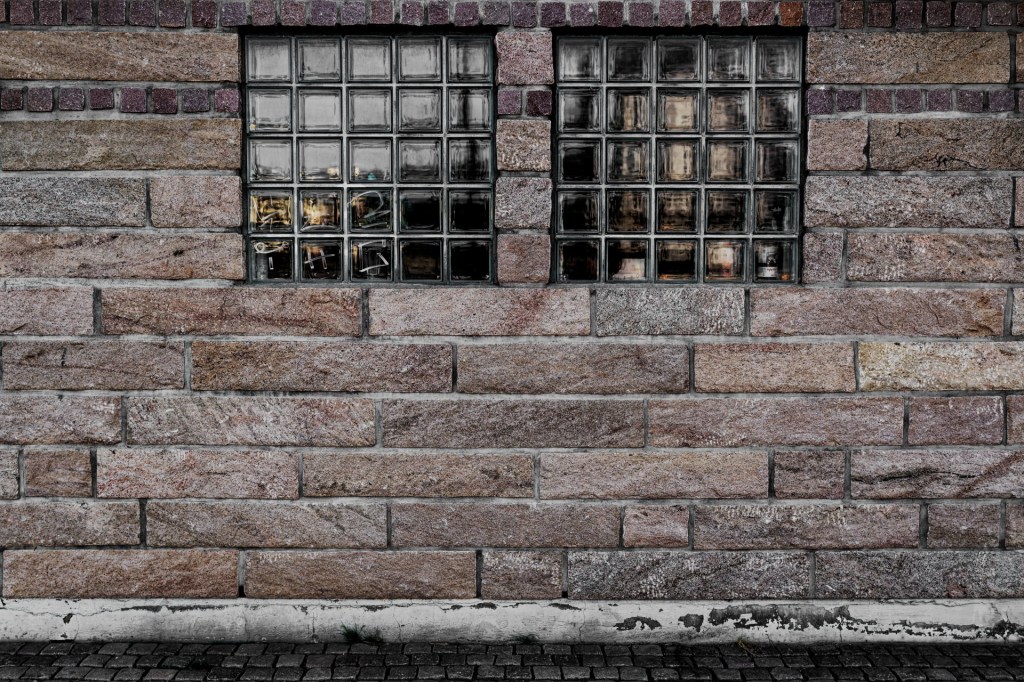
There are so many windows to look through
my window
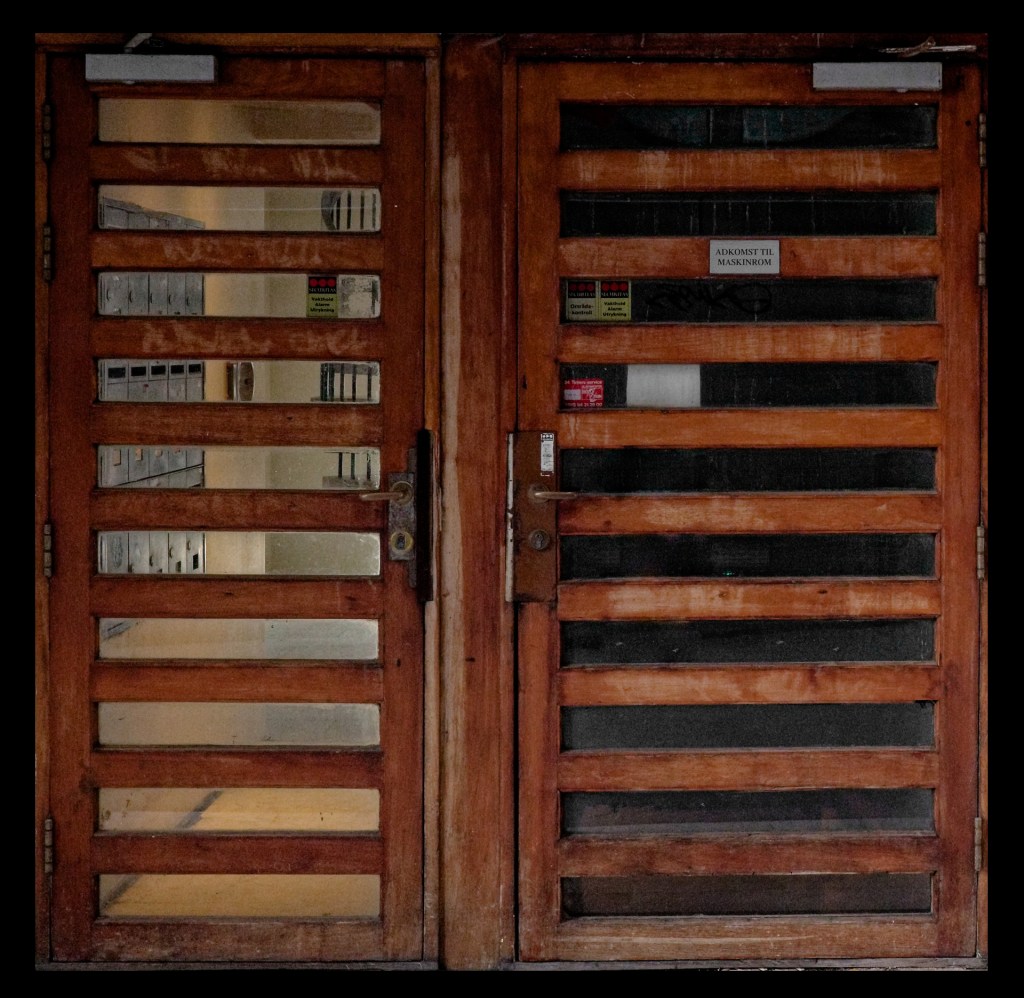
I have to go somewhere
one of two ways

one more light with reminders
one more dark
hidden reminders

remembering
such a human thing
no matter where
you go

I have to vent
but have to grow higher and higher
as not to smoke you out
but just take your sun away

Small minds are hard to crush
by walking over them

and don’t talk louder
but smaller
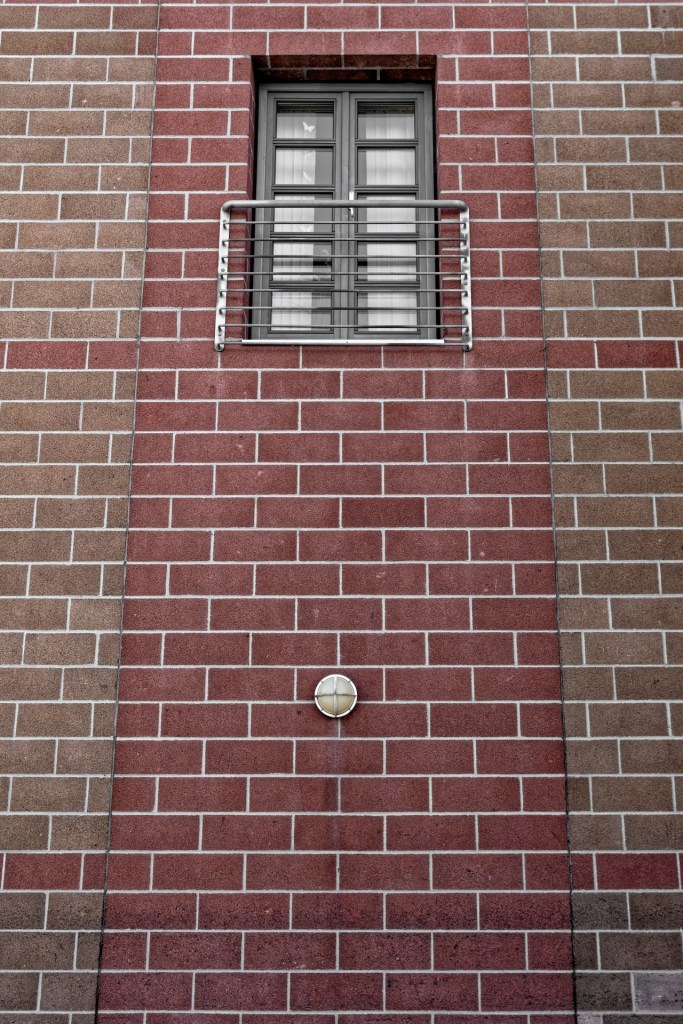
We appreciate symmetry
even when we are alone
we appreciate the loneliness
we also feel inside
 Nochrisis