
My hand on the door feels closed
while I stared trough this little window
at little mountains and blue skies

it's like the dream I wanted again
My hand on the door feels closed
while I stared trough this little window
at little mountains and blue skies
it's like the dream I wanted again

The wind blows the soft snow
in sharp lines

as if nowhere to go


and the dry winter cold
looks on
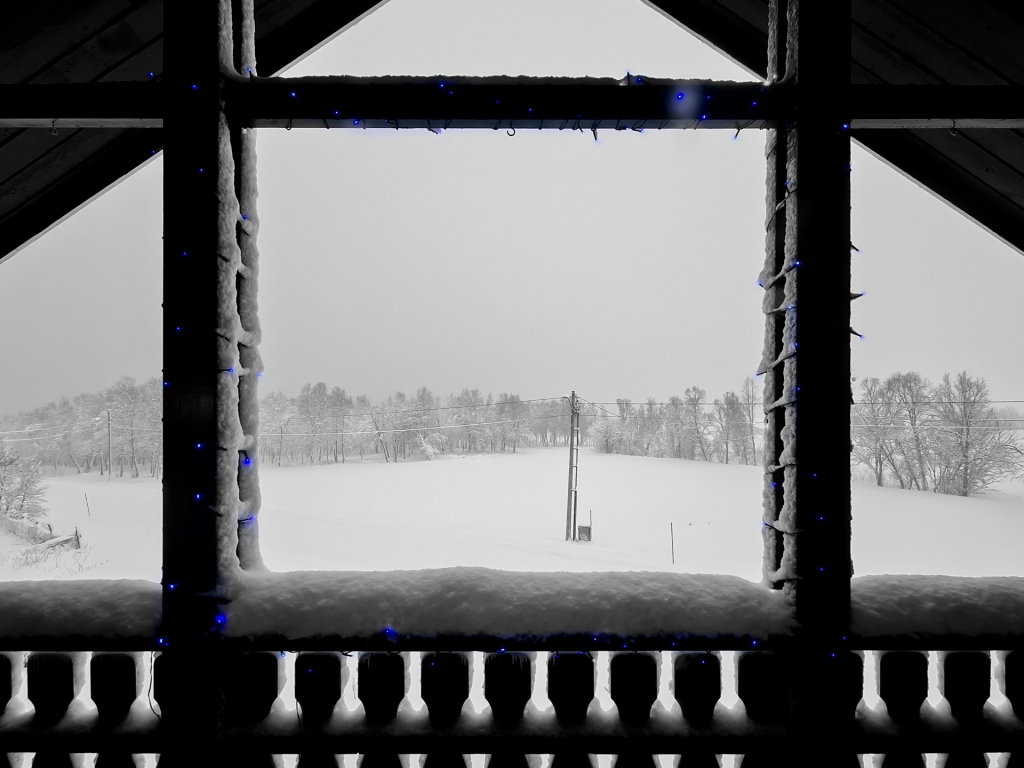
Today the snow fell

one by one on top of each other

line by line next to each other


forty centimeters tall at the end

so beautiful stacked on top of my car


when I looked at it

with a shovel in hand
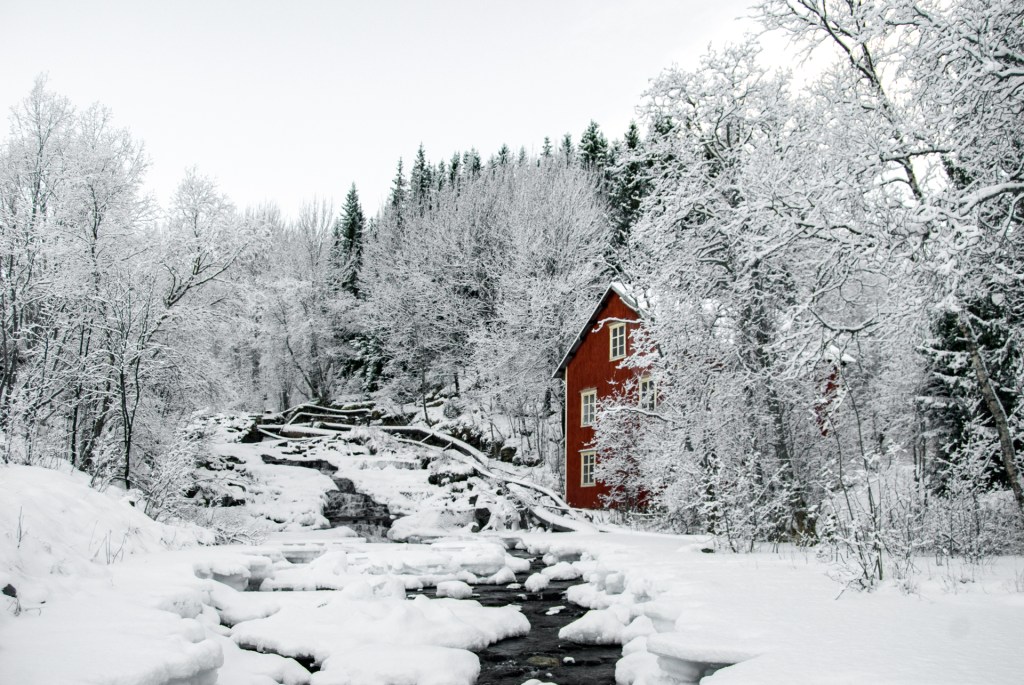
My loud colors are hidden in the woods

where the cold will keep you away


but I don’t mind you all

it’s just me I want to lose

to follow the sound of the spring in the stream

and find myself
anew

Several notes from Nietzsche written in 1987 are to be found in the book The Will to Power, a collection of his notes published after his death and not meant for publication.
What does nihilism mean? That the highest values evaluate themselves. The aim is lacking; “why?” finds no answer.
The supreme values in whose service man should live, especially when they were very hard on him and exacted a high price – these social values were erected over man to strengthen their voice, as if they were commands of God, as “reality,” as the “true” world, as a hope and future world. Now that the shabby origin of these values is becoming clear, the universe seems to have lost value, seems “meaningless”-but that is only a transitional stage.
Values and their changes are related to increases in the power of those positing the values. The measure of unbelief, of permitted “freedom of the spirit” as an expression of an increase in power. “Nihilism” an ideal of the highest degree of powerfulness of the spirit, the over-richest life-partly destructive, partly ironic.

Blown snow stuck against the door's window

I opened it to feel

but decided

to stay in


because I can

Through the snow I continue where the path ends

the path that took me to that which is unexpected

thinking we know where we are going understand

what am I doing here what am I doing in the snow

I can give you reason or two maybe three or more

so what is true of all of this or what will value have

the cold snow on the ground I fall into is full of this

unthinkable thoughts a never-conceivable realities

without reason it wants to give anything the truth

It happens spontaneously in passing just like that

don't think too much think like a child every day

without a past dare to fall into the cold snow

do not be afraid of the wet or the blame

wet cloth can dry the days disappear

disappearing into the horizons

the one that is behind you

full of old imaginations

heavy as a burden

denied bitterness

you will forget

what it was

as a child

to be to

fall in

snow

Wet

am

I


that

is like

to become

a child

play
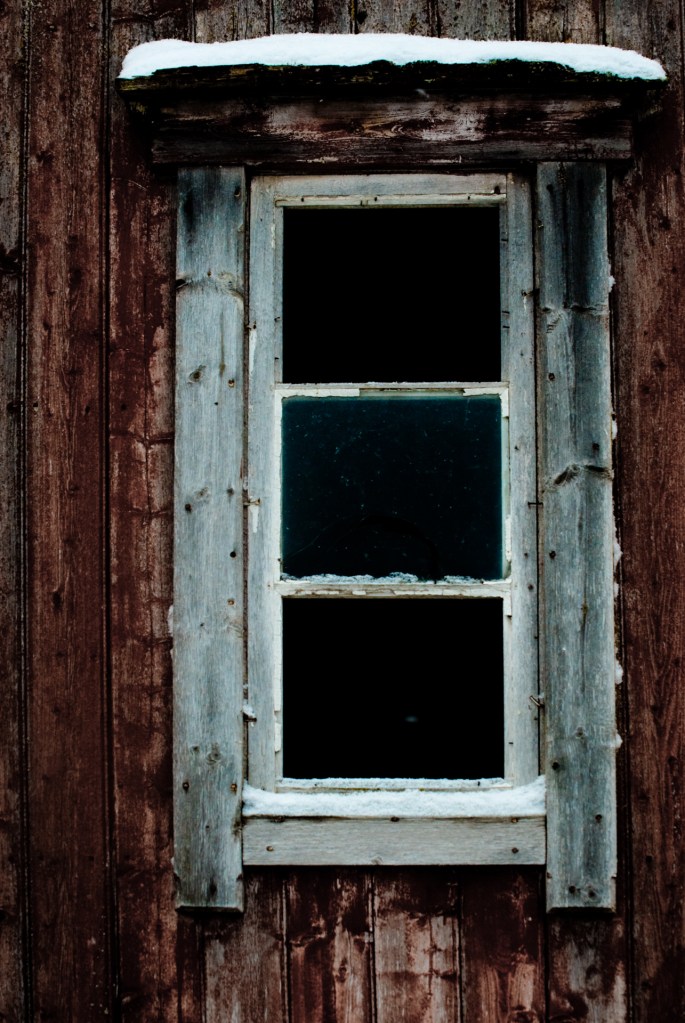
The weather has taken time

that was left for this old house


I know the windows no longer open

bearing the weight of it’s support


but the trees surrounding

no longer stand
in the way

when this last storm decided

in favor of me

and what I see

Even though I was parked here
in this lot
I stil enjoyed the structure
and slow chaos

I still like

what got planted

in front of my youth


the painting of it

is still hanging here

23. Whether the Adherents of the Doctrine of Free Will have a Right to Punish?—Men whose vocation it is to judge and punish try to establish in every case whether an evil-doer is really responsible for his act, whether he was able to apply his reasoning powers, whether he acted with motives and not unconsciously or under constraint. If he is punished, it is because he preferred the worse to the better motives, which he must consequently have known. Where this knowledge is wanting, man is, according to the prevailing view, not responsible—unless his ignorance, e.g. his ignorantia legis, be the consequence of an intentional neglect to learn what he ought: in that case he already preferred the worse to the better motives at the time when he refused to learn, and must now pay the penalty of his unwise choice. If, on the other hand, perhaps through stupidity or shortsightedness, he has never seen the better motives, he is generally not punished, for people say that he made a wrong choice, he acted like a brute beast. The intentional rejection of the better reason is now needed before we treat the offender as fit to be punished.

Free will
like a metronome it gives rithm
a hold on
in a deaf world

You held me in the past
with different lenghts
and sometimes times

The world is beautiful, even where life seems to be impossible.


Sitting down here in the snow
reading no news that is old
what we all do to each other
in the name of your truth
just not real here for me
in this seemingly
impossible
what the world is for me

I remember where I lived
slept all those nights
the outside

the cold wind
a slight sun
the darkness behind the clouds

the steps in the snow
and grass
in the summer

I not only remember
I am somehow
still there
 Nochrisis