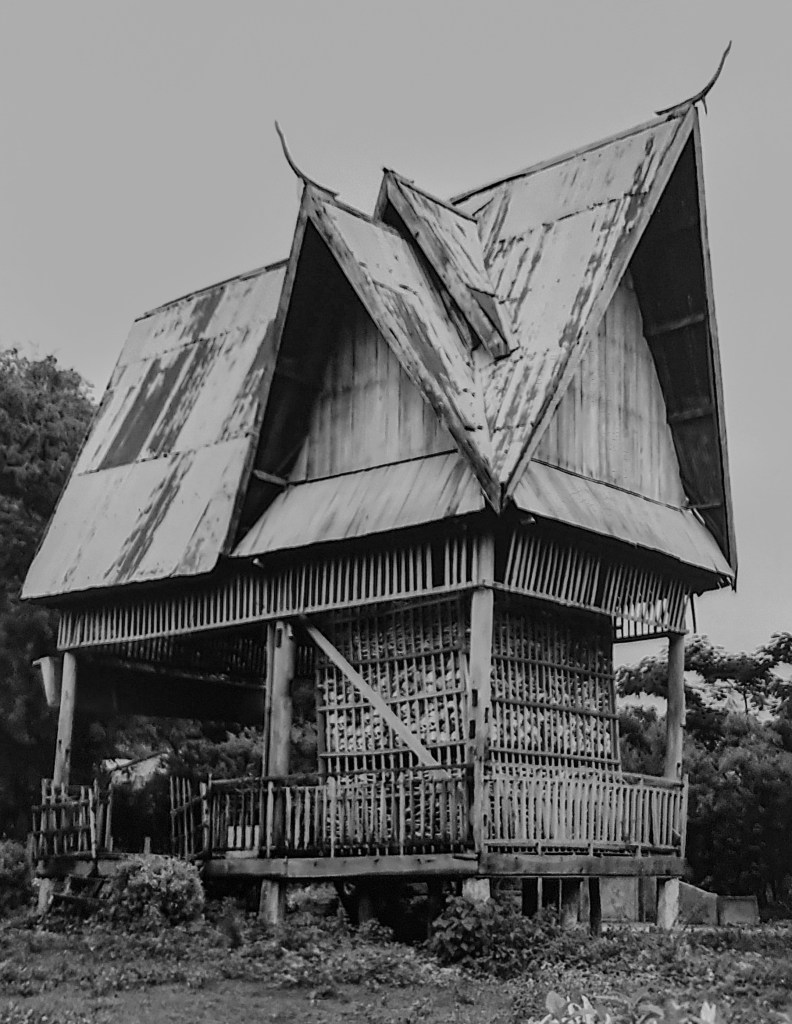
This picture, which I took, represents a kind of memory for me. What I mean by that is that I don’t remember being there, but it is still an important part of my memories. I remember vaguely the wooden floor and the closeness to the skulls, but…I do remember that these skulls have hunted me in my dreams a couple of times in the past. My memories of being truly there and the even stronger emotions I felt in my dreams are mixed, so the wooden floor I remember might as well not be true; maybe I took this picture from a car when we were on patrol, driving by.
Another thing that is related to this monument in Cambodia, a memorial in remembrance of the millions of people killed during the Pol Pot regime, is the fact that it changed my life. To be clear, my life did not alter course after I saw it for the first time; it was just the tiniest seed that was dropped. Having worked as a UN soldier for five months in a country so different from what I was used to that has changed my perspective. It opened my eyes, and I could see a bigger world than just what I was used to. I got interested in history and politics and started studying in that direction. If people ask me why I am so sensitive to what is happening in the world, I will show them this picture. This monument represents that change.
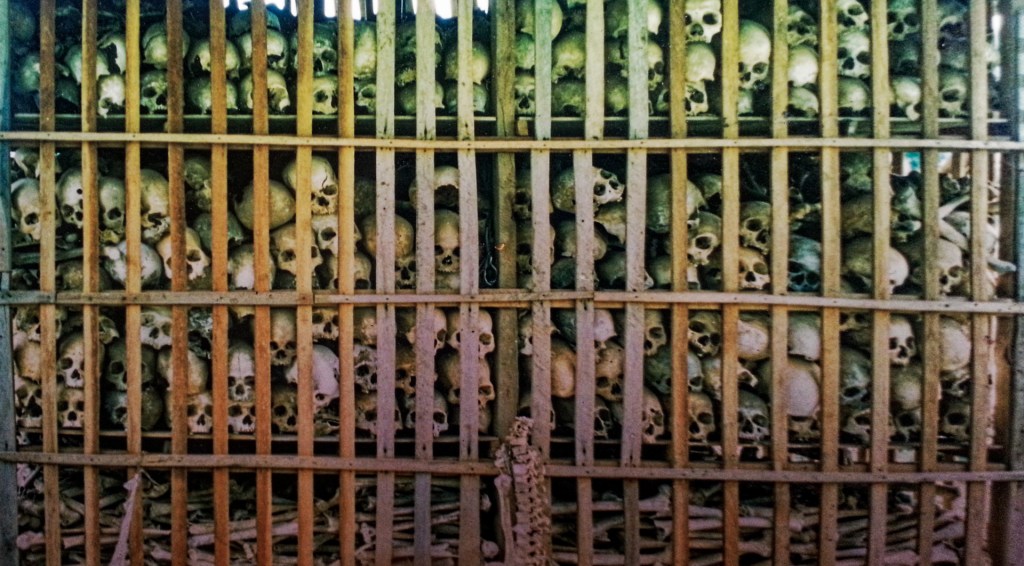
In the current political environment in the West, it is popular to compare Nazi Germany in the 1930s with what happens in America, for instance, but for me, it is Pol Pot. Pol Pot didn’t kill millions of people; he persuaded people around him to do it. In America, the ICE police were always doing their job, but a regime change allowed these agents to be rougher. We know from studies that most people are capable of committing terrible acts against other human beings. Most people are also followers, and as long as you set certain boundaries as a society, they will not cross them. However, if a new regime moves the boundaries, its behavior will also change. In Cambodia, they did that til the border was pushed so far that formerly decent people saw the logic in killing neighbors with glasses because glasses mean smart, which means not good. They did that in Cambodia, just like they now deport people who have worked and contributed to the US economy for years. They are a long way from the killing fields in America, but they slowly move that way.
This is the reason why I moved from the Netherlands to Norway. I noticed that certain taboos had become normalized and were moving in the wrong direction. I am a mostly calm person, but when I am amongst too much stupidity, I will let the stupid know what I think of them. Simply said, I could no longer live in a country where 20 percent of the people were ok with moving in the direction of Pol Pot (ism). And in Norway, they might also go the wrong way one day, but I am a guest here, and if they stink up their own house, well, it’s not my stink, and it is not polite to tell your host that their house stinks. (This argument is a work in progress😉)
This monument you see in this picture represents my alienation from society as a form of self-protection. I live in this flawed society, I pay my taxes, I work, but that’s about it.
A positive thing I learned in Cambodia was the people I met, especially the children. Everywhere you go, the individual people are, for the most part, friendly and willing to help you as a stranger. It’s just that large groups of people get a mind of their own, and it is often a scary, selfish mind.
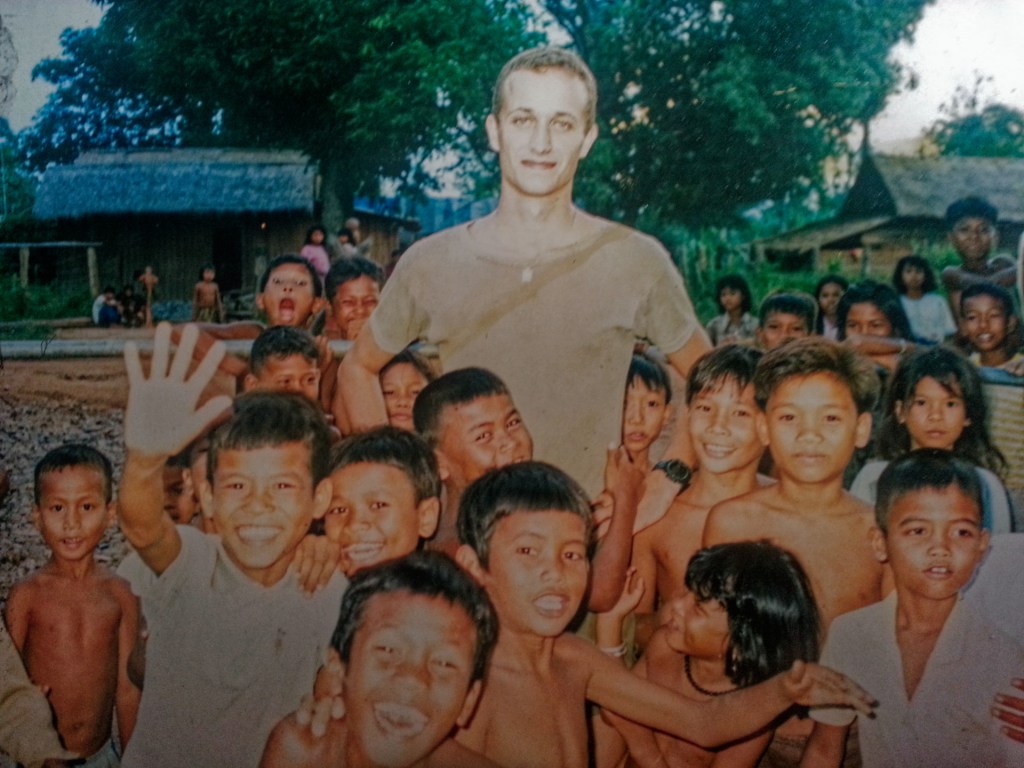
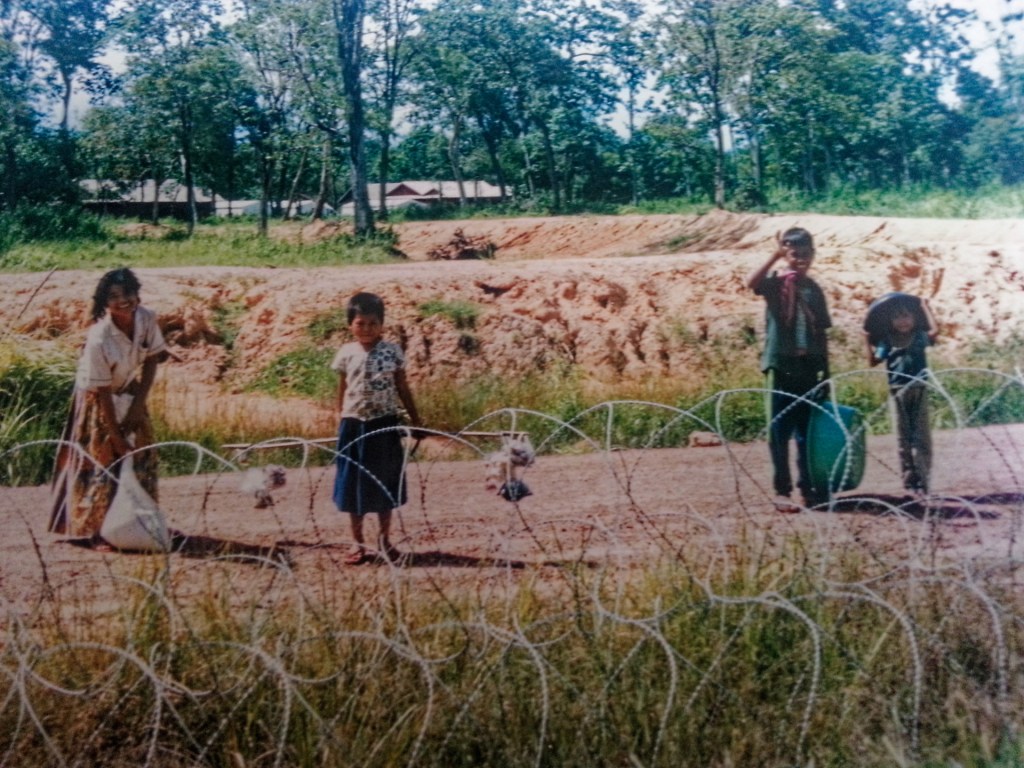
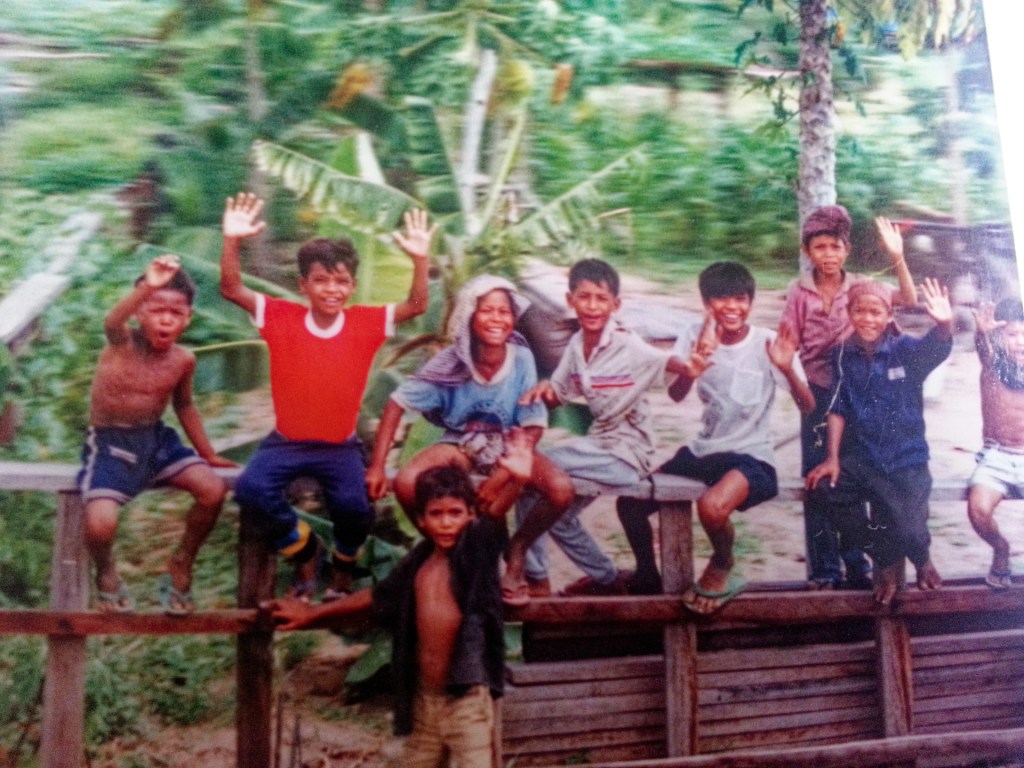

In the Region where we worked, most people between the ages of 30 and 60 were gone, murdered, or fled to Thailand. People were just moving back and starting families, that’s why ywe saw so many young kids.
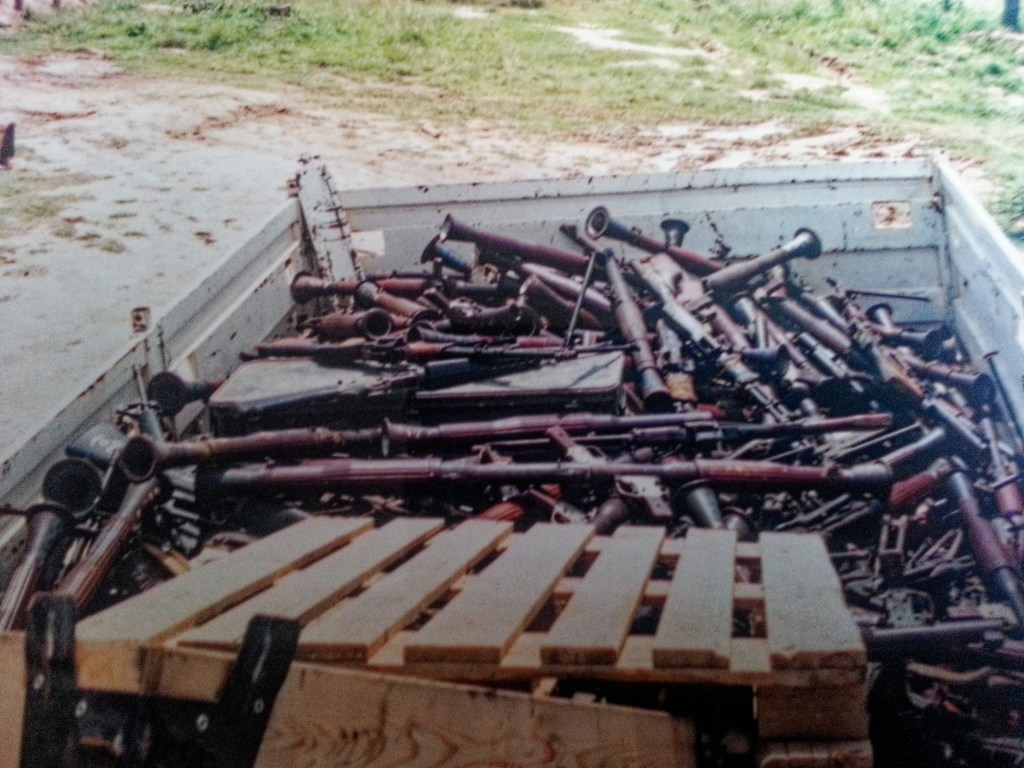

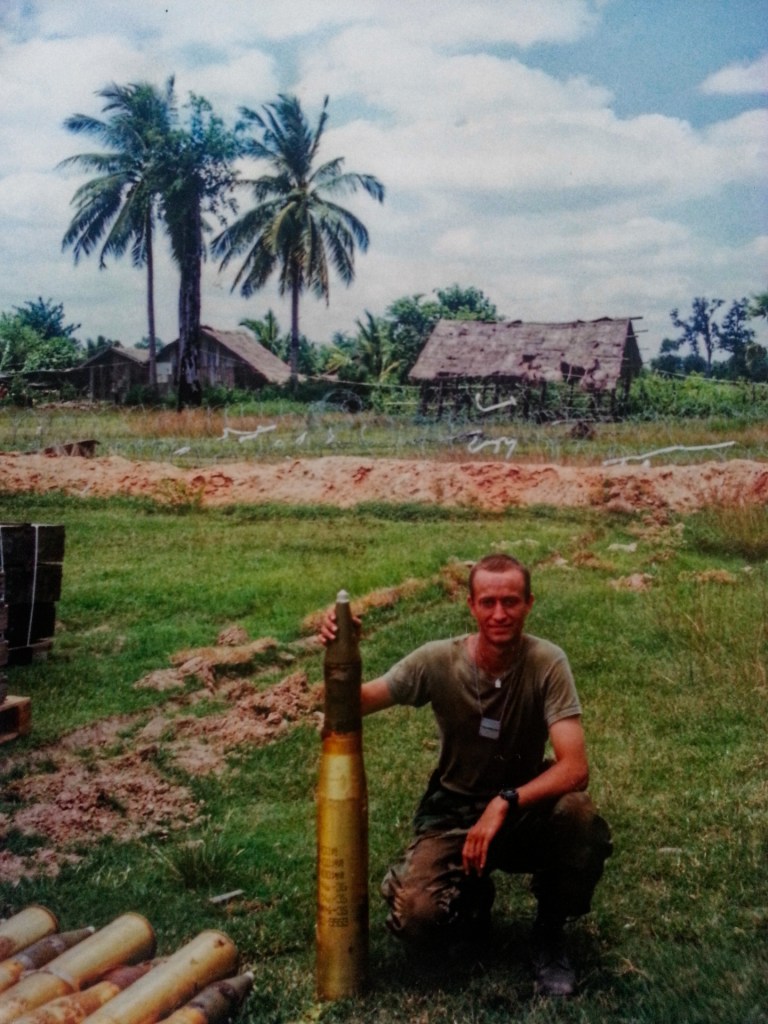
Mines and weapons are everywhere, sold by companies from around the world, so that the retirement funds that invest in those companies can grow, and we can have a pleasant old age, with all our limbs, of course. We collected many of those weapons; you see me sitting there with a particular nasty one. The amount of firearms in a society might say something about the willingness to kill each other.
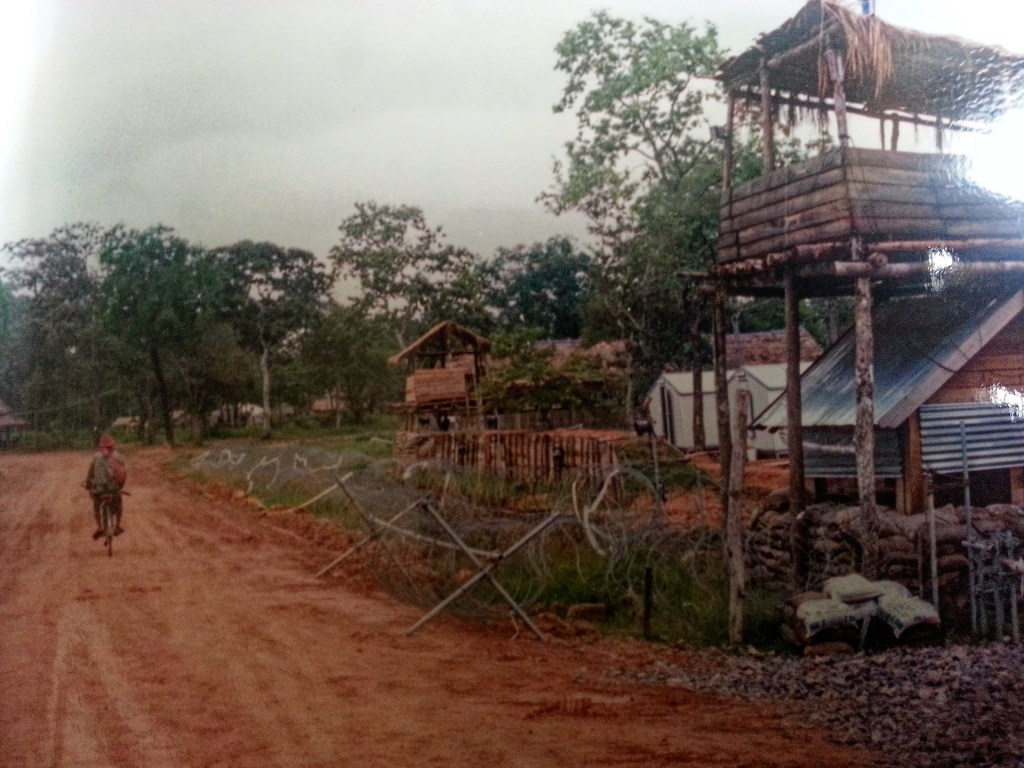
We had to live relatively protected behind barbed wire and with around-the-clock security. The Khmer Rouge was still hiding in the area where we were, and whenever we suspected armed soldiers to be one of them, we tensed up. You could see it in their eyes that they’ve been through stuff. The idea of killing someone is horrendous to me, but I’ve been a Marine by choice, and in the early nineties, helping wartorn countries with building up their society sounded like a good idea. I know from firsthand experience that I would not hesitate if one of those Khmer Rouge soldiers started shooting at us, and this makes the discussion about passivism the more difficult for me. That’s why it is so essential to build a society that cannot slide in the wrong direction, because we are all capable… if people close to us are in danger or your own life is at stake.
 Nochrisis