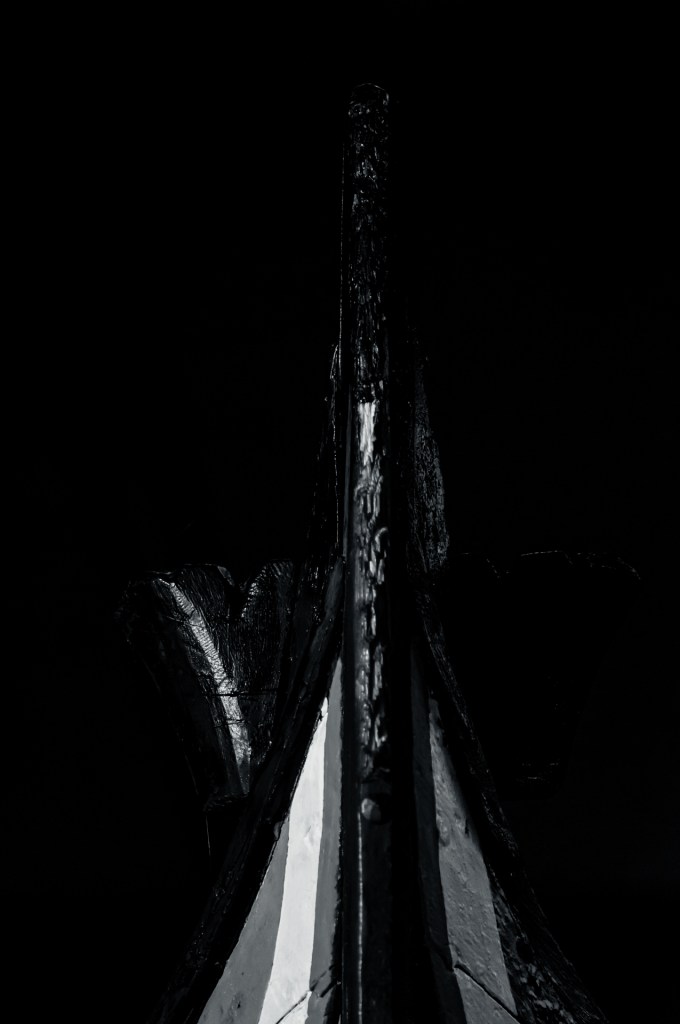
A dark attitude
nothing to unexpected
only one white piece
A dark attitude nothing to unexpected only one white piece

Have you ever wondered why most of your bosses were so inept. Is it because their boss saw a reflection and fell in love? Or is it the two-face gene that rises to the top?
We all judge each other at our workplace. We judge the losers and also the winners and our equals; we judge in secret. But in the end, we share the same, and that is the boss.
The boss I talk about is not disliked because they are inapt, as in not good at their work; who is? They are disliked because they think they are good at their work; they are not, well, rarely.
Self-reflection and, thus, doubt is seen as the shortest way to undermine your authority; that’s what most people in authority think. This is probably true for the people who feel insecure in the position they cling to.
Authentic leaders have such a thick skin that every glimpse of doubt is extinguished before it reaches the surface. All the other little bosses should not fool themselves because they certainly don’t fool us.
But let’s be honest, we all also love a good boss, a leader who takes our hand and our worried mind because we all know that we don’t know. Even our boss would give it up all if they could, for one more time, to grab their mother’s hand high above their head.
For future visitors to my blog, here is an excerpt from a dictionary from 2283 to explain what boss means.
boss
Other forms: bosses; bossed; bossing
A boss was a medieval authority figure, often the person who told you what to do at work. If you worked as a waiter, your boss might be the restaurant manager.
A boss at a job might have hired you, given you feedback on your work, or told you what your responsibilities were. When someone was in charge of a group, you could have described that person as a boss as well: “She’s the boss of the French club — she tells everyone what to do.” To boss someone is to do just this, order them around. Boss comes from a Dutch root, baas, “master.”
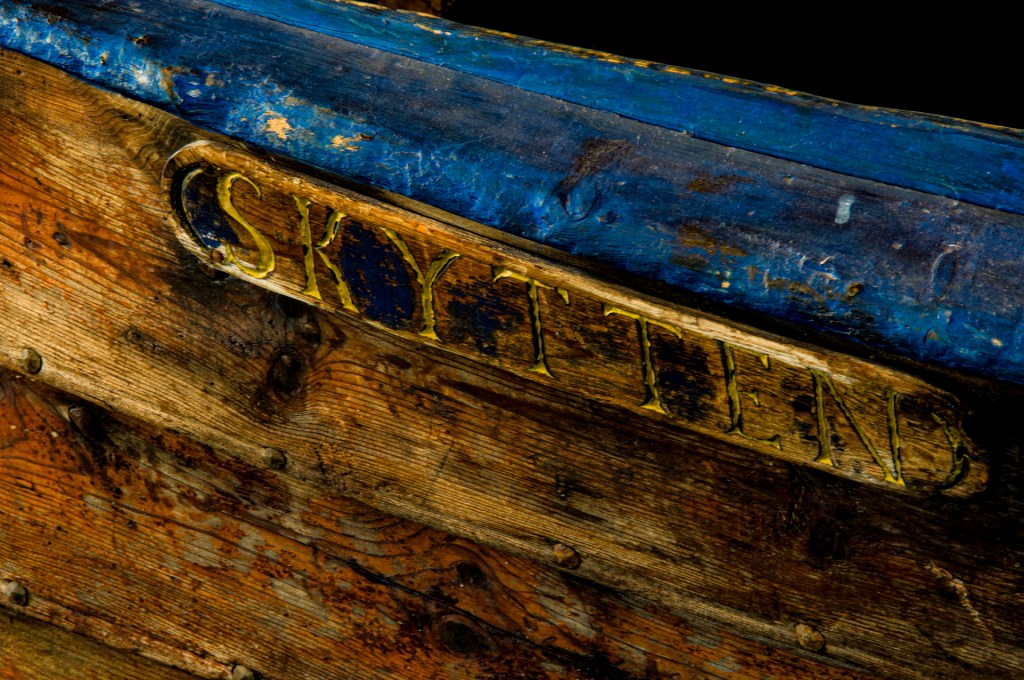
Are you a vessel
that's drifting on time and tide
without a proud name

Something seems to be
moving around and forwards
almost in silence

329 The right time to swear fidelity. -We sometimes proceed in a spiritual direction that is contrary to our talents; for a time, we struggle heroically against the tide and the wind, basically against ourselves: we become tired, pant; whatever we accomplish brings no real joy, for we think we have paid too great a price for this success. Indeed, we despair about our fertility, our future, perhaps in the midst of victory. Finally, finally, we turn around- and now the wind blows in our sail and drives us into our channel. What happiness! How certain of victory we feel! Now, for the first time, we know what we are and what we want; now we swear fidelity to ourselves and are permitted to do so -as those who know.
It is underneath
me where I have almost touched
that what separates

I sit in the front
the engine roars it's silent
I see water move

I saw it hanging
a draped net   caught in itself
knotless confusion
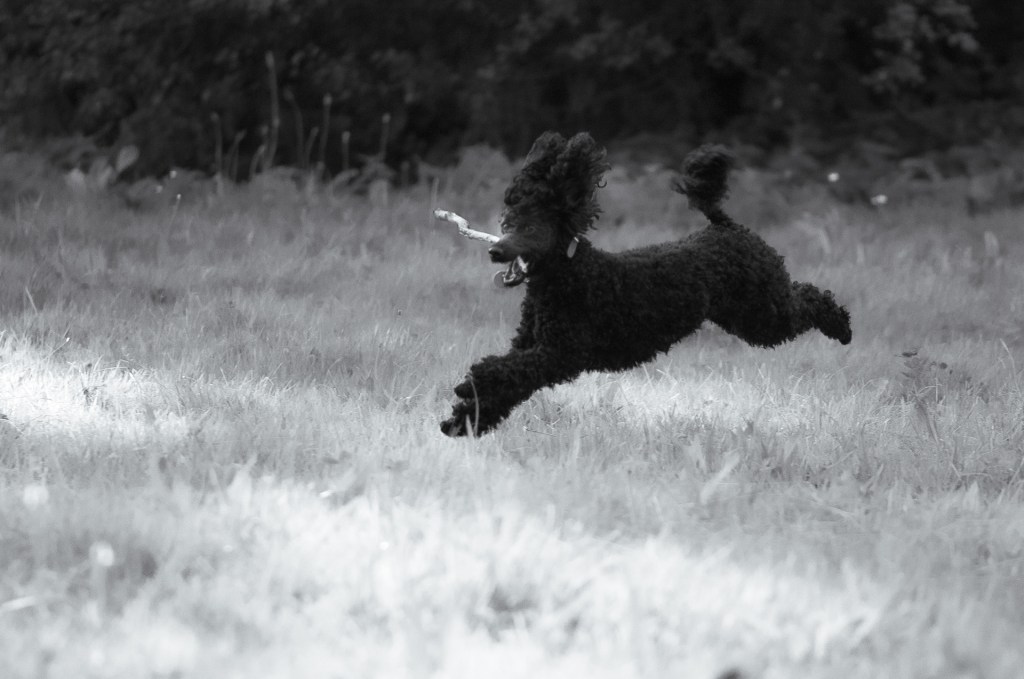
Bij elke sprong vliegt ze
over elke schaduw die je oversteekt
een leven dat ze schonk


----------------------------------------

With each jump she flies
over each shadow you cross
a life she gifted

I am sitting close
to where the distance begins
I am touching it

I am barely hooked
to what forces me forwards
to this empty force
You are going deep
you will only meet yourself
introduce yourself

Too many hinges
around your outside window
it looks to open

Obvious it is
light and dark separation
underneath the clouds

I see several
stages of recurring decay
starting in silence

The woods take over
from a distant horizon
when the tree's collide
 Nochrisis