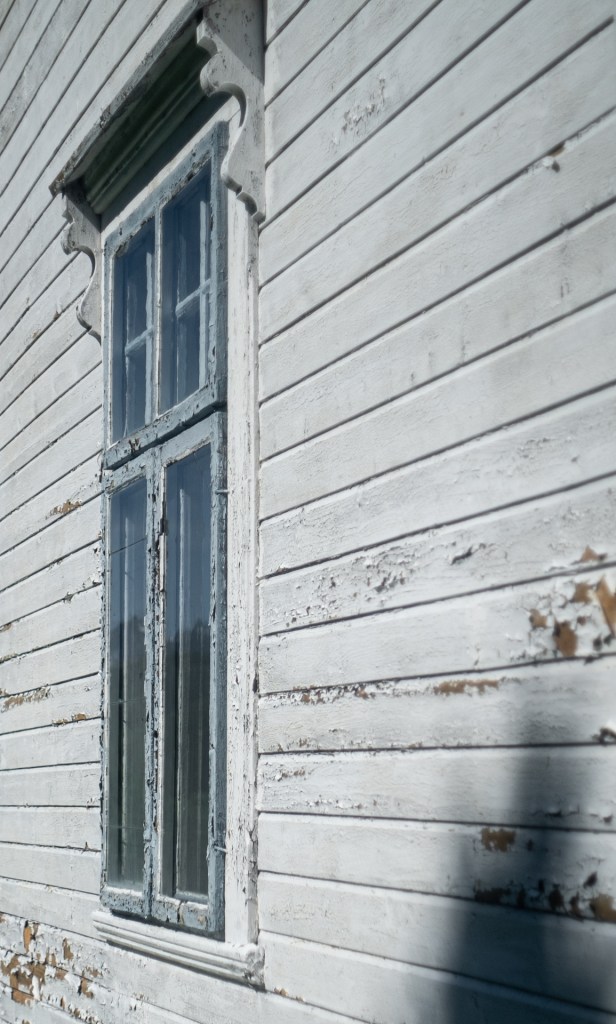
Day 2656, Windows of opportunity.

Daily picture, Philosophy

Life is unfair. Why do I say that? Because we are free and unfree at the same time.

“Man is condemned to be free; because once thrown into the world, he is responsible for everything he does. It is up to you to give [life] a meaning.”

Jean-Paul Sartre

Sartre takes our freedom to the extreme in that we can take our own life and end it at any moment. We are condemned to find a reason to live and not take the final step, and this finding of a reason is the meaning you give to your life.

If you are not satisfied with parts of your life, let’s say your work becomes meaningless to you, you can repeat to yourself all the reasons why you should keep this job, like feeding your family and paying the mortgage. These reasons are all valid for your particular life, but you as a human being can just stand up after lunch, walk away, and don’t stop walking till you are far away from your life, literally. We don’t do this because of moral reasons, society and responsibilities, but the fact that we can do it makes this tension between our freedom and unfreedom so interesting.

A second problem is that there is no general reason for life or to keep on living besides the fact that we do. Our basic instincts functions like eating and breathing extend our life till its natural end without much effort on our part. You can believe in some sort of god or afterlife, but that is not more than a personal reason to live for and not one that is grounded in what we know, the facts.

We humans, thinking animals, have, through our living together, invented all kinds of reasons why we live, and we have written books full of rules that tell us what to do and what not to do. We all know this, even if you can’t read or end up in a society that is alien to you, you know that there are rules, and you try to follow them. We are conditioned to follow these written and unwritten rules, but none of these rules relate to any facts about life. The only rule with any basis in facts is that we can ignore all these man-made rules and regulations. We can ignore a red light at a crossroad; no one stops you the next time you approach this symbol that forbids… you are free to make a choice.

All these rules are, of course, necessary to let our society function, but like Sartre said, we are ultimately free to stand up and go our own way, we are condemned to be free.

“My thought is me: that’s why I can’t stop. I exist because I think… and I can’t stop myself from thinking. At this very moment – it’s frightful – if I exist, it is because I am horrified at existing. I am the one who pulls myself from the nothingness to which I aspire.”

Jean-Paul Sartre
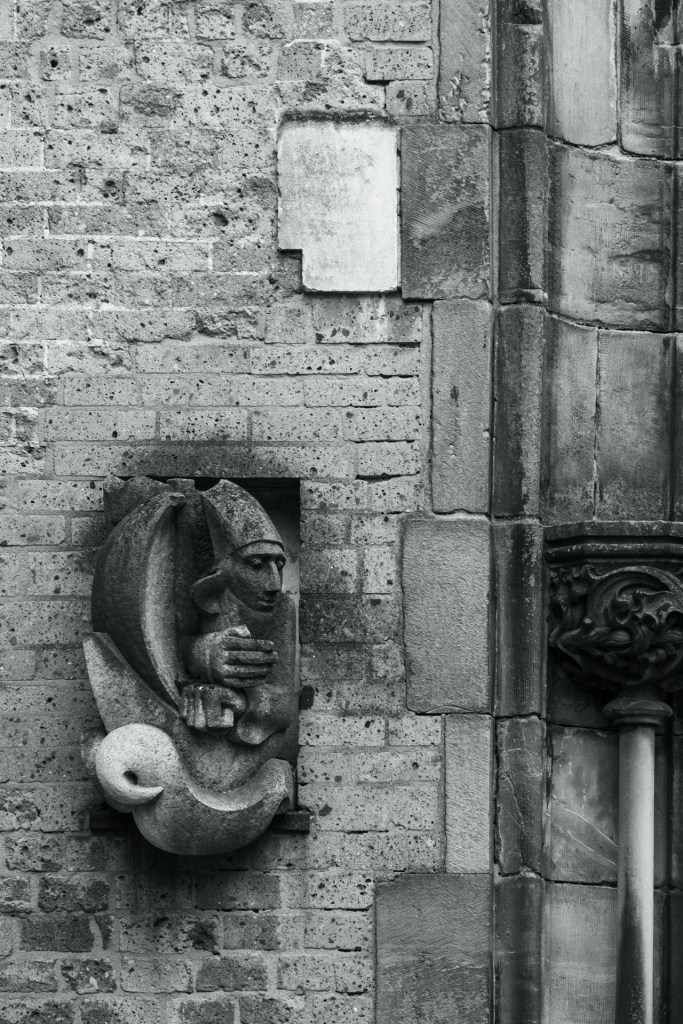
Day 2378, occupying your body.

Daily picture

I’ve been reading the book “The second sex” by Simone de Beauvoir, it was written between 1946 and 49 and is seen by many as one of the great feminist books. It reads like it was written yesterday, but maybe that’s because much of what she says is still said today. I read a couple of other, more modern feminist books before, and they repeat in some sense what Beauvoir writes about in this book. I won’t go into detail about what she all point’s out, I just want to write a little about my experiences, being a man and reading these kinds of books, what it does to me.

I was raised by a mother who got divorced at the end of the seventies ending up with three kids to take care of. This happened just in time to get swept up by the tail end of the second feminist wave. I was just 6 or 7 years old, but being raised by a young mother who was finding herself as a woman for the first time and no father for me in sight to represent the so-called other side, it is clear that that experience has left some tracks in me.

Having only sporadically a father figure in my early life has not prevented me from developing a lot of typical male trades. A feminist mother might have raised me, but I was also living in a society that was still divided into clear roles for men and women. I also inherited some trades from my father (and mother) that work great if you take on the male role in life, like a temperament and an eagerness to get places.

The simplest example I can think of, of a typical male reaction is the one I have when I see a good-looking woman. Simone de Beauvoir writes about the pressures women feel by society to behave and look a certain way and what this does to a person. It is hard to imagine what that does to you, but as a man, I also get subjected to expectations. I often have to pretend not to feel pain or feel sick just because that’s how a man is supposed to behave. As a sensitive person, I not only feel that expectation from people around me, I react to it by conforming to it, but another part in me also chastises myself for being a…conformist.

The problem is that everyone can feel something when they see another human who they find attractive but is that feeling still there when they see that same person sitting on a toilet, squeezing it out? Or is the beautiful woman just attractive because she squeezed herself into a role, to look attractive to the man living around her? In other words: did she lose her essence, her self, to fulfill the role society expects of her? 

My guilt comes from not knowing if she is attractive because of who she is or what she presents to the world. Often it is clear, they look like the stereotypical bombshell or all made up, but looking like that does not always mean that they want others to judge them on their looks, maybe it is just a look. It also goes the other way, most people, yes, even women, react with slight disgust if they see a woman with hair under their arms. It seems not to matter when men have hair over there, but if you as a person are occupying a female body, you have to shave that part suddenly. Society demands a lot from all of us, and men have their own (unconscious) expectations of women.

I say “occupying your body” because Simone de Beauvoir is an Existentialist, and as such, she sees people as not being male or female but as a person performing one of those roles or any in between. What body we are born with plays a role, but in essence, are we all the same thinking “thing” we recognize in ourselves as us. What do you see when you look in the mirror?

There is much more to say, and reading back what I just wrote makes me want to rewrite the whole thing, but as a writing exercise, it is good enough for now.