
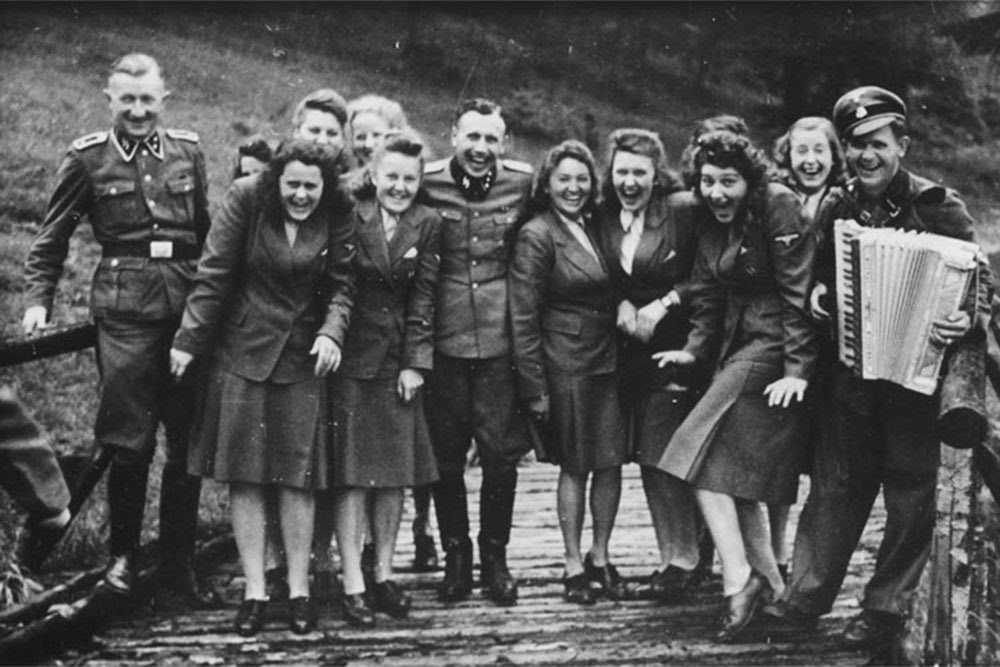
The people who murdered in the name of the state just wanted a better life. They voted for the man with big ideas and were unaware of the path this blind obedience takes them. Their lives while working in a slaughterhouse for humans were not different than their lives when they worked in a slaughterhouse for animals. Daily life is daily life; we all filter out the world we don’t want to see.
We are all different in how we look and what we’ve been through and somewhat different in our wants and needs. Some of us want to find our own way, and others just want to follow. Most of us fall somewhere in between. We have to live together knowing that a quarter of the people in our society have no problems rounding up their neighbors if they are ordered to when shame is taken away. Those are the people who have no rationale for why they obey the strong man, the man who knows “the right words.”
Do you obey?
The aim of totalitarian education has never been to instill convictions but to destroy the capacity to form any.
Hannah Arendt
Treblinka: Testimonies of Nazi SS
Willi Mentz:
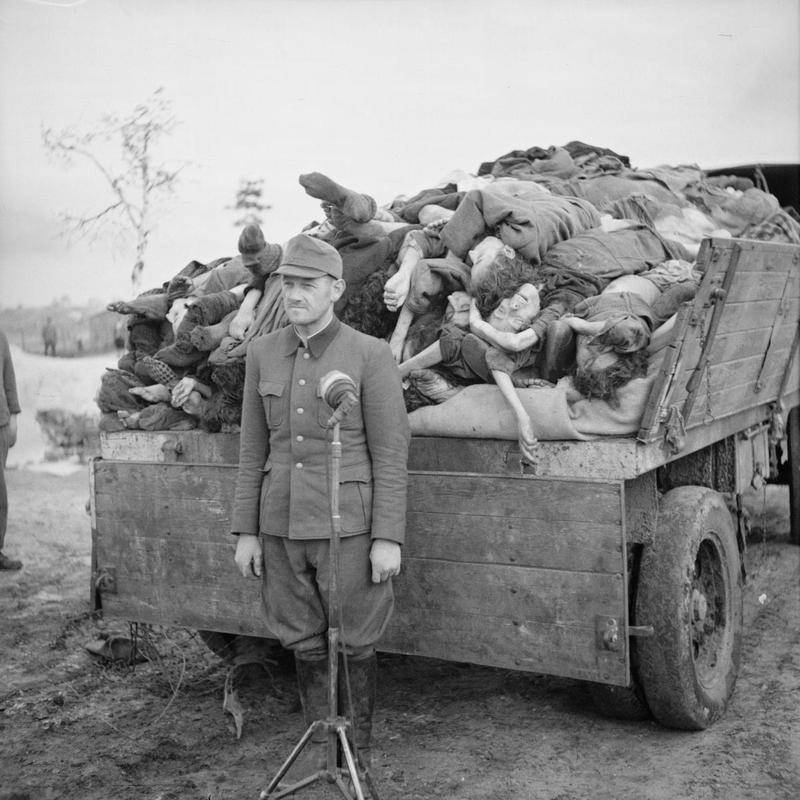
When I came to Treblinka, the camp commandant was a doctor named Dr. Eberl. He was very ambitious. It was said that he ordered more transports than could be “processed” in the camp. That meant that trains had to wait outside the camp because the occupants of the previous transport had not yet all been killed. At the time it was very hot and as a result of the long wait inside the transport trains in the intense heat many people died. At the time whole mountains of bodies lay on the platform. The Hauptsturmfuehrer Christian Wirth came to Treblinka and kicked up a terrific row. And then one day Dr. Eberl was no longer there…
For about two months I worked in the upper section of the camp and then after Eberl had gone everything in the camp was reorganized. The two parts of the camp were separated by barbed wire fences. Pine branches were used so that you could not see through the fences. The same thing was done along the route from the “transfer” area to the gas chambers…
Finally, new and larger gas chambers were built. I think that there were now five or six larger gas chambers. I cannot say exactly how many people these large gas chambers held. If the small gas chambers could hold 80-100 people, the large ones could probably hold twice that number…
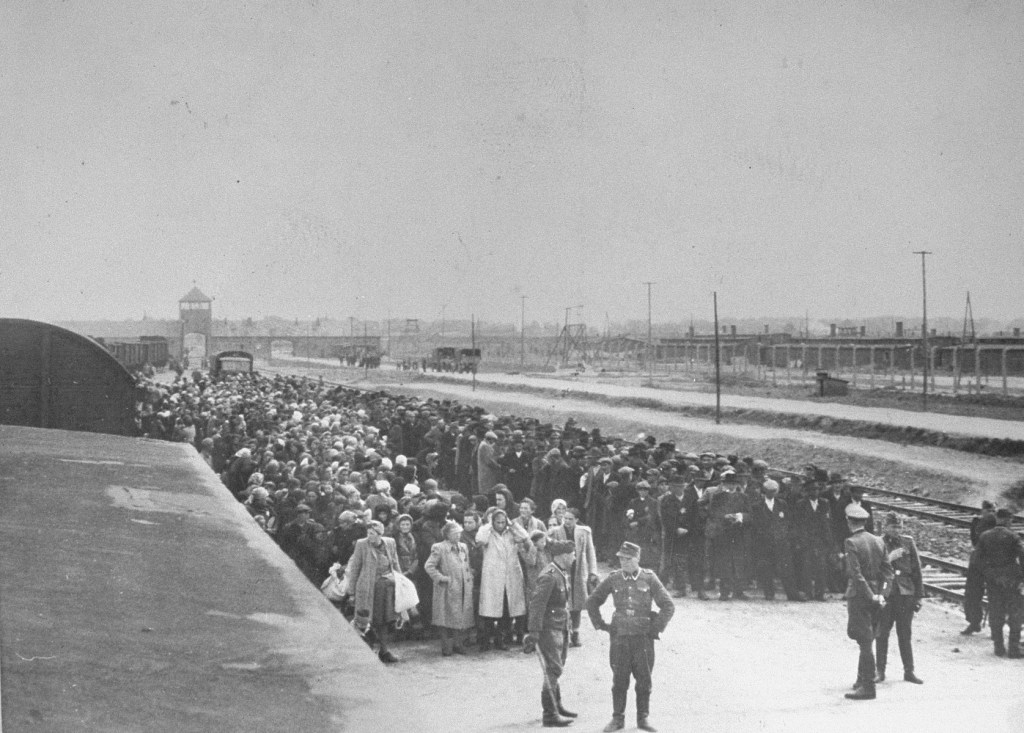
Following the arrival of a transport, six to eight cars would be shunted into the camp, coming to a halt at the platform there. The commandant, his deputy Franz, Kuettner and Stadie or Maetzig would be here waiting as the transport came in. Further SS members were also present to supervise the unloading: for example, Genz and Belitz had to make absolutely sure that there was no one left in the car after the occupants had been ordered to get out.
When the Jews had got off, Stadie or Maetzig would have a short word with them. They were told something to the effect that they were a resettlement transport, that they would be given a bath and that they would receive new clothes. They were also instructed to maintain quiet and discipline. They would continue their journey the following day.
Then the transports were taken off to the so-called “transfer” area. The women had to undress in huts and the men out in the open. The women were than led through a passageway, known as the “tube”, to the gas chambers. On the way they had to pass a hut where they had to hand in their jewelery and valuables..
From: https://www.jewishvirtuallibrary.org/testimonies-of-nazi-ss-at-treblinka
Before mass leaders seize the power to fit reality to their lies, their propaganda is marked by its extreme contempt for facts as such, for in their opinion fact depends entirely on the power of man who can fabricate it.
The trouble with Eichmann was precisely that so many were like him, and that the many were neither perverted nor sadistic, that they were, and still are, terribly and terrifyingly normal. From the viewpoint of our legal institutions and of our moral standards of judgment, this normality was much more terrifying than all the atrocities put together.
Hannah Arendt
 Nochrisis